
To choose the right lamp shade, you must coordinate three critical elements: the physical proportions of your lamp base, the correct fitter type, and safe heat clearance. The ideal shade is typically two-thirds the height of the lamp base, with a bottom diameter that is at least two inches wider than the widest part of the base. Measuring carefully ensures your lamp remains stable, visually balanced, and safe to operate in your home.
Gather Your Tools and Prepare the Lamp for Measuring
Before taking any measurements, unplug the lamp from the wall socket. This is a critical safety step to eliminate any risk of electrical shock, especially when handling the socket area. In humid tropical environments like the Philippines, moisture can settle on fixtures, making power isolation even more vital before you perform any maintenance.
Grab a flexible measuring tape—such as a tailor’s tape—rather than a rigid metal construction tape. A flexible tape wraps easily around curved bases and conforms to the slope of a tapered shade, ensuring your measurements are highly accurate. Keep a notepad and pen nearby to write down each dimension in both inches and centimeters, as replacement shades in online marketplaces may use either unit.
Products mentioned in this guide
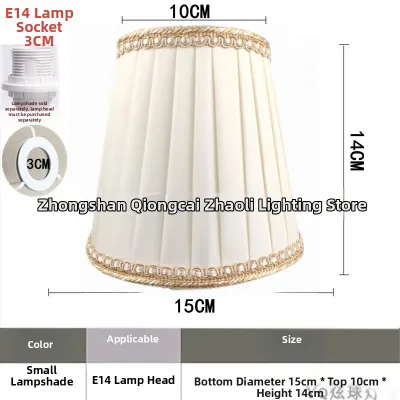
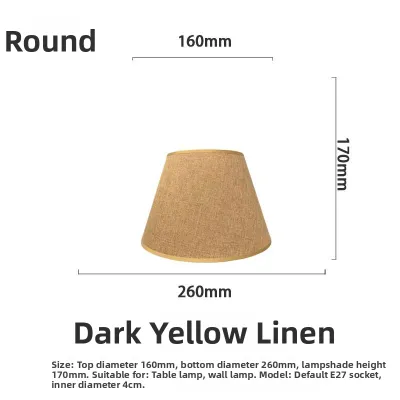
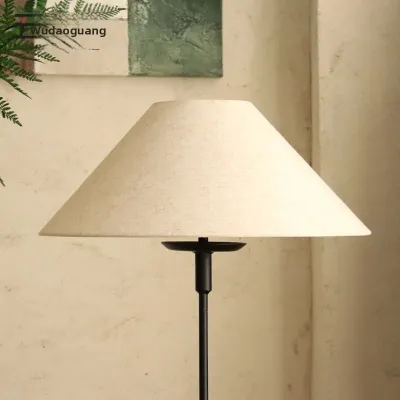
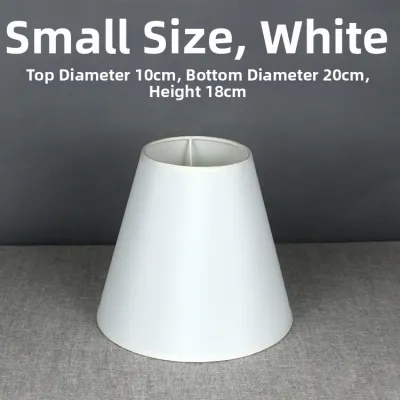
Prices are valid at publication and may change. Please refer to the product page for the latest price.
Carefully remove the existing lamp shade by unscrewing the finial or detaching the fitter. If the light bulb is hot, wait for it to cool down completely, then gently unscrew it and set it aside in a secure location. Removing these components gives you unobstructed access to the lamp’s neck, socket, and harp, allowing you to take precise measurements without physical interference.
Taking the time to measure prevents the common frustration of purchasing a shade that physically cannot attach to your lamp or looks awkwardly disproportionate. A mismatched shade can make a beautiful lamp look top-heavy, expose unsightly electrical hardware, or trap excess heat, which degrades both the bulb and the shade material over time.
Measure the Lamp Base and Neck for Proportional Fit
To achieve a visually balanced look, your replacement shade must harmonize with the lamp’s physical base. Measuring the base accurately establishes the foundation for all your subsequent calculations.

Measuring the Base Height and Width
Place your lamp base on a flat, level surface. Measure the vertical height of the lamp base from its absolute bottom (the table-contacting foot) up to the top of the electrical socket, where the light bulb is inserted. Do not include the height of the harp (the wire frame holding the shade) or the finial in this base height measurement, as these are separate structural elements.
Next, determine the width of the base. If you have a round or square base, measure across its widest point. For highly contoured or urn-shaped lamps, find the absolute widest section of the body, which might be in the middle rather than the bottom. Knowing this maximum width is essential because the bottom opening of your new lamp shade must be wider than this point to maintain physical and visual stability.
Measuring the Neck, Harp, and Socket
If your lamp utilizes a harp—the detachable U-shaped wire frame that arches over the light bulb—measure its height from the bottom saddle (where the harp prongs slide into the bracket below the socket) to the top of the threaded post where the finial screws on. Record this height carefully, as harps come in various sizes (typically ranging from 6 to 12 inches) and directly dictate where the shade will sit.
For lamps without a harp, focus on the electrical socket assembly. Measure both the outer diameter and the height of the socket. This measurement is critical if you are planning to use an Uno or clip-on fitter, which connects directly to the socket body or the bulb itself.
Finally, measure the distance from the top of the socket to the highest point of your current light bulb. This ensures that whatever shade height you choose, the internal hardware and the bulb itself will be completely hidden from view when the lamp is placed on a table.
Calculate the Ideal Lamp Shade Height, Width, and Depth
Once you have recorded the base dimensions, you can apply classic interior design proportions to find the ideal shade size. These rules serve as an excellent starting point to ensure your lamp looks balanced and professional.
- The Height Rule: As a general guideline, the height of your lamp shade should be approximately one-half to two-thirds the height of the lamp base. For example, if your lamp base measures 12 inches from the bottom to the socket, look for a shade that is between 6 and 8 inches tall. A shade that is too short will awkwardly expose the neck and socket hardware, while a shade that is too tall will make the lamp look top-heavy and visually overwhelming.
- The Width (Diameter) Rule: The bottom diameter of the shade should be approximately equal to the height of the lamp base. Additionally, the shade's bottom opening must be at least 1 to 2 inches wider than the widest part of the lamp base on each side. This extra width ensures that the shade visually anchors the entire fixture and prevents the lamp from looking narrow or unbalanced.
- Depth and Shape Considerations: If you are choosing a square, rectangular, or oval shade, you must also consider the depth (the measurement from front to back). Ensure the depth is appropriate for where the lamp will be placed; for instance, a shallow rectangular shade is ideal for narrow console tables or bedside tables where space is limited.
- Matching Shapes to Bases: When selecting a shape, look at the lines of your lamp base. Round, curved, or bulbous bases generally pair beautifully with round, empire, or drum shades. Conversely, angular, square, or geometric bases tend to look best with square or rectangular shades. Treat decorative style, perceived color temperature, and spatial effects as conditional preferences rather than universal performance facts, as personal taste and room layout will ultimately dictate your final choice.
Match the Fitter Type to Your Lamp's Connection Point
Even if a shade has the perfect dimensions, it will not work if it cannot attach to your lamp. You must identify and match the specific fitter type—the metal inner frame of the shade—to your lamp’s hardware.
Spider Fitters and Harp Assemblies
The spider fitter is the most common type used on traditional table and floor lamps. It features a metal wheel with three or four spokes radiating outward from a small central ring. This central ring sits directly on top of the lamp’s harp and is secured in place by screwing on a decorative finial.
When shopping for a spider shade, measure the “drop” of the fitter. The drop is the vertical distance between the top rim of the shade and the central ring where it rests on the harp. A deeper drop means the shade will sit lower on the lamp, hiding more of the socket, while a shallow drop will raise the shade higher. Standard spider fitters typically have a drop of 1/2 inch to 2 inches.
Uno Fitters for Direct Socket Attachment
Uno fitters are designed for lamps that do not use a harp. Instead, the shade has a large, built-in metal ring in the center that slips directly over the electrical socket. These are highly common on smaller bedside lamps, task lights, and downward-facing floor lamps.
There are two main types of Uno fitters: threaded and slip-on. Threaded Uno fitters screw directly onto the threads of the socket, holding the shade firmly in place. Slip-on Uno fitters slide over the socket and are held down by the light bulb itself or a separate plastic collar. Always measure the outer diameter of your socket to ensure the Uno ring fits perfectly without slipping or forcing, as forcing a tight ring can damage the socket casing.
Clip-On Fitters for Bulb Mounting
Clip-on fitters are the simplest connection type, featuring wire loops that expand to grip the glass of the light bulb directly. These are typically reserved for small accent lamps, wall sconces, or chandeliers where the shade is lightweight.
Before choosing a clip-on shade, check your light bulb’s shape and size. Standard clip-ons are designed to fit classic A19 bulbs, while smaller flame-shaped candelabra bulbs (like B10 or C9) require smaller, specialized clips. Always verify that the wire clips grip the bulb securely without applying excessive pressure, which could crack the glass when the bulb heats up and expands.
Verify Heat Clearance and Maximum Bulb Wattage Limits
Safety must always take priority over aesthetics. A poorly fitted lamp shade can trap heat, creating a serious fire hazard or damaging your lamp’s components.
- Clearance Rules: Ensure there is adequate space between the light bulb and the inner walls of the lamp shade. For traditional incandescent or halogen bulbs, maintain a minimum clearance of at least 2 to 3 inches on all sides. If the shade is too narrow, the intense heat generated by these bulbs can scorch fabric linings, melt plastic backings, or even ignite paper shades.
- Wattage Limits: Locate the safety label on your lamp's socket or base, which specifies the maximum allowable wattage (e.g., "Max 60W"). Verify the voltage and electrical certification (such as the PS mark or ICC sticker in the Philippines) to ensure compliance with local 220V standards. Never exceed this limit under any circumstances. Overheating the socket can degrade the internal wiring, melt the socket housing, and void your lamp's warranty.
- Bulb Type Impact: Traditional incandescent bulbs convert only a small fraction of their energy into light, releasing the rest as heat. Modern LED bulbs run significantly cooler and consume much less wattage, making them a safer choice for compact or delicate shades. However, even when using LEDs, you must still adhere to the socket's maximum wattage rating and the shade manufacturer's safety guidelines to prevent heat buildup in enclosed spaces.
- Material Warnings: Take extra care when choosing shades made of delicate, untreated, or highly flammable materials, such as thin paper, silk, or certain plastics. In humid climates, moisture can degrade adhesives and backing materials over time, making them more susceptible to heat damage. Always check the manufacturer's care and safety labels on both the replacement shade and your bulb packaging before final assembly.
Install and Verify the Final Fit and Light Distribution
Once your new shade arrives, it is time to assemble the lamp and perform a thorough physical and visual check.
Begin by mounting the shade onto the fitter assembly. If you are using a spider fitter, tighten the finial gently until it is snug; do not over-tighten, as this can strip the threads or crack the shade’s metal frame. Ensure the shade sits perfectly level by viewing it from several angles across the room.
Plug the lamp back into the wall outlet and turn it on. Observe the light distribution: the shade should completely hide the bulb and socket when you are seated or standing at a normal height. If you can see the bare bulb from your favorite chair, it will cause uncomfortable glare.
If the bulb is visible below the bottom rim of the shade, you may need to adjust the height. You can easily correct this by swapping your current harp for a shorter or taller one, or by using a specialized harp riser. Let the lamp run for 15 to 20 minutes, then carefully touch the outside of the shade to ensure there are no hot spots, which would indicate insufficient heat clearance.
Frequently Asked Questions (FAQ)
Can I use a lamp shade from a different brand on my lamp?
Yes, lamp shades are generally universal. You do not need to match the brand of your lamp base to the brand of the shade. As long as the fitter type (spider, Uno, or clip-on), the fitter dimensions, and the overall proportions match your lamp base, any brand’s shade will work perfectly. Brand matching is only necessary for highly specialized, proprietary, or custom-designed designer fixtures.
What if my lamp shade is slightly too small for the harp?
If your new shade sits too high or low because the harp size is slightly off, do not attempt to bend or force the metal harp, as this can weaken the structure and make the shade sit crookedly. Instead, purchase a replacement harp in a different height, or use a harp riser or reducer to adjust the positioning. These inexpensive hardware accessories allow you to fine-tune the shade’s height by up to several inches.
How do I clean a fabric lamp shade without damaging it?
To maintain your fabric shade, dust it regularly using a clean, dry microfiber cloth, a soft makeup brush, or a vacuum cleaner equipped with a soft brush attachment on its lowest suction setting. Avoid using liquid cleaners, water, or harsh chemicals, which can stain the fabric, dissolve the backing glue, or cause rust on the metal frame. Always ensure the lamp is unplugged and the shade is completely dry before reattaching it.
Community discussion
Share your experience or ask a question. Comments are reviewed before publication.