
Choosing the right lampshade for your dining table pendant light is a balancing act between functional illumination and visual proportion. A shade that is too large can dominate the dining room and create an oppressive atmosphere, while one that is too small fails to provide adequate light coverage and looks visually lost. Beyond aesthetics, the correct lampshade ensures that light is directed precisely where it is needed—illuminating your meals and guests without casting harsh glare directly into anyone’s eyes. By taking precise measurements of your dining table, ceiling height, and existing lighting hardware, you can confidently select a replacement shade that fits perfectly and enhances your dining experience.
Step 1: Measure Your Existing Pendant Fixture and Table
To establish a solid foundation, begin by measuring your dining table. For round tables, measure the diameter across the center. For rectangular or oval tables, measure both the width and the length. These dimensions dictate the maximum safe footprint for your new lampshade, ensuring it remains well within the tabletop boundaries so guests do not bump into it when standing or sitting.
Next, examine the mounting hardware of your current pendant light. Identify the interface where the shade connects to the socket. Look closely at whether your fixture uses a metal wire frame (a harp) that cradles the bulb, a threaded socket with a removable collar (a Euro or slip mount), or a socket where the shade is held by a built-in ring (an Uno fitter). Use a precise ruler to measure the outer diameter of the socket or the existing fitter ring to ensure physical compatibility.
Products mentioned in this guide
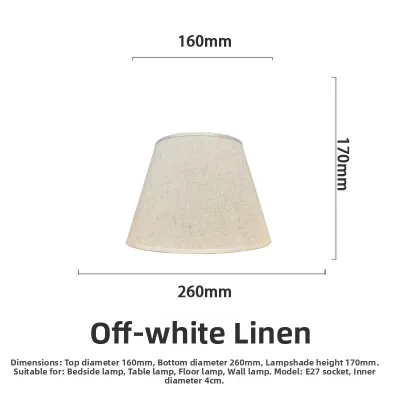
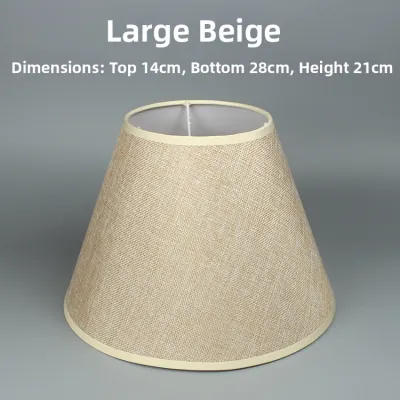
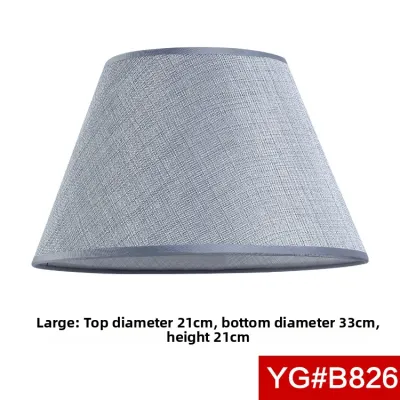
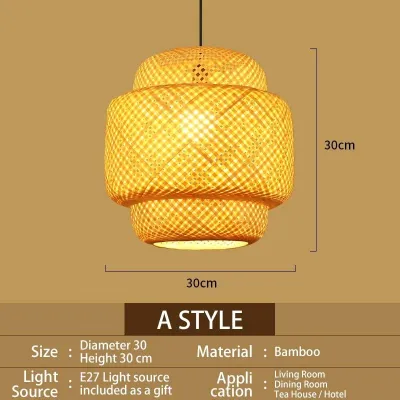
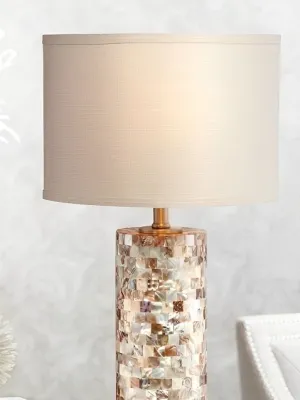
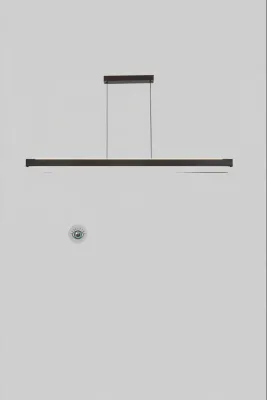
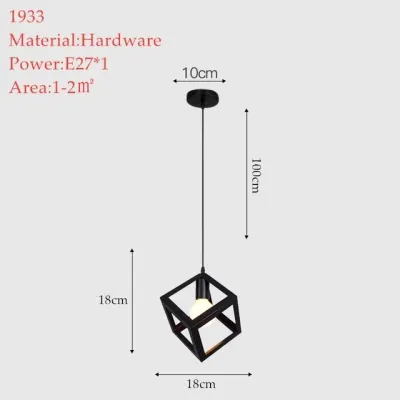
Prices are valid at publication and may change. Please refer to the product page for the latest price.
Finally, measure the vertical distances. Determine the total height from the ceiling to the surface of your dining table. Following this, measure the drop length of your current pendant fixture, which is the distance from the ceiling canopy down to the bottom of the electrical socket. Knowing these vertical measurements allows you to calculate the maximum allowable height for your new lampshade, ensuring it does not hang too low or expose the bare bulb at an uncomfortable viewing angle.
Step 2: Determine the Ideal Lampshade Dimensions
Calculating the correct lampshade diameter requires adhering to scale proportions. As a general rule, the diameter of a single central pendant lampshade should be approximately 30 centimeters narrower than the width of your dining table. For instance, if you have a standard dining table that is 90 centimeters wide, your lampshade’s diameter should not exceed 60 centimeters. This leaves a comfortable 15-centimeter clearance on all sides, maintaining a balanced visual weight and preventing the fixture from feeling physically intrusive.

The height of the lampshade must also coordinate with the overall length of the pendant fixture and the room’s ceiling height. Ideally, the shade’s height should represent roughly one-third of the total drop length of the fixture. In homes across the Philippines, where standard residential ceiling heights typically hover around 2.7 meters, a lampshade height between 25 and 40 centimeters generally provides an excellent aesthetic balance. This height ensures the light source is sufficiently shielded while allowing a wide, even pool of light to disperse across the tabletop.
The shape of your dining table should directly influence the shape and configuration of your lampshade. Round, square, or hexagonal tables are naturally complemented by a single, centrally suspended round shade, such as a drum, dome, or bowl shape. Conversely, a long rectangular or oval table can look unbalanced with a single round shade. For these elongated tables, consider installing a linear pendant shade that mirrors the table’s shape, or opt for a multi-light configuration using two or three smaller matching shades spaced evenly along the length of the table to distribute light uniformly without creating dark spots.
Step 3: Check the Fitter Size and Hardware Compatibility
Before purchasing a new lampshade, you must verify how it attaches to your pendant fixture. The most common fitter types include Uno fitters, which feature a large central ring that threads directly onto the socket; Spider or Harp fitters, which have a small central ring supported by metal spokes that rest on top of a harp frame; and Euro or slip fitters, which slide over the socket and are secured by a threaded collar. Clip-on fitters, which snap directly onto the glass of a lightbulb, are generally unsuitable for heavy dining room pendant lights due to stability concerns.
To ensure a secure fit, measure the inner diameter of the fitter ring on the new lampshade. Standard Euro fitters typically have an inner diameter of 40 millimeters, whereas standard Uno fitters are often smaller, measuring around 31 millimeters. If you fall in love with a shade that has a larger fitter than your socket, you can often use a metal or plastic reducer ring adapter to bridge the gap. However, if the shade’s fitter is too small for your socket, it will not fit, and attempting to force it can damage the fixture or create an electrical hazard.
Thermal safety is another critical factor when matching a shade to your fixture. Always locate and read the manufacturer labels on both your pendant fixture and the new lampshade to verify the maximum allowable bulb wattage. Fabric, paper, and plastic shades have strict heat resistance boundaries. If you use traditional incandescent or halogen bulbs, they emit substantial heat, requiring a minimum clearance of 5 to 8 centimeters between the bulb and the shade material to prevent scorching. While modern LED bulbs run significantly cooler, they still require adequate ventilation within the shade to dissipate heat and protect the bulb’s internal electronics.
Step 4: Select the Material and Light Diffusion for Dining
The material of your lampshade plays a pivotal role in defining the dining room’s atmosphere and the quality of light cast on your food. Fabric shades, such as linen or cotton, diffuse light softly through the sides of the shade, creating a warm, gentle ambient glow that fills the entire room. Glass shades offer diverse options: frosted glass diffuses light evenly in all directions, while clear glass provides maximum brightness but can cause uncomfortable glare unless paired with a low-wattage, decorative filament bulb or a dimming system.
Metal shades, including brass, copper, or matte black aluminum, are completely opaque. They block all lateral light transmission, directing the entire light output downward onto the dining table. This creates a highly focused, intimate pool of light that highlights your meals and table settings, though it leaves the surrounding room in soft shadow. Woven natural fibers, such as rattan or bamboo, add a beautiful organic texture to the space and cast intricate, decorative shadow patterns on the walls, which can be a lovely design feature but may distract during formal dinners.
The color of the lampshade’s inner lining also affects the perceived color temperature of the light. A white or silver inner lining reflects light efficiently, maintaining the bulb’s original color temperature and keeping the dining area bright and clear. A gold or brass lining warms the light, casting a cozy, amber glow that makes food look more appetizing and creates a flattering, relaxed environment for faces. In the tropical climate of the Philippines, where high humidity is common, consider the maintenance of these materials. Fabric and paper shades can absorb airborne grease and dust from nearby kitchens, making them harder to clean, whereas glass and metal shades can be easily wiped down with a damp microfiber cloth to maintain their clarity and shine.
Step 5: Installation and Final Safety Checks
When you are ready to install your new lampshade, safety must be your top priority. Always turn off the electrical power at the main circuit breaker panel before touching any part of the light fixture. Do not rely solely on the wall switch, as a wiring fault could still leave the socket energized. If your installation requires working at a height, ensure you use a sturdy, level step ladder rather than balancing on a dining chair.
Carefully remove the old shade and position the new one onto the socket or harp assembly. Secure the retaining collar, screws, or Uno ring firmly, taking care not to overtighten them, which could crack a glass shade or strip the threads on a plastic socket. Ensure that the shade hangs perfectly level and that the weight of the shade does not pinch, strain, or pull on the electrical wiring. For heavy glass, metal, or solid wood shades, verify that your ceiling junction box and the pendant’s support cord or chain are rated to handle the suspended load. If you encounter complex wiring or feel unsure about the structural support, always consult a qualified professional.
Once the installation is complete, restore the power and sit at your dining table to perform a visual check. Observe the light from all seated positions around the table. The bottom edge of the shade should be low enough to shield your eyes from the direct glare of the bulb, yet high enough that it does not block your view of the people sitting opposite you. If you notice harsh shadows or uncomfortable glare, adjust the hanging height of the pendant or consider swapping the bulb for a dimmable or lower-wattage alternative to achieve the perfect dining ambiance.
Frequently Asked Questions (FAQ)
Can I use a drum shade on a pendant light with a harp?
Yes, you can use a drum shade on a pendant light with a harp, but you must ensure the fitter styles are compatible. Many drum shades designed for table lamps feature a spider fitter, which is designed to rest on top of a metal harp frame. If your dining table pendant light is already equipped with a harp assembly, a spider-fitter drum shade will slide directly onto the top spindle and can be secured with a finial. If your pendant light does not have a harp and instead uses a bare drop-down socket, you will need to purchase a drum shade with an Uno or Euro fitter, or install a socket-to-harp converter kit to safely bridge the hardware difference.
How high should the bottom of the lampshade be from the dining table?
The standard recommended height for the bottom edge of a dining table pendant lampshade is between 75 and 90 centimeters (30 to 36 inches) above the tabletop. This height range strikes the ideal balance between providing focused illumination for your meals and keeping the light source out of your direct line of sight to prevent glare. If your dining room has exceptionally high ceilings, or if the members of your household are taller than average, you can adjust the pendant height toward the upper limit of 90 centimeters to maintain open sightlines and ensure comfortable face-to-face conversation.

Community discussion
Share your experience or ask a question. Comments are reviewed before publication.