
Finding the perfect living room lampshade involves balancing visual proportions with physical compatibility. A shade that is too large can overwhelm your space and make the entire fixture look unstable, while a shade that is too small exposes the unsightly mechanical hardware of the lamp. By taking precise measurements of your existing lamp base and understanding how different fitter types connect, you can confidently select a replacement that enhances both the light distribution and the aesthetic appeal of your home.
In the Philippines, where tropical humidity and warm ambient temperatures are constant factors, choosing the right shade also involves practical considerations. High humidity can affect certain fabric linings, and selecting a shade with proper ventilation is essential for heat dissipation. Whether you are updating an old favorite or customizing a new find, mastering these measurements ensures your lighting remains safe, functional, and visually striking.
What You Need Before Measuring Your Lamp
Before you begin measuring, gather a few essential tools to ensure accuracy. You will need a flexible measuring tape (a flexible sewing tape is easier to wrap around curved surfaces than a stiff metal one), a notepad, and a pen to record your dimensions. Having these items ready prevents mistakes and allows you to write down multiple measurements for quick comparison when shopping online or in local home improvement stores.
Products mentioned in this guide
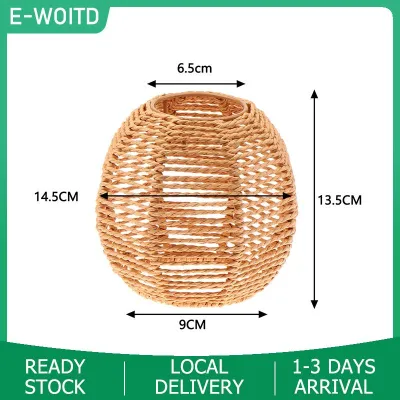
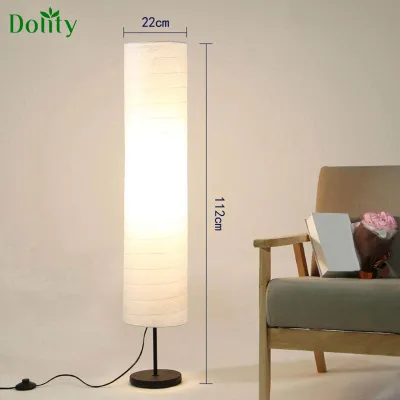
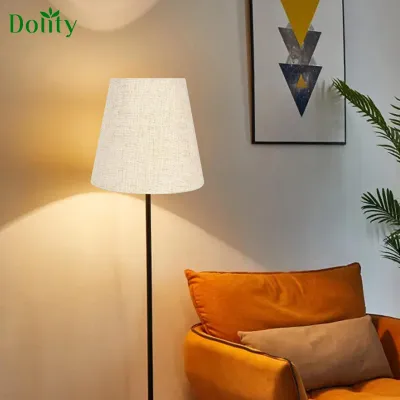
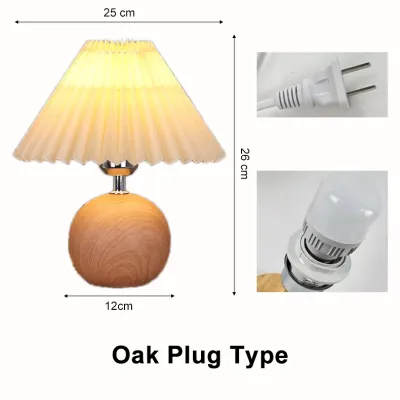
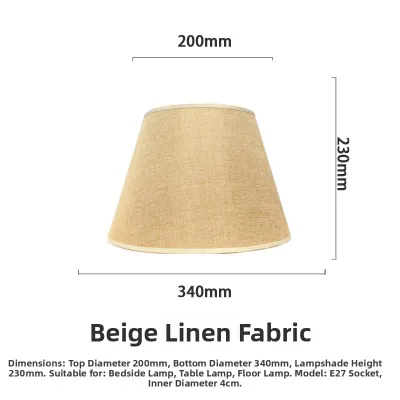
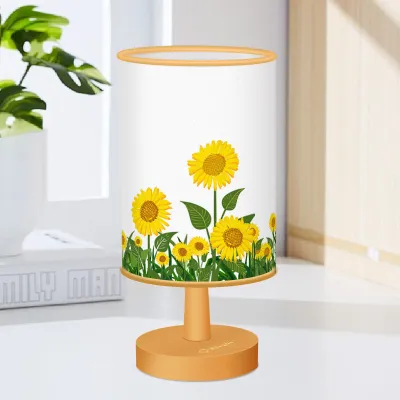
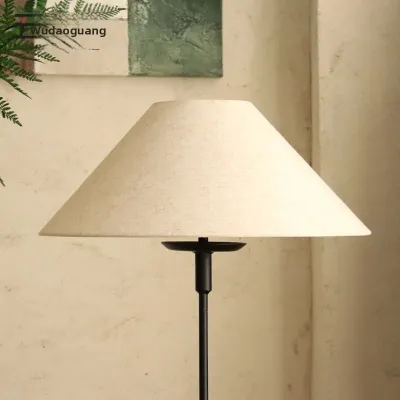
Prices are valid at publication and may change. Please refer to the product page for the latest price.
Electrical safety is paramount whenever you handle a lighting fixture. Always turn off the lamp switch, then completely unplug the power cord from the wall outlet. Never attempt to measure, clean, or dismantle a lamp while it is connected to a live electrical source. If the lamp has been on recently, allow the lightbulb to cool completely to avoid accidental burns.
Once the lamp is unplugged and cool, carefully remove the existing lampshade. Unscrew any decorative finials, unscrew the socket ring, or gently slide the shade off the harp depending on your lamp’s construction. Place these loose parts in a secure spot so they do not roll away or break. You want to measure a completely bare lamp base, free of any accessories that could distort your physical measurements.
How to Measure Your Existing Lamp Base
To find a living room lampshade that looks balanced, you must first understand the exact physical dimensions of the base it will sit upon. Standard interior design proportions are calculated directly from these base dimensions, making accurate physical measurements the foundation of your selection process.

Measuring the Height
To determine the correct vertical scale, measure the height of the lamp base itself. Place the start of your measuring tape flat against the very bottom of the lamp base. Extend the tape straight up to the bottom of the lightbulb socket—this is the exact point where the metal casing of the socket meets the decorative body of the lamp base, or where the lightbulb actually screws in.
A common mistake is measuring all the way to the top of the socket, the top of the harp, or the tip of the finial. If you base your calculations on these higher points, your calculated shade height will be far too tall. A shade that is too tall will cover too much of the decorative lamp base and throw off the visual balance of the entire fixture, making it look clumsy and disproportionate.
Measuring the Base Width and Depth
Next, measure the physical footprint of your lamp base to determine its visual weight. For a standard round base, simply measure the diameter at its widest point. If your lamp base is square, rectangular, oval, or highly asymmetrical, you must measure both the maximum width and the maximum depth to understand its full volume.
These horizontal dimensions are critical because they dictate how wide the bottom of your new lampshade must be. A wide, heavy ceramic or wooden base requires a wider shade to visually anchor the fixture. Conversely, a thin, delicate metal candlestick lamp requires a narrower shade so the overall look remains light and elegant. Recording both width and depth ensures your new shade will not look bottom-heavy or appear to swallow a slender base.
Sizing Rules for the Perfect Lampshade Proportions
Once you have recorded the physical dimensions of your lamp base, you can apply standard interior design proportion rules. These guidelines help translate raw measurements into the ideal height and width for your replacement living room lampshade.
The Height Rule
The golden rule for lampshade height is that the shade should be approximately two-thirds the height of the lamp base. To calculate this, multiply your base height measurement (from the bottom to the socket) by 0.67. For example, if your living room lamp base measures 30 centimeters from the table to the bottom of the socket, your ideal shade height should be roughly 20 centimeters.
Deviating too far from this two-thirds ratio can create significant visual and functional issues. A shade that is too tall makes the entire assembly look top-heavy, making it visually distracting and physically easier to tip over. On the other hand, a shade that is too short fails to cover the mechanical hardware, leaving the socket, harp, and neck exposed to view, which ruins the clean, finished look of your living room decor.
The Width Rule
For the horizontal proportions, the bottom width (or diameter) of the lampshade should be roughly equal to the total height of the lamp base. If your lamp base is 30 centimeters tall, look for a shade with a bottom diameter of approximately 30 centimeters. At a minimum, the bottom of the shade should be at least 5 to 10 centimeters wider than the widest part of the lamp base itself.
Compare your base width and depth measurements against the bottom diameter of any prospective shade. The shade must be wide enough to fully cover the base’s footprint when viewed from a standard seated or standing position in your living room. This ensures that the light cast downward is distributed evenly around the base, creating a warm, inviting glow rather than casting harsh shadows directly onto the lamp’s body.
How to Match the Lampshade Fitter to Your Lamp
Even if you find a shade with the perfect visual proportions, it will not work if it cannot physically attach to your lamp. The fitter is the inner metal structure of the shade that connects it to the lamp base. You must identify which of the three common fitter types your existing lamp uses before making a purchase.
- Spider Fitter: This is the most common fitter type for medium to large living room lamps. It features metal spokes that meet in a small central ring. This ring rests on top of a metal wire support called a harp, which rises up from beneath the socket. A decorative nut called a finial screws onto the top of the harp to lock the shade in place. If your lamp has a harp, measure its height from the saddle (the bracket below the socket) to the top threaded post, as you may need to buy a matching harp size if you change shade heights.
- Uno Fitter: Common on smaller table lamps, bedside lamps, or imported European fixtures, the Uno fitter features a larger central ring that threads directly onto the lightbulb socket. This ring is held in place by a threaded socket collar. When choosing an Uno shade, you must verify the exact diameter of your socket (such as standard E27 sockets widely used in the Philippines, which typically require a 4-centimeter inner diameter ring) to ensure the fitter slides over and locks securely.
- Clip-On Fitter: Designed for small, lightweight accent shades, this fitter features wire loops that clip directly onto the glass bulb itself. While highly convenient because they require no extra hardware, clip-on fitters are generally reserved for smaller shades and specific bulb shapes, such as flame or torpedo-shaped chandelier bulbs. They are not recommended for heavy or large living room shades, as the weight can stress the bulb socket or cause the shade to sit crookedly.
Always read the product specifications of any new living room lampshade carefully. Manufacturers will explicitly state the fitter type, diameter, and whether a harp or socket ring is included. Verifying these details beforehand prevents the frustration of receiving a beautiful shade that cannot be mounted.
Final Safety Checks: Bulb Clearance and Wattage
Before installing your new shade, you must address essential electrical and heat safety parameters. Every lamp has physical limitations designed to prevent heat buildup and fire hazards, which is especially critical in the warm, humid climate of the Philippines.
First, locate the safety label on your lamp’s socket or base to identify the maximum wattage limit. This label indicates the highest wattage bulb the internal wiring and socket can safely handle without overheating. Your new shade must allow for adequate physical clearance—typically at least 5 to 7 centimeters of space between the bulb and the inner fabric or paper lining of the shade. This clearance allows heat to rise and escape through the top of the shade.
Using modern LED bulbs is highly recommended for living room lamps. LEDs generate significantly less heat than traditional incandescent or halogen bulbs, drastically reducing the risk of heat damage, fabric scorching, or fire. Additionally, ensure the lamp operates on the standard local voltage (220V in the Philippines) and that all components carry appropriate safety certifications, such as the Philippine Standard (PS) mark or Import Commodity Clearance (ICC) sticker.
Strict Safety Warning: Inspect the lamp’s power cord and socket before assembly. If you notice frayed wiring, cracked insulation, or if the plastic socket shows signs of melting, discoloration, or heat damage, do not attach a new shade or plug the lamp in. Stop immediately and consult a qualified electrician to repair or re-wire the fixture to prevent short circuits or electrical fires.
Frequently Asked Questions (FAQ)
Can I use a drum shade on a lamp with a harp?
Yes, you can use a modern drum shade on a lamp with a harp, provided the drum shade is equipped with a spider fitter. Before purchasing, verify that the inner drop (the distance from the top rim of the shade to the spider ring) matches your harp height. If the drop is too shallow, the shade will sit too high and expose the socket; if it is too deep, you may need to buy a shorter harp to lower the shade to the correct position.
What if my lamp base is unusually shaped or asymmetrical?
If your living room lamp has an unusual, sculptural, or asymmetrical base, measure the absolute widest and tallest points of the base to use as your reference. Prioritize the width rule to ensure the bottom opening of the shade is wide enough to visually balance the widest point of the base. For highly irregular shapes, consider shades with adjustable fitters or consult a local lighting specialist to find a custom shape, like an oval or rectangular shade, that mirrors the base’s unique footprint.

Community discussion
Share your experience or ask a question. Comments are reviewed before publication.