
Finding the perfect hanging lampshade requires more than just selecting an appealing design. To ensure a secure fit, balanced proportions, and safe operation, you must accurately measure your existing light fixture, identify the correct fitter type, and calculate the ideal dimensions for your space. A mismatched lampshade can result in exposed bulbs, unstable mounting, or even safety hazards from trapped heat. By following a systematic measurement and selection process, you can confidently choose a shade that enhances both the utility and safety of your lighting.
Whether you are updating an old pendant light in a humid dining area or customizing a new fixture for a high-ceilinged living room, taking precise physical measurements is your starting point. This guide walks you through every step of the process, from assessing your current electrical hardware to making final, level adjustments during installation.
Step 1: Measure Your Existing Light Fixture and Bulb
Before browsing for a new hanging lampshade, you must document the exact physical specifications of your current fixture. Start by measuring the outer diameter of the light socket or collar where the shade will attach. In the Philippines, standard screw-base sockets like E27 are highly common, but utility sizes can vary. Use a precise measuring tape or a caliper to record the diameter in millimeters or inches, as even a minor discrepancy can prevent the shade from seating securely on the socket.
Products mentioned in this guide
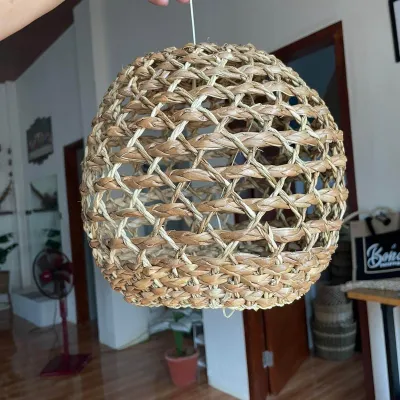
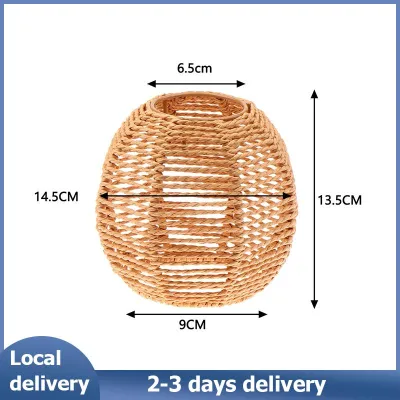
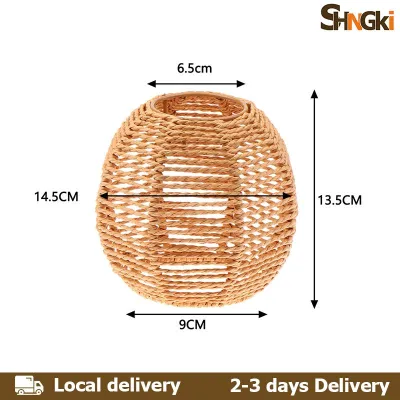
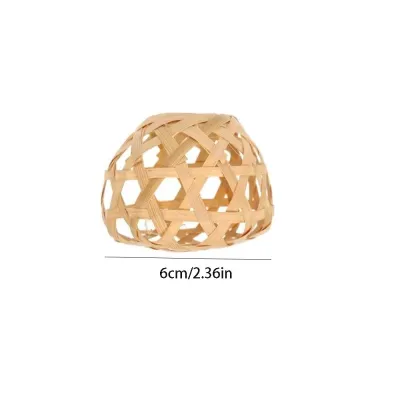
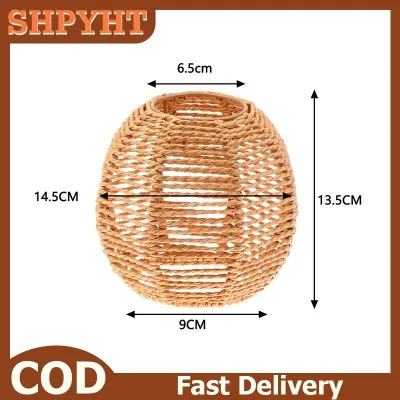
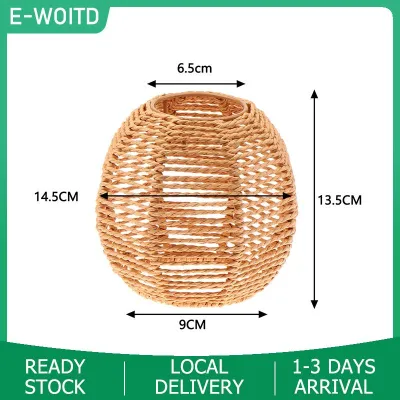
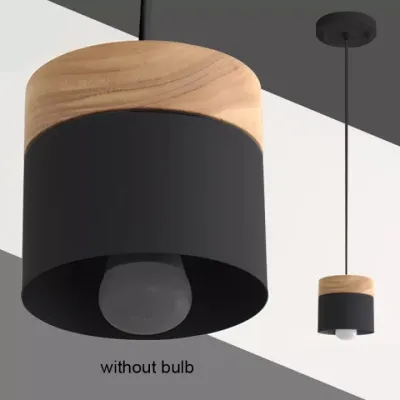
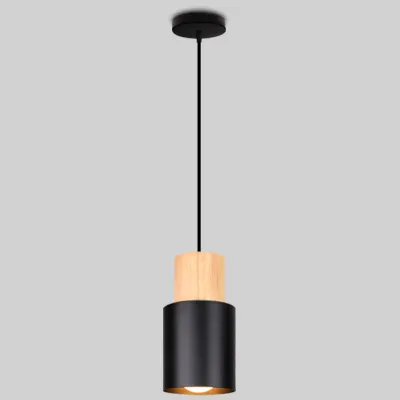
Prices are valid at publication and may change. Please refer to the product page for the latest price.
Next, measure the maximum width and height of the light bulb you intend to use. The bulb must fit entirely within the interior cavity of the new shade without touching the sides or protruding from the bottom. If you use specialty bulbs, such as large globe LEDs or elongated Edison-style bulbs, their non-standard dimensions will dictate the minimum height and width of the shade you can safely install.
Finally, examine the hardware above the socket. Measure the diameter of the pendant cord, metal chain, or suspension rod. The top opening or fitter of the lampshade must be large enough to slide over this hardware during assembly, yet small enough to rest securely on the socket collar or shade ring. If your fixture features a heavy-duty suspension chain, note how the weight of the shade will be supported to ensure the cord itself does not bear the physical load.
Step 2: Determine the Ideal Lampshade Dimensions
Achieving visual balance requires matching the scale of your hanging lampshade to both the fixture and the surrounding room. As a general rule for width, a pendant lampshade should be wide enough to fully shield the bulb from direct eye contact at normal viewing angles, while remaining proportional to any furniture directly below it. For instance, if the shade hangs over a dining table or a kitchen island, the shade’s diameter should typically be at least 30 centimeters narrower than the width of the table to prevent accidental bumps.

For height proportions, the shade must be tall enough to cover the entire bulb and the socket assembly, preventing unsightly hardware from showing from the side. However, a shade that is too tall can look visually heavy and restrict the downward spread of light. Consider the height of your ceilings; spaces with high ceilings can accommodate taller, more dramatic drum or conical shades, whereas rooms with lower ceilings benefit from shallower, wider designs that keep the light source elevated.
Because spatial effects and visual weight are highly subjective and depend on your specific room layout, do not rely solely on mental calculations. Create a simple physical mockup by cutting a piece of cardboard or stiff paper to your proposed shade dimensions. Tape this temporary template to your existing pendant cord and observe it from various seating and standing positions in the room. This hands-on check helps you verify that the scale feels balanced before you commit to a purchase.
Step 3: Check the Fitting Type and Compatibility
Lampshades attach to fixtures using specific physical interfaces, known as fitters. To avoid installation failure, you must identify which system your current fixture uses. The most common types include:
- Euro or Utility Fitters: These feature a large central ring that slides directly over the socket and is secured in place by a threaded shade collar. This is the standard setup for most modern pendant cords.
- Uno Fitters: These have a built-in threaded ring that screws directly onto the socket shell. They are typically designed for downward-pointing bulbs common in pendant lights.
- Spider Fitters: These utilize a central washer supported by multiple metal spokes (spiders). They require a separate metal support frame, known as a harp, which is less common for hanging fixtures but occasionally found on specialized pendant designs.
Once you identify your fixture’s system, verify that the inner diameter of the lampshade’s fitter ring matches the outer diameter of your socket. A standard Euro fitter typically has an opening of approximately 40 millimeters, while smaller utility sockets may measure around 28 millimeters.
If you find a shade you love but the fitter is too large for your socket, you do not necessarily have to abandon it. You can often bridge minor size differences using a plastic or metal reducer ring. These inexpensive adapters snap into a larger Euro-style fitter to reduce its inner diameter, allowing it to sit snugly on a smaller socket. Always ensure any adapter used is rated for the operating temperature of your fixture.
Step 4: Evaluate Material, Heat, and Safety Limits
Safety must be your primary concern when pairing a lampshade with a light fixture. Every electrical fixture has a maximum wattage limit, which is typically printed on a label near the socket. You must ensure that the bulb you use does not exceed this wattage, and that the lampshade material can safely withstand the heat generated by the bulb. While modern LED bulbs emit significantly less heat than traditional incandescent bulbs, heat buildup can still occur in enclosed or narrow shades.
In tropical environments with high ambient temperatures and humidity, heat dissipation is particularly critical. Ensure there is a safety clearance of at least 5 to 8 centimeters between the outer surface of the bulb and the inner walls of the lampshade. If you are using non-LED bulbs, such as compact fluorescent (CFL) or incandescent options, increase this clearance to prevent the shade material from scorching, discoloring, or posing a fire hazard.
Before installing any shade, inspect the condition of its inner lining and structural frame. Many fabric shades feature a plastic or vinyl inner backing designed to direct light downward. Over time, exposure to heat and humidity can cause cheap or aging plastic backings to become brittle, crack, or turn yellow. If you notice any signs of degradation, warping, or rust on the metal frame, replace the shade to maintain a safe operating environment.
Step 5: Installation and Final Adjustments
Before beginning any installation or handling exposed electrical components, you must isolate the power. Go to your home’s main electrical panel or circuit breaker and switch off the breaker dedicated to the lighting circuit you are working on. Do not rely solely on the wall switch, as it may not fully isolate the fixture from live current. If you must work at a height, ensure you use a stable, slip-resistant ladder and have an assistant nearby to secure it.
Once the power is safely isolated, carefully remove the existing bulb and any old shade hardware. Slide the new lampshade’s fitter over the socket or suspension hardware. Secure it firmly using the appropriate threaded shade ring, collar, or finial. Avoid over-tightening plastic threaded rings, as excessive force can strip the threads or crack the socket housing.
After securing the shade, reinstall the bulb and step back to perform a visual check. Verify that the shade hangs perfectly level and does not tilt to one side. If the shade is uneven, gently adjust the fitter spokes or check if the pendant cord is twisted. Turn the power back on at the circuit breaker and switch on the light to ensure even light distribution and to confirm that no shadows or hot spots are cast on nearby surfaces.
If your installation requires structural changes, such as replacing a damaged ceiling junction box, shortening a metal suspension chain, or running new fixed wiring, stop immediately. These tasks carry significant electrical and physical risks. Under these conditions, you must consult a qualified professional or licensed electrician to complete the installation safely and in compliance with local electrical standards.
Frequently Asked Questions (FAQ)
Can I use a hanging lampshade on a flush mount ceiling light?
Generally, standard hanging lampshades are not compatible with flush mount ceiling lights. Flush mount fixtures are designed to sit directly against the ceiling surface and typically use specialized glass or acrylic covers that twist or clip into the fixture base. Hanging lampshades require a suspension cord, chain, or rod to hang freely, as well as a specific collar or fitter ring to support their weight. Attempting to force a hanging shade onto a flush mount fixture can block ventilation, trap excessive heat, and damage the ceiling or the fixture itself.
What should I do if the lampshade fitter is slightly too large for my socket?
If your new lampshade has a fitter ring that is slightly too large for your light socket, you can resolve the issue safely by using a compatible reducer ring. These small, heat-resistant plastic or metal adapters snap directly into the larger fitter opening (such as a 40mm Euro fitter), reducing the inner diameter to match smaller socket sizes (such as a 28mm utility socket). Always verify that the reducer ring is made of a durable, flame-retardant material and fits tightly within the shade’s metal ring before mounting the assembly onto your fixture.
How do I clean a fabric hanging lampshade without damaging it?
To clean a fabric hanging lampshade safely, start by turning off the light and allowing the bulb to cool completely. Use a clean, dry microfiber cloth or a soft-bristled clothes brush to gently sweep away loose dust from the exterior and interior surfaces, working from top to bottom. For delicate fabrics, a sticky lint roller can also effectively remove dust without applying moisture. Avoid using wet cloths, harsh chemical cleaners, or liquid sprays, as moisture can dissolve the adhesive holding the fabric to the inner plastic backing, cause water stains, or promote mold growth in humid climates.

Community discussion
Share your experience or ask a question. Comments are reviewed before publication.