
Upgrading to a rattan lamp shade brings a warm, tropical texture to your living space, but achieving a seamless look requires careful planning. A mismatch in measurements can leave your lamp looking unbalanced or, worse, expose unsightly electrical hardware. To find the right fit, you must identify your lamp’s existing attachment mechanism, measure the physical dimensions of the base, and verify that the lamp can safely support the weight and heat profile of woven natural fibers.
Taking these steps before purchasing ensures your new shade sits securely and functions safely. In tropical climates like the Philippines, where high humidity and ambient temperatures are common, selecting the correct shade dimensions also promotes proper airflow around the light bulb. Let us walk through the exact steps to measure your lamp and match it with the ideal rattan shade.
Identify Your Lamp's Fitter Type
Before looking at shade designs, you must determine how the shade connects to your lamp. The attachment mechanism, known as the fitter, is built into the shade’s inner wire frame. If you choose a shade with an incompatible fitter, you will not be able to mount it without purchasing additional hardware or adapters.
Products mentioned in this guide


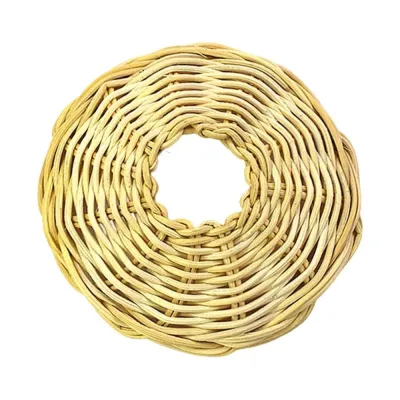
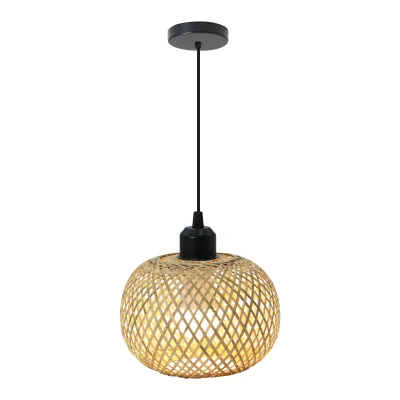
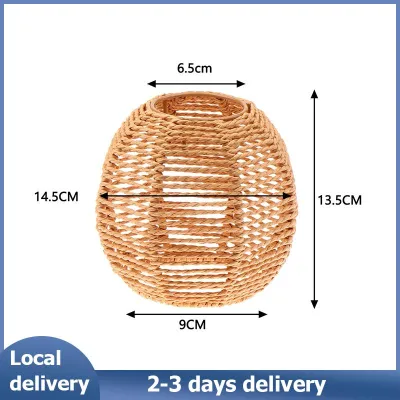
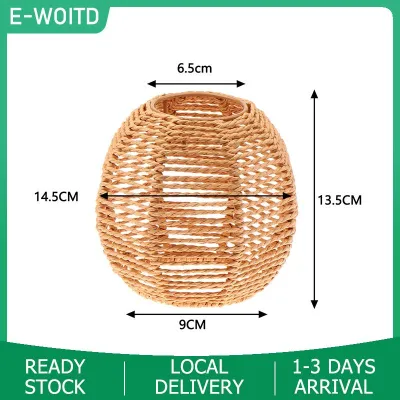
Prices are valid at publication and may change. Please refer to the product page for the latest price.
The most common style is the spider fitter, which is designed for lamps that use a metal wire support called a harp. The harp rises from below the socket and arches over the bulb, ending in a threaded post. A spider fitter features a small central ring with metal spokes that rest on top of this harp, secured in place by a decorative screw-on cap called a finial.
Another frequent style is the Uno fitter, which is highly common on smaller table lamps and bedside lights. A Uno fitter features a larger central ring that threads directly onto the lamp socket itself, holding the shade in place without a separate harp. These are typically installed before you screw in the light bulb.
For small accent lamps or reading lights, you may encounter a clip-on fitter. This mechanism uses wire loops that squeeze directly onto the glass of a standard-shaped light bulb. While highly convenient, clip-on fitters are generally only suitable for very lightweight shades.
To ensure a precise match, measure the inner diameter of your current fitter ring using a standard ruler or tape measure. Standard sizes can vary between manufacturers and regions, so recording this measurement is crucial. If your lamp’s socket or harp appears modified, non-standard, or physically damaged, stop immediately and consult the manufacturer’s manual or a qualified professional before proceeding.
Take the Essential Lamp Base Measurements
Achieving visual balance between your lamp base and a new rattan shade requires a few quick calculations. A shade that is too small will make the lamp look top-heavy, while an oversized shade can overwhelm the table and make the entire assembly unstable.

Start by measuring the total height of the lamp base. Place your measuring tape at the very bottom of the lamp’s weighted base and extend it vertically to the bottom of the electrical socket. Do not include the socket itself or the light bulb in this measurement. Write this number down as your base height.
Next, measure the width of the lamp base at its widest point. For round bases, this is the diameter; for square or rectangular bases, measure the widest side. To maintain proper visual proportions, the bottom diameter of your new rattan lamp shade should always be wider than the widest part of the lamp base.
If your lamp uses a spider fitter, measure the height of the harp. Measure from the bottom bracket where the harp attaches to the lamp, up to the top of the threaded post where the finial sits. This measurement helps you determine the maximum shade height that will successfully conceal the internal metal hardware.
To find the ideal shade proportions, apply standard lighting design guidelines. Ideally, the height of your lamp shade should be approximately one-third of the total height of the entire lamp (base plus shade). Additionally, the bottom width of the shade should be at least two inches wider than the base on each side to ensure a balanced silhouette.
When working with rattan, you may want to adjust these guidelines slightly. Woven natural materials have more visual bulk and texture than smooth fabric shades. A highly textured, bulbous rattan shade can appear larger than a paper shade of the same dimensions, so staying closer to the conservative end of these proportions often yields a pleasing aesthetic.
Verify Weight and Heat Limits for Rattan
Rattan is a beautiful, natural material, but it requires specific safety considerations that differ from standard fabric or plastic shades. Because woven rattan is heavier and more sensitive to heat, you must verify your lamp’s physical and electrical limits before installation.
First, inspect the lamp’s socket label to find the maximum recommended wattage. Natural fibers like rattan can scorch or degrade if exposed to excessive heat over long periods. Ensure your planned light bulb does not exceed this wattage limit, and always maintain adequate clearance between the bulb and the inner walls of the shade.
Next, assess the physical stability of your lamp base. Rattan shades are often heavier and bulkier than their paper or fabric counterparts, which can shift the lamp’s center of gravity upward. If your lamp base is lightweight, narrow, or made of delicate materials, a heavy woven shade could make it prone to tipping over, especially if placed near high-traffic areas or under a ceiling fan.
If you have a delicate or lightweight lamp base, review the manufacturer’s specifications for maximum shade weight limits. If the base cannot support a heavy shade, look for open-weave rattan designs that use thinner fibers to keep the overall weight minimal.
To minimize heat output and protect the natural fibers, plan to use LED bulbs. LEDs run significantly cooler than traditional incandescent bulbs, reducing the risk of heat damage. However, you must still verify the physical size of the LED bulb to ensure it fits comfortably inside the shade without touching the woven rattan walls.
Match Your Data to a Rattan Lamp Shade
With your measurements and fitter type recorded, you are ready to select your new rattan lamp shade. When browsing online marketplaces or local home decor shops, compare your recorded specifications directly against the product listings.
Verify that the shade’s fitter type matches your lamp’s hardware exactly. Check the listed top diameter, bottom diameter, and vertical height of the shade to ensure they align with the proportions you calculated. Pay close attention to the shade’s listed weight to confirm your lamp base can support it safely.
Because shipping bulky items can be costly, review the retailer’s return policy before finalizing your purchase. In the Philippines, return shipping fees for large or fragile items like rattan shades can easily cost ₱150 or more if the shade does not fit your lamp upon delivery. Checking these terms beforehand protects you from unexpected expenses.
Finally, verify what hardware is included with the shade. Some rattan shades are sold as standalone covers, while others include a matching harp, a Uno adapter, or a collar ring. If the shade does not come with the necessary mounting hardware, make sure to purchase the compatible adapters or harps separately to complete your installation.
Frequently Asked Questions (FAQ)
Can I use a spider fitter shade on a lamp with a Uno socket?
A spider fitter shade cannot be directly attached to a Uno socket because the mounting mechanisms are completely different. To bridge this gap, you will need to purchase a Uno-to-harp adapter, which attaches to the socket and provides a metal frame to support the spider fitter. Alternatively, you would need to replace the socket entirely. For any electrical modifications or socket replacements, always isolate the power and consult a qualified professional to ensure a safe installation.
Do rattan lamp shades require a specific bulb type?
While rattan shades do not require a proprietary bulb, they perform best and safest with low-heat options like LED bulbs. Always check your lamp’s maximum wattage label and avoid high-wattage incandescent bulbs that generate excessive heat, which can dry out or scorch natural fibers. Additionally, verify that the bulb’s physical shape and size allow for at least a few inches of clearance from the inner walls of the rattan shade to prevent fire hazards and ensure an even light pattern.

Community discussion
Share your experience or ask a question. Comments are reviewed before publication.