
To pair a rattan lampshade with your existing lamp base successfully, you must measure three critical dimensions: the total height of the lamp base, the widest diameter of the base, and the height of the harp hardware. Because natural woven rattan has a distinct visual weight and density compared to standard fabric or paper, getting these measurements right ensures your lamp remains physically stable and visually balanced. In the tropical climate of the Philippines, where high humidity and warm temperatures are constant, proper sizing also guarantees adequate airflow around the bulb, protecting the natural fibers from heat buildup.
Replacing a worn-out shade with a textured, tropical-style rattan lampshade can instantly elevate your living space, but a mismatch in dimensions or fitter types can lead to an unstable lamp or a fire hazard. By taking a few precise measurements with a standard tape measure, you can confidently select a replacement shade that fits securely onto your lamp’s socket and complements its structural design.
Identify the Correct Fitter Type for Your Lamp
Before purchasing a rattan lampshade, you must identify how the shade attaches to your lamp base. The hardware that connects the shade to the lamp is called the fitter, and using the wrong type will make installation impossible. The three most common fitter types are spider, uno, and clip-on fitters.
Products mentioned in this guide

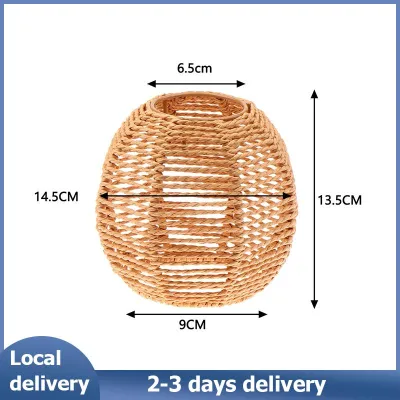
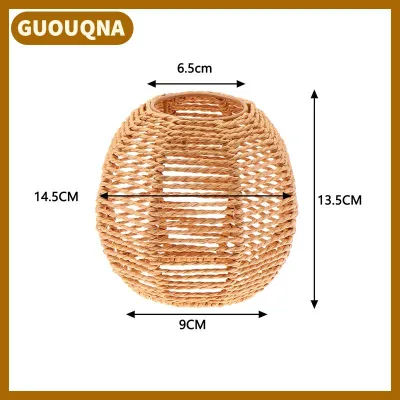
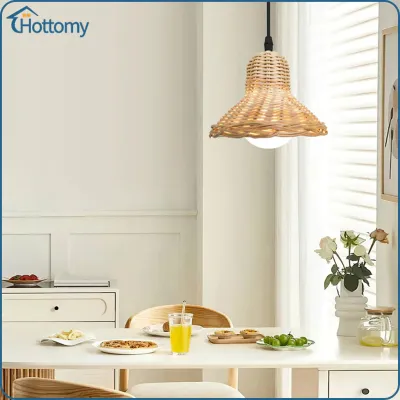
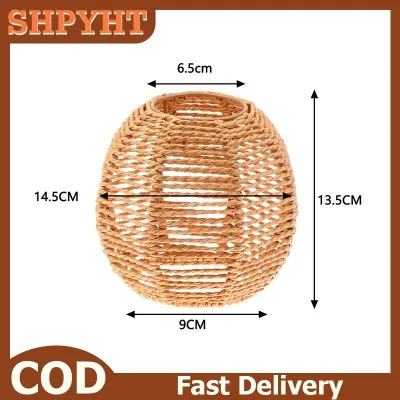
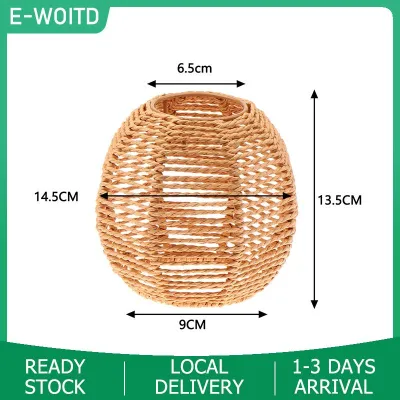
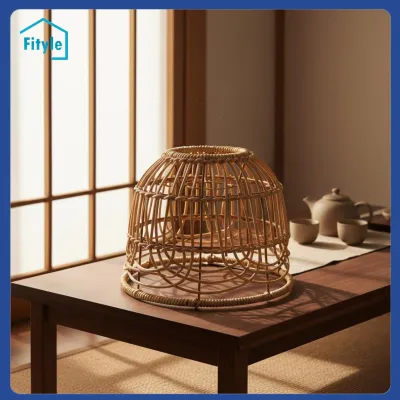
Prices are valid at publication and may change. Please refer to the product page for the latest price.
A spider fitter is the most common style for table and floor lamps. It features a metal ring with spokes that rest on top of a metal wire support called a harp. The harp rises from a saddle beneath the light socket and is secured at the top with a decorative screw-on cap called a finial. If your lamp base already has a harp and saddle installed, you will need a rattan lampshade with a built-in spider fitter.
An uno fitter, by contrast, does not use a harp. Instead, the fitter ring is designed to thread directly onto the socket itself. This style is highly common on bedside lamps, down-bridge floor lamps, or smaller accent lights. If your lamp base features a threaded socket, look for an uno-fitter rattan shade.
Clip-on fitters attach directly to the light bulb itself using wire loops. These are typically reserved for very small accent lamps or chandeliers. Because rattan is a heavier, more substantial material than paper or silk, clip-on fitters are less common for large rattan shades, as the weight can easily tilt or damage the bulb.
If your lamp base has a non-standard or older setup, you may need to purchase an adapter or a new harp. For instance, if you have a slip-uno socket but want to use a spider-fitter shade, a saddle-and-harp adapter can be installed beneath the socket. Always verify your socket’s interface and dimensions before buying any hardware adapters to ensure a secure, wobble-free connection.
Measure Your Lamp Base and Hardware Dimensions
To find a rattan lampshade that looks proportionate and functions safely, you need to gather the exact physical dimensions of your lamp base and its existing hardware. Set your lamp on a flat, stable surface and unplug it from the wall outlet before you begin measuring.

First, measure the total height of the lamp base. Place your measuring tape at the very bottom of the base and extend it vertically to the top of the electrical socket (or to the top of the harp if your lamp uses a spider fitter). This measurement serves as the foundation for calculating the ideal height of your new shade.
Second, record the width or diameter of the lamp base at its widest and most visually prominent point. For a round or square base, measure straight across the widest section. If your lamp has an organic, flared, or sculptural shape, identify the absolute widest point, as this dimension dictates how wide the bottom of your rattan lampshade should be to maintain visual equilibrium.
Third, if your lamp uses a spider fitter, measure the height of the current harp. Measure from the bottom of the saddle (where the harp prongs sit next to the socket) to the top of the flat metal post where the finial screws on. The harp height is crucial because it dictates the internal clearance of the shade. If you choose a rattan shade with a drop that is too deep for your harp, the shade will sit too low, potentially exposing the socket or crowding the bulb. If you need to adjust this, you can budget a few pesos (₱) to purchase a replacement harp of a different height.
Calculate the Ideal Dimensions for Your Rattan Shade
Once you have recorded your lamp base dimensions, you can calculate the target height and width for your replacement rattan lampshade. While standard design guidelines offer a helpful starting point, you must adjust these rules to account for the unique visual weight, texture, and density of woven natural fibers.
As a general rule of thumb, the bottom diameter of your lampshade should be roughly equal to the height of the lamp base (measured from the bottom of the base to the top of the socket). Additionally, the width of the shade should be approximately two to three times the width of the widest part of the base. For example, if your lamp base is 15 centimeters wide, look for a rattan shade with a bottom diameter between 30 and 45 centimeters.
The height of the lampshade should be approximately two-thirds the height of the lamp base. However, because rattan is a highly textured, opaque, or semi-opaque material, a shade that is too large can make the lamp look top-heavy. If your lamp base is slender or made of delicate glass, lean toward the smaller end of the calculated range to keep the woven texture from overpowering the base.
Safety is just as important as aesthetics. You must ensure the bottom opening of the rattan shade provides adequate clearance for the bulb and socket. Natural fibers like rattan can dry out, scorch, or become brittle if exposed to excessive heat over time. Ensure there is at least 5 to 8 centimeters of space between the light bulb and the inner walls of the rattan shade to allow heat to dissipate.
Finally, verify that the top opening of the shade allows sufficient airflow. A tight, enclosed top can trap hot air inside the shade, which is especially problematic in warm, tropical climates. A wider top opening promotes natural convection, drawing cool air in from the bottom and venting warm air out through the top, keeping both the bulb and the rattan fibers at a safe temperature.
Check Weight Capacity and Bulb Heat Safety
Rattan lampshades are naturally heavier than their fabric, paper, or plastic counterparts due to the density of the woven wood and the internal metal framing required to hold their shape. Before finalizing your purchase, you must confirm that your lamp structure can safely support this added weight.
Examine the sturdiness of your lamp base and the thickness of the harp. A lightweight plastic or thin ceramic base may become unstable or tip over easily when paired with a heavy, top-heavy rattan shade. If you notice any signs of structural weakness, tilting, or wobbling, you may need to add weight to the bottom of the lamp base or consult a lighting professional to reinforce the structure. Ensure all screws and collars at the neck of the lamp are tightened securely.
Electrical safety is paramount when working with natural materials. Check the lamp socket’s maximum wattage rating, which is typically printed on a label near the socket interface. Because rattan is flammable and susceptible to heat damage, avoid high-wattage incandescent bulbs. Instead, select low-heat LED bulbs. LED bulbs convert energy much more efficiently, producing minimal heat while delivering bright, clear light.
When choosing your bulb, verify that its base matches your socket interface (such as E27, which is standard in the Philippines) and that its voltage rating is compatible with your local 220V electrical supply. If you plan to use a dimming method to adjust the ambiance of your room, ensure both the LED bulb and your lamp’s switch are certified as dimmable. Using incompatible components can cause flickering, buzzing, or premature bulb failure.
Install the Shade and Verify the Final Fit
With your measurements verified and your new rattan lampshade in hand, you are ready to perform the physical installation. Taking a methodical approach ensures that the shade sits securely and that the electrical components remain undamaged.
First, isolate the power. Unplug the lamp from the wall outlet and allow the existing bulb to cool completely before touching any hardware. Never attempt to replace a lampshade while the lamp is plugged in or turned on, as this poses an electrical shock hazard.
Remove the old shade by unscrewing the finial (for spider fitters) or unscrewing the socket collar (for uno fitters). Carefully lift the old shade off the lamp. Inspect the socket and harp for any signs of wear, corrosion, or loose wiring. If you are installing a new harp, squeeze the sides of the harp together to release it from the saddle, then slide the new harp into place.
Position your new rattan lampshade onto the lamp. For a spider fitter, lower the shade’s central ring onto the top of the harp, ensuring it sits flush and level. Screw the finial back onto the threaded post of the harp, tightening it firmly but without forcing it, which could strip the threads or bend the metal frame. For an uno fitter, place the fitter ring over the socket and secure it by screwing the socket collar back into place.
Once secured, perform a visual and physical stability check. Step back a few paces and view the lamp from multiple angles to ensure the shade is perfectly level and does not expose the socket or internal hardware awkwardly. Gently tap the side of the shade to check for wobbling. If the fit is loose, add a shade ring or adjust the harp height until the entire assembly feels solid and secure.
Frequently Asked Questions (FAQ)
Is it safe to use a rattan lampshade in high-humidity rooms?
Natural rattan is highly sensitive to moisture, making high-humidity environments like bathrooms, kitchens, or uncovered outdoor patios risky areas for installation. In the tropical climate of the Philippines, excessive moisture absorption can cause the natural fibers to warp, weaken, or develop mold and mildew over time. If you wish to use a rattan lampshade in a semi-outdoor space, such as a covered veranda or lanai, ensure it is rated for damp environments and check the manufacturer’s care instructions. Keep the area well-ventilated, and inspect the shade regularly for any signs of dampness or discoloration.
How should I clean dust from a woven rattan shade?
Because of its textured, porous surface, a woven rattan lampshade can easily accumulate dust in its crevices. To clean it safely without damaging the fibers, use a soft-bristled brush, a dry microfiber cloth, or a vacuum cleaner equipped with a soft brush attachment on low suction. Gently sweep along the direction of the weave to dislodge dust. Never use liquid cleaners, harsh chemical sprays, or excessive water, as moisture can penetrate the porous rattan, causing staining, warping, or structural weakening. If a spot requires deeper cleaning, use a barely damp cloth and dry the area immediately with a fan.

Community discussion
Share your experience or ask a question. Comments are reviewed before publication.