
Finding the perfect replacement lampshade requires more than matching a color scheme or choosing an attractive fabric. To ensure a secure, safe, and visually balanced fit, you must accurately measure the dimensions of your existing shade, identify the specific mounting hardware, and assess the proportions of your lamp base. A mismatch can result in a shade that sits crookedly, exposes unsightly hardware, or poses a serious electrical safety hazard due to trapped heat.
In the Philippines, where high ambient humidity and warm tropical temperatures are common, selecting the correct shade size is also a matter of safety and durability. Trapped heat from an improperly sized shade can degrade materials quickly or cause socket components to fail prematurely. By taking a few precise measurements, you can confidently shop for a replacement shade that looks professionally styled and operates safely.
Identify Your Lampshade Fitting Type First
Before pulling out your measuring tape, you must determine how the shade physically attaches to your lamp. Lampshade fitters—the metal inner frames that connect the shade to the lamp base—are not universal. Purchasing a replacement shade with the wrong fitter type will make installation impossible without purchasing additional, sometimes hard-to-find adapter hardware.
Products mentioned in this guide
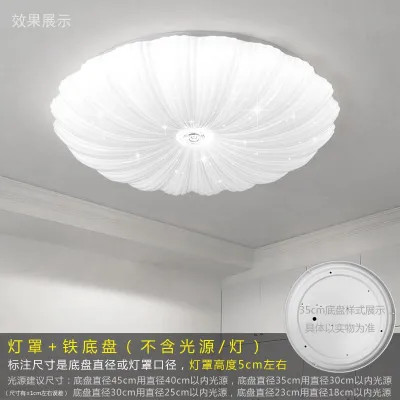
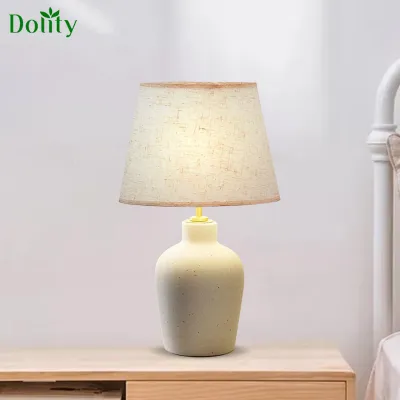
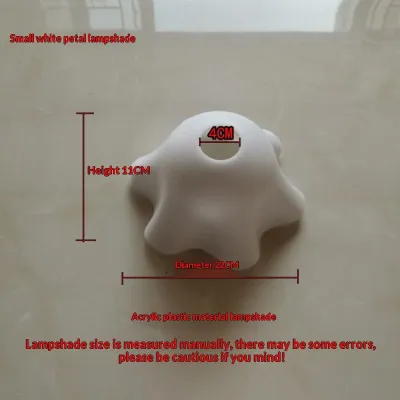
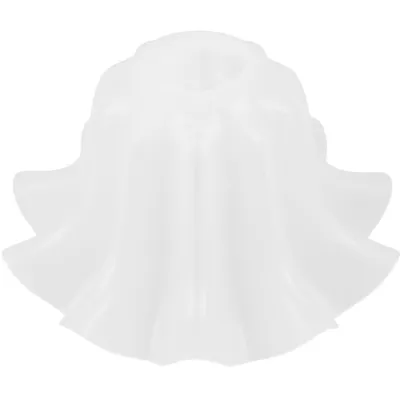
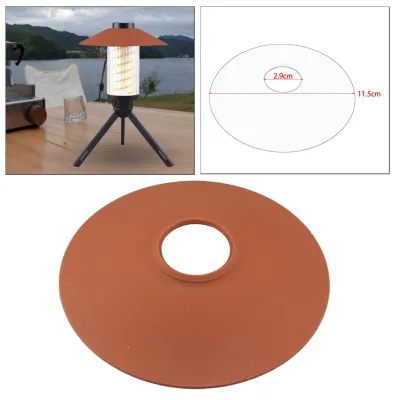
Prices are valid at publication and may change. Please refer to the product page for the latest price.
To identify your fitter, remove the existing shade and inspect the top of the lamp assembly. You will find one of three primary fitter configurations:
- Spider Fitters: This is the most common style for table and floor lamps. A spider fitter features a metal frame with spokes that meet at a small central ring. This ring sits atop a metal wire support structure called a harp, which is a U-shaped bracket that arches over the light bulb. The setup is secured at the very top with a decorative screw-on piece called a finial.
- Uno Fitters: Commonly found on smaller bedside lamps or downward-pointing reading lamps, Uno fitters do not use a harp. Instead, the shade features an integrated metal ring that threads directly onto the lamp socket itself. If you have a Uno fitter, you must measure the inner diameter of this ring—typically 1 5/16 inches (around 3.3 centimeters)—to ensure it will slide over your specific socket collar before it is screwed in place.
- Clip-On Fitters: Designed for small accent lamps, wall sconces, or chandeliers, these fitters feature wire loops that clip directly onto the glass bulb itself. They require no additional hardware on the lamp base, but they are generally limited to lightweight, compact shades to prevent the bulb from tipping or cracking under excess weight.
Before heading to the store or browsing online marketplaces, take a clear, well-lit photo of your lamp’s socket, bulb area, and the top of the current shade. Having these reference photos on your phone will help you instantly verify compatibility when comparing different replacement frames.
How to Measure Your Existing Lampshade Dimensions
To replicate the look of your current lamp or to make an intentional adjustment to its style, you need to record three critical dimensions. For the most accurate results, avoid using a rigid metal construction tape measure, which can bend awkwardly and scratch delicate fabrics. Instead, use a flexible tailor’s measuring tape that can easily hug the contours of curved or sloped shades.

Top, Bottom, and Slant Measurements
To get a complete picture of your shade’s size, measure and write down the following three dimensions in order:
- Top Diameter: Measure straight across the top opening of the shade, from one outer edge to the opposite outer edge. If your shade is square or rectangular, measure both the width and the depth of the top opening.
- Bottom Diameter: Measure straight across the bottom opening from edge to edge. This is the widest part of most traditional shades and is the dimension most retailers list first. For non-round shapes, measure both the bottom width and bottom depth.
- Slant Height: Place the end of your flexible measuring tape at the top rim of the shade and run it diagonally down the outer slope to the bottom rim. Do not measure straight down through the center of the shade.
Why Slant Height Matters More Than Vertical Height
When shopping for replacement shades, you will notice that manufacturers almost always specify the “slant height” rather than the vertical height. The slant height is the standard industry measurement because it directly dictates how the fabric or material drapes over the internal metal frame.
Measuring only the vertical height (straight up and down) can lead to purchasing a shade that is too short along the sides. A short slant height may fail to cover the bulb, socket, or harp assembly, leaving the functional hardware exposed and creating an unappealing, unfinished look. Additionally, the slant height determines how light is directed outward, making it crucial for maintaining the intended illumination pattern of your room.
Measure the Lamp Base and Harp for Visual Balance
If you do not have the original shade, or if you want to update the style of your lamp, you can use the dimensions of your lamp base to calculate the ideal replacement shade size. Achieving proper visual balance is a blend of design principles and physical constraints. A shade that is too small makes the lamp look bottom-heavy, while an oversized shade can make the entire assembly unstable and prone to tipping over.
To find a visually pleasing match, apply these standard design rules of thumb:
- The Two-Times Rule: The bottom diameter of your replacement shade should be roughly twice the width of the widest part of your lamp base. For example, if your ceramic lamp base is 7 inches wide at its midpoint, aim for a shade with a bottom diameter of approximately 14 inches.
- The One-Third Rule: The height of the lampshade should represent about one-third of the total height of the lamp, measured from the very bottom of the base to the top of the socket. The remaining two-thirds should consist of the exposed lamp base itself.
- The Hardware Coverage Rule: The shade must be wide enough to leave at least 2 to 3 inches of clearance around the bulb on all sides, and it must extend low enough to completely cover the socket and harp saddle without blocking the light switch.
If you find a replacement shade with a slant height that you love but it sits too high or too low on your lamp, you can easily adjust its position by changing the harp. The harp is the U-shaped metal wire that supports spider-fitter shades, and they are inexpensive and simple to swap out. To determine the correct harp size, measure your new shade’s slant height and subtract the desired drop (the distance the shade should hang below the top of the harp, usually about 1/2 inch to 1 inch). This calculation will give you the exact height of the replacement harp you need to purchase.
Verify Bulb Wattage and Safety Clearances
Before installing any new lampshade, you must address electrical safety and heat management. Table and floor lamps generate localized heat, which can build up rapidly inside a tightly enclosed shade. This is especially critical in tropical environments where high ambient temperatures and humidity can accelerate the degradation of adhesives, plastics, and fabrics.
Always isolate the power supply by unplugging the lamp from the wall outlet before removing the old shade, installing a new harp, or changing the light bulb. Working on a live fixture increases the risk of accidental electrical shock or short circuits. When replacing components, verify that the voltage rating of your bulb matches your home’s supply—which is typically 220V in the Philippines—and ensure the bulb base matches your socket interface (such as the standard E27 screw base or E14 chandelier base).
Next, inspect the lamp socket to locate the manufacturer’s label, which specifies the maximum allowable wattage (for example, “Max 60W”) and look for official electrical certification marks (such as the PS or ICC safety marks) to ensure the fixture complies with local safety standards. Never exceed this recommended wattage limit. If you install a high-wattage incandescent bulb inside a shade made of heat-sensitive materials like paper, silk, or thin plastics, the trapped heat can scorch the shade, melt the adhesive, or even start a fire.
To ensure adequate ventilation, maintain a minimum clearance of 2 to 3 inches between the outer surface of the light bulb and the inner walls of the lampshade. If you are upgrading to energy-efficient LED bulbs, your heat emission will be significantly lower, which reduces the risk of scorching. However, you must still adhere to the socket’s maximum wattage rating to protect the internal wiring and ensure long-term electrical safety. Additionally, ensure that your chosen bulb is compatible with your lamp’s dimming method—such as a rotary switch, touch sensor, or inline cord dimmer—to avoid flickering or premature bulb failure. While the perceived color temperature (such as warm yellow light versus cool daylight) and decorative style are subjective preferences that depend on your room’s aesthetic, physical compatibility and safety parameters are absolute.
Safety Warning: If during your inspection you notice that the lamp’s electrical cord is frayed, the socket is loose or cracked, or the switch feels hot to the touch, do not attempt to install a new shade. Stop immediately, keep the lamp unplugged, and consult a qualified electrician to repair or rewire the fixture safely.
Frequently Asked Questions (FAQ)
Can I use a spider shade on a lamp that currently has a Uno fitter?
You cannot directly mount a spider-fitter shade onto a Uno-style socket because the mounting mechanisms are entirely different. However, you can purchase a specialty Uno-to-Spider adapter ring. This adapter threads onto your existing Uno socket and provides a raised frame or saddle where a standard harp can be attached, allowing you to use a spider shade. Keep in mind that these adapters add weight and height, so they may not be suitable for very heavy, oversized, or fragile shades.
What if I don't have the original lampshade to measure?
If the original shade is missing, you can determine the correct replacement dimensions by measuring the lamp base. First, measure the width of the widest part of the base and multiply it by two to find your target bottom diameter. Next, measure the height from the bottom of the lamp base to the top of the socket, and divide that number by three to find the ideal shade height. Finally, measure from the socket base to the top of the harp to ensure the new shade’s drop will completely conceal the hardware.
Community discussion
Share your experience or ask a question. Comments are reviewed before publication.