
Replacing a worn, damaged, or outdated lamp shade cover is one of the quickest ways to refresh your home’s lighting design. However, finding the perfect replacement requires more than just matching colors or guessing the size. A shade that is too large can overwhelm your table or floor lamp, while one that is too small looks awkward and fails to cover the electrical socket. More importantly, an improperly sized shade can pose a safety hazard if the light bulb sits too close to the fabric or material.
To find a replacement lamp shade cover that fits securely and looks balanced, you must take precise measurements of your lamp base, identify the specific attachment mechanism—known as the fitter—and apply standard design proportions. Taking a few minutes to measure your lamp beforehand prevents the hassle of returns and ensures your lighting setup remains safe and functional.
Essential Tools for Measuring Your Lamp
Before you begin measuring, gather a few basic household tools to ensure your dimensions are accurate. You will need a standard metal measuring tape or a flexible fabric measuring tape, which is particularly useful for measuring the circumference of curved or round lamp bases. Keep a notepad and a pen nearby to write down each dimension as you go, labeling the height, width, and fitter style clearly.
Products mentioned in this guide
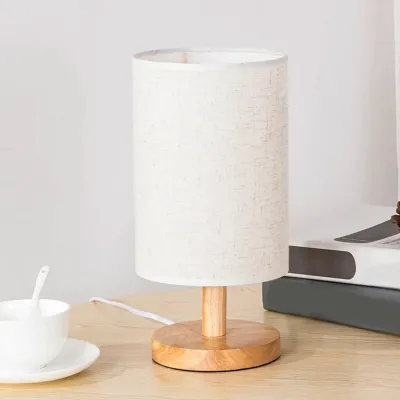
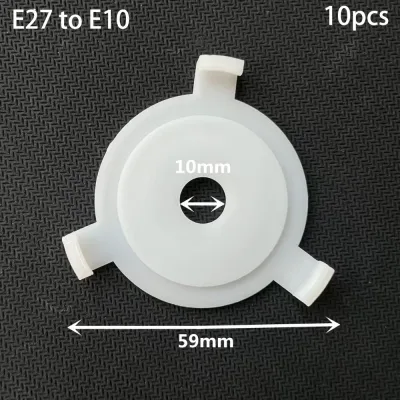
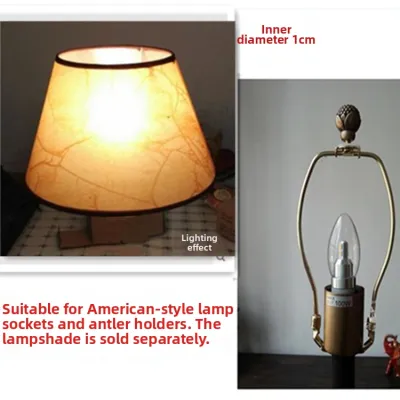
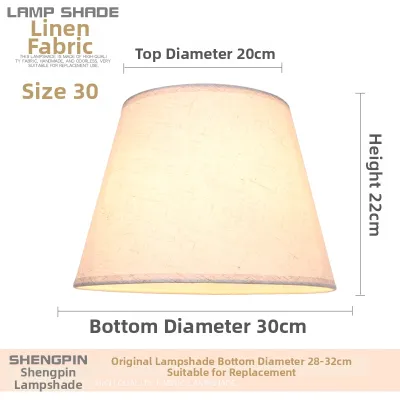
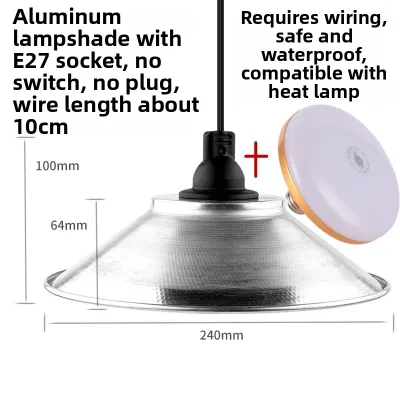
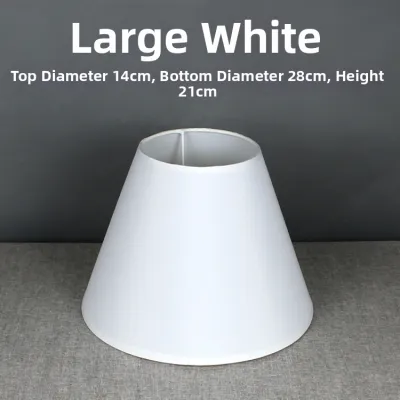
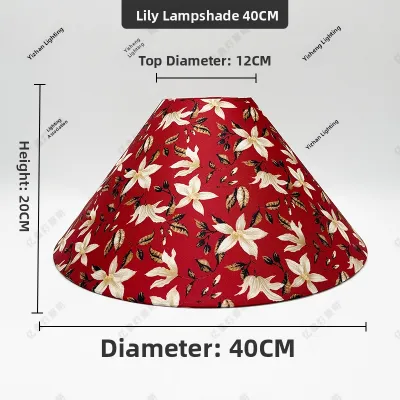
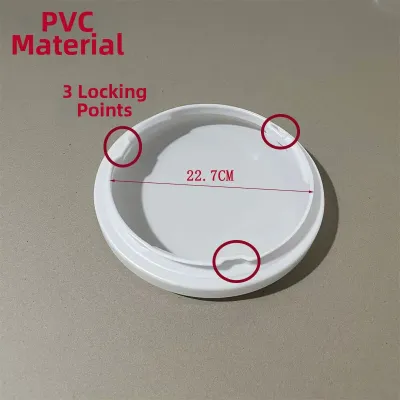
Prices are valid at publication and may change. Please refer to the product page for the latest price.
Safety should always be your first priority when handling electrical fixtures. Always unplug the lamp from the wall outlet before taking measurements or removing the old shade. Place the lamp on a flat, stable surface, such as a sturdy dining table, to prevent it from tipping over. If the lamp was recently turned on, allow the light bulb to cool completely to avoid accidental burns. In humid tropical climates, dust and moisture can accumulate on electrical components, so this is also an excellent opportunity to gently wipe down the base and socket with a dry microfiber cloth.
Step-by-Step Guide to Measuring Lamp Base Dimensions
To select a replacement shade that complements your lamp, you must first understand the physical dimensions of the lamp base itself. The first measurement to record is the total height of the lamp base. To find this, place your measuring tape at the very bottom of the lamp’s pedestal and measure straight up to the top of the electrical socket, where the bulb is inserted. Do not include the light bulb or the harp in this specific measurement, as you only want to capture the height of the solid base structure.

Next, determine the width of the widest part of your lamp base. If you have a simple column lamp, this might be the diameter of the bottom pedestal. For urn-shaped, ceramic, or sculptural bases, the widest point is often near the middle of the body. Measure straight across this widest section to establish your base width. This measurement is crucial because the bottom opening of your new lamp shade cover should generally be wider than the widest part of the base to maintain physical and visual stability.
Finally, measure the neck or the harp height of your lamp. The neck is the small metal stem that sits directly below the socket, while the harp is the U-shaped metal wire frame that arches over the light bulb to support the shade. If your lamp uses a harp, measure from the bottom saddle (the metal bracket beneath the socket where the harp prongs sit) to the very top of the threaded post where the finial is screwed on. If your lamp does not have a harp, measure the height of the exposed socket and neck. These vertical dimensions dictate the required depth of your new shade and help you determine the necessary fitter drop.
Identifying Your Lamp Shade Fitter Type
The fitter is the inner metal structure of the lamp shade that connects it to the lamp base. Even if you find a shade with the perfect dimensions, it will not work if the fitter type does not match your lamp’s hardware. There are three primary fitter types you will encounter when shopping for a replacement lamp shade cover.
The most common style for table and floor lamps is the spider fitter. A spider fitter features metal spokes that extend from the top rim of the shade to a central ring. This central ring sits directly on top of the lamp’s metal harp and is secured in place by screwing on a decorative cap called a finial. When measuring a spider-fitter shade, pay close attention to the “drop,” which is the vertical distance from the top edge of the shade down to the central ring. A deeper drop lowers the shade further down the lamp base, while a shallow drop raises it.
The second style is the uno fitter, which is highly common on smaller bedside lamps, accent lights, and reading lamps. Unlike spider fitters, an uno fitter does not require a harp. Instead, it features a large metal ring that threads or slips directly onto the electrical socket itself, beneath the light bulb. There are two main variations: threaded uno fitters, which screw onto the threaded outer shell of the socket, and slip uno fitters, which slide over the socket and are held in place by a collar. When replacing an uno shade, verify the exact diameter of your lamp socket to ensure the fitter ring fits securely.
The third style is the clip-on fitter, which is the simplest attachment method. Clip-on fitters feature wire loops that clamp directly onto the glass body of the light bulb. This style is typically reserved for small accent lamps, wall sconces, and chandeliers where the shade is lightweight. When choosing a clip-on shade, verify that the wire clip matches the shape of your bulb, as some are designed for standard rounded bulbs while others are shaped specifically for flame-tipped candelabra bulbs.
Applying Proportional Sizing Rules for Visual Balance
Once you have your physical measurements and fitter type, you can apply standard design proportions to select a shade that looks visually balanced. While personal preference and decorative style play a significant role in your final choice, following these general guidelines helps prevent the lamp from looking top-heavy or disproportionate.
A reliable rule of thumb is that the height of the lamp shade cover should be approximately two-thirds of the height of the lamp base. For example, if your lamp base measures 12 inches from the bottom to the top of the socket, a shade height of roughly 8 inches will usually look natural. Additionally, the bottom diameter of the shade should be roughly equal to the total height of the lamp base. Using the same 12-inch base as an example, a shade with a bottom diameter of 12 inches provides an excellent starting point for a balanced silhouette.
Another key proportion to consider is the width of the shade relative to the base. The bottom opening of the shade should always be wider than the widest part of the lamp base. Ideally, the shade’s bottom diameter should be at least two inches wider than the base’s widest point to ensure the overall fixture does not look cramped or narrow.
Finally, the shade must be deep enough to completely conceal the lamp’s internal hardware, including the socket, the harp saddle, and the neck. When you look at the lamp from eye level while seated or standing, you should not see the bare metal socket or the electrical connections. The shade should cover these components entirely without blocking the upward or downward path of the light.
Final Verification Before Purchasing a Lamp Shade Cover
Before finalizing your purchase on any online marketplace or at a local lighting store, perform a final verification check to ensure safety and compatibility. Start by cross-referencing your fitter drop measurement with the internal depth of the shade. If the drop is too shallow, the shade will sit too high, exposing the socket and harp; if the drop is too deep, the shade will sit too low, potentially crowding the base or making it difficult to reach the power switch.
Next, prioritize electrical safety by checking the clearance requirements for heat dissipation. Light bulbs generate heat, and trapping that heat inside a tight space can damage the shade material, degrade the socket, or create a fire hazard. Ensure there is a minimum clearance of two to three inches between the light bulb and the inner fabric or lining of the lamp shade cover. Always verify the maximum wattage limit of both your lamp socket and the replacement shade, and ensure your bulb does not exceed these limits. If you are using a high-wattage incandescent bulb, proper ventilation is critical, especially in warm, humid environments where ambient temperatures are already elevated.
Lastly, verify the electrical interface and certification details of your lamp. Ensure the replacement shade does not interfere with the operation of your switch, whether it is a rotary socket switch, a pull chain, or a dimming mechanism. Review the manufacturer’s specific sizing charts and return policies, particularly if you are purchasing a custom, handmade, or specialty shade. Taking these final precautions ensures your new lamp shade cover is not only a beautiful addition to your space but also a safe and functional one.
Frequently Asked Questions (FAQ)
Can I use a clip-on shade on a three-way or oversized bulb?
Clip-on shades are generally not recommended for three-way or oversized bulbs. The wire clips on these shades are manufactured to fit standard A19 utility bulbs or smaller candelabra bulbs. Attempting to force a clip-on fitter onto a larger, heavier, or non-standard bulb shape can stretch or bend the metal wire, causing the shade to sit crookedly or slip off entirely. Furthermore, larger bulbs generate more heat, and placing a small clip-on shade too close to an oversized bulb increases the risk of scorching the shade material. If you use an oversized bulb, consider converting your lamp to a harp system or using a shade with a spider fitter.
What if my lamp harp is too tall for the new shade?
If your existing lamp harp is too tall, the top of the harp and the socket may peek out from beneath the bottom of your new shade. To resolve this issue, you do not need to buy a completely different shade. Instead, you can purchase a shorter replacement harp from a lighting supply store or online marketplace. Harps are inexpensive and easy to swap out; simply slide up the small metal caps (called ferrules) at the bottom of the harp, squeeze the wire prongs inward to release them from the saddle, and insert the new, shorter harp. Alternatively, you can look for an adjustable harp, which allows you to slide the top arch up or down to customize the height and achieve a perfect fit.

Community discussion
Share your experience or ask a question. Comments are reviewed before publication.