
Finding the perfect replacement lamp shade requires a blend of precise physical measurements and visual proportion rules. To get the right fit, you must measure three key dimensions of your existing shade or lamp base: the top diameter, the bottom diameter, and the vertical slant height. Additionally, you must identify your lamp’s specific fitter type—such as a spider, uno, or clip-on mechanism—and verify that the new shade leaves enough physical clearance around the bulb to prevent heat buildup. Taking these steps ensures your lamp remains safe, functional, and visually balanced in your living space.
In tropical climates like the Philippines, where high humidity can affect home decor, choosing the right lamp shade is not just about aesthetics. Moisture in the air can cause poorly fitted or low-quality paper shades to warp over time, making a precise physical fit and proper material selection even more critical. Whether you are updating a bedside table lamp or refreshing a living room accent light, taking accurate measurements beforehand saves you the hassle of returning ill-fitting items to online marketplaces.
Identify Your Lampshade Fitter Type First
Before you pull out your measuring tape, you must determine how the shade physically connects to your lamp. The fitter is the inner metal framework of the shade that attaches to the lamp base or bulb. If you choose a shade with the wrong fitter type, it will be physically impossible to mount without purchasing additional adapters or hardware.
Products mentioned in this guide
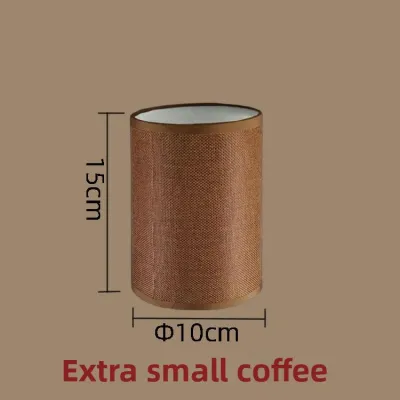
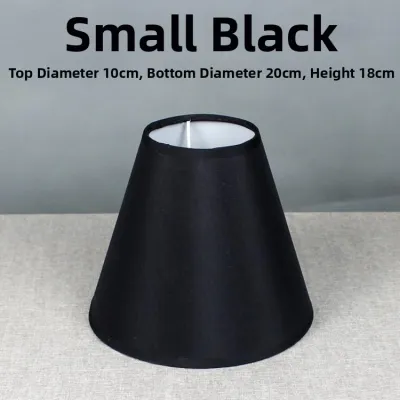
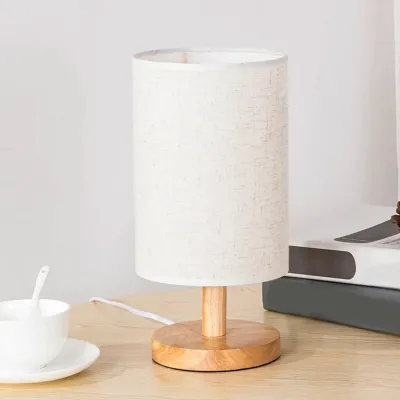
Prices are valid at publication and may change. Please refer to the product page for the latest price.
The most common style is the spider fitter, which features a small central ring supported by metal spokes that resemble a spider web. This ring sits on top of a metal wire support called a harp, which is secured in place with a decorative screw-on cap known as a finial. If your lamp has a harp rising up from beneath the socket, you will need a replacement shade with a spider fitter.
Another common option is the uno fitter, which is designed to thread directly onto the socket itself. This style is frequently found on smaller bedside lamps or downward-pointing task lights. Because the uno ring sits directly on the socket, it does not require a harp or a finial.
For small accent lamps or chandeliers, you will often find clip-on fitters. These fitters feature wire loops that expand to grip the glass bulb directly. They are highly convenient but are generally limited to lightweight shades and lower-wattage bulbs to prevent the shade from scorching.
While identifying your fitter, take a close look at the condition of your existing hardware. Check for bent harp wires, rusted saddles, or stripped threads on your uno socket rings. If these components are damaged, they can cause your new shade to sit crookedly, meaning you should replace the hardware alongside the shade.
Finally, if you are dealing with a spider fitter, you must measure the “drop.” The drop is the vertical distance from the top rim of the shade down to the center ring where it rests on the harp. A shallow drop means the shade will sit higher on the lamp, while a deep drop lowers the shade, helping you adjust exactly how much of the socket is hidden.
Measure for the Ideal Shade Height
Achieving the correct vertical proportion is essential for a balanced look. A shade that is too tall will make your lamp look top-heavy and awkward, while a shade that is too short will expose the unsightly socket, neck, and internal wiring.

To calculate the ideal height, start by measuring the visible lamp base. Place your measuring tape at the very bottom of the lamp base and measure straight up to the point where the metal socket begins. Do not include the socket itself or the bulb in this measurement; you only want the height of the decorative base.
Next, measure your harp height if your lamp uses a spider fitter. Measure from the bottom saddle—the metal bracket beneath the socket where the harp legs slot in—up to the flat top of the finial loop. This measurement gives you a clear boundary of the vertical space your shade needs to cover.
A reliable industry guideline for visual balance is that the shade height should be approximately two-thirds of the height of the visible lamp base. For example, if your lamp base measures 30 centimeters from the table to the socket, your target shade height should be roughly 20 centimeters.
Always verify that your planned shade height is sufficient to completely conceal the socket, the harp saddle, and any visible neck of the bulb. When you are sitting down nearby, you should not be able to see the bare metal socket or the plastic housing beneath the shade’s bottom rim.
Determine the Correct Shade Width and Depth
The horizontal dimensions of your lamp shade dictate how much light is dispersed across your room and how much physical space the lamp occupies on your furniture. A shade that is too wide can easily bump into nearby walls or crowd your bedside table, while a narrow shade can make the lamp look unfinished.
Begin by measuring the widest part of your lamp base. If you have a round ceramic base, measure its diameter; if you have a square or sculptural base, measure its widest point from side to side. This measurement establishes the absolute minimum bottom diameter for your new shade.
To maintain proper visual proportions, the bottom width of your shade should ideally be roughly twice the width of the widest part of the base. Alternatively, you can aim for a bottom shade width that is approximately equal to the total height of the visible lamp base.
You must also consider the slant and depth of the shade. The slant is the diagonal measurement from the top rim to the bottom rim. A steeper slant creates a classic empire or tapered silhouette, which directs light downward in a focused pool. A shallower slant, like that of a modern drum shade, allows light to escape more evenly from both the top and bottom.
Do not forget to account for the physical environment around your lamp. In compact spaces, such as a narrow hallway console or a small nightstand next to a wooden bed frame, a wide shade might constantly bump into the wall or get knocked by passing family members. Ensure there is at least a few centimeters of clearance between the outer edge of the shade and any adjacent walls or decor.
Verify Bulb Clearances and Safety Limits
Safety must always come first when selecting a replacement lamp shade. Because light bulbs generate heat, placing a shade too close to the bulb can create a serious fire hazard or cause the shade material to scorch, discolor, or melt.
Before purchasing, locate the manufacturer’s label on your lamp socket or base to find the maximum wattage limit and verify the electrical certification. This label specifies the highest wattage bulb the lamp’s internal wiring can safely handle, as well as its compatible voltage. Never exceed this limit, regardless of the shade you choose.
Next, plan for adequate physical clearance between the bulb and the inner lining of the shade. If you plan to use traditional incandescent or halogen bulbs, which generate significant heat, you must maintain a minimum clearance of at least 5 to 8 centimeters between the bulb glass and the shade material.
Perform the eye-level test once your measurements are planned. When you are sitting in your favorite armchair or walking past the lamp, the bulb should remain completely hidden from view. Direct glare from an exposed bulb can cause eye strain and ruin the cozy ambiance of your room.
Finally, inspect your lamp’s electrical components. If you notice any signs of melting, discoloration on the socket, or frayed insulation on the power cord, stop using the lamp immediately. Do not attempt to install a new shade on a damaged fixture; instead, consult a qualified electrician or the manufacturer to repair or replace the socket and wiring.
Your Pre-Purchase Measurement Checklist
Before you begin browsing online marketplaces or visiting local lighting showrooms, compile your measurements into a clear, actionable checklist. Having these exact specifications on hand will help you filter through product descriptions quickly and avoid costly purchasing mistakes.
First, write down your confirmed fitter type (spider, uno, or clip-on) along with any specific hardware dimensions, such as the spider fitter’s drop or the inner diameter of your uno ring.
Next, record your target shade dimensions using the standard industry format: Top Diameter x Bottom Diameter x Slant (Height). For example, a typical medium shade might be written as 25 cm x 35 cm x 28 cm.
Note the maximum wattage limit of your lamp and the specific bulb shape you intend to use, such as a standard A19 bulb or a decorative ST19 vintage-style bulb.
Keep this checklist on your phone or notepad so you can easily compare it against product specifications when shopping. This ensures that the shade you fall in love with online will fit your lamp perfectly and function safely in your home.
Frequently Asked Questions (FAQ)
Can I use a spider shade on a lamp without a harp?
A spider fitter physically requires a harp to support its weight and hold it in place. If your lamp base does not currently have a harp, you cannot use a spider shade directly. However, you can easily purchase a separate harp kit that attaches to the saddle beneath your socket, or you can opt for a clip-on or uno shade if your lamp’s socket configuration supports them.
What if my lamp base is unusually shaped or very wide?
If you have a highly sculptural, wide, or unusually shaped lamp base, the standard proportion rules may need some adjustment. In these cases, prioritize the base width rule over the height rule to prevent the lamp from looking top-heavy. A modern drum shade often works best for wide bases, as its straight sides provide a clean, balanced silhouette without overextending horizontally.
Do LED bulbs change how I measure for clearance?
While LED bulbs emit significantly less heat than traditional incandescent bulbs, reducing the risk of scorching, they still require proper physical clearance. Many modern LED bulbs, especially smart bulbs or vintage-style filament bulbs, have larger physical dimensions than standard bulbs. You must still measure to ensure the bulb fits comfortably inside the shade without touching the inner lining or sticking out of the top opening.
Community discussion
Share your experience or ask a question. Comments are reviewed before publication.