
To find the perfect replacement lamp shade size, you must measure the lamp base height, its widest diameter, and the height of the harp. The golden rule is that the shade’s height should be roughly two-thirds of the visible base height, and the bottom diameter of the shade should be within two inches of the base’s total height while remaining wider than the widest part of the base. Measuring the lamp itself, rather than trying to replicate an old, potentially ill-fitting shade, ensures a balanced silhouette that prevents the fixture from looking top-heavy or awkward.
Tools and Safety Prep for Measuring Your Lamp
Before reaching for any tools, safety must be your absolute priority. Always unplug the lamp from the electrical outlet before handling the fixture, removing the existing shade, or touching the socket assembly. This simple step eliminates the risk of electrical shock, especially in high-humidity tropical environments common in the Philippines, where moisture can increase conductivity risks on exposed metal components. For any fixed-wiring wall sconces or outdoor fixtures, always isolate the power at the main circuit breaker before starting any work, and consult a qualified professional if you are unsure of the wiring configuration. Once the lamp is completely disconnected from the power source, place it on a flat, stable work surface.
To gather precise measurements, assemble a few basic, highly accessible tools:
Products mentioned in this guide
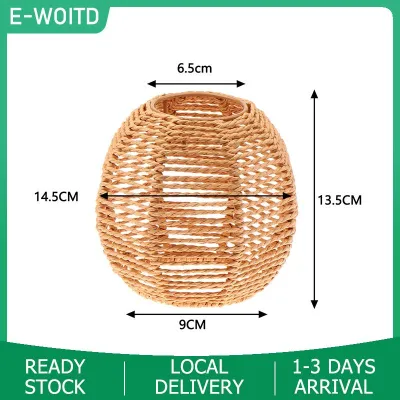
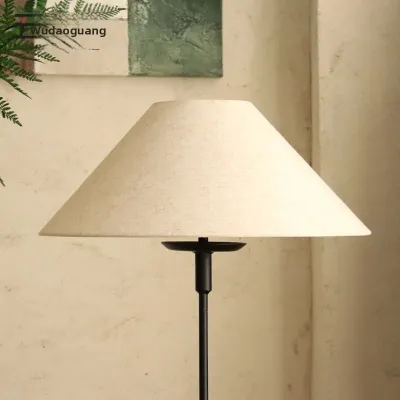
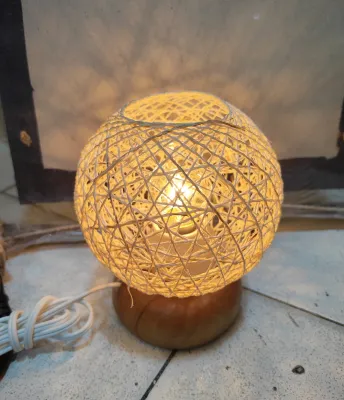
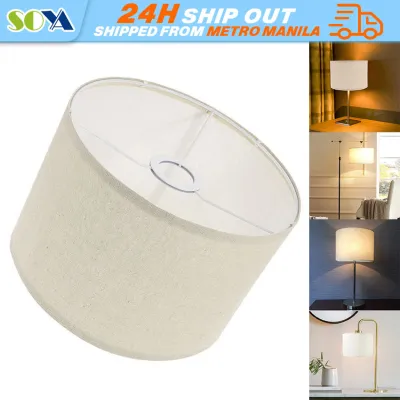
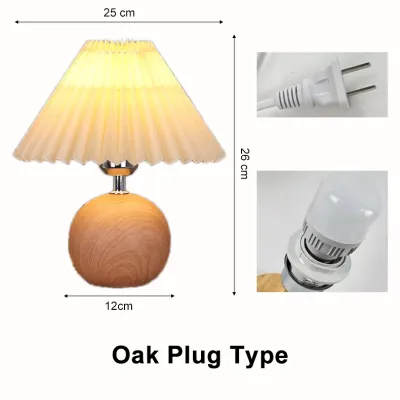
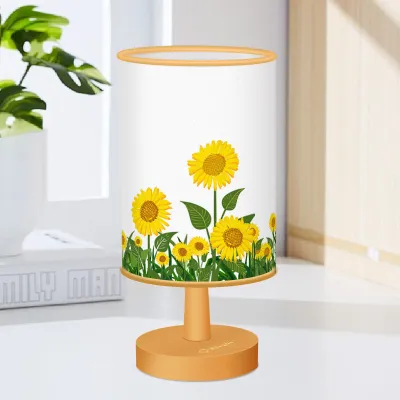
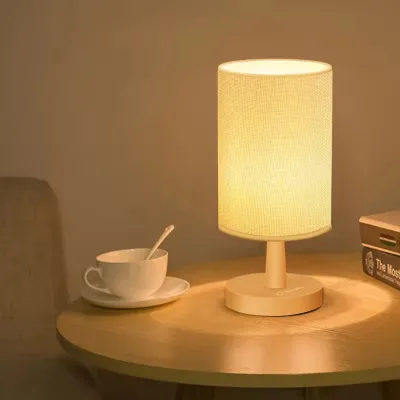
Prices are valid at publication and may change. Please refer to the product page for the latest price.
- A flexible sewing tape measure (which easily wraps around curved or sculptural bases)
- A sturdy metal ruler for vertical heights
- A notepad and a pen to write down your dimensions immediately
Relying on physical measurements of the actual lamp body is far more reliable than simply tracing or measuring your old shade. The previous shade might have been an incorrect size, or perhaps you are matching a bare lamp base you recently acquired. By measuring the base itself, you establish an objective baseline that guarantees the new shade will align with the structural proportions of the lamp.
Step-by-Step Guide to Measuring the Lamp Base
Achieving a visually pleasing lamp setup relies heavily on the relationship between the base and the shade. To find this balance, you must first understand the exact physical dimensions of the lamp’s body.

Measuring Base Height and Width
To measure the base height, place your ruler or measuring tape at the very bottom of the lamp’s structural base. Extend the tape straight up to the junction where the metal or plastic light socket begins. Do not include the socket itself, the harp, or the decorative finial at the top in this measurement; you are strictly measuring the visible, decorative body of the lamp. Write this down as your “Base Height.”
Next, find the widest part of the lamp body to determine the base width. For a standard cylindrical or square lamp, this is straightforward. However, if your lamp features an asymmetrical, sculptural, or bulbous ceramic design, you will need to locate the visual center of mass. Wrap your flexible tape measure around this widest section to find the diameter. If you are using a straight ruler, hold it parallel to the table and visually align the edges of the widest part to get an accurate width reading. Jot this down as your “Base Width.”
Applying Proportion Rules for the Shade
Once you have these two critical measurements, you can apply classic lighting design proportion rules to calculate the ideal dimensions for your replacement shade. These guidelines prevent the completed lamp from appearing visually unbalanced, top-heavy, or swallowed by an oversized shade.
For the shade height, the standard design rule dictates that the shade should be approximately two-thirds of the height of the visible lamp base. For example, if your lamp base measures 30 centimeters (about 12 inches) from the bottom to the socket, your ideal shade height should be roughly 20 centimeters (about 8 inches).
For the shade width, the bottom diameter of the shade should be at least two inches wider than the widest part of the base on each side. Alternatively, a good rule of thumb is that the bottom diameter of the shade should be roughly equal to the total height of the lamp base. If your 30-centimeter base has a maximum width of 15 centimeters, a shade with a bottom diameter of 25 to 30 centimeters will provide a beautifully grounded, visually stable silhouette. These proportions keep the lamp stable and prevent it from tipping over easily if bumped.
Measuring the Harp and Identifying the Fitting Type
While visual proportions dictate the external look, the physical connection between the lamp and the shade determines whether the replacement will actually fit and function safely. This requires measuring the support hardware and identifying how the shade attaches to the lamp.
Determining the Correct Harp Height
The harp is the U-shaped metal wire that arches over the light bulb to support the shade. To measure the harp height, place your measuring tape at the bottom of the harp where it slots into the metal saddle (just below the light socket). Measure straight up to the flat top of the harp, right below the threaded post where the finial screws on.
The height of your harp directly influences the vertical placement of your shade. Ideally, the slant height of your new shade should be very close to this harp measurement. The goal is to ensure the bottom edge of the shade sits approximately 1 to 2 centimeters below the socket assembly. This placement successfully hides the unsightly electrical socket, the bulb base, and the neck of the harp from view when you are seated nearby. However, the shade must not hang so low that it blocks access to the turn-knob or pull-chain switch, or restricts the upward escape of heat generated by the bulb.
Identifying Your Lamp Shade Fitting (Spider, Uno, Clip-On)
Before purchasing any replacement shade, you must identify the attachment mechanism, known as the fitter. Buying a shade with the wrong fitter type will render it unusable unless you perform hardware modifications.
- Spider Fitter: This is the most common fitting style for table and floor lamps. It features a wheel-like wire frame at the top of the shade with a small central ring. This ring rests directly on top of the harp and is secured in place by screwing on a decorative finial. If your lamp has a physical harp, you will almost certainly need a spider-fitter shade.
- Uno Fitter: Common on smaller accent lamps, bedside lamps, or imported fixtures, the Uno fitter features a larger metal ring integrated into the inner frame of the shade. This ring threads directly onto the light socket itself, typically held in place by a threaded collar. Uno fitters do not use a harp; the shade hangs down or rises up directly from the socket assembly.
- Clip-On Fitter: Designed for small accent lamps, wall sconces, or chandeliers, this fitter features wire loops that clip directly onto the glass bulb itself. It requires no harp or specialized socket hardware, but it is only suitable for lightweight shades and low-wattage, low-heat bulbs.
Always verify that your new shade matches your existing system. If your lamp uses a specific fitter, sticking to that category is the easiest and safest path to a successful replacement.
Decoding Lamp Shade Dimensions and Shapes
When browsing home decor websites or visiting lighting showrooms in the Philippines, you will notice that lamp shades are rarely labeled with a single size. Instead, manufacturers list three distinct dimensions, usually formatted as “Top Diameter x Bottom Diameter x Slant Height” (for example, 8″ x 12″ x 10″ or roughly 20 cm x 30 cm x 25 cm).
Understanding how to read these dimensions is vital to making the right purchase:
- Top Diameter: The width across the very top opening of the shade. A wider top opening allows more heat to escape and casts more light upward.
- Bottom Diameter: The width across the bottom opening. This determines the overall spread of light downward and must align with your base width proportions.
- Slant Height vs. Vertical Height: Slant height is measured along the angled side of the shade from the top rim to the bottom rim. Vertical height is measured straight down through the center of the shade. For flared shapes like bell or empire shades, the slant height will be noticeably longer than the vertical height. Always check which measurement the manufacturer is using.
The shape of the shade also plays a massive role in light distribution and visual weight. A classic drum shade (with equal top and bottom diameters) offers a modern look and projects light equally upward and downward. An empire or bell shade (with a narrow top and wide bottom) directs the majority of the light downward, making it excellent for reading tasks while offering a traditional aesthetic.
Crucially, you must cross-reference your chosen shade’s dimensions with the maximum wattage and bulb type recommendations printed on your lamp’s socket. In hot, humid tropical climates, heat dissipation is particularly important. Ensure the shade material and its distance from the bulb allow for adequate airflow to prevent scorching, discoloration, or fire hazards, especially if you are using high-wattage incandescent or halogen bulbs. When selecting a replacement shade, verify the socket’s voltage, base/interface type, wattage limit, and electrical certification markings to ensure complete compatibility and safety under local operating conditions.
Common Measuring Mistakes and How to Verify Your Fit
Even with a tape measure in hand, it is easy to make simple errors that lead to a return trip or an unusable shade. One of the most frequent mistakes is measuring the old, damaged shade instead of the actual lamp base. If the original shade was poorly proportioned, copying its dimensions will only repeat the mistake.
Another common pitfall is confusing slant height with vertical height when shopping online. Buying a highly tapered empire shade based on its vertical height can result in a shade that is physically too short, leaving the socket and harp exposed. Additionally, failing to account for the socket switch can leave you with a beautiful lamp that you cannot easily turn on or off without awkwardly reaching high up under the hot shade. Furthermore, buying a shade that is too narrow can trap heat and pose a fire risk, especially with older incandescent bulbs.
To prevent these issues, run through this quick pre-purchase verification checklist:
- Base Proportion Check: Does the shade's bottom diameter match or exceed the widest part of your base? Is the shade height roughly two-thirds of the base height?
- Harp and Bulb Clearance Check: Will the shade sit low enough to cover the metal socket but high enough to clear the top of your light bulb?
- Switch Accessibility Check: Is there enough physical space between the bottom rim of the shade and the lamp body to comfortably reach the switch?
- Fitter Compatibility Check: Does the replacement shade use the exact same attachment style (Spider, Uno, or Clip-On) as your lamp?
If you discover that your lamp base has non-standard hardware or requires structural modifications—such as rewiring a socket to convert from an Uno to a Spider system—always prioritize safety. Stop and consult a qualified electrician or a certified lighting professional to handle any electrical modifications or fixed-wiring adjustments.
Frequently Asked Questions (FAQ)
What if my lamp base is very tall or unusually shaped?
For exceptionally tall floor lamps or highly sculptural, asymmetrical bases, standard proportion rules can be adjusted to prioritize safety and visual balance. Tall floor lamps require wider shades with a broader bottom diameter to anchor the visual weight of the long pole and prevent the assembly from looking top-heavy. Additionally, the shade must be deep enough to ensure that the light bulb does not cause direct glare at eye level, whether you are sitting on a sofa or standing nearby. For highly sculptural or artistic ceramic bases, prioritize heat clearance and glare prevention over strict mathematical formulas. Choose a simple shade shape, like a plain drum or a subtle empire, to let the unique craftsmanship of the base remain the focal point.
Can I change my lamp's fitting type to use a different shade?
Yes, but the complexity and safety of the modification depend entirely on the fitter type. Swapping a harp to adjust the height of a Spider-fitter shade is simple and safe; you can purchase replacement harps in various heights that easily snap into your existing saddle. However, converting a lamp from an Uno fitter to a Spider fitter is more complex because it typically requires replacing the entire light socket assembly. Because socket replacement involves handling electrical wiring and connections, this task should only be performed by a qualified professional. This ensures the modification complies with local electrical safety standards and prevents potential short circuits or shock hazards in your home.

Community discussion
Share your experience or ask a question. Comments are reviewed before publication.