
Finding the perfect lamp shade is more than just an aesthetic choice; it is a precise calculation of scale, balance, and safety. When a shade is too large, it overwhelms the room and makes the lamp look top-heavy. Conversely, a shade that is too small exposes the unsightly electrical socket and harp, disrupting the visual harmony of your space. To choose the right replacement, you must measure three critical dimensions: the top diameter, the bottom diameter, and the overall height.
In tropical environments like the Philippines, where high humidity and warm ambient temperatures are common, selecting the correct shade size also plays a vital role in heat dissipation. Proper spacing between the light bulb and the shade material prevents heat buildup, protecting both the shade and your home’s electrical components. By taking a few systematic measurements of your existing lamp base or your current shade, you can confidently browse online marketplaces or local decor boutiques for a replacement that fits securely and looks beautifully proportioned.
Essential Tools for Measuring Your Lamp
Before you begin taking measurements, gather a few basic household tools to ensure accuracy. Having the right instruments on hand prevents errors that could lead to ordering an incompatible size.
Products mentioned in this guide
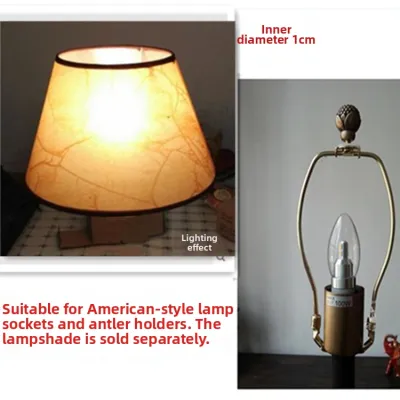
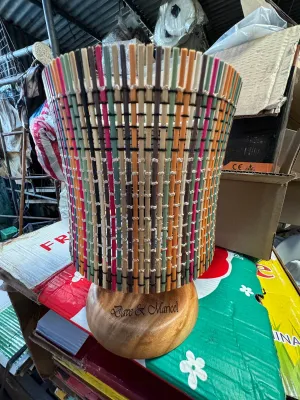
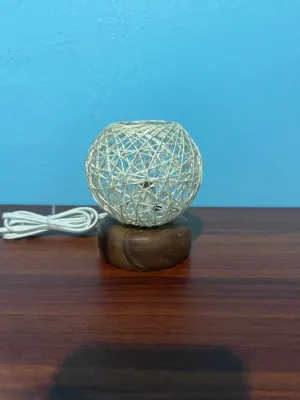
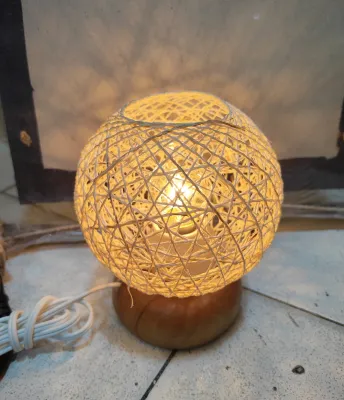
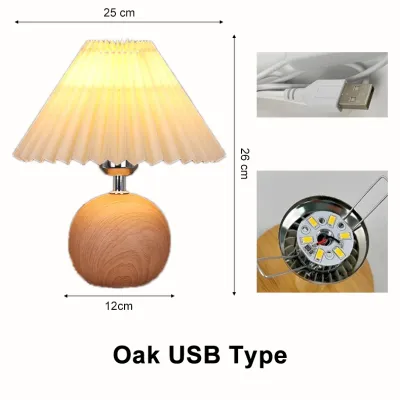
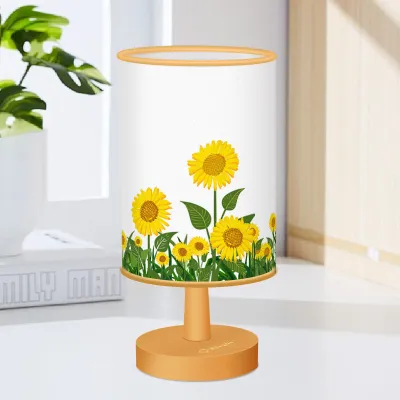
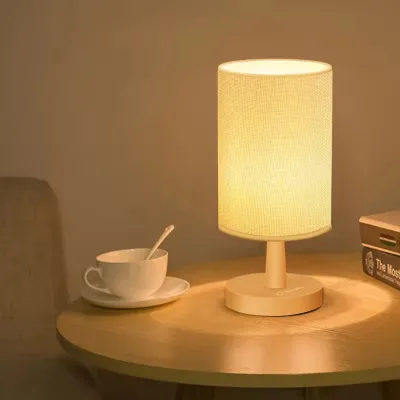
Prices are valid at publication and may change. Please refer to the product page for the latest price.
First, secure a flexible measuring tape, such as the fabric tape used for sewing. This tool is indispensable for measuring curved surfaces, circular bases, and the sloping sides of tapered shades.
Next, keep a rigid metal or wooden ruler nearby. A straight ruler is highly useful for measuring flat components, vertical heights, and the direct diameter across open circular frames without sagging.
You will also need a notepad or a digital device to record your findings. Write down the top diameter, bottom diameter, vertical height, and slant height separately to avoid confusing the numbers later.
Finally, place your lamp on a flat, level, and stable surface, such as a sturdy dining table or a solid countertop. A level surface ensures that your measurements remain perfectly vertical and are not skewed by an uneven tilt.
Understanding Standard Lamp Shade Proportions
Achieving a visually balanced lamp relies on a few classic design guidelines that interior decorators use to maintain proportion. While personal preference always plays a role, these standard ratios help ensure the shade does not look awkwardly small or excessively bulky.

A reliable rule of thumb is to aim for a shade height that is roughly two-thirds of the height of the visible lamp base. To find this, measure from the very bottom of the lamp base up to the start of the brass or plastic light socket.
For the bottom diameter, the widest part of the shade should always be broader than the widest point of the lamp base. Ideally, the bottom diameter of the shade should be approximately equal to the height of the lamp base from the bottom to the socket.
The top diameter of the shade should be balanced against the bottom diameter to maintain the desired silhouette. A wider top opening allows more light to escape upward, which is excellent for ambient room lighting, while also helping to channel heat away from the bulb.
Keep in mind that these proportions are conditional guidelines rather than rigid laws. If you have a very slim, tall candlestick lamp, you might opt for a slightly narrower shade to maintain a sleek, modern profile.
Step-by-Step Guide to Measuring the Lamp Base
To find the ideal dimensions for a new shade, you must first understand the physical boundaries of your lamp base. Measuring the base accurately ensures that the new shade will sit at the correct height and cover the electrical hardware.
Start by measuring the total height of the lamp base. Place your rigid ruler at the very bottom of the base and measure straight up to the top of the electrical socket, or to the top of the metal harp if your lamp uses one.
Next, determine the maximum width of the lamp base. If you have a round, square, or sculptural base, measure across its widest point to establish the absolute minimum bottom diameter your new shade must have to look balanced.
You must also measure the height of the metal harp, which is the two-pronged wire support that arches over the light bulb. Note the distance from the saddle (the base of the harp below the socket) to the top threaded post where the shade attaches.
Finally, calculate the drop distance required to conceal the socket. The bottom edge of your new lamp shade should sit low enough to fully cover the socket and the neck of the lamp without touching the main body of the base.
How to Measure an Existing Lamp Shade for Replacement
If you already have a lamp shade that fits your base perfectly and you simply want to replace it due to wear, fading, or a change in style, you can measure the old shade directly. This is the most straightforward way to guarantee a perfect match.
Begin by measuring the top diameter of the old shade. Lay your rigid ruler flat across the top opening, measuring straight through the center from one outer edge to the opposite outer edge.
Next, measure the bottom diameter in the same manner. Place the ruler across the bottom opening of the shade, ensuring you measure the widest point from edge to edge through the center.
To measure the height, you must distinguish between the shapes of your shades. For drum or cylinder shades with straight vertical sides, measure the straight vertical height from the top rim to the bottom rim.
For tapered shades, such as empire, bell, or coolie shapes, you must measure the slant height. Place your flexible measuring tape along the sloping side of the shade, measuring from the top rim down to the bottom edge.
Checking Fitter Types and Hardware Compatibility
A beautiful lamp shade is useless if it cannot securely attach to your lamp base. Before finalizing your purchase, you must identify the specific fitter type your lamp requires and verify its compatibility.
The most common style is the spider fitter, which features a central washer supported by metal spokes. This fitter rests on top of a metal harp and is secured in place with a decorative screw-on finial.
Another frequent option is the uno fitter, which features a large metal ring that threads directly onto the socket itself. This style is highly common on smaller bedside lamps and downward-pointing task lights.
Clip-on fitters are designed to snap directly onto the glass of a standard light bulb. These are typically reserved for small accent lamps or chandeliers where the shade is lightweight.
Measure the fitter drop, which is the vertical distance from the top rim of the shade down to the level where the fitter rests on the hardware. A deeper drop pushes the shade lower, while a shallow drop makes the shade sit higher on the lamp.
If you encounter an unidentified, damaged, or highly unusual fitter type, stop the installation process immediately. Consult the lamp manufacturer or a qualified lighting professional to avoid damaging the electrical components or creating a safety hazard. Always verify the voltage, base interface, and wattage limits of your lamp before installing a new shade.
Common Measuring Mistakes and How to Avoid Them
Even with careful planning, a few common pitfalls can lead to an ill-fitting lamp shade. Recognizing these mistakes beforehand will save you the hassle of returning an incorrect item.
One frequent error is measuring from the wrong starting point on the lamp base. Do not ignore the thickness of the base pad or the decorative neck piece; every millimeter contributes to the overall visual balance.
Another mistake is failing to account for hardware exposure. If you choose a shade with a fitter drop that is too shallow, the unsightly socket, switch, and harp will be visible from seated positions in the room.
Additionally, never confuse slant height with vertical height when ordering online. Ordering a tapered shade based on vertical height measurements will result in a shade that is physically too short and fails to cover the lamp’s hardware.
Frequently Asked Questions (FAQ)
Can I use a lamp shade with a different fitter type than my lamp?
Yes, in many cases you can use adapters to bridge the gap between different fitter types, provided they are compatible and stable. For example, you can purchase a harp adapter that converts a standard socket to accept a spider fitter, or a clip-on adapter that allows a spider shade to sit directly on a bulb. However, you must ensure that any adapter used maintains the physical stability of the shade. Mismatched or forced hardware can lead to tipping, contact with a hot bulb, or electrical safety hazards. Always prioritize a secure, stable fit over a makeshift solution.
What if my lamp base is unusually shaped or asymmetrical?
If your lamp base is sculptural, asymmetrical, or highly irregular, you should measure the absolute widest point of the base to determine the minimum bottom diameter of the shade. This ensures that the shade physically clears the base and looks visually anchored. For asymmetrical bases, oval or rectangular shades often work exceptionally well because they mimic the directional flow of the sculpture. Alternatively, a simple round drum shade can provide a clean, neutral contrast that allows the unique shape of the base to remain the focal point of the design.
Does the shade material affect the required dimensions?
Yes, the opacity and thickness of the shade material directly influence how light is distributed and how much heat is retained. Opaque materials, such as dark paper, metal, or heavy linen, direct light primarily upward and downward, requiring a wider bottom diameter to ensure adequate illumination on surfaces below. Translucent materials, like light cotton or parchment, diffuse light outward through the shade itself. In warm, humid climates like the Philippines, it is crucial to choose a slightly wider shade diameter for materials that restrict airflow, ensuring there is ample clearance around the bulb to prevent heat buildup and protect the fabric from scorching.
Community discussion
Share your experience or ask a question. Comments are reviewed before publication.