
Finding the perfect table lampshade for living room settings is more than just an aesthetic choice; it is a matter of scale, balance, and visual comfort. An improperly sized lampshade can make an elegant lamp base look awkward, expose unsightly hardware, or create an uncomfortable glare when you are trying to relax. To get the size exactly right, you need to measure three key dimensions: the shade’s height, its bottom diameter, and the fitter size. By taking a few minutes to measure your existing lamp base and hardware, you can easily select a replacement shade that looks custom-made for your space.
In Filipino homes, table lamps often serve as warm, ambient light sources on side tables next to sofas or on console tables in the entryway. Because these spaces are highly visible and frequently used for family gatherings, getting the proportions right ensures your lighting is both beautiful and functional. Let us look at how to measure your lamp step-by-step to find the ideal shade.
Tools and Safety Prep for Measuring Your Lamp
Before you begin measuring, gather a few basic tools to ensure your measurements are highly accurate. You will need a flexible measuring tape, which is ideal for wrapping around curved bases or measuring heights, a rigid metal or plastic ruler for checking precise fitter diameters, and a notepad to write down your figures.
Products mentioned in this guide
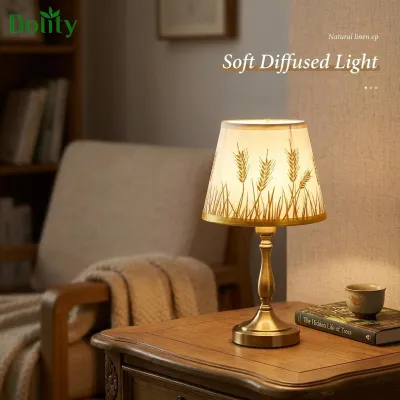
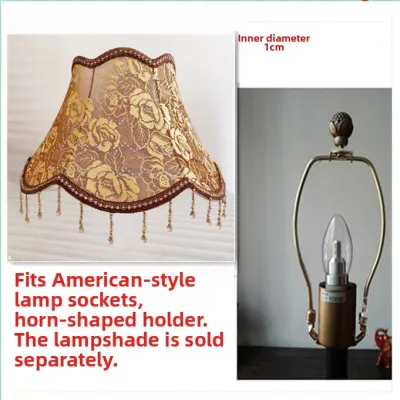
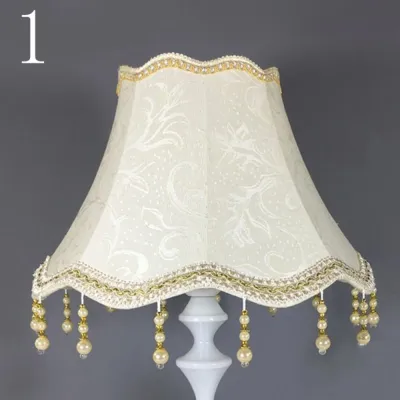
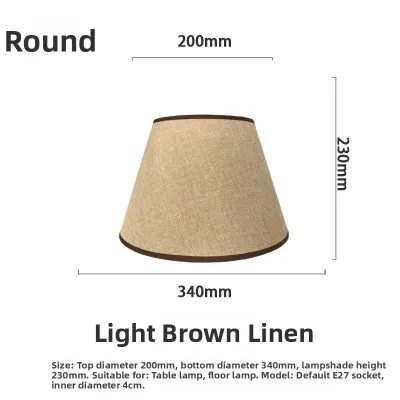
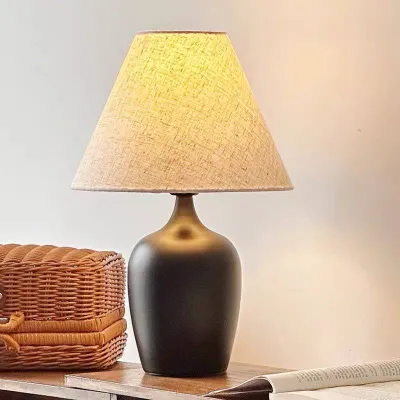
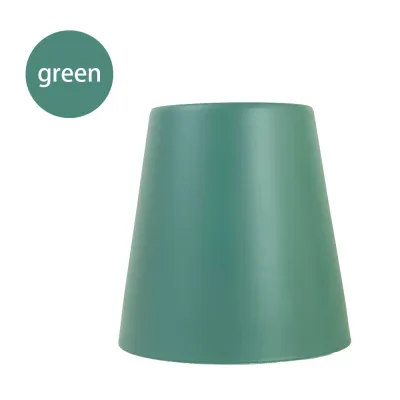
Prices are valid at publication and may change. Please refer to the product page for the latest price.
Safety should always be your first priority when handling electrical fixtures. Start by unplugging your table lamp from the 220-volt wall outlet (the standard voltage in the Philippines) to eliminate any risk of electrical shock. If the lamp was recently turned on, allow the bulb to cool down completely to the touch to prevent accidental burns.
Once the bulb is cool, carefully unscrew the decorative finial at the top of the harp, if your lamp has one, and lift the existing lampshade off the base. Place the old shade and finial in a secure spot so you have clear, unobstructed access to the bare lamp base and its mounting hardware.
Step 1: Measuring for the Ideal Lampshade Height
To determine the ideal lampshade height, you must first measure the height of the lamp base itself. Place your flexible measuring tape at the very bottom of the lamp base, where it rests flat on your table surface. Extend the tape vertically up to the point where the electrical socket begins—specifically, the bottom of the socket shell or where the metal harp attaches. Do not include the socket, the harp, or the light bulb in this base measurement.

Once you have this base height, apply the classic design rule of thumb: the height of your lampshade should be approximately two-thirds of the height of the lamp base. For example, if your lamp base measures 30 centimeters from the table to the socket, your ideal lampshade height should be roughly 20 centimeters. This proportion ensures that the shade is tall enough to hide the functional hardware of the lamp without looking disproportionately large.
Next, you must consider the physical placement of the lamp in your living room to determine the “eye-level” height. Table lamps on side tables next to sofas or armchairs are typically positioned close to where people sit. When you are seated on your sofa, the bottom of the lampshade should ideally sit at or slightly below your eye level. This placement is crucial because it prevents the bright, unshielded light bulb from shining directly into your eyes, eliminating harsh glare during cozy evenings.
Finally, remember to account for how the shade interacts with the harp and the neck of the lamp. If your lamp base has a beautiful, decorative neck, you may want a shade that sits slightly higher to showcase it. Conversely, if the neck is plain, a slightly taller shade can cover it. Always ensure the calculated height is sufficient to cover the socket assembly entirely when viewed from a standing or sitting position.
Step 2: Determining the Correct Lampshade Width
The next step is to determine the correct width, or bottom diameter, of your lampshade. A shade that is too narrow will make the lamp look top-heavy and unstable, while a shade that is too wide can overpower the table and look clumsy. Begin by measuring the widest part of your lamp base. If you have a round, ceramic ginger jar lamp, measure across its widest belly; if you have a slim, column-style brass lamp, measure the width of its square or circular pedestal base.
The standard proportion guideline states that the bottom diameter of the lampshade should be roughly equal to the height of the lamp base. Additionally, the shade’s bottom diameter should be at least 2 inches (about 5 centimeters) wider than the widest part of the base on each side. For instance, if your lamp base is 30 centimeters tall and has a maximum width of 15 centimeters, your ideal lampshade should have a bottom diameter of approximately 30 centimeters. This ensures that the shade is wide enough to balance the visual weight of the base.
In addition to these aesthetic proportions, you must perform a spatial check specific to your living room layout. Measure the actual surface area of the side table, console, or shelf where the lamp will sit. In busy Filipino households, where family members, children, or pets frequently move through the living room, safety is paramount. A lampshade that extends beyond the physical edges of the table surface creates a major tipping hazard, as it can easily be bumped or snagged by someone passing by. Ensure there is a safe clearance margin of at least 5 to 10 centimeters between the outer edge of the lampshade and the edge of the furniture to keep your lamp stable and secure.
Step 3: Identifying the Fitter Type and Size
Even if you find a lampshade with the perfect height and width, it will not work if it cannot attach securely to your lamp. The connection point where the shade mounts to the lamp is called the fitter. You must identify which of the three common fitter types your table lamp uses and measure its dimensions accurately.
Spider Fitter
The most common type is the Spider fitter, which is standard on many traditional table lamps. A spider fitter features a metal wheel with spokes that meet at a small central ring. This ring rests on top of a metal wire support called a harp, which arches over the light bulb. The shade is then secured in place by screwing a decorative finial onto the threaded post at the top of the harp. When measuring for a spider fitter, use your rigid ruler to measure the inner diameter of the central ring to ensure it fits your harp’s post. You also need to measure the “drop”—the vertical distance from the top rim of the lampshade down to the level where the central ring sits. A deeper drop means the shade will sit lower on the lamp base.
Uno Fitter
The second type is the Uno fitter, which is commonly found on smaller, modern, or imported table lamps. Unlike the spider fitter, an Uno fitter does not use a harp. Instead, it features a large metal ring that threads directly onto the electrical socket itself, secured by a threaded plastic or metal collar. To measure an Uno fitter, use your rigid ruler to measure the exact inner diameter of the threaded ring. This measurement must match the outer diameter of your lamp’s socket threads precisely, which typically range between 3.5 and 4 centimeters.
Clip-on Fitter
The third type is the Clip-on fitter, which is the simplest design. This fitter features wire loops that clip directly onto the glass of the light bulb itself. Clip-on fitters do not require precise measurements of the lamp base or socket, but they are highly dependent on the shape of your bulb. You must verify whether the clip-on fitter is designed for a standard rounded A-shape bulb or a smaller, flame-shaped chandelier bulb.
If you find a lampshade you love but the height does not align perfectly with your existing hardware, do not worry. You can easily adjust the height by replacing your lamp’s harp. Harps are inexpensive and widely available in various heights, typically ranging from 6 to 10 inches. Swapping a short harp for a taller one, or vice-versa, is a simple, low-risk, and completely reversible way to customize how your new lampshade sits on the base.
Final Checks: Choosing a Table Lampshade for Living Room Spaces
Before finalizing your purchase of a table lampshade for living room use, run through a quick verification checklist to ensure a perfect match. First, confirm that the shade’s height is roughly two-thirds of the base height, and its bottom diameter is close to the base height while remaining wider than the base’s widest point. Second, double-check that the fitter type matches your lamp’s hardware exactly.
Next, evaluate the visual weight of the shade material in relation to your living room’s decor. In tropical climates like the Philippines, material choice plays a significant role in both aesthetics and durability. Heavy, dark, or opaque materials—such as dark linen, thick paper, or woven rattan—absorb more light and direct it primarily upward and downward. This creates a cozy, dramatic atmosphere but makes the shade look visually heavier, meaning you might want to choose a slightly smaller diameter so it does not dominate the room. Lightweight, translucent materials—like white cotton, silk, or light linen—diffuse light outward into the room, creating a bright, airy feel that can comfortably accommodate a slightly larger shade.
Finally, safety and heat dissipation must be verified. Locate the safety label on your lamp’s socket to check its maximum wattage rating (for example, Max 40W or Max 60W). Ensure that the lampshade you select leaves adequate space around the light bulb for heat to rise and escape. This is especially important in warm, humid environments where heat buildup can degrade socket wiring over time. While modern LED bulbs run significantly cooler than older incandescent bulbs, they still require proper ventilation within the shade to prevent premature driver failure and ensure long-lasting performance.
Frequently Asked Questions (FAQ)
Can I use a lampshade from a different brand on my table lamp?
Yes, you can absolutely use a lampshade from a different brand. Lampshades are designed around standardized fitter types rather than proprietary brand specifications. As long as you have identified the correct fitter type (such as a spider, Uno, or clip-on fitter) and verified that the dimensions match your lamp’s socket or harp, any brand of lampshade will work. This allows you to mix and match styles, colors, and materials freely to suit your living room decor.
What if my lamp harp is too tall or too short for the new shade?
If your lamp harp is too tall, the bottom of the new lampshade will sit too high, exposing the unsightly socket and electrical hardware. If the harp is too short, the shade will sit too low, crowding the lamp base and potentially touching the bulb. You can easily resolve this common issue by purchasing a replacement harp in a different height or using a small metal harp riser (also known as a shade extender) to raise the shade. Replacing or adjusting the harp is a quick, low-risk, and completely reversible modification that ensures your shade sits at the perfect height.
Community discussion
Share your experience or ask a question. Comments are reviewed before publication.