
Creating a balanced, restful bedroom requires a thoughtful approach to both form and function. While furniture selection often takes center stage, the way you illuminate these pieces determines how comfortable and usable your space feels at night. Choosing a dedicated bed side wall lamp is an excellent way to elevate your bedroom design, offering a space-saving alternative to traditional table lamps while introducing a highly functional layer of light. By mounting your fixtures directly to the wall, you free up valuable surface area on your nightstand for daily essentials while establishing a clean, modern aesthetic.
To achieve a successful bedroom lighting scheme, it helps to understand how different sources of light interact. Lighting is generally divided into three distinct layers: ambient (general room light), task (focused light for activities like reading), and accent (decorative light that highlights specific features). A bed side wall lamp serves as a crucial bridge between these layers. It functions primarily as task lighting for nighttime reading, but when dimmed, it transitions into a soft ambient or accent light that prepares your mind and body for sleep. Coordinating these fixtures with your headboard, nightstand, and other light sources ensures your bedroom feels cohesive and carefully curated.
Matching Wall Sconces to Nightstands and Headboards
Your bedside furniture and wall-mounted fixtures must work together as a single visual unit. When wall lamps are installed without considering the scale, height, and materials of the surrounding furniture, the entire bedside area can look disjointed or accidental. Achieving a balanced look requires careful attention to proportions and finishes.
Products mentioned in this guide
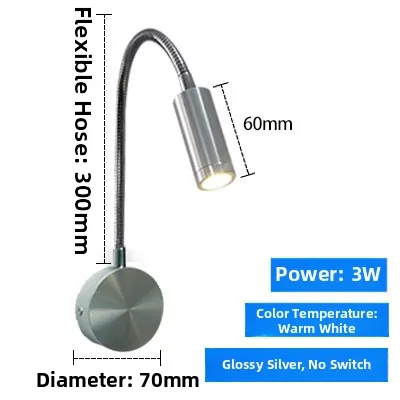
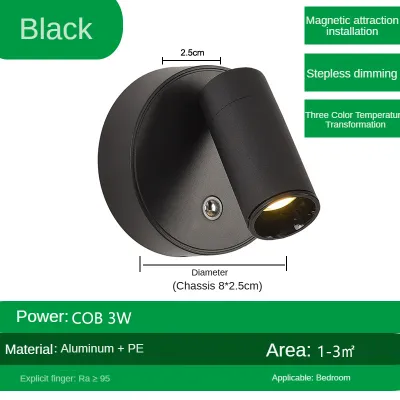
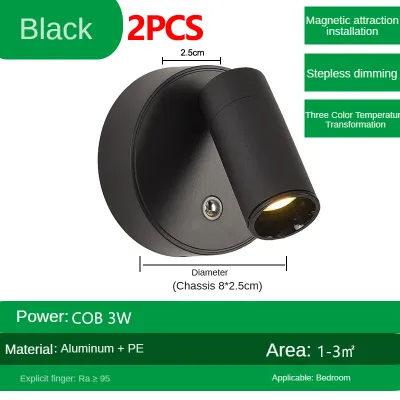
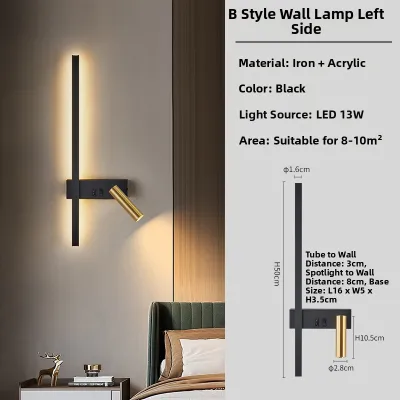
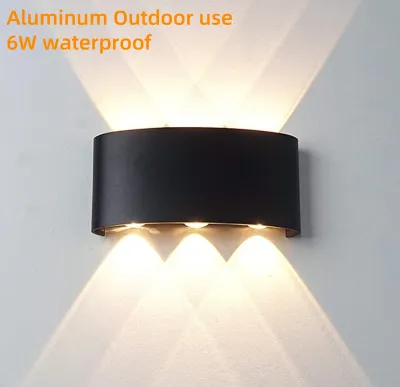

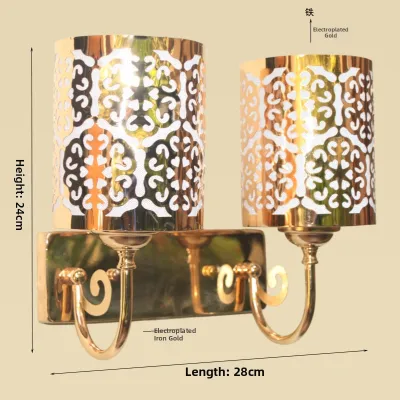
Prices are valid at publication and may change. Please refer to the product page for the latest price.
Sizing and Proportion Guidelines
To create a visually balanced bedside setup, the physical and visual weight of your wall lamps should complement your nightstands. If you have substantial, bulky nightstands made of heavy timber, pairing them with tiny, delicate sconces will make the fixtures look dwarfed and insignificant. Instead, opt for more structured wall lamps with prominent shades or wider backplates to match the furniture’s presence. Conversely, if you use sleek, minimalist floating shelves or slender metal side tables, choose streamlined, low-profile fixtures to maintain a light and airy feel.
Vertical clearance is another critical factor in establishing proper proportions. The bottom of the lamp shade or the lowest point of the fixture should leave adequate breathing room above the nightstand surface. Ideally, there should be enough space to place a book, a glass of water, or a small decorative item on the table without the lamp feeling crowded or physically obstructing the surface. A gap of 30 to 45 centimeters between the top of the nightstand and the bottom of the fixture generally provides a comfortable visual separation.
Your headboard’s design also dictates where and how your wall lamps should be mounted. If you have a tall, upholstered headboard that commands attention, your wall fixtures need to be positioned high enough or have long enough projecting arms to remain functional and visually distinct. For extra-wide headboards that extend past the nightstands, mounting the sconces directly onto the outer panels of the headboard itself can create a luxurious, integrated hotel-like appearance.
Finish and Material Coordination
Coordinating the metal finishes of your wall fixtures with other hardware in your bedroom helps tie the entire space together. Look at the existing metal elements in the room, such as drawer pulls, window tracks, curtain rods, door handles, and even the base of your bed frame. If your room features warm tones like brass drawer handles, choosing a bed side wall lamp with a brushed brass or antique gold finish will reinforce that warmth. For modern or industrial spaces, matte black or polished chrome fixtures provide a sharp, clean contrast.
Using contrasting textures is an effective way to prevent your bedside setup from looking flat or sterile. If you have a dark, heavy wooden headboard, pairing it with a wall lamp that features a soft fabric or textured paper shade introduces a welcoming softness and diffuses the light beautifully. If your headboard is upholstered in a plush fabric, a sleek metal or glass fixture can add a crisp, modern edge that balances the softness of the textiles. In tropical climates where humidity is a constant factor, choosing high-quality metal finishes with rust-resistant powder coatings or anodized treatments is essential to prevent corrosion and maintain the fixture’s appearance over time.
To keep the bedside area from feeling visually cluttered, limit the number of distinct metal finishes in the immediate vicinity. A good rule of thumb is to use no more than two different metal finishes within the same space. For example, if your nightstand drawer pulls are matte black, you can easily pair them with either matching matte black sconces or a contrasting metal like brushed brass. Keeping these finishes consistent or intentionally paired prevents the bedside from looking chaotic.
Integrating Your Bed Side Wall Lamp with Your Overall Lighting Plan
A bedroom should never rely on a single light source. To make the space truly functional for different times of day, your bedside wall lamps must be integrated into a broader, multi-layered lighting plan that works in harmony with your ceiling and accent lights.

Combining with Ceiling and Ambient Lighting
Bedside wall lamps play a vital role in transitioning your bedroom from daytime functionality to nighttime relaxation. During the day, you might rely on natural light or bright ceiling-mounted fixtures, such as flush mounts or recessed pinlights, for cleaning and organizing. However, as evening approaches, switching off these overhead lights and turning on your bedside sconces shifts the room’s atmosphere. This lower-level, localized illumination signals to your brain that it is time to wind down.
To ensure this transition feels natural, pay close attention to color temperature consistency. Color temperature is measured in Kelvin (K), and for bedrooms, warm light is highly recommended to support your natural circadian rhythms. Opt for light sources with a color temperature between 2700K and 3000K, which emit a soft, warm yellowish glow reminiscent of candlelight. Avoid using cool white or daylight bulbs (5000K to 6500K) in your bedside fixtures, as these blue-toned lights can suppress melatonin production and disrupt your sleep patterns.
Integrating dimming capabilities into your bedside setup provides ultimate control over your environment. Dimmable wall sconces allow you to adjust the light levels gradually as you get closer to sleep. You can keep them at full brightness while reading or preparing for bed, and then dim them to a low, ambient glow when you want to relax or watch television without harsh glare.
Balancing with Task and Accent Lights
If you enjoy reading or working in bed, your wall lamp must deliver high-quality task lighting. The fixture should project light downward and outward, illuminating your pages or screen clearly without casting harsh shadows. To prevent eye strain, the light source should be shielded by a shade or positioned in a way that prevents the bare bulb from shining directly into your eyes.
If you share your bed with a partner, standard fixed sconces can sometimes cause issues if one person wants to sleep while the other wants to read. In this scenario, adjustable or swing-arm wall lamps are an exceptional choice. These fixtures allow you to pull the light closer, adjust the angle, and direct the beam precisely onto your book, keeping your partner’s side of the bed in comfortable darkness.
Finally, ensure your bedside lighting logic aligns with other localized lights in the room. If you have accent lights highlighting artwork, interior wardrobe LED strips, or a vanity table with its own mirror lights, they should all share a similar color temperature. This ensures that when multiple light sources are active simultaneously, they complement each other rather than competing or creating a jarring visual contrast.
Placement and Safe Installation Guidelines
Proper placement is the key to ensuring your bedside wall lamps are both comfortable to use and visually pleasing. Before you begin drilling holes or running wires, take the time to measure and plan your layout carefully.
To find the ideal mounting height, sit in your bed in your normal resting or reading position. Have someone assist you by holding the lamp against the wall at various heights. Ideally, the bottom of the lamp shade or the center of the light source should align roughly with your shoulder height, which is typically between 75 and 90 centimeters above the top of your mattress. This height ensures the light falls directly onto your lap or book while keeping the bulb hidden beneath the shade to prevent direct glare.
Before finalizing your placement, check your wall structure and existing electrical infrastructure. In many homes, bedroom walls are constructed from solid concrete or concrete hollow blocks (CHB) rather than drywall. Mounting a fixture onto masonry requires specialized tools, including a hammer drill, masonry drill bits, and appropriate wall plugs (commonly referred to as tox screws) to ensure the heavy fixture is securely anchored. If you are mounting onto drywall, you must locate the wall studs using a stud finder or use heavy-duty toggle bolts if a stud is not available.
Safety Warning: Before performing any installation, maintenance, or wiring work, you must isolate the power by turning off the corresponding circuit breaker at your home’s main electrical panel. Always verify that the power is completely off using a reliable voltage tester before touching any wires. Additionally, check that your selected fixture is compatible with the local electrical system, which standardizes at 220V and 60Hz. Verify that the lamp’s socket type, wattage limits, and dimming compatibility match your bulbs. If your installation requires running new electrical lines behind the wall, installing a new junction box, or handling complex hardwired connections, stop immediately. Consult a qualified, licensed electrician to ensure all work is completed safely and in full compliance with local electrical codes.
Common Pairing and Placement Mistakes to Avoid
Avoiding common design and installation errors will save you time and ensure your bedroom remains functional and comfortable. Even high-quality fixtures can fail to perform if placed incorrectly.
- Mounting at incorrect heights: Placing your sconces too high will expose the bare bulb from underneath, causing uncomfortable glare while you are lying down. Mounting them too low will crowd your nightstand, restrict your movement, and create a physical hazard where you might accidentally bump your head or arm when reaching for things.
- Obstructing pathways and doors: Avoid choosing fixtures with excessively wide profiles or long swing arms if they are positioned near walkways, wardrobe doors, or window curtains. A lamp that blocks a closet door from opening fully or snags on passing drapes will quickly become a source of daily frustration.
- Ignoring switch accessibility: Always consider how you will turn the lamp on and off. If the switch is located on the cord behind a heavy nightstand, or if it is mounted on a wall plate that requires you to stretch or get out of bed to reach it, the setup is impractical. Look for fixtures with built-in switches on the base plate, or connect them to a convenient bedside wall switch or smart home system.
- Mixing mismatched color temperatures: Avoid using cool daylight bulbs in your bedside fixtures while using warm white bulbs in your ceiling lights, or vice versa. This mix of color temperatures creates a highly distracting visual environment that makes it difficult for your eyes to adjust and ruins the cozy ambiance of the room.
Frequently Asked Questions (FAQ)
Can I mix different lamp styles on each side of the bed?
Yes, using asymmetrical bedside lighting can add wonderful visual interest and personality to your bedroom. To make this look intentional rather than accidental, maintain a sense of balance between the two sides. You can achieve this by choosing lamps that share a common element, such as the same metal finish, similar fabric shades, or a matching color palette, even if their physical shapes and designs differ.
Do bedside wall lamps need to match the ceiling fan light?
No, your bedside wall lamps do not need to match your ceiling fan light exactly. In fact, matching every light fixture in a room can make the design feel rigid and sterile. Instead of searching for identical matches, look for fixtures that belong to the same style family or share a complementary metal finish. This approach creates a cohesive, professionally designed look while allowing each fixture to stand out on its own.
Community discussion
Share your experience or ask a question. Comments are reviewed before publication.