
Integrating bedside wall lights into your bedroom is an excellent way to elevate both the functionality and aesthetic appeal of your personal sanctuary. By evaluating your current illumination layers, matching fixture styles to your existing furniture, and planning a safe, functional installation, you can transform your sleeping space into a cohesive, well-lit retreat. Whether you are planning a budget-friendly ₱3,000 DIY upgrade or a complete room renovation, coordinating your wall sconces with your decor requires a thoughtful balance of design and technical planning.
Evaluate Your Current Bedroom Lighting Layers
To create a balanced lighting scheme, you must first assess how your new bedside wall lights will function alongside your existing overhead and ambient light sources. Many bedrooms rely on a central ceiling fan light or a single overhead fixture to provide general ambient illumination. Adding wall sconces allows you to introduce a secondary layer of light, filling in shadows and reducing the harshness of a single overhead source.
Begin by identifying the current light sources in your room and categorizing their roles as ambient, task, or accent lighting. This assessment helps you pinpoint illumination gaps. For instance, if your overhead light is too bright for late-night wind-downs, your new wall lights can step in to provide a softer, more localized glow.
Products mentioned in this guide
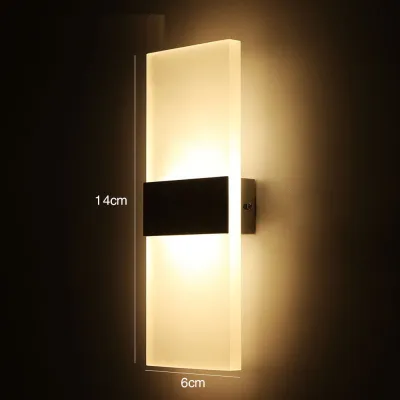
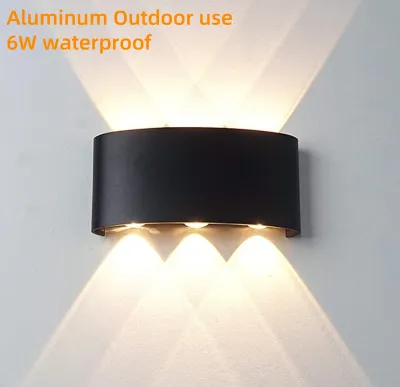
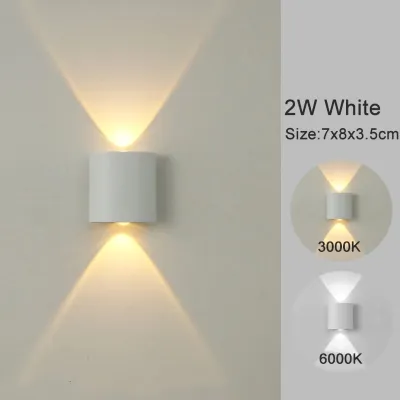
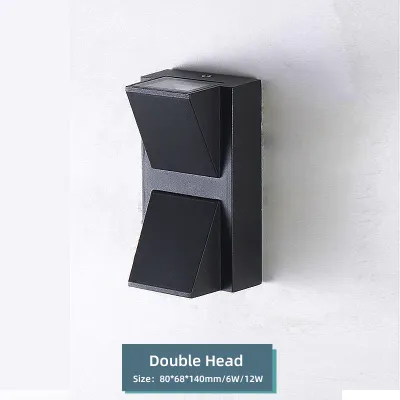
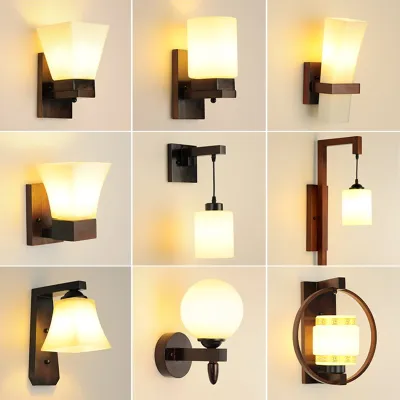
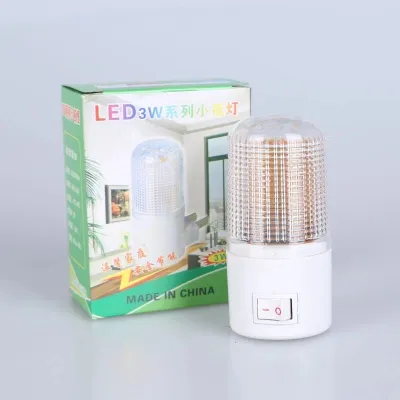
Prices are valid at publication and may change. Please refer to the product page for the latest price.
Next, define the primary function of your wall sconces. If you enjoy reading in bed, you will want a dedicated task light, such as an adjustable swing-arm sconce that directs light precisely onto your pages. If your goal is to create a relaxing atmosphere before sleep, a fixed sconce with a fabric or frosted glass shade that diffuses light outward will serve as an excellent ambient or accent source.
Before purchasing any fixtures, check the bulb base compatibility and plan for a consistent color temperature across all bedroom light sources. Mixing a cool daylight bulb in your ceiling fixture with a warm white bulb in your wall sconces can cause visual strain and make the room feel disjointed. For a cozy, restful bedroom environment, aim for warm white tones across all layers, ensuring that your bulbs share compatible bases, such as the widely available E27 or GU10 interfaces, for easy maintenance.
Coordinate Sconce Styles With Furniture and Colors
Achieving visual harmony in your bedroom requires selecting wall light designs and finishes that complement your existing furniture and color palette. Your bedside sconces should not compete with your decor; instead, they should act as cohesive design accents that tie the room together.

Start by aligning the fixture’s materials, shapes, and shades with your dominant furniture style. For a modern minimalist bedroom characterized by clean lines and sleek surfaces, look for sconces with geometric metal frames and exposed Edison-style bulbs or simple glass globes. If your bedroom features rustic or tropical contemporary elements—such as wooden bed frames, rattan accents, or woven headboards—sconces incorporating natural wood, matte black metal, or woven fabric shades will enhance the organic warmth of the space.
Coordinate the metal finishes and colors of your wall lights with the existing hardware in your room. Take note of your drawer pulls, wardrobe handles, curtain rods, and bed frames. If your room features warm brass accents, selecting brass or gold-toned sconces will create a unified look. For rooms with cooler tones or neutral palettes, matte black, chrome, or brushed nickel fixtures offer a clean, sophisticated contrast. In tropical climates where humidity levels can be high, prioritize corrosion-resistant finishes, such as powder-coated metals or treated brass, to ensure your fixtures maintain their appearance over time.
Additionally, evaluate the visual weight and scale of the sconces relative to your headboard size and nightstand proportions. Large, heavy-looking fixtures can easily overwhelm a low-profile headboard or a narrow bedside table. Conversely, tiny sconces may look lost next to a grand, upholstered king-size headboard. Aim for a balanced proportion where the sconce feels like a natural extension of the bedside setup, occupying roughly one-third to one-half the width of your nightstand.
Plan Placement, Scale, and Electrical Safety
Proper placement and electrical safety are critical when installing bedside wall lights. Unlike portable table lamps, wall-mounted fixtures are semi-permanent additions, meaning careful planning is required before making any structural changes or drilling holes.
To determine the ideal mounting height and horizontal spacing, sit up in your bed as you normally would when reading or relaxing. Ideally, the bottom of the sconce shade should sit roughly at your shoulder height, which typically translates to 55 to 60 inches from the floor. This height ensures the light source is positioned to illuminate your book or lap without shining directly into your eyes. Horizontally, position the sconces about 8 to 12 inches from the outer edges of your headboard, allowing easy access to the light without crowding your sleeping area.
Next, verify the technical specifications of your chosen fixtures against your home’s electrical setup. In the Philippines, the standard residential voltage is 220V, so ensure your fixtures are rated accordingly. Check the product labels for maximum wattage limits to prevent overheating, especially if you plan to use traditional incandescent bulbs instead of energy-efficient LEDs. You must also decide between hardwired and plug-in models. Hardwired sconces offer a seamless, wire-free look but require routing electrical cables behind the wall. Plug-in models are easier to install but feature visible cords that run down to the nearest outlet, which may require cord covers to keep the look tidy.
Electrical safety should always be your top priority during installation. Before beginning any work, turn off the power at your home’s main circuit breaker or fuse box. Always follow the manufacturer’s detailed installation instructions. If your installation involves hardwired fixtures, routing new cables through concrete or hollow block walls, or integrating dimmable capabilities with smart home switches, consult a qualified professional or a licensed electrician to ensure compliance with local electrical codes and to prevent safety hazards.
Avoid Common Lighting and Decor Pairing Mistakes
Even with careful planning, a few common pitfalls can disrupt the functionality and style of your bedroom lighting. Being aware of these mistakes beforehand allows you to make smarter purchasing and installation decisions.
One frequent error is failing to prevent reading glare. If your wall lights are positioned too high or lack proper shading, the bare bulb can create harsh glare that causes eye fatigue. To avoid this, select sconces with opaque or semi-translucent shades that direct light downward or outward rather than directly into your line of sight. Alternatively, choose adjustable swing-arm models that allow you to redirect the light beam away from your eyes when sitting up.
Another common mistake is creating visual clutter by ignoring the physical constraints of your space. Sconces that are too bulky can crowd narrow wall spaces, especially in compact bedrooms or condominiums. Ensure there is ample clearance between the fixture and nearby wardrobe doors, curtains, or hanging artwork.
Finally, ensure switch accessibility is a primary consideration. There is nothing more frustrating than having to get out of bed or stretch awkwardly to turn off your bedside light. If your sconces do not feature built-in switches on the backplate, ensure the wall switches are positioned within easy reach from a lying position, or consider pairing your fixtures with smart bulbs and wireless remote switches for ultimate convenience.
Frequently Asked Questions (FAQ)
Can I mix different metal finishes for bedroom lighting?
Yes, mixing metal finishes can add depth and character to your bedroom, provided it is done intentionally. To keep the look cohesive, select one dominant metal finish—such as matte black—to cover about 70% of your fixtures and hardware. Then, introduce a secondary accent metal, like brushed brass or polished chrome, for the remaining 30%. You can tie these contrasting finishes together by incorporating other decorative elements throughout the room, such as metallic drawer pulls, picture frames, or a decorative mirror frame that features both tones.
Do bedside wall lights need to match the ceiling light exactly?
No, your bedside wall lights do not need to match your ceiling light exactly. In fact, choosing identical fixtures can sometimes make a bedroom look overly clinical or like a showroom catalog. Instead, focus on coordinating the overall design style, geometric shapes, or color temperatures. For example, if your ceiling light features a round, mid-century modern brass design, you can pair it with bedside sconces that share a similar brass finish or round glass globes, even if the mounting and overall structure differ. This approach creates a layered, curated aesthetic while maintaining visual harmony.
Community discussion
Share your experience or ask a question. Comments are reviewed before publication.