
Pairing a picture light with corridor and bedside wall sconces is an artful way to elevate your home’s interior design, creating a seamless visual transition from public hallways to private sanctuaries. In the Philippines, where tropical architecture often embraces open-plan layouts, high ceilings, and natural ventilation, indoor lighting must work double-time to define spaces while maintaining a breezy, cohesive feel. Achieving this balance requires careful attention to design styles, metal finishes, and light output so that your accent lighting and ambient fixtures complement rather than compete with each other.
By coordinating these fixtures, you establish a curated path of light that guides the eye naturally through your home. Whether you are highlighting a cherished painting in the hallway or setting a relaxing mood in the bedroom, a thoughtful combination of picture lights and wall sconces ensures that your lighting scheme feels intentional, functional, and beautifully integrated.
Define a Unifying Aesthetic for Your Lighting
To create a cohesive lighting design, you must first select a consistent visual language that connects your picture lights and wall sconces across different rooms. This does not mean every fixture must match exactly; rather, they should share a common design thread. Start by evaluating the existing hardware in your home, such as door handles, cabinet pulls, and window frames, to determine whether a modern, classic, or transitional aesthetic is most appropriate.
Products mentioned in this guide
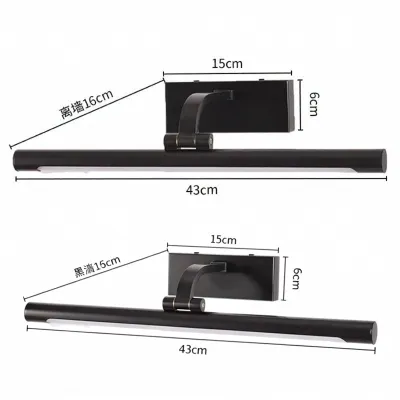
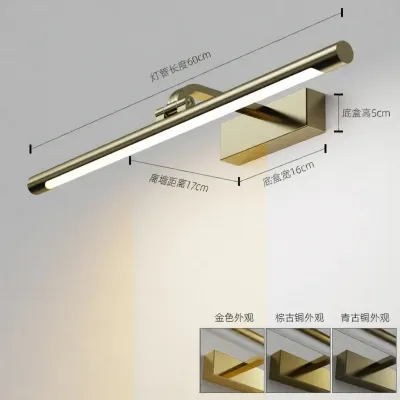
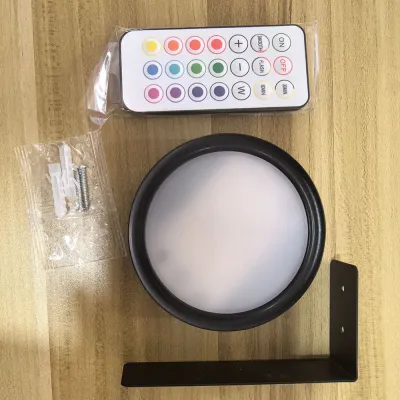
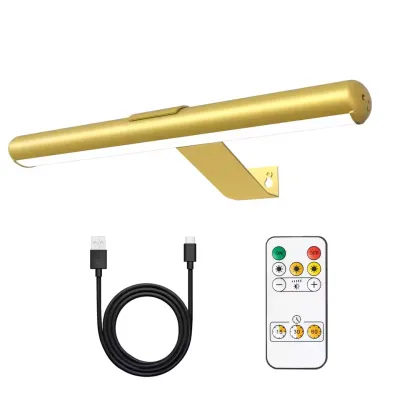
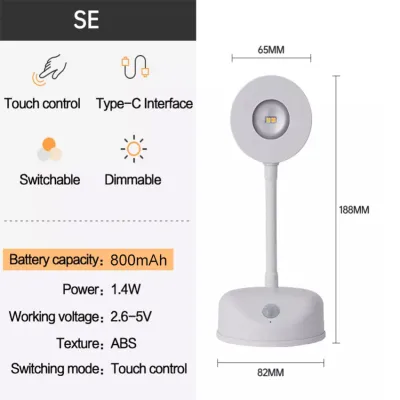
Prices are valid at publication and may change. Please refer to the product page for the latest price.
Metal finishes play a critical role in unifying your fixtures. In humid tropical environments, selecting high-quality, corrosion-resistant finishes is essential to prevent premature tarnishing or rusting. If you prefer a contemporary look, matte black, powder-coated metals, or anodized aluminum offer excellent durability and clean lines. For a more traditional or warm aesthetic, brushed brass, antique bronze, or polished nickel can add a touch of elegance, provided they are treated to withstand coastal or high-humidity conditions.
Aligning the architectural styles of your fixtures ensures they do not clash in open sightlines, such as when looking from a corridor directly into a bedroom. If your home features minimalist architecture, choose picture lights and sconces with clean, geometric profiles and concealed mounting hardware. For homes with classic or rustic details, look for fixtures with subtle ornamentation, visible screws, or textured glass that echo the craftsmanship of the space.
Using shared design details or materials is another effective way to create a subtle visual thread. You can coordinate fixtures by matching their backplate shapes—such as using round backplates for both your bedside sconces and your hallway picture lights—or by selecting fixtures that feature the same glass texture, such as ribbed, frosted, or seeded glass. This level of detail ensures that even if the fixtures serve different purposes, they feel like part of a curated collection.
Coordinate Corridor and Bedside Wall Sconces
Guiding the visual flow from transitional hallways to private bedrooms requires careful planning of fixture placement and spacing. Corridor wall sconces serve primarily as ambient and path lighting, guiding movement through the home. To maintain a comfortable rhythm of light, space corridor sconces approximately 1.8 to 2.4 meters apart, mounting them at an eye-level height of 1.5 to 1.8 meters above the floor, depending on your ceiling height.

In the bedroom, bedside wall sconces transition from ambient pathfinders to functional task lights. Symmetry is key to creating a balanced, restful environment, so mount sconces on either side of the bed frame. For comfortable reading clearance and functional reach, position bedside sconces so the bottom of the shade sits roughly 60 to 75 centimeters above the top of your mattress, allowing you to easily operate switches or adjust the light while reclining.
To link these two distinct spaces, look for shared fixture families or complementary geometric shapes. If your corridor features sleek, cylindrical up-and-down sconces, you can mirror that shape in the bedroom with a cylindrical bedside sconce that includes an integrated, adjustable reading arm. This maintains a consistent geometric theme while adapting the fixture’s functionality to the specific needs of the bedroom.
Integrate Picture Lights into the Layered Scheme
Integrating a picture light into your broader lighting plan allows you to highlight artwork and family photos without disrupting the ambient harmony of nearby wall sconces. The primary task of a picture light is to draw focus to a specific piece, which means its scale must be carefully proportioned relative to the artwork and the surrounding wall space. As a general guideline, select a picture light that is approximately half to two-thirds the width of the artwork, including the frame.
To prevent harsh glare and distracting reflections on glass-framed artwork, you must carefully adjust the fixture’s beam angle and mounting height. Mount the picture light slightly above the top of the frame and angle the light source at roughly 30 degrees toward the artwork. This angle ensures even illumination across the canvas or print while directing any potential glare downward, away from the viewer’s line of sight.
Coordinating the visual weight and projection of the picture light with nearby wall sconces is also essential for a balanced wall composition. If your corridor or bedroom features low-profile, flush-mounted sconces, choose a slim, streamlined picture light that does not protrude excessively from the wall. Conversely, if your sconces have a more substantial presence and a deeper projection, a classic, curved-arm picture light will match their visual scale and prevent the artwork display from looking flat.
Harmonize Color Temperature and Brightness
To ensure the light quality from all fixtures feels natural and consistent throughout your living spaces, you must harmonize their color temperature and brightness. Mixing conflicting light tones, such as a cool daylight bulb next to a warm white light, can create a jarring visual contrast that disrupts the relaxing atmosphere of your home. For residential spaces, a uniform warm white color temperature of 2700K to 3000K is highly recommended to create a cozy, inviting ambiance.
Utilizing dimmers is the most effective way to balance the brightness of ambient wall sconces against focused picture lights. Dimmers allow you to soften the hallway or bedroom ambient light to a gentle glow while keeping the picture light subtly illuminated, ensuring the artwork remains the focal point without overpowering the room. This flexibility is particularly useful in tropical homes during warm evenings, where lower light levels can make indoor spaces feel cooler and more tranquil.
Before purchasing bulbs or integrated fixtures, always verify their compatibility to ensure consistent color rendering and dimming performance. Check that the voltage matches your local electrical system (typically 220V in the Philippines) and that the bulb base or interface (such as E27 or GU10) matches the fixture specifications. Ensure that all LED bulbs are explicitly labeled as dimmable and are compatible with your specific dimmer switch technology, whether it is leading-edge or trailing-edge, to prevent flickering or buzzing.
Navigate Installation and Electrical Safety Boundaries
Installing wall-mounted lighting fixtures requires careful preparation and strict adherence to electrical safety standards. Before mounting any fixture, verify your wall structure and locate studs or internal framing to ensure secure installation. In many homes in the Philippines, concrete or hollow block walls are common, which require specialized masonry anchors and drill bits, whereas drywall partitions require a reliable stud finder to locate wooden or metal studs.
When planning your installation, evaluate the choice between hardwired and plug-in options based on your existing electrical infrastructure. Hardwired fixtures offer a clean, seamless look with all wiring concealed behind the wall, making them ideal for permanent installations. Plug-in fixtures are easier to install and do not require opening walls, but you must manage the cords safely using cord covers or clips to prevent tripping hazards and maintain a tidy appearance.
For any fixed wiring installation, working at heights, or mounting fixtures in damp areas (such as semi-open corridors exposed to humidity), safety must be your top priority. Always isolate the power at the main circuit breaker before touching any electrical wires. Carefully review the manufacturer’s installation instructions; if these instructions conflict with your wall conditions, or if you need to run new electrical lines or modify your home’s circuits, stop work immediately and consult a licensed electrician.
Avoid Common Lighting Coordination Mistakes
One of the most common mistakes in lighting coordination is placing clashing fixture styles within the same direct sightline. For example, installing an ornate, traditional picture light in a hallway that looks directly into a bedroom featuring ultra-modern, industrial bedside sconces creates visual confusion. Always stand at various vantage points in your home to ensure that all visible fixtures share a harmonious design language.
Another frequent error is allowing picture lights to wash out the ambient glow of nearby sconces or create harsh, distracting shadows. This often happens when the picture light’s bulb is too bright or has an incorrect beam spread. To avoid this, choose low-wattage bulbs or dimmable fixtures for your artwork, ensuring the light gently accentuates the piece rather than flooding the entire wall with intense light.
Finally, do not ignore the scale of your fixtures relative to the wall dimensions and ceiling height. Oversized bedside sconces can overwhelm a compact bedroom wall, while a tiny picture light over a large canvas will look lost and ineffective. Take precise measurements of your wall space, furniture, and artwork before selecting your fixtures, ensuring that each piece is proportionally balanced within the room.
Frequently Asked Questions (FAQ)
Can I mix different metal finishes for picture lights and wall sconces?
Yes, you can successfully mix metal finishes, provided you establish a clear visual hierarchy. Choose one dominant finish, such as matte black, to cover about 70% of the fixtures in the space, and use a secondary accent finish, like brushed brass, for the remaining 30%. To make the mix look intentional, repeat the accent finish in other room elements, such as cabinet hardware, picture frames, or furniture legs. Avoid using more than two distinct metal finishes within a single, continuous sightline to keep the design from looking cluttered.
Should bedside wall sconces and picture lights be on the same dimmer switch?
It is highly recommended to keep bedside wall sconces and picture lights on independent switches or separate dimming zones. This separation allows you to control task lighting for reading independently from the ambient accent lighting used to highlight artwork. If you prefer a unified control system, you can use smart lighting controls to program specific scenes, but you must verify that the total wattage of all connected fixtures does not exceed the dimmer switch’s load capacity and that all bulbs are compatible with the same dimming technology.
Community discussion
Share your experience or ask a question. Comments are reviewed before publication.