
Pairing solar string bulbs with existing indoor lights transforms a standard living room into a warm, inviting sanctuary. To achieve this cozy ambiance, these decorative lights must be treated as a subtle accent layer rather than a primary source of illumination. By coordinating their soft glow with existing fixtures like warm floor lamps and LED strip lights, you can create a balanced, multi-dimensional environment. Success relies on managing brightness contrast, matching color temperatures, and strategically positioning the solar panel to capture enough daily sunlight through windows or balconies.
Define Your Living Room Lighting Layers
Ambient lighting provides the general illumination needed to navigate the room safely, typically coming from ceiling-mounted fixtures or downlights. These fixtures distribute light evenly but can feel flat when used alone. Task lighting focuses on specific areas, such as reading on a sofa, using desk or adjustable floor lamps to deliver concentrated light.
Accent or decorative lighting adds visual interest, texture, and depth. This is where solar string bulbs, such as a solar string bulbs pro setup, fit perfectly. They are not designed to illuminate a whole room, but rather to draw the eye to architectural features, plants, or cozy corners.
Products mentioned in this guide
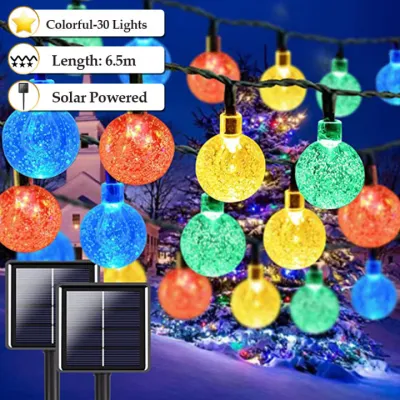
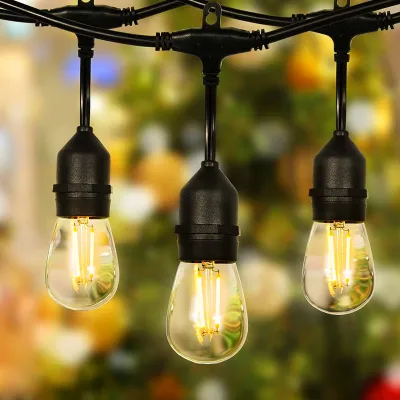
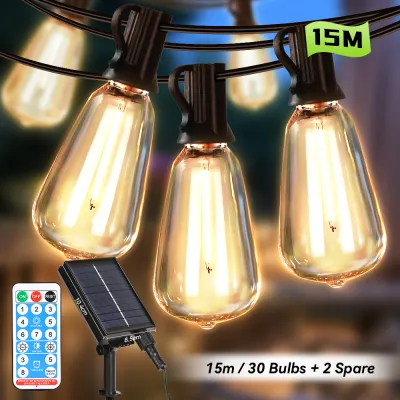
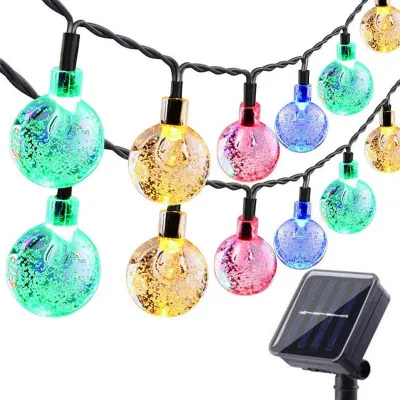
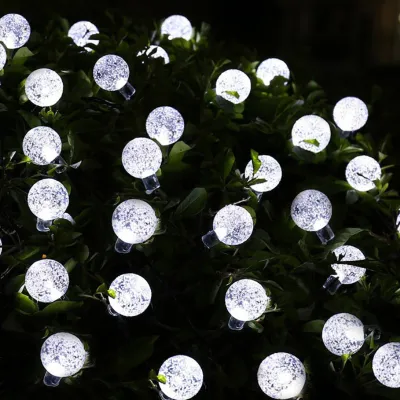
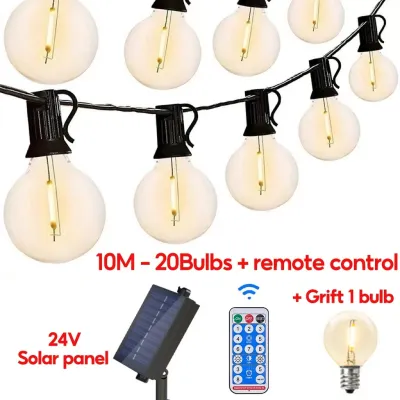
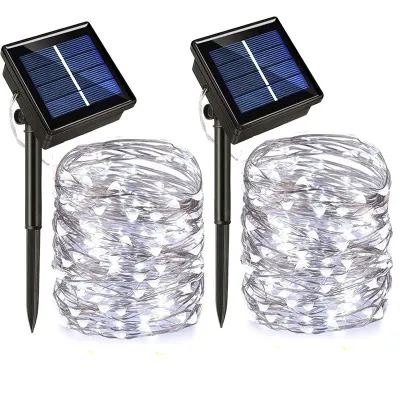
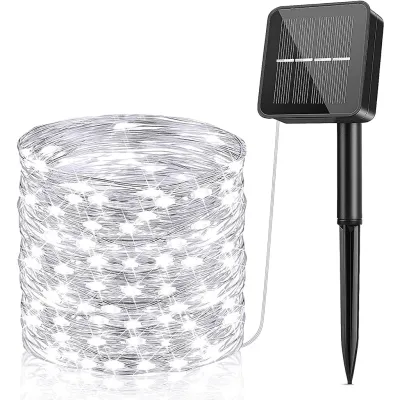
Prices are valid at publication and may change. Please refer to the product page for the latest price.
Understanding these distinct roles prevents lighting conflicts; if ambient ceiling lights are too bright, they will completely wash out the delicate glow of your decorative string lights. By identifying what each fixture does, you can dim or turn off primary lights to let the accent layers shine.
Positioning Solar String Bulbs for the Best Visual Effect
Unlike traditional plug-in lights, solar-powered options require access to sunlight to charge their internal batteries. Since you are using them indoors, you must verify that the solar panel can be positioned where it receives direct sunlight, such as on a sunny windowsill or near a glass balcony door. Deep indoor placements away from natural light will lead to rapid power failure and short runtimes.

Once you establish the panel’s position, plan the cable path carefully. The wire leading from the solar panel to the first bulb must be long enough to reach your desired decorative zone without being stretched tight, running along walls or behind furniture to avoid creating tripping hazards.
Look for areas in your living room that benefit from soft, localized highlights. Draping the bulbs along the edges of a wooden bookshelf adds warmth to your book collection. Wrapping them gently around the sturdy branches of large indoor plants, like a fiddle-leaf fig, creates beautiful natural shadows. You can also drape them over curtain rods to frame your windows or tuck them behind a media console to soften the hard edges of electronic screens.
Pairing Solar Strings With Existing Indoor Fixtures
The secret to a cohesive atmosphere lies in matching the color temperature of all active light sources. Solar string bulbs typically emit a warm white glow (often around 2700K). If you pair warm solar bulbs with cool, daylight-balanced indoor fixtures (5000K or higher), the contrast can feel harsh and clinical. Check the specifications of your indoor bulbs and aim for warm white tones across all active fixtures to maintain a relaxing mood.
To make the subtle glow of solar string bulbs stand out, you must manage the overall brightness of the room. High-intensity overhead lights will easily overpower accent lighting. Consider dimming your main ceiling lights or switching to low-wattage bulbs in your primary fixtures during the evening, allowing the delicate points of light from the string bulbs to become the focal point of the space.
Pairing With Warm Floor Lamps
Combining floor lamps and string lights creates a layered, comfortable reading or lounging corner. Position a floor lamp next to your favorite armchair to provide upward ambient light or downward task light for reading. Meanwhile, place the solar string bulbs in the background—perhaps draped along a nearby wall tapestry or woven through a tall plant. This physical separation between the primary task light and the decorative background light adds a sense of depth and three-dimensionality to the seating area.
Safety is a critical factor when combining these fixtures. Traditional floor lamps, especially those using halogen or high-wattage incandescent bulbs, can generate significant heat. Never wrap string lights directly around traditional lamp shades or hot bulbs, as this poses a fire hazard and can damage the string’s insulation. If you are using modern LED floor lamps, verify the manufacturer’s instructions regarding clearance and heat output to ensure a safe installation environment.
Layering With LED Strip Lights
Integrating solar string bulbs with LED strip lights allows you to play with different types of light distribution. LED strips excel at providing indirect, diffused illumination. Mount them behind your television console, under open cabinets, or inside ceiling coves to wash the walls with a soft, even glow. With this indirect background established, you can use your solar string bulbs as a foreground decorative element, placing them on open shelving or inside glass lanterns on a coffee table.
Managing these two systems requires a clear plan for daily operation. Solar string lights are typically closed, independent systems that rely on built-in light sensors to turn on automatically when the room darkens. In contrast, modern LED strips often use remote controls, smartphone apps, or smart home integrations. Because they operate on different control mechanisms, you will need to coordinate them manually or adjust the placement of the solar panel’s light sensor so it is not falsely deactivated by the bright glow of the LED strips.
Practical Limits and Safety Checks for Indoor Solar Use
It is important to recognize that solar-powered lights are subject to environmental conditions. In tropical climates like the Philippines, rainy afternoons, heavy cloud cover, or seasonal monsoon weather can drastically reduce the amount of sunlight your solar panel receives. Consequently, the battery may not fully charge, leading to shorter runtimes at night. Position these lights as supplemental mood lighting rather than a critical, reliable light source for daily activities.
When securing your string lights indoors, prioritize damage-free mounting solutions. Use adhesive hooks, plastic cable clips, or hook-and-loop fasteners designed for indoor walls. Avoid using metal nails, staples, or tacks to hang the wires. Puncturing the protective insulation of the cable can expose live wires, creating electrical hazards or permanently damaging the light string.
Although solar string systems operate on safe, low-voltage direct current (DC) power, you must never attempt to modify the wiring to connect them directly to your home’s mains-powered alternating current (AC) circuits. Splicing solar wires into household outlets or light switches is extremely dangerous. If you require structural wiring modifications, smart plug installations, or dedicated indoor outlets near your windows, always stop and consult a qualified professional electrician.
Frequently Asked Questions (FAQ)
Can I leave solar string lights on all night in the living room?
Yes, you can leave them switched on, but their actual runtime is limited by environmental factors. The duration the bulbs remain illuminated depends entirely on the amount of direct sunlight the solar panel received during the day and the storage capacity of the internal battery. Most solar string lights feature automatic light-sensitive sensors that turn the bulbs on at dusk. However, because they rely on stored battery power, they will typically turn off automatically in the middle of the night once the battery depletes.
Do solar string bulbs work well with smart home lighting systems?
Standard solar string bulbs operate as independent, closed electrical systems. They do not contain Wi-Fi or Bluetooth chips, meaning they cannot natively connect to smart home hubs, voice assistants, or automated routines. To coordinate them with your smart indoor lights, you must rely on physical placement or manual operation. If you want automated control, check the manufacturer’s specifications to see if the light set supports USB charging; some models can be powered via a USB adapter plugged into a smart plug, allowing you to integrate them into your existing smart home ecosystem.

Community discussion
Share your experience or ask a question. Comments are reviewed before publication.