
Designing a cohesive lighting scheme requires balancing practical utility with visual harmony. When selecting wall lights indoor design principles dictate that your fixtures should not exist in isolation. Instead, they must work together to guide movement, establish mood, and define the architectural character of your home. Corridors and bedside areas represent two of the most critical zones for wall-mounted fixtures, yet they serve vastly different purposes.
Corridor lighting is fundamentally about wayfinding, safety, and creating a welcoming transition between active living spaces and private quarters. It must provide clear, even illumination that eliminates dark corners without casting harsh glare at eye level. Bedside lighting, by contrast, is highly intimate and task-oriented. It must support quiet activities like reading, facilitate winding down, and offer soft, ambient illumination that does not disturb a sleeping partner.
By taking a coordinated approach to these adjacent zones, you create a sense of visual continuity that ties your home together. Rather than feeling like a collection of unrelated rooms, your living space feels intentionally curated. Wall sconces are uniquely suited for this task because they occupy the vertical plane—the level at which we naturally perceive space and design details. Utilizing them effectively allows you to layer ambient, task, and accent lighting seamlessly across your floor plan.
Products mentioned in this guide
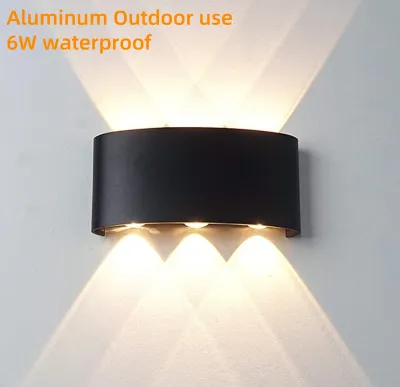
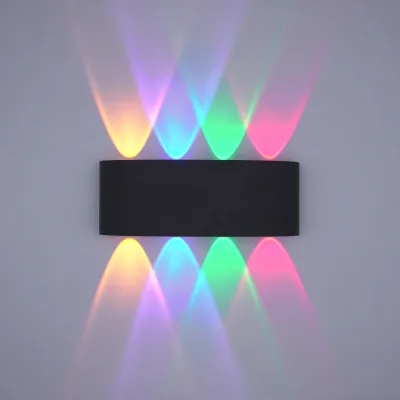
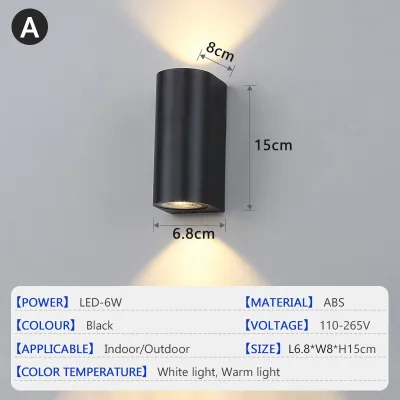
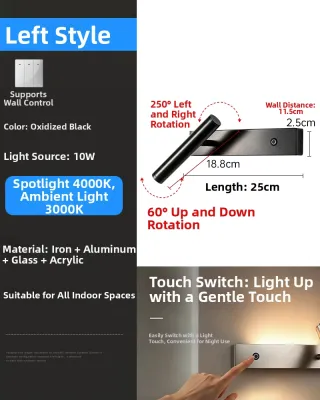
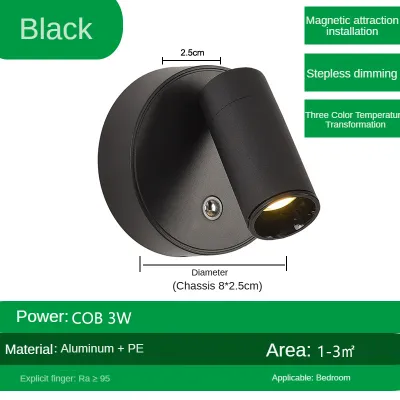
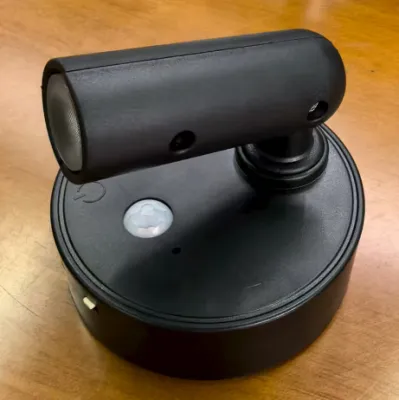
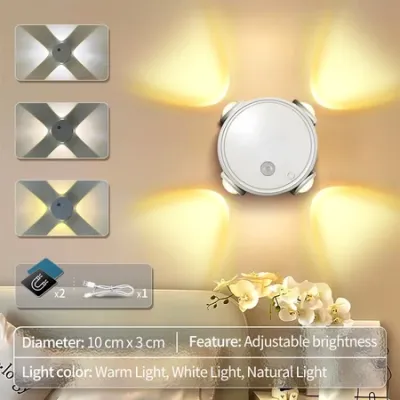
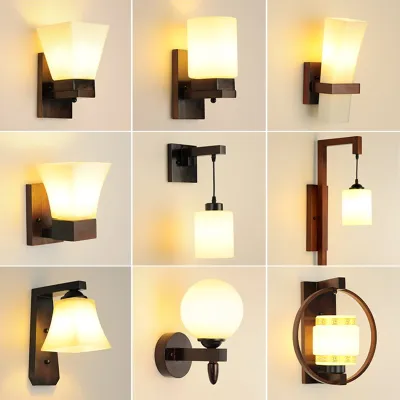
Prices are valid at publication and may change. Please refer to the product page for the latest price.
Core Strategies for Pairing Wall Lights Across Spaces
Coordinating wall lights between your hallways and bedrooms does not require purchasing identical fixtures for every wall. In fact, using the exact same sconce everywhere can make an interior look flat and uninspired. True design harmony is achieved by identifying a shared design DNA—such as a common material, a matching finish, or a complementary silhouette—and letting that thread run through different fixture shapes optimized for each specific location.
Matching Finishes and Materials
One of the most reliable ways to link corridor and bedside lighting is through consistent hardware finishes. When the metal backplates, arms, or accents of your fixtures share the same finish, they create an immediate, subtle visual connection even if the shapes of the lights are completely different.
Popular finishes include brushed brass, matte black, oil-rubbed bronze, and polished nickel. In the tropical, high-humidity climate of the Philippines, metal finishes are highly susceptible to moisture, salt air, and tarnishing. When selecting fixtures, verify that the metal has been treated with a high-quality, corrosion-resistant powder coating or electroplated finish. Regular maintenance, such as gently wiping the hardware with a dry microfiber cloth, will prevent moisture buildup from degrading the finish over time.
To apply this strategy, you might select a sleek, low-profile matte black metal sconce for a narrow corridor, and pair it with a bedside sconce that features a soft linen fabric shade supported by an identical matte black metal arm. The shared metal finish provides the visual anchor, while the fabric shade in the bedroom softens the light and introduces a cozy texture appropriate for a sleeping space.
Coordinating Styles with Varied Shapes
Another approach is to coordinate fixtures within the same design family or historical era while varying their physical forms to suit the spatial constraints of each area. This ensures that your home retains a consistent aesthetic theme, whether that is mid-century modern, industrial, coastal, or minimalist.
Corridors are often high-traffic, narrow pathways where space is at a premium. In these zones, protruding fixtures can become physical hazards. It is highly recommended to select flush-mount or linear sconces with a shallow projection depth—ideally keeping the fixture within 10 to 12 centimeters of the wall. This ensures that family members can pass through freely without accidentally bumping into the lights.
Bedside areas, on the other hand, benefit from fixtures that offer adjustability. Swing-arm sconces, articulating joints, or directional shades allow you to position the light exactly where you need it for reading, and then tuck it back against the wall when not in use. By choosing a linear, flush-mount corridor light and an adjustable swing-arm bedside light from the same manufacturer’s collection, you maintain stylistic integrity while perfectly addressing the functional needs of each zone.
Unifying Color Temperature and Light Quality
Even the most beautifully paired fixtures will feel disconnected if they emit wildly different colors of light. Mixing a harsh, cool daylight bulb in the hallway with a warm, amber-toned bulb next to the bed creates a jarring visual transition that disrupts the flow of your home.
For residential spaces, maintaining a consistent warm white color temperature is key to creating a relaxing and inviting atmosphere. When purchasing bulbs or integrated LED fixtures, always check the packaging to verify the exact Kelvin (K) rating:
- 2700K (Extra Warm White): Excellent for bedside areas, mimicking the soft, cozy glow of traditional incandescent bulbs.
- 3000K (Warm White): Ideal for corridors and transitional spaces, providing a clean, welcoming light that is bright enough for safety but soft enough to avoid glare.
Keeping your lighting within this 2700K to 3000K range ensures a smooth transition as you walk from the hallway into the bedroom. Additionally, if your chosen sconces feature exposed bulbs, ensure the bulb styles match. Pairing a modern, clear glass globe bulb in the corridor with a vintage Edison-style spiral filament bulb at the bedside can look disorganized; stick to one cohesive bulb family to preserve the design thread.
Step-by-Step Guide to Selecting and Layering Your Sconces
Executing a coordinated lighting plan requires careful preparation, clear budgeting, and precise spatial planning. Follow these steps to select and position your wall lights effectively.

- Step 1: Assess the Space and Proportions. Begin by taking accurate measurements of your walls, ceiling heights, and key furniture pieces. Note the width of your corridor and the height of your headboard. A large, bulky sconce will overwhelm a narrow hallway, while a tiny, delicate fixture will look lost on a grand, high-backed bed. Aim for scale symmetry: larger walls and furniture demand more substantial fixtures.
- Step 2: Define the Budget Allocation. Establish your spending limits early, keeping in mind that high-quality wall fixtures generally fall into distinct price bands. Simple, decorative corridor sconces can often be found in the budget-friendly range of ₱1,200 to ₱2,500 per fixture. Bedside sconces, which often feature complex mechanical joints, integrated dimming switches, or premium fabric shades, may require a higher investment of ₱3,500 to ₱6,500 or more. Allocate a larger portion of your budget to the bedside lights, where touch-points and daily adjustability are highest.
- Step 3: Check Compatibility and Specifications. Before making a purchase, verify all technical specifications. Check the bulb base type—E27 is the most widely available standard in the Philippines, while GU10 is common for directional spotlights. Ensure the fixtures are compatible with the country's standard 220V/60Hz electrical grid. If you plan to use LED bulbs, confirm that both the bulb and the fixture support dimming, and check the maximum allowable wattage limits to prevent overheating.
- Step 4: Plan the Placement. Standard mounting heights serve as helpful guidelines, but they must be adapted to your home's specific layout and users. For corridors, install sconces so the center of the light source sits approximately 150 to 170 centimeters above the finished floor, keeping the light bulb out of direct eye level for most adults. For bedside areas, sit on your mattress and measure your shoulder-to-eye height. Position the bedside sconces so the bottom of the shade is roughly level with your chin (typically 55 to 75 centimeters above the top of the mattress), preventing the bulb from shining directly into your eyes while you read.
- Step 5: Test the Layering. Sconces should complement, not compete with, your existing ceiling fixtures and natural light. Before finalizing the installation positions, use temporary lamps or hold the fixtures up to the wall to visualize how the light spreads. Ensure that the wall lights fill in the shadows left by overhead downlights, creating a balanced, multi-layered lighting effect.
Common Pairing Mistakes and Design Taboos to Avoid
To ensure your lighting design looks professional and functions flawlessly, guard against these common design missteps.
- Clashing Styles: Avoid pairing highly ornate, traditional crystal or classic brass candle-style sconces in the bedroom with ultra-modern, raw concrete or minimalist linear LED strips in the adjacent corridor. The stylistic leap is too drastic and breaks the visual harmony of the home.
- Ignoring Scale and Proportion: Do not install deep, protruding fixtures in narrow corridors where they restrict movement or risk being knocked down by passing laundry baskets. Conversely, avoid using tiny, underpowered accent lights on a massive master bed headboard, as they will fail to provide adequate reading light and look visually unbalanced.
- Glare and Light Spill: Never use unshielded, clear glass sconces with high-lumen bulbs at the bedside. This creates harsh glare that strains the eyes and disrupts relaxation. Opt for frosted glass, fabric shades, or opaque metal shades that direct light downward or upward rather than outward into your eyes.
- Mismatched Dimming Capabilities: Avoid having a beautifully dimmable bedside light paired with a non-dimmable, bright corridor light on the same visual axis. If you leave the bedroom door open, the bright, un-dimmed hallway light will spill into the bedroom, ruining the soft, relaxing environment you worked to create.
Installation Safety and Electrical Considerations
Installing hardwired wall sconces involves working with your home’s electrical system, which carries inherent safety risks. Adhering to strict safety protocols protects both your family and your property.
Any hardwired lighting installation must comply with the local electrical codes, such as the Philippine Electrical Code (PEC). Before beginning any installation, inspection, or maintenance work, you must turn off the main power supply at the circuit breaker panel. Never rely solely on the wall switch to isolate the power.
Always consult the product’s wiring diagram, installation manual, and specifications to verify voltage compatibility and grounding requirements. Standard Philippine residential wiring operates at 220V, and proper grounding is essential to prevent electrical shocks, especially in concrete or steel-framed structures.
If your installation requires running new electrical wires behind walls, cutting into drywall, mounting new junction boxes, or modifying concrete walls, it is strongly recommended to hire a licensed and qualified electrician. Professional installation ensures that all connections are secure, insulated, and compliant with safety standards, preserving your product warranties and home insurance coverage.
Finally, pay close attention to the installation environment. If your corridor connects directly to a bathroom, a kitchen, or a semi-outdoor transition area like a covered patio or dirty kitchen, the fixtures will be exposed to elevated levels of moisture and steam. In these zones, you must verify that the wall lights have an appropriate Ingress Protection (IP) rating. Look for fixtures rated IP44 or higher, which indicates they are sealed against moisture splashes and dust, preventing short circuits and premature corrosion.
Frequently Asked Questions (FAQ)
Can I use the exact same wall light model in both the corridor and bedroom?
Yes, using the exact same model guarantees perfect visual consistency, but it may compromise functionality. A fixture designed as a low-profile, flush-mount corridor light will not offer the directional adjustment or soft shading needed for comfortable bedside reading. Conversely, an adjustable swing-arm bedside light will protrude too far into a narrow corridor, creating a physical hazard. Using the same model works best if the fixture is a simple, medium-profile ambient light, but you may need to supplement your bedside with separate reading lights if you choose this route.
How do I ensure the wall lights match my existing ceiling fixtures?
To integrate new wall sconces with existing ceiling lights, avoid buying identical matching sets, which can make a room look rigid and sterile. Instead, identify one or two key design elements from your ceiling fixture—such as a brushed brass finish, a frosted glass texture, or a geometric silhouette—and select wall sconces that share those specific details. This creates a cohesive, designer-level look while allowing each fixture to maintain its own unique character.
Community discussion
Share your experience or ask a question. Comments are reviewed before publication.