
Quick Guide to Pairing Wooden Wall Lamps and Bedroom Furniture
Achieving a cohesive bedside look requires a thoughtful balance of material warmth, design style, and physical scale. When integrating a wooden wall lamp into your bedroom, the most successful designs either match the existing wood undertones of your furniture or establish an intentional, high-contrast style. Aligning the lamp’s silhouette with the design language of your nightstand and headboard creates a unified visual anchor for the room.
Beyond aesthetics, the physical placement and scale of the fixture dictate both its daily usability and visual harmony. A lamp that is too large can overwhelm a compact bedside table, while a fixture mounted at the incorrect height can cause uncomfortable glare. Before finalizing any design choices, verifying technical specifications such as local electrical compatibility, bulb base requirements, and safe installation practices is essential for a secure and functional setup.
How to Match Wood Tones and Finishes for Bedside Sconces
Coordinating Warm and Cool Undertones
Wood is a highly dynamic material characterized by distinct natural undertones that influence how it interacts with surrounding colors. To create a harmonious bedside area, begin by identifying whether your existing bedroom furniture—such as the bed frame, nightstands, and flooring—features warm or cool undertones. Warm wood species, including teak, cherry, and local tanguile, display yellow, orange, or reddish hues, whereas cool woods like ash, weathered pine, or gray-washed oak present subtle gray or white undertones.
Products mentioned in this guide
![[2024]Wooden Wall Lamp for Bedroom Bedside Lamp Modern Living Room Corridor Lights and Minimalist Hallway Lighting](https://img.lazcdn.com/g/p/08c03bc770aaa8a2caf90dce7e16d5f6.jpg_400x400q80.jpg_.webp)
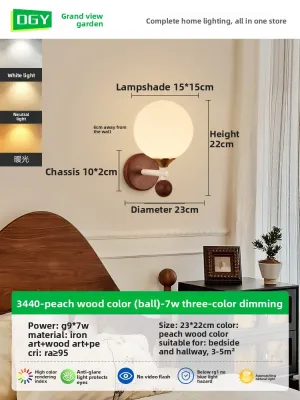
Prices are valid at publication and may change. Please refer to the product page for the latest price.

For a seamless and serene bedroom environment, select a wooden wall lamp that shares the same undertone category as your primary furniture pieces. If your bedroom features a mix of different wood species accumulated over time, a neutral, mid-tone wood like natural white oak or walnut can serve as an effective transitional bridge. These versatile wood tones possess balanced, earthy characteristics that ground disparate design elements without clashing with either distinctly warm or cool furniture.
Mixing Wood Finishes Without Clashing
Mixing different wood finishes in a single space adds depth and character, provided it is done with deliberate intent. A reliable design rule when combining different woods is to maintain high contrast between the pieces. For instance, pairing a dark espresso or charcoal-stained wooden wall lamp with a light natural maple nightstand looks intentional and sophisticated because the contrast is clear and bold.
Avoid pairing woods that are very close in color but feature slightly different grain patterns or finishes, as this often looks like an accidental mismatch rather than a conscious design choice. To tie mixed wood tones together cohesively, look for wooden wall lamps that incorporate secondary materials. A sconce featuring a fabric shade or specific metal hardware can mirror other elements in the room, such as metal drawer pulls or linen bedding, successfully unifying the mixed wood elements.
Aligning Lamp Styles with Your Bedroom Decor Theme
Rustic, Farmhouse, and Tropical Pairings
Bedrooms designed with organic, rustic, or tropical themes benefit greatly from the natural texture of wooden lighting fixtures. Raw, reclaimed, or hand-carved wooden wall lamps pair exceptionally well with distressed wooden headboards, woven textiles, and abundant indoor foliage. Incorporating natural accents like rattan or abaca into the lamp design enhances the relaxed, outdoors-in aesthetic typical of tropical interior styling.
In humid climates like the Philippines, environmental factors play a significant role in the longevity of wooden decor. High relative humidity can cause untreated or poorly sealed wood to warp, crack, or develop mold over time. When selecting a wooden fixture for these environments, always check the manufacturer’s care instructions and product labels to verify that the wood finish or protective sealant is specifically formulated to withstand moisture and tropical conditions.
Modern, Minimalist, and Mid-Century Combinations
For bedrooms defined by clean lines, minimalist layouts, or mid-century modern aesthetics, choose wooden wall lamps with geometric shapes and smooth, refined finishes. Sconces featuring slender wooden backplates paired with matte black or brushed brass metal arms complement sleek platform beds and floating nightstands. The contrast between the organic warmth of the wood and the cool precision of the metal accents creates a sophisticated, curated look.
To preserve a clean and minimalist visual field, keep the metal hardware finishes consistent across your bedside area. If your wooden wall lamp features matte black metal details, matching those details with the hardware on your nightstand drawers or nearby light switches reinforces a cohesive design. This level of detail ensures that the wooden element remains a warm highlight rather than an isolating feature in a modern space.
Sizing, Placement, and Layering Bedside Wall Sconces
Establishing the correct physical relationship between your wall lamp, nightstand, and bed frame is crucial for both visual balance and functional lighting. As a general guideline, bedside wall sconces should be mounted so that the bottom of the lamp shade sits approximately 30 to 36 inches above the top of your mattress. This placement ensures the light source is positioned roughly at eye level when you are sitting up in bed, providing comfortable illumination for reading without casting a direct, harsh glare into your eyes.
Proportion is equally important when selecting the size of your wooden wall lamp. A bulky, solid-wood block sconce will easily overwhelm a small, delicate floating shelf, while a tiny, minimalist wooden peg lamp may look completely lost next to a tall, heavy mahogany headboard. Measure your available wall space and compare it directly to the manufacturer’s specified lamp dimensions before purchasing to ensure the fixture scales harmoniously with your furniture.
Layering your lighting sources prevents harsh shadows and creates a relaxing evening ambiance. A wooden wall lamp is highly effective as a dedicated task light for reading or as a soft accent light before sleep. To achieve a balanced scheme, complement your bedside sconces with ambient ceiling lighting, such as recessed warm lights or a central pendant, allowing you to adjust the room’s brightness level based on your daily activities and mood.
Essential Specs and Safety Checks Before Installation
Before purchasing or installing any wooden wall lamp, verifying its electrical specifications is a non-negotiable safety step. In the Philippines, the standard residential electrical system operates at 220V and 60Hz. Ensure that the lamp’s integrated driver or socket is fully compatible with this voltage rating, and confirm the required bulb base type, such as the standard E27 screw base or the smaller E14 base.
Because wood is a naturally combustible material, managing heat dissipation is critical for safety. Always check the manufacturer’s maximum wattage limit printed on the fixture’s label. To minimize heat transfer to the wooden frame or shade, use high-efficiency, low-wattage LED bulbs instead of traditional incandescent bulbs. LED bulbs run significantly cooler, consume less energy, and reduce the risk of heat-induced damage or discoloration to the wood over time.
| Specification | Requirement / Verification Check |
|---|---|
| Local Voltage | Must be rated for 220V, 60Hz |
| Bulb Base Type | Verify socket match (e.g., E27, E14, or GU10) |
| Wattage Limit | Strict adherence to maximum rated wattage; LED highly recommended |
| Installation Environment | Dry location rating; check moisture resistance for high-humidity areas |
| Electrical Certification | Look for local safety marks or international certifications (e.g., CE, UL) |
For hardwired installations—which involve drilling into walls, routing cables through structural cavities, or modifying existing electrical wiring—always isolate the power by turning off the main circuit breaker before starting any work. If you are mounting heavy solid-wood fixtures or are unfamiliar with electrical wiring, do not attempt a DIY installation. These tasks must be handled by a qualified professional electrician to ensure compliance with local building and electrical codes. If you opt for a plug-in wooden sconce instead, practice safe cord management by securing loose cables with adhesive clips or cord covers to keep the bedside area tidy and prevent tripping hazards.
Common Wooden Wall Lamp Pairing Mistakes to Avoid
One of the most frequent styling mistakes is overlooking the visual weight of the lamp in relation to the bed’s headboard. A heavy, dark wood sconce paired with a delicate, open-spindle headboard can make the bedside area look top-heavy and unbalanced. Always aim for a complementary relationship where the visual weight of the fixture matches or intentionally balances the structural style of the bed frame.
Another common error is selecting the wrong bulb color temperature for a space dedicated to rest. While cool white or daylight bulbs (5000K and above) are excellent for utility areas, they can feel clinical and disrupt sleep patterns when used at the bedside. Opting for warm white bulbs (between 2700K and 3000K) is a conditional preference that enhances the natural grain of the wooden lamp while creating a cozy, inviting environment.
Finally, avoid rushing into installation without testing the physical layout first. Before drilling permanent holes into your bedroom walls, use painter’s tape to outline the exact dimensions of the wooden wall lamp on the wall. Sit in your bed at various angles, check the height relative to your nightstand, and observe how the scale feels within the room. This simple test helps prevent alignment errors and ensures your new wooden wall lamps deliver a perfectly cohesive bedside look.
Community discussion
Share your experience or ask a question. Comments are reviewed before publication.