
Placing a mirror strategically is one of the most effective ways to make a small bedroom feel open, airy, and significantly larger than its physical footprint. By capturing natural light and reflecting open pathways, a well-positioned mirror tricks the eye into perceiving depth where a solid wall once stood. To achieve this optical expansion, you must look beyond simple aesthetics and focus on how light, furniture layout, and reflections interact within your specific space.
In compact bedrooms, every square inch of wall and floor space counts. A poorly placed mirror can end up reflecting a cluttered corner or creating distracting glare, which actually makes the room feel more cramped and chaotic. By understanding the principles of light angles and visual sightlines, you can transform a tight, dim bedroom into a bright and welcoming sanctuary.
Assess Your Bedroom's Layout and Light Sources
Before mounting any hardware or purchasing a new mirror for bedroom use, take a detailed look at your room’s layout and natural light patterns. Observe how sunlight enters the room at different times of the day. In tropical environments like the Philippines, morning light might stream in softly, while afternoon sun can be incredibly intense. Mapping these light paths helps you determine where a mirror can capture ambient brightness without reflecting blinding rays directly onto your bed or workspace.
Products mentioned in this guide
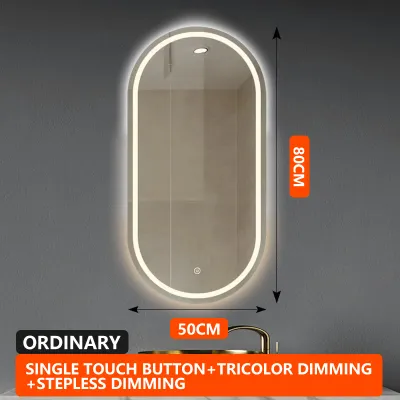

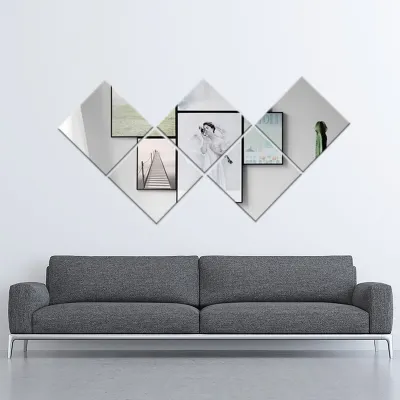
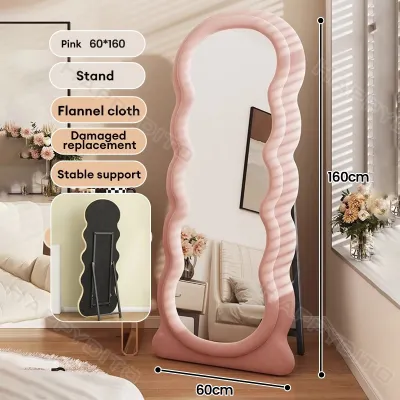
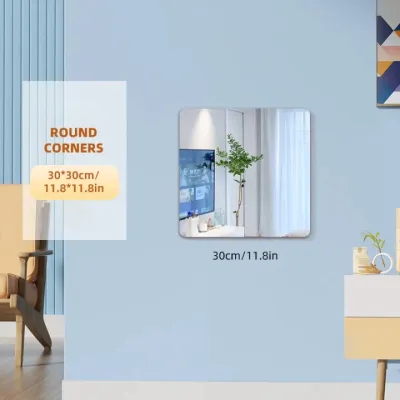
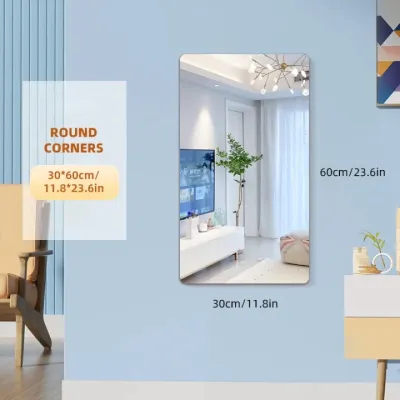
Prices are valid at publication and may change. Please refer to the product page for the latest price.
Next, note the positions of your largest furniture pieces, such as the bed, wardrobe, and desk. These items dictate the flow of movement and establish the room’s visual weight. A mirror should complement these pieces rather than compete with them. Look for open wall spaces that sit opposite or adjacent to these large items, as these areas offer the greatest potential for creating depth.
Finally, identify any cluttered zones or awkward architectural features that you would prefer to keep hidden. A mirror reflects everything in its path, meaning an open wardrobe, a basket of unsorted laundry, or a tangle of charging cables will be doubled in your visual field. Aim to position your mirror so its reflection captures clean, open spaces, simple decor, or outdoor views, which naturally extends the room’s boundaries.
Best Mirror Placements to Expand a Small Bedroom
Maximizing the spatial illusion of a mirror requires deliberate positioning. By targeting specific zones in your bedroom, you can manipulate how light travels and how the room’s proportions are perceived. Whether you want to make a low ceiling feel higher or a narrow walkway feel wider, choosing the right placement zone is the foundation of successful spatial styling.

Opposite or Adjacent to a Window
Placing a mirror directly opposite or adjacent to a window is the classic method for doubling the natural light in a small bedroom. When positioned correctly, the mirror acts like an additional window, bouncing outdoor light deep into the room and creating a brighter, more open atmosphere. This setup is particularly beneficial in compact rooms with limited window openings, as it maximizes whatever daylight is available.
To find the optimal angle, stand near your window and observe where the light naturally hits the opposite or adjacent walls. Mounting your mirror in these high-light zones ensures maximum reflection. If you place the mirror adjacent to the window, angle it slightly inward if possible, or choose a wide design to catch the light as it enters.
However, be mindful of the intense tropical sun. Placing a mirror directly opposite a west-facing window can project harsh, hot glare onto your bed, desk, or seating areas during the afternoon. To prevent this discomfort, test the reflection at different times of the day before permanently mounting the mirror, or use sheer curtains to soften the incoming light.
Behind the Bed or Key Furniture
Using the wall space behind your bed or other key furniture pieces is an excellent way to add visual depth without sacrificing valuable floor space. Positioning a wide, horizontal mirror or a pair of tall, vertical mirrors directly behind your headboard creates an immediate focal point that draws the eye outward. This technique tricks the brain into thinking the room continues past the wall, effectively extending the perceived length of the bedroom.
When aligning a mirror above a headboard or dresser, maintain a balanced proportion. The bottom edge of the mirror frame should typically sit about 6 to 8 inches above the top of the furniture. This gap prevents the arrangement from looking cramped while ensuring the mirror remains securely integrated into the overall design of the room.
Safety is paramount when hanging heavy glass objects near sleeping areas. Always ensure the mirror is mounted with heavy-duty hardware rated for the specific weight of the piece. If you live in an area prone to seismic activity or simply want extra peace of mind, consider using flush-mount cleat hangers rather than standard picture wire, as they hold the mirror flat and secure against the wall.
In Dark Corners or Narrow Pathways
Dark corners and narrow pathways can make a small bedroom feel incredibly restrictive and cave-like. Placing a mirror in these neglected zones instantly bounces light into shadowy areas, making the entire room feel more cohesive and spacious. A tall floor mirror is particularly effective in tight corners, as its vertical orientation draws the eye upward, emphasizing the height of the ceiling.
In narrow pathways, such as the entry corridor of a bedroom or the space between the bed and the wardrobe, a wall-mounted mirror can visually widen the walking area. By reflecting the opposite wall, it breaks up the tunnel-like feeling that often plagues compact room layouts.
To maximize this effect, pair your corner mirror with ambient lighting. Placing a warm LED floor lamp or a stylish wall sconce near the mirror allows the glass to catch and scatter the artificial light at night. When installing any electrical fixtures, always verify the voltage, base interface, and wattage limits, and ensure the products carry proper electrical safety certifications to prevent hazards in your sleeping space.
Choosing the Right Mirror Size and Shape for Your Space
Selecting the correct dimensions and shape for your bedroom mirror is just as important as finding the right placement. In a small room, a common mistake is choosing a mirror that is too small, which can look lost on the wall and fail to make a significant spatial impact. Conversely, an oversized mirror must be chosen carefully so it does not overwhelm the room’s proportions.
As a general rule of thumb, when hanging a mirror above a piece of furniture like a dresser or console, the mirror’s width should be about two-thirds to three-quarters of the width of the furniture below it. This ratio creates a balanced, grounded look. If you are using a single large statement mirror, such as a full-length floor mirror, ensure it occupies a substantial portion of the wall to truly open up the space.
While a gallery wall of smaller, decorative mirrors can be visually appealing, it is often less effective at making a room look bigger. Multiple small frames break up the reflection and can create visual clutter, which defeats the purpose of expanding the space. A single, large mirror provides a continuous, uninterrupted reflection that is far superior for creating the illusion of depth.
Pay close attention to the frame thickness and material, as these factors contribute to the visual weight of the piece. Heavy, dark wood or ornate plaster frames can feel bulky and oppressive in a compact bedroom. Instead, opt for thin metal frames, light-colored wood, or frameless designs that blend seamlessly into the wall. In humid tropical climates, verify that the frame material is moisture-resistant to prevent warping, mold, or rust over time.
Installation and Safety Checks for Wall Mirrors
Hanging a mirror securely is a critical step that requires careful planning and the right tools. Because mirrors can be incredibly heavy, relying on simple nails or adhesive strips is a safety hazard, especially in a bedroom. Before you begin, identify your wall type. Many homes in the Philippines feature solid concrete or masonry walls, which require masonry drill bits, plastic wall plugs (often referred to locally as tox plugs), and matching screws to ensure a secure hold.
If you are working with drywall, always use a stud finder to locate the wooden or metal studs behind the wall. Mounting your mirror directly into a stud provides the strongest support. If a stud is not available in your desired location, you must use heavy-duty toggle bolts or threaded drywall anchors rated for the exact weight of your mirror. Never exceed the weight limits specified on the anchor packaging.
For oversized, heavy, or custom-cut glass mirrors, always practice two-person handling during installation. Attempting to lift and mount a large mirror alone increases the risk of dropping the piece, causing severe injury or property damage. If you are dealing with complex wall structures, high-up installations, or exceptionally heavy antique mirrors, stop and consult a qualified professional installer to ensure the job is done safely and securely.
Common Placement Mistakes to Avoid
To get the most out of your mirror for bedroom layout, you must avoid several common placement pitfalls that can ruin the spatial illusion. The first major mistake is reflecting cluttered or unorganized zones. If your mirror looks directly into an open closet, a messy desk, or a corner piled with storage boxes, it will double the visual noise, making your small bedroom feel twice as cluttered and cramped.
Another critical error is creating the “infinity effect” by placing two large mirrors directly opposite each other on parallel walls. While this might seem like a clever way to bounce light indefinitely, it actually creates a disorienting, funhouse-like reflection that can make the bedroom feel unstable and visually chaotic. Keep your mirrors offset or place them on adjacent walls instead.
Finally, pay attention to the height at which you mount your mirror. Hanging a mirror too high or too low disrupts the natural sightlines of the room. Ideally, the center of a wall-mounted mirror should sit at average eye level, which is roughly 57 to 60 inches from the floor. This height ensures that the reflection aligns naturally with your gaze when standing, creating a comfortable and seamless transition of space.
Frequently Asked Questions (FAQ)
Can I place a mirror facing the bed?
While placing a mirror directly facing the bed is a common layout choice, it can sometimes cause sleep disruptions. The reflection of movement in the dark or the sudden bounce of morning light can startle you awake or make it difficult to wind down. If you prefer this placement but experience discomfort, try angling the mirror slightly away from the sleeping area, or choose a wardrobe with sliding mirror doors that can be partially covered or angled. Alternatively, mounting the mirror on the inside of a closet door allows you to tuck the reflection away when it is time to sleep.
Do frameless mirrors make a room look bigger than framed ones?
Yes, frameless mirrors are highly effective at making a small room look bigger because their edges blend seamlessly into the surrounding wall. Without a distinct border to stop the eye, the reflection appears to flow continuously, maximizing the illusion of open space. However, if you prefer a framed look, you can still achieve a spacious feel by choosing very thin, low-profile frames in light colors or metallic finishes. These minimalist frames provide structural support and a clean aesthetic without adding heavy visual weight to your compact bedroom.

Community discussion
Share your experience or ask a question. Comments are reviewed before publication.