
To make a small bedroom feel significantly larger, the optimal placement for a body mirror is opposite or adjacent to a natural light source, aligned with the room’s longest visual axis. This strategic positioning tricks the eye into perceiving a continuous pathway rather than a solid, restrictive wall. By reflecting open space rather than a blank surface, you instantly double the perceived depth of the room.
However, the success of this spatial illusion depends entirely on what the mirror reflects. If it faces a cluttered corner or a messy desk, it will only duplicate the visual noise, making the room feel more cramped. Carefully curating the reflection to capture open space, light, or organized decor is essential to achieving a breezy, spacious atmosphere.
Strategic Placements to Expand Your Small Bedroom
Opposite or Adjacent to a Window Placing your body mirror directly opposite or at an angle to a window is one of the most effective ways to amplify light. In tropical climates like the Philippines, where afternoon sun can be incredibly intense, positioning the mirror adjacent to the window rather than directly opposite can help bounce soft, ambient light throughout the room without creating blinding glare. This placement also brings the outdoor greenery or sky inside, creating a visual “second window” that breaks up solid wall surfaces.
Products mentioned in this guide
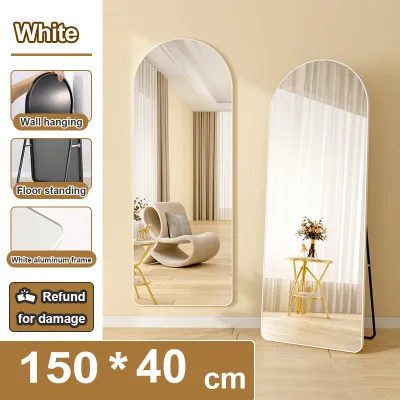
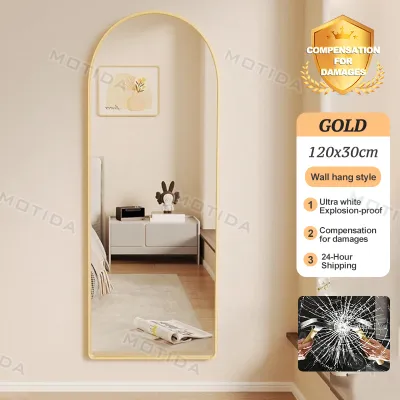
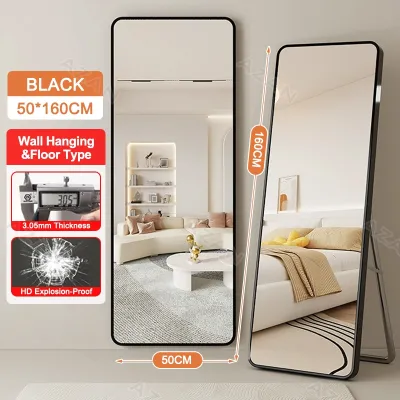
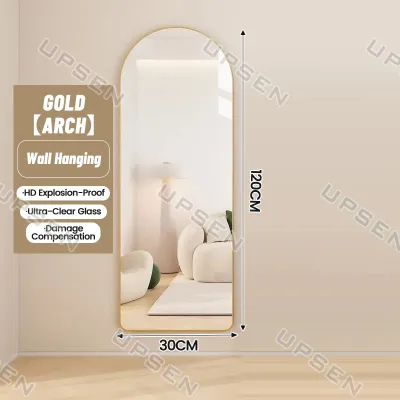
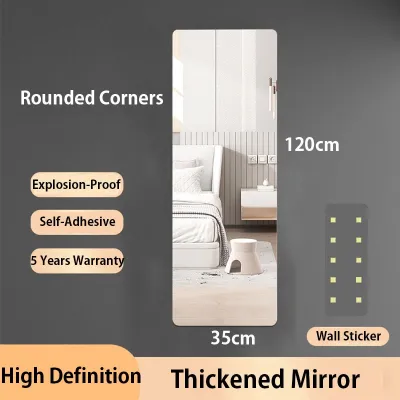

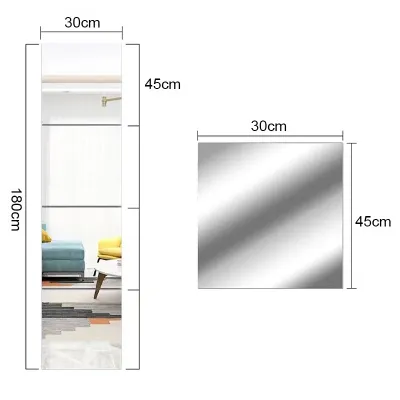
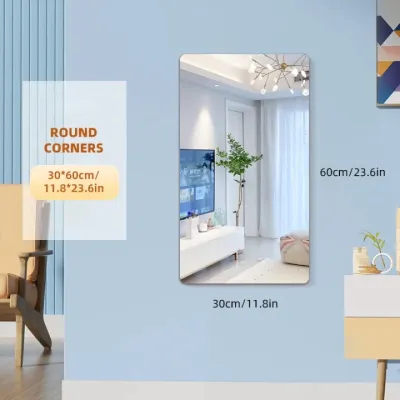
Prices are valid at publication and may change. Please refer to the product page for the latest price.
Behind the Door or in a Narrow Alcove Small bedrooms often feature dead zones, such as the narrow strip of wall behind an entryway door or a recessed alcove. Mounting a slim body mirror in these underutilized spots adds unexpected depth. When the door is open, the mirror remains tucked away; when closed, it reveals a reflective surface that makes a tight corner feel open. Ensure there is enough clearance so the door handle does not strike the glass.
Next to the Bed or Wardrobe Positioning a mirror alongside your bed or flanking a wardrobe establishes a sense of symmetry. This layout works exceptionally well when the mirror reflects an organized, calming area, such as a neatly made bed or a minimalist accent wall. By reflecting a balanced, tidy zone, the mirror projects an atmosphere of order and spaciousness, making the entire room feel more serene and less confined.
In a Dark Corner Every small bedroom has a corner that seems to swallow light, especially in homes with deep eaves or nearby buildings blocking the sun. Placing a leaning or floor-standing body mirror in a dim corner instantly brightens the shadow. The reflective surface catches light from other parts of the room, softening harsh angles and making the boundaries of the room feel less restrictive.
Placements to Avoid or Adjust in Small Spaces
Facing Clutter or High-Traffic Zones A mirror does not create space out of nothing; it duplicates whatever is in its line of sight. If you position your body mirror to face an open wardrobe, a desk piled with paperwork, or a laundry basket, you will double the visual noise. This added clutter makes a small bedroom feel chaotic and even smaller than it actually is. Always check the reflection from your main viewing angles to ensure it captures clean, open areas.

Directly Facing the Bed While a mirror opposite the bed might seem convenient, it can disrupt your sense of comfort and privacy. Seeing sudden movements or your own reflection immediately upon waking can be startling, especially in a dimly lit room. If your layout forces this placement, consider angling the mirror slightly away from the mattress or using a lightweight drape to cover it at night.
Reflecting Harsh Artificial Light Be mindful of how your mirror interacts with light fixtures. Placing a mirror directly opposite an unshielded overhead bulb, a bright desk lamp, or a television screen can cause uncomfortable glare. This harsh reflection strains the eyes and draws attention to the physical boundaries of the room, breaking the illusion of depth. Position the mirror so it catches diffused, indirect light instead.
Choosing the Right Body Mirror for a Small Room
Frame Thickness and Color In a compact bedroom, the frame of the mirror plays a significant role in its visual weight. Thick, dark, or heavily carved wooden frames can overwhelm a small wall, making the mirror feel like a bulky obstacle. Instead, opt for ultra-thin metal frames, light-colored wood, or frameless designs. These styles blend seamlessly into the wall, allowing the reflection itself to take center stage and maximize the illusion of an open pathway.
Shape and Proportions Tall, vertical rectangular or arched mirrors are ideal for small spaces. A tall body mirror draws the eye upward toward the ceiling, emphasizing vertical height rather than limited floor space. Arched tops add soft curves to a room dominated by hard, straight lines, making the space feel more inviting and less boxy.
Leaning vs. Wall-Mounted vs. Freestanding Each mirror type has distinct spatial trade-offs. Freestanding mirrors with bulky easel backs consume valuable floor space, which is rarely ideal for tight layouts. Leaning mirrors offer a relaxed, modern aesthetic and take up minimal floor depth, but they must be secured properly. Wall-mounted mirrors are the ultimate space-savers, leaving the floor completely clear for walking paths or low furniture.
Safe Installation and Stability Checks
Wall-Mounting Requirements Before hanging a heavy body mirror, you must verify your wall construction. In many homes, walls are made of solid concrete or hollow blocks rather than drywall. Mounting a heavy mirror on concrete requires a masonry drill bit, plastic wall plugs (tox), and heavy-duty screws. If you are mounting on drywall, locate the wooden studs or use specialized toggle bolts. For exceptionally heavy or suspended mirrors, always consult a qualified professional to ensure the installation is secure and safe.
Leaning Mirror Safety If you choose a leaning floor mirror, stability is paramount. High humidity in tropical environments can make floors slippery, and vibrations from ceiling fans or heavy foot traffic can cause a leaning mirror to slide. Always use non-slip rubber pads at the base of the mirror. Additionally, secure the top of the frame to the wall using anti-tip straps or wall anchors to prevent accidental tipping, especially in homes with children or pets.
Clearance and Pathways A body mirror should never interfere with the daily flow of your bedroom. Verify that the mirror’s placement does not block the swing of entry doors, wardrobe doors, or cabinet drawers. Leave ample clearance around walking paths so you do not have to squeeze past the mirror, reducing the risk of accidental bumps and keeping the room feeling open and functional.
Frequently Asked Questions (FAQ)
Can I place a body mirror in a bedroom with no windows?
Yes, you can still use a body mirror to expand a windowless bedroom. Position the mirror to reflect soft, artificial light sources, such as a warm bedside lamp, a wall sconce, or a string of fairy lights. This bounces the light around the room, softening dark corners. You can also place the mirror opposite a light-colored wall, a pale piece of artwork, or a decorative tapestry to create an attractive, depth-enhancing focal point that mimics the feel of an open view.
Does a mirrored closet door count as a body mirror for space expansion?
Yes, mirrored closet doors are highly effective at making a small bedroom feel larger because they provide a continuous, wide reflection that visually doubles the floor area. However, because they cover a large surface, keeping the reflected area organized is crucial to avoid doubling visual clutter. To maximize their spatial benefit, ensure your lighting is soft and diffused, and keep the floor space directly in front of the closet clear of laundry or storage boxes.

Community discussion
Share your experience or ask a question. Comments are reviewed before publication.