
A strategically placed mirror for dining wall can transform a cramped, dim dining area into a bright, visually expansive space. By acting as an extra window, a mirror tricks the eye into perceiving depth where a solid wall exists, making your home feel more open and inviting. Achieving this spatial illusion requires more than simply hanging a reflective glass pane on the nearest empty wall. You must carefully evaluate your room’s layout, select a mirror that complements your existing furniture, and position it to capture light without reflecting unwanted clutter.
Evaluate Your Dining Space and Wall Structure Before Hanging
Before purchasing a mirror or drilling holes, you must thoroughly assess your dining room’s layout, lighting conditions, and structural limitations. Start by identifying the primary focal points of the room. Walk into the dining area from different entryways to observe what naturally catches your eye, as this determines where a mirror will have the greatest visual impact. Measure the wall space precisely, taking note of how close the dining chairs sit to the wall when pulled out, to ensure the mirror does not obstruct movement.
Next, map out the light sources in the room. Observe how natural light enters through windows during different times of the day, and note the positions of artificial light fixtures like chandeliers, wall sconces, or pendant lights. The goal is to place the mirror where it can capture these light sources and bounce them deeper into the room, rather than reflecting a dark, unlit corner.
Products mentioned in this guide
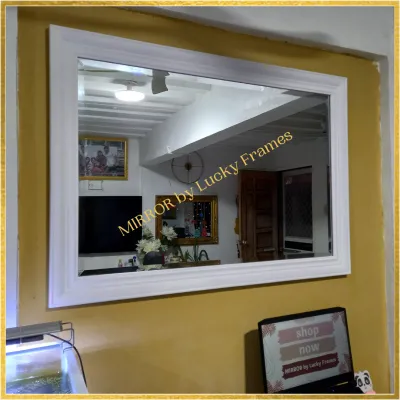
![Fine Mirror [Buy1Take1] Wall Mirror 12 x 16 Natural](https://img.lazcdn.com/g/p/9db951df47299952c0a6377f856aea44.jpg_400x400q80.jpg_.webp)
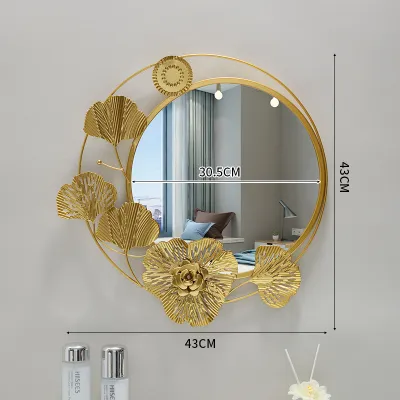
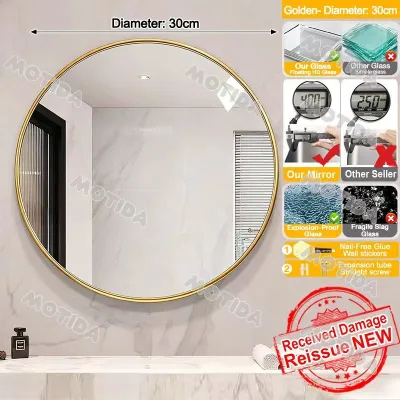
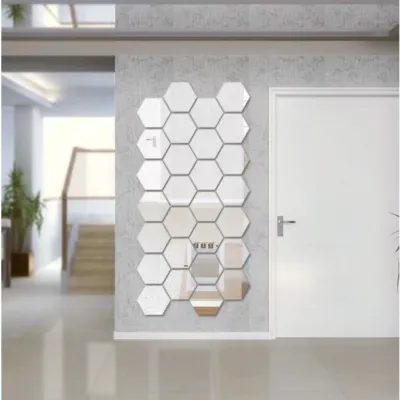
Prices are valid at publication and may change. Please refer to the product page for the latest price.
Finally, inspect the composition of your dining wall. In many homes, walls may consist of drywall, solid concrete, hollow concrete blocks, or wood paneling. Each material requires specific mounting hardware and installation techniques to support a heavy mirror safely. For instance, concrete walls require masonry drill bits and wall plugs, while drywall requires locating wooden studs or using specialized hollow-wall anchors. Additionally, consider the tropical climate; high humidity can sometimes cause moisture to trap behind tightly mounted frames, so verifying that your wall is completely dry and free of dampness is essential before installation.
Select the Right Mirror Size and Shape to Expand the Room
Choosing the correct dimensions and shape for your mirror for dining wall is crucial for establishing visual balance and maximizing the illusion of space. A mirror that is too small will look lost and fail to create a sense of openness, while an oversized mirror can overwhelm the room and make the dining table feel cramped. As a general guideline, aim for a mirror that spans approximately two-thirds to three-quarters of the width of the dining table or the sideboard beneath it.

The shape of the mirror also dictates how it alters the perception of the room’s dimensions. Rectangular mirrors hung horizontally are excellent for stretching narrow dining rooms, as they draw the eye along the length of the wall. If your dining room has low ceilings, hanging a tall rectangular mirror vertically or opting for an arched mirror can draw the eye upward, creating the illusion of height. Arched mirrors are particularly effective because their curved tops mimic the architectural lines of traditional windows, making the wall feel like an opening to the outdoors.
To maximize the reflective surface and maintain a light, airy aesthetic, look for slim frames or frameless designs. Thick, heavy wooden or ornate metal frames can act as visual stop signs, trapping the eye and emphasizing the physical boundaries of the wall. Frameless mirrors, or those with thin metallic borders, blend seamlessly into the background, allowing the reflection itself to take center stage and visually extend the room’s boundaries.
Find the Ideal Hanging Height and Placement for Visual Depth
The height at which you hang your mirror determines whether it successfully creates depth or simply acts as an awkward wall decoration. A common mistake is hanging mirrors too high, which results in reflecting the ceiling or the top of the door frames rather than the active living space. To establish a natural extension of the room, the center of the mirror should generally align with the average eye level of a standing person, which is approximately 150 to 165 centimeters from the floor.
However, because a dining room is primarily a seated space, you must adjust this baseline to accommodate both standing and seated views. If you are placing the mirror directly above a dining table, sideboard, or console table, maintain a clearance gap of 15 to 20 centimeters between the bottom of the mirror frame and the top of the furniture. This gap prevents the mirror from looking crowded while ensuring that seated guests do not have their heads awkwardly cut off in the reflection.
Equally important is what the mirror will reflect. Position the mirror so that it captures appealing views, such as an adjacent living area, a beautifully set table, or outdoor greenery. Avoid placing a mirror directly opposite cluttered areas, open kitchen pantries, utility doors, or busy pathways. Reflecting clutter or high-traffic zones will only double the visual noise, making the dining room feel chaotic and smaller rather than peaceful and spacious.
Maximize Light and Reflections to Amplify the Space
To truly amplify your dining room’s atmosphere, use your mirror to manipulate both natural and artificial light. Positioning a mirror directly opposite or adjacent to a window allows it to catch incoming sunlight and distribute it throughout the room. This is especially beneficial in smaller homes or apartments where natural light may be limited to a single source, as the mirror effectively doubles the brightness of the space during daytime hours.
When integrating artificial lighting, you can position the mirror to reflect statement fixtures like chandeliers or pendant lights. This doubles the visual impact of your lighting design and creates a warm, layered glow during evening meals. However, you must verify the installation environment and the specifications of your light fixtures. Ensure that the mirror is not placed so close to high-wattage bulbs that it experiences extreme heat, which can damage the mirror’s backing or frame. Always check the manufacturer’s instructions for both the light fixture and the mirror to maintain safe clearances.
You can also use the mirror to reflect decorative elements within the room to add depth and texture. Placing indoor plants, such as a lush monstera or a tall snake plant, near the mirror allows their green foliage to be reflected, creating a refreshing, garden-like feel. Similarly, reflecting a piece of artwork on the opposite wall can add color and interest to the dining space without requiring you to crowd the walls with multiple heavy frames.
Safely Mount the Mirror and Verify Structural Support
Hanging a heavy mirror in a high-traffic area like a dining room requires careful attention to safety and structural integrity. Before beginning the installation, consult the manufacturer’s mounting instructions and verify the total weight of the mirror using a scale. Never guess the weight, as choosing the wrong hardware can lead to the mirror falling, causing severe damage or injury.
For heavy mirrors, you must secure the mounting brackets directly into wall studs if you are working with drywall. If studs are not positioned where you want to hang the mirror, use heavy-duty toggle bolts or anchors that are explicitly rated for your wall type and the mirror’s weight. If your dining room wall is made of concrete or solid masonry, use a hammer drill to create holes, insert high-quality wall plugs, and use heavy-duty screws. Always verify that your mounting brackets, wires, or D-rings are rated to support the load.
If your installation involves working at height, handling exceptionally large or fragile glass panels, or integrating fixed electrical wiring for backlit mirrors, recognize the limits of a DIY project. In these scenarios, it is best to isolate the power supply if working near electrical lines and hire a qualified professional to complete the installation. A professional installer ensures the mirror is perfectly level, securely anchored, and safe for everyone gathering around the dining table.
Frequently Asked Questions (FAQ)
Should a dining mirror be wider or narrower than the dining table?
As a general rule of thumb, a dining mirror should be narrower than the dining table or the sideboard over which it hangs. Keeping the mirror’s width to about two-thirds or three-quarters of the furniture’s width prevents the arrangement from looking top-heavy and maintains a balanced, grounded aesthetic. The main exception to this rule is when you are installing a custom, wall-to-wall mirror panel, which is designed to cover the entire wall surface to create a seamless, room-doubling illusion.
Is it safe to lean a large floor mirror against a dining wall?
Leaning a large floor mirror against a dining wall can create a dramatic, modern look, but it requires strict safety precautions. In a dining environment where chairs are constantly moved and people gather, an unsecured leaning mirror poses a significant tipping hazard, especially in households with children or pets. To prevent accidents, always secure the top of the leaning mirror to the wall using heavy-duty safety straps or anchor brackets. Additionally, keep in mind that a leaning mirror tilts upward, meaning it will primarily reflect the ceiling and upper walls rather than extending the horizontal sightlines of the room.

Community discussion
Share your experience or ask a question. Comments are reviewed before publication.