
Placing a French wall mirror strategically can instantly double the perceived depth of a compact room. By positioning the mirror to capture natural light, align with key sightlines, and reflect open areas rather than cluttered corners, you transform a tight space into an airy, inviting environment. The ornate, arched silhouette characteristic of French design adds architectural interest, making the mirror function as both a decorative window and a spatial expander.
Understanding Light and Reflection in Small Spaces
Mirrors do not physically alter square footage, but they manipulate how the brain processes physical boundaries. When light hits the reflective surface, it bounces back into the room, tricking the eye into perceiving a continuation of the floor plan. This bounce effect effectively doubles the visual distance between walls, softening the boxy feel of tight rooms.
A well-placed mirror acts as a visual escape route. By aligning the mirror with the room’s natural entry sightline, visitors see a reflection of depth the moment they step inside. This prevents the immediate visual stop that occurs when facing a solid, blank wall, establishing a sense of flow.
Products mentioned in this guide
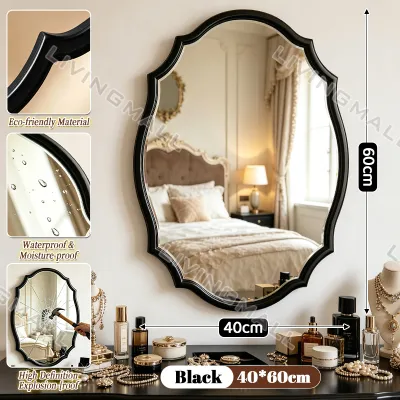
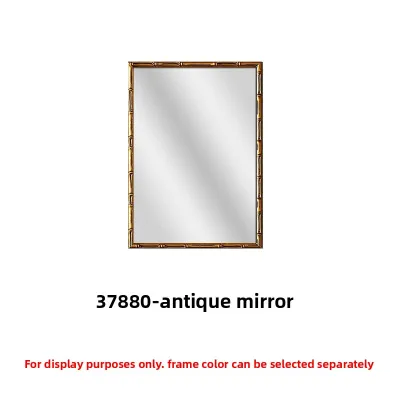
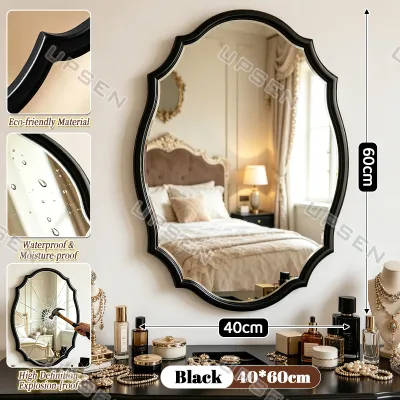
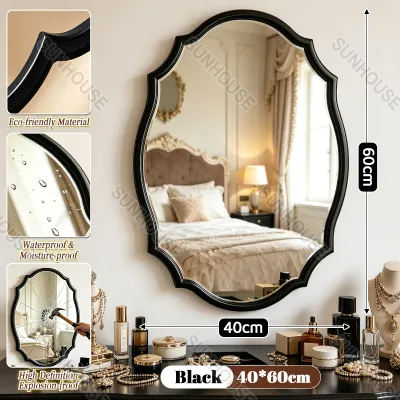
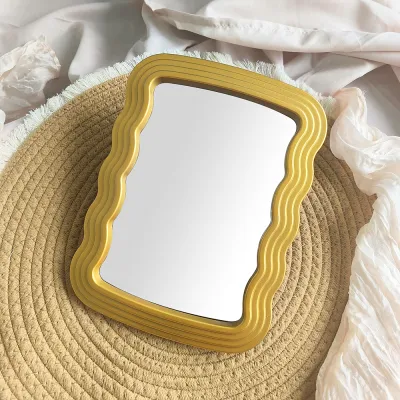

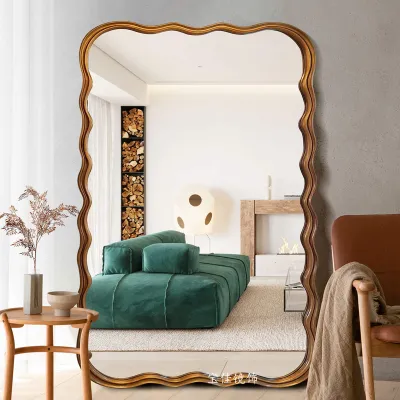
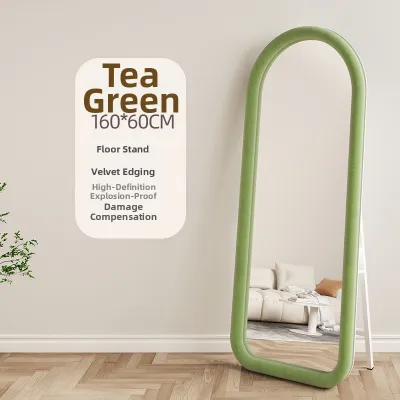
Prices are valid at publication and may change. Please refer to the product page for the latest price.
However, mirrors are not magic solutions for every dark corner. If a room suffers from poor ambient lighting or is painted in heavy, light-absorbing dark tones, a mirror will simply reflect that darkness, reinforcing the cramped atmosphere. Similarly, reflecting a chaotic, disorganized layout or a pile of storage boxes will visually double the clutter, making the room feel twice as crowded.
Strategic Placement Methods for French Wall Mirrors
To maximize natural illumination, position your French mirror on a wall adjacent to or directly opposite a window. In tropical climates where midday sun can be exceptionally bright, placing the mirror adjacent to the window allows light to bounce softly across the room without creating blinding glare. This placement mimics the presence of an additional window, which is especially effective when using arched French designs that resemble classic window panes.

Layering furniture in front of a mirror creates an illusion of deep space. Placing a large French mirror behind a low-profile console table, a sleek sofa, or a dining sideboard allows the furniture to anchor the room while the reflective surface recedes into the background. This layering technique prevents the mirror from looking like an afterthought and makes the wall behind the furniture seem to disappear.
Small rooms often suffer from low ceilings, which can feel oppressive. You can draw the eye upward by hanging a tall, arched French mirror or arranging a series of smaller, coordinated mirrored panels in a vertical gallery layout. Leaning a tall mirror against the wall also creates an upward-sloping reflection angle that emphasizes vertical height, making the ceiling feel loftier than it actually is.
The golden rule of mirror placement is to always consider what the mirror will reflect. Instead of pointing the glass at a blank wall or a utility door, angle it to capture attractive architectural details, a beautiful indoor plant, or an outdoor garden view. Reflecting greenery or outdoor scenery brings a touch of nature indoors, which instantly relaxes the visual boundaries of a small room.
Choosing the Right Size and Frame Proportions
To maintain visual balance, the width of your wall mirror should generally measure between two-thirds and three-quarters of the width of the furniture piece sitting directly beneath it. A mirror that is too wide will overwhelm the furniture, making the entire setup look top-heavy, while a mirror that is too small will get lost on the wall and fail to make a significant spatial impact.
French mirrors are celebrated for their ornate details, including scrolled crests, distressed finishes, and delicate gold leafing. In a compact room, these heavy decorative elements must be balanced carefully. Opt for frames with slender, delicate carvings rather than thick, bulky borders that physically protrude too far into the room’s limited walking space.
The material of the frame also dictates its visual weight and long-term durability. In humid tropical environments, solid wood frames must be properly sealed to prevent warping, while metallic finishes should be treated to resist tarnishing or rust. Distressed finishes or lighter antique white frames often carry less visual weight than dark, heavy mahogany or thick plaster frames, making them more suitable for keeping a small room feeling light and airy.
Step-by-Step Installation and Safety Checks
Before mounting a heavy French mirror, you must identify your wall type. Many homes feature solid concrete, concrete hollow block, or plaster walls rather than standard drywall. For concrete or masonry walls, you will need a masonry drill bit, plastic wall plugs, and heavy-duty screws to ensure a secure hold. If you are working with drywall, always locate a wall stud using a stud finder, or use toggle bolts rated for the mirror’s specific weight if no stud is available.
Inspect the back of the mirror to verify the pre-installed hanging hardware. Heavy French mirrors often require heavy-duty D-rings or a French cleat system rather than a simple hanging wire, which can strain under heavy loads and cause the mirror to tilt forward. Check the manufacturer’s product label or specifications to confirm the exact weight limit of both the mirror and the hardware you plan to use.
For optimal visual flow, hang the center of the mirror at standard eye level, which is approximately 140 to 150 centimeters from the floor. If you are placing the mirror above a console table or sofa, maintain a clearance of at least 15 to 20 centimeters between the bottom of the frame and the top of the furniture to prevent accidental bumps and ensure a clean visual separation.
Knowing when to stop and call a professional is vital for safety. If your wall is made of fragile, historic plaster, if you are drilling into hard masonry without the proper tools, or if your mirror is an exceptionally heavy antique piece with delicate glass, do not attempt a DIY installation. A qualified professional installer can ensure the piece is anchored safely without damaging your walls or risking a costly fall.
Common Placement Mistakes to Avoid
Avoid placing your mirror where it directly reflects high-traffic, cluttered areas like a kitchen counter, a shoe rack, or a busy utility zone. Reflecting these spaces doubles the visual noise, making the room feel chaotic. Similarly, placing a mirror in a dark, unlit corner without any nearby light source to bounce will only emphasize the room’s dimness.
Hanging a mirror too high is a common design mistake that disrupts the room’s visual flow. When a mirror is mounted too close to the ceiling, it reflects the upper empty walls and ceiling fixtures rather than the living space, making the room feel disjointed and awkward to look at.
While mirrors are excellent for expanding space, using too many reflective surfaces in a single small room can lead to visual fatigue. Multiple mirrors facing each other create a disorienting infinity loop effect, while excessive glass surfaces can catch light from different angles, causing uncomfortable glare and making the room feel cold and clinical rather than cozy.
Frequently Asked Questions (FAQ)
Can I lean a large French mirror against the wall instead of hanging it?
Leaning a large, full-length French mirror against the wall is a popular styling choice that adds a relaxed, elegant feel to a room. However, this method requires careful attention to stability, especially on smooth flooring surfaces like polished ceramic tiles, marble, or varnished hardwood. Without proper friction, the base of a heavy mirror can easily slip outward, leading to catastrophic damage.
To secure a leaning mirror, always install anti-slip rubber pads on the bottom of the frame to grip the floor. Additionally, use heavy-duty wall tethers or discreet safety brackets anchored to the wall behind the mirror. These tethers remain invisible from the front but prevent the mirror from tipping forward, which is an essential safety precaution in homes with active pets or young children.
Leaning a mirror tilts the glass slightly upward, altering the reflection angle compared to a flush wall mount. This upward tilt reflects more of the ceiling and upper walls, which can make a low-ceilinged room feel taller. However, because it angles away from the floor, it may not reflect as much horizontal floor space, so choose this method when your primary goal is to increase the room’s perceived height rather than its depth.

Community discussion
Share your experience or ask a question. Comments are reviewed before publication.