
To make a living room look significantly larger, the most effective strategy is to place a wall mirror opposite or adjacent to a primary natural light source, such as a window, balcony door, or glass sliding door. This positioning allows the mirror to capture incoming daylight and bounce it deep into the room, instantly doubling the perceived brightness and visual depth. Alternatively, positioning a mirror directly behind or beside a key furniture piece, such as a sofa or console table, creates an illusion of receding walls, making tight layouts feel far more open and airy.
In tropical environments like the Philippines, where urban living spaces such as condominiums and townhouses often feature compact layouts, maximizing natural light is essential. High humidity and intense afternoon sun mean that mirror placement must be both strategic and practical. By understanding how light interacts with reflective surfaces and choosing the correct wall, you can transform a cramped, dim living area into a bright, welcoming space without undergoing expensive structural renovations.
Assess Your Living Room's Light and Layout Before Hanging
Before drilling any holes or purchasing a wall mirror for the living room, a thorough assessment of your room’s existing layout and light patterns is necessary. Start by observing how natural light moves through the space at different times of the day. In many Philippine homes, morning light might be soft and cool, while afternoon sun can be incredibly bright and hot. Identifying where these light beams land helps you determine where a mirror can best capture ambient light without creating uncomfortable, blinding glares for anyone sitting in the room.
Products mentioned in this guide
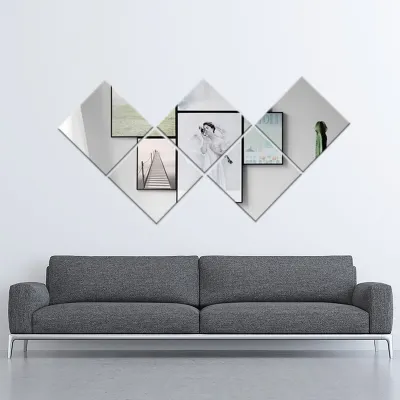
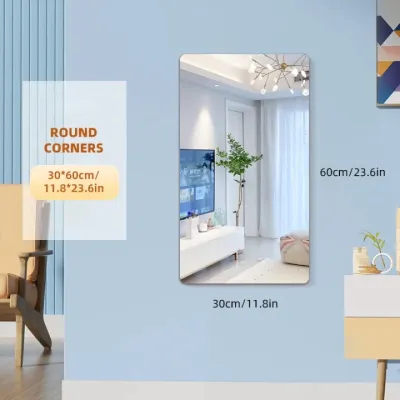
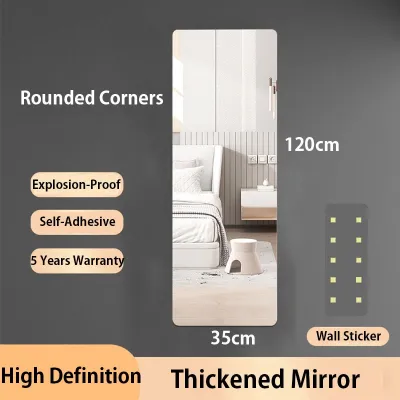
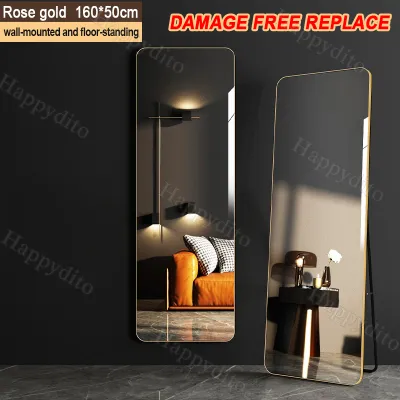
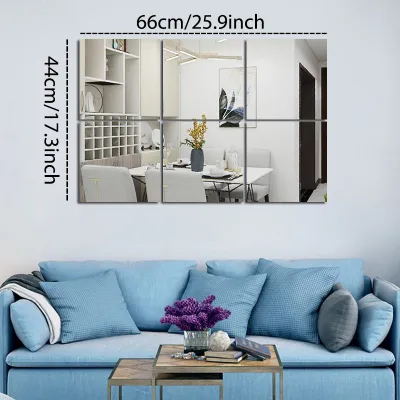
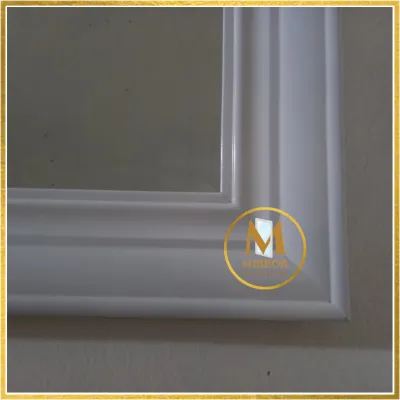
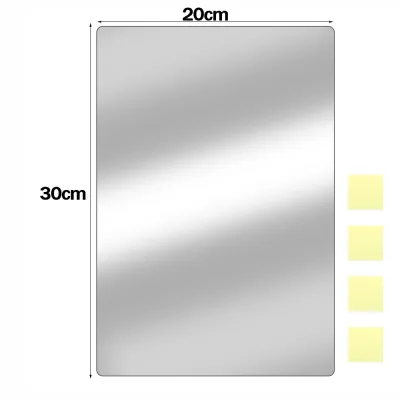
Prices are valid at publication and may change. Please refer to the product page for the latest price.
Next, map out the room’s natural focal points and architectural features. A focal point is where the eye naturally lands when entering the room—this could be an accent wall, a television console, a beautiful indoor plant arrangement, or a large window overlooking a garden. A mirror should work in harmony with these elements rather than competing with them. If you place a mirror directly opposite a cluttered television setup, you will only succeed in doubling the visual noise, which can make the room feel smaller and more chaotic.
Finally, measure the available wall space and note the positions of existing furniture. A mirror’s size must be proportional to the wall it occupies and the furniture it sits near. Take precise measurements of the height and width of the target wall, and keep these dimensions handy. Additionally, consider the structural makeup of your walls. Many residential properties in the Philippines utilize solid concrete, hollow blocks, or plaster over masonry, which requires different preparation and tools compared to standard drywall.
Strategic Placement to Maximize Space and Light
The strategic placement of a wall mirror for the living room relies on basic physics and visual psychology to create the optical illusion of a deeper, more open space. One of the most reliable techniques is placing the mirror directly opposite a window. This setup essentially creates a “second window” on the opposite wall, reflecting the outdoor view and bringing elements of nature inside. If your living room looks out onto a lush garden, a balcony with potted plants, or a clear sky, reflecting these views can make a small room feel like it extends directly into the outdoors.

If placing the mirror directly opposite a window causes too much direct glare during the brightest hours of the day, consider placing it on an adjacent wall instead. An adjacent placement still catches the incoming light at an angle, bouncing it across the room to illuminate dark corners without reflecting the harsh sun directly into your eyes. This is particularly useful in deep, narrow living rooms where natural light struggles to reach the back of the space.
Another highly effective strategy is positioning a large mirror behind or beside a major focal point, such as a sofa or a console table. When you place a wide, horizontal mirror above a sofa, it breaks up the solid mass of the wall and creates a sense of depth right behind where people sit. For console tables, a tall vertical mirror placed behind the table makes the furniture piece appear integrated into a larger, grander architectural setting, effectively doubling the visual footprint of that specific zone.
Do not overlook narrow transitions, entryways, or dark corners that connect to your main living area. These transition zones often feel tight and claustrophobic. Hanging a mirror in a narrow hallway leading into the living room, or in a dim alcove, helps break up the enclosed feeling by catching ambient light from the main room and reflecting it back into the darker space. This creates a seamless visual flow that makes the entire floor plan feel more cohesive and spacious.
When planning these placements, always consider the angle of reflection. Stand in different seating positions around the room to verify what will be visible in the mirror. You want to avoid reflecting high-traffic, cluttered areas, the back of electronic equipment, or open utility doors. Instead, aim to reflect clean lines, decorative art, or soft lighting fixtures to maintain a serene and orderly atmosphere.
Select the Right Size, Shape, and Frame for Your Proportions
Choosing the right wall mirror for the living room involves balancing its physical dimensions with the scale of your existing furniture and architectural lines. As a general guideline, a mirror hung above a piece of furniture, such as a sofa or a console table, should be approximately two-thirds to three-quarters of the width of the furniture below it. A mirror that is too small will look disconnected and lost, failing to create the desired illusion of space, while a mirror that is wider than the furniture beneath it can make the arrangement look top-heavy and unbalanced.
The design of the frame plays a crucial role in how much visual weight the mirror adds to the room. In smaller or modern living spaces, frameless mirrors or those with ultra-thin, minimalist metal frames are highly recommended. These designs minimize visual boundaries, allowing the reflection to blend seamlessly with the surrounding wall. This lack of a heavy border tricks the eye into seeing the reflection as a continuous extension of the room rather than a framed picture hanging on a wall.
Conversely, if you prefer a framed mirror, match or contrast its shape with the existing architectural lines of your home. Rectangular and square mirrors offer clean, structured lines that align well with modern, minimalist, or traditional interiors. Hanging a rectangular mirror vertically can emphasize high ceilings, drawing the eye upward to create a sense of loftiness. Hanging it horizontally, on the other hand, stretches the room visually, making narrow walls feel wider.
Round and oval mirrors serve a different but equally valuable purpose. They help soften the sharp, boxy angles commonly found in standard condominium units and square living rooms. A large round mirror acts as a beautiful visual anchor, breaking up the monotony of straight lines and adding a touch of organic elegance. Whichever shape you choose, ensure the materials are suited for your local climate; in high-humidity tropical regions, look for mirrors with moisture-resistant backings to prevent silvering degradation or frame warping over time.
Secure Installation and Weight Support Checks
Ensuring your wall mirror is safely and securely mounted is paramount, especially when dealing with large, heavy glass pieces that pose a safety hazard if they fall. The first step is matching your hanging hardware and wall anchors to the specific wall type in your living room. In the Philippines, most residential walls are constructed from concrete, hollow blocks, or solid masonry. Mounting a heavy mirror on these surfaces requires a masonry drill bit, plastic wall plugs (commonly referred to locally as tox), and sturdy steel screws.
If your living room features drywall, gypsum board, or wooden fiberboard partitions, standard masonry plugs will not hold. Instead, you must use specialized drywall anchors, such as toggle bolts or heavy-duty threaded anchors, which expand behind the board to distribute the weight safely. Whenever possible, locate the wooden or metal studs behind the drywall and screw the mounting brackets directly into them for maximum stability.
Before purchasing your hardware, always weigh the mirror using a reliable scale. Check the packaging of your wall anchors, brackets, and hanging wire to verify that their rated weight capacity comfortably exceeds the total weight of the mirror. Never rely on temporary adhesive strips, double-sided tape, or simple picture-hanging hooks for substantial wall mirrors, as the humid tropical climate can weaken adhesives over time, leading to sudden failures.
Use a spirit level during the installation process to ensure the mirror is perfectly aligned. Even a slight tilt can disrupt the visual flow of the room and make the placement look unprofessional. If you are dealing with exceptionally heavy, oversized, or floor-to-ceiling mirrors, or if you are unsure about drilling near hidden electrical conduits or water pipes, stop and consult a qualified professional installer. Securing professional help ensures the mirror remains safely anchored to the wall for years to come.
Common Placement Mistakes That Shrink Your Space
While a well-placed mirror can work wonders, certain common placement mistakes can have the opposite effect, making your living room feel smaller, darker, or more cluttered. One of the most frequent errors is hanging the mirror too high. When a mirror is positioned too close to the ceiling, it primarily reflects the upper walls, ceiling fans, or air conditioning units. This disconnects the mirror from the living space, fails to reflect natural light down to eye level, and creates an awkward visual gap above your furniture.
Another mistake is failing to consider what the mirror will reflect on a daily basis. Reflecting busy, high-traffic areas—such as a cluttered kitchen counter, a shoe rack near the entryway, or an open bathroom door—multiplies the visual noise in the room. Instead of feeling spacious, the living room can end up feeling chaotic and disorganized because the mirror constantly projects double the clutter into your field of view.
Lastly, avoid placing a large mirror in a deeply shaded or dimly lit corner with no nearby light source to reflect. Without natural light or a nearby lamp to catch, the mirror cannot perform its primary job of bouncing light. Instead, the dark glass acts as a heavy, dark void on the wall, absorbing what little ambient light exists and making the corner feel even more recessed, gloomy, and cramped. Always ensure there is a light source—either a window or a stylish floor lamp—nearby to bring the mirror to life.
Frequently Asked Questions (FAQ)
Can I place a mirror on a wall with windows?
Yes, you can place a mirror on a wall that already contains windows, but it requires careful positioning to avoid disrupting the room’s natural flow. Avoid placing a large mirror directly between two closely spaced windows, as this can create a jarring visual contrast between the bright outdoor light and the reflected indoor space. Instead, opt for smaller, styled mirrors on solid wall sections beside window frames, or use a mirror on an adjacent wall to catch and extend the light entering from those windows.
How high should a wall mirror be hung in the living room?
For standalone wall mirrors, the general rule of thumb is to align the center of the mirror with average eye level, which is approximately 1.5 meters (57 to 60 inches) from the floor. If you are hanging the mirror above a sofa, console table, or mantel, maintain a balanced gap of about 15 to 20 centimeters (6 to 8 inches) between the bottom of the mirror frame and the top of the furniture. This gap ensures the mirror feels connected to the furniture arrangement rather than floating awkwardly on the wall.

Community discussion
Share your experience or ask a question. Comments are reviewed before publication.