
To make a small room look bigger, place a wall mirror where it can capture and reflect natural light, extend sightlines, and double the visual depth of the room. The key to this spatial illusion lies in strategic positioning—such as placing the glass opposite a window or behind key furniture pieces—rather than simply hanging it on any open surface. By understanding how light and reflection interact with your specific layout, you can instantly transform a cramped area into an airy, welcoming space.
When planning your layout, selecting a high-quality Merror in the wall mirror can serve as the foundation for your design. The reflective surface acts as an active design element that manipulates scale, brightness, and balance. To achieve the best results, you must coordinate the mirror’s placement with your room’s existing light sources and architectural features.
Core Principles of Using Mirrors to Expand Small Rooms
Mirrors do not physically alter the square footage of a room, but they fundamentally change how the human brain perceives boundaries. By reflecting the existing environment, a mirror tricks the eye into believing there is additional space extending beyond the solid wall. This visual expansion relies heavily on how the glass interacts with both natural and artificial light.
Products mentioned in this guide
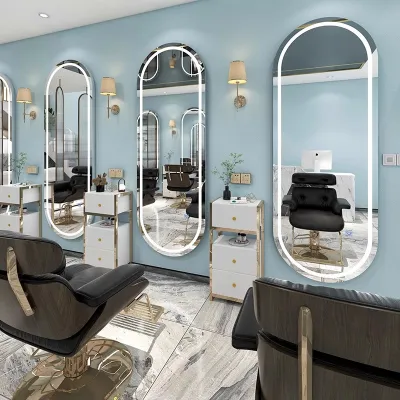
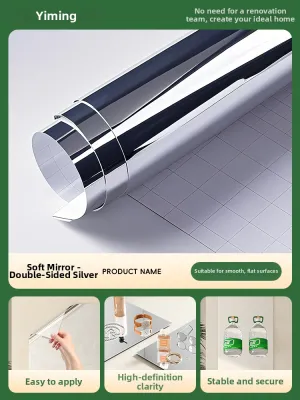
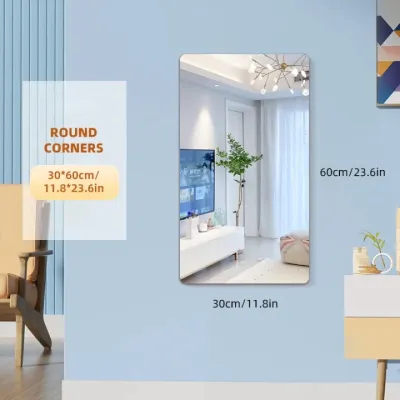
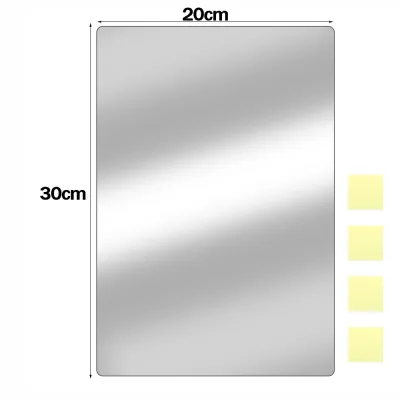
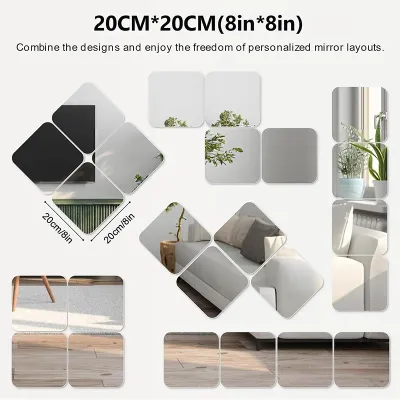
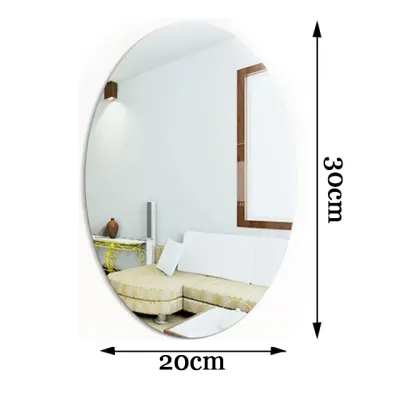
Prices are valid at publication and may change. Please refer to the product page for the latest price.
Reflecting light is the most effective way to brighten dark corners and make a compact room feel more open. In tropical environments like the Philippines, where bright afternoon sun can be intense, placing a mirror to catch indirect daylight allows you to bounce soft illumination deep into the interior. This reduces the reliance on heavy overhead artificial lighting during the day and softens harsh shadows that tend to make small rooms feel enclosed.
Another core principle is the creation of a “false window.” When you position a large mirror on a solid, windowless wall, it mimics the architectural presence of an opening. This breaks up the monotony of flat drywall or concrete, giving the eyes a natural place to rest and wander. The reflected view provides an illusion of depth, making the wall feel like a gateway to another room rather than a hard boundary.
Balancing visual weight is also crucial in compact layouts. Small rooms often feel crowded when filled with solid, heavy furniture like dark wooden wardrobes or deep sofas. A strategically placed mirror introduces a sense of emptiness and fluidity, offsetting the density of these large items. It provides a visual break that keeps the room’s composition feeling balanced and light.
Strategic Wall Locations for Maximum Spatial Illusion
Identifying the right wall for your mirror depends entirely on your room’s layout and its primary light sources. Placing a mirror directly opposite or adjacent to a window is one of the most reliable strategies. This setup captures the outdoor view—whether it is tropical greenery, a garden, or a city skyline—and pulls it inside, effectively doubling the visual landscape of your living space.

Positioning a mirror behind focal furniture is another excellent way to create depth. For instance, hanging a large horizontal mirror above a living room sofa or placing a tall mirror behind a console table in a narrow entryway instantly doubles the perceived footprint of that furniture. This technique prevents the furniture from looking like it is crammed against a wall, giving the entire arrangement breathing room.
Narrow hallways and entryways are notoriously difficult to decorate without making them feel tighter. A mirror placed at the end of a dark hallway can make the corridor look twice as long, while a mirror on the side wall widens the transition zone. In a compact foyer, a mirror placed near the front door welcomes guests with an immediate sense of openness as soon as they step inside.
In compact bedrooms, such as those in urban studio condominiums, full-length panels or mirrored closet doors are highly effective. These large vertical installations stretch the floor plane visually, making the sleeping area feel spacious and less restrictive. They also serve a highly functional daily purpose while keeping the room’s boundaries feeling fluid and expansive.
Selecting the Right Mirror Size, Shape, and Frame
Matching the physical attributes of the mirror to your room’s proportions is essential for maintaining a cohesive, open feel. While it might seem counterintuitive, a single large statement mirror is far more effective at expanding a small room than a collection of smaller mirrors. A gallery wall of small mirrors tends to chop up the reflection, creating visual clutter that can make a tight space feel even more chaotic.
Frame thickness and color play a significant role in how a mirror influences perceived space. Frameless mirrors offer a seamless transition, allowing the reflection to blend directly into the surrounding wall for a clean, modern look. If you prefer a framed design, opt for thin, light-colored, or metallic borders that do not draw too much attention to the physical limits of the glass. Bulky, dark, or heavily carved frames can act as visual stop signs, confining the reflection and shrinking the room.
Shape is another strategic tool you can use to alter the room’s perceived dimensions. Rectangular mirrors hung vertically emphasize ceiling height, making low-ceilinged rooms feel loftier. Conversely, hanging a rectangular mirror horizontally widens a narrow wall, which is ideal for tight dining areas. Round or oval mirrors are excellent for softening sharp architectural corners and introducing organic lines to a boxy, square room.
Step-by-Step Hanging and Safety Guidelines
Executing the physical installation of a wall mirror requires careful planning to ensure safety, stability, and the correct visual effect. Before you begin, you must verify your wall type and the weight of the mirror. In many homes in the Philippines, walls are constructed from solid concrete or concrete hollow blocks rather than standard drywall, which dictates the type of hardware you must use.
For concrete or masonry walls, you cannot rely on simple nails or standard drywall anchors. You will need a hammer drill, a masonry drill bit, plastic wall plugs (commonly known as tox plugs), and heavy-duty screws. If you are mounting to drywall, use a stud finder to locate the wooden studs for secure anchoring, or utilize high-quality toggle bolts rated specifically for your mirror’s weight. Never hang a heavy mirror using adhesive strips or temporary hooks, as tropical humidity can degrade adhesives over time, leading to falling hazards.
Determining the correct hanging height is vital for maintaining natural sightlines. The center of the mirror should generally sit at average eye level, which is approximately 1.5 meters (57 to 60 inches) from the floor. If you are hanging the mirror above a piece of furniture like a console table or sideboard, leave a gap of 15 to 20 centimeters between the bottom of the frame and the tabletop to keep the arrangement looking cohesive.
Always prioritize safety and know when to halt a DIY installation. If you suspect there is hidden electrical wiring or plumbing behind the wall, or if you are dealing with an exceptionally heavy, oversized glass panel, stop and consult a qualified professional installer. Additionally, if your mirror features integrated LED backlighting, ensure you isolate the power at the circuit breaker before making any electrical connections, and hire a certified electrician to handle fixed wiring in damp environments like bathrooms.
Common Placement Mistakes That Shrink or Clutter a Room
While mirrors are powerful tools for expanding space, incorrect placement can easily backfire. One of the most common mistakes is reflecting cluttered or unappealing areas. A mirror simply duplicates whatever is in its line of sight; if it faces an open laundry area, a cluttered kitchen counter, or a stack of storage boxes, it will double the visual noise and make the room feel twice as messy.
Another mistake is the overuse of mirrors, which can lead to a disorienting “funhouse” effect. Placing too many reflective surfaces in a single small room causes visual confusion, making it difficult for the eyes to find a stable point of reference. This can make a living or sleeping area feel restless and uncomfortable rather than open and relaxing.
Finally, hanging mirrors at incorrect heights can break the natural flow of the room. A mirror placed too high will end up reflecting only the ceiling, light fixtures, or the tops of door frames, completely missing the opportunity to bounce natural light or extend sightlines. Ensure the mirror is positioned to capture meaningful views, such as outdoor greenery or the main living area, to maximize its spatial benefits.
Frequently Asked Questions (FAQ)
Can I place a mirror directly facing another mirror?
Placing two mirrors directly opposite each other on parallel walls is generally not recommended for small living spaces. This setup creates an infinite reflection effect that can be highly distracting and visually confusing. It distorts the perception of depth and can make a functional room feel unstable, so it is best to avoid this arrangement in areas meant for relaxation, such as bedrooms or living rooms.
How do I clean a large wall mirror without leaving streaks?
To keep your mirror’s surface perfectly clear for maximum light reflection, use a clean microfiber cloth and a dedicated glass cleaner or a mild mixture of water and white vinegar. Avoid using harsh abrasive chemicals or ammonia-based cleaners, which can seep behind the edges of the glass and cause desilverization (dark spots around the edges), a process often accelerated by tropical humidity. Wipe the glass in a tight, overlapping S-pattern, and immediately dry the surface with a second, dry microfiber cloth to prevent water spots.
Community discussion
Share your experience or ask a question. Comments are reviewed before publication.