
Placing a wooden full-body standing mirror strategically can transform a cramped bedroom or living area into a brighter, more open environment. By positioning the mirror to capture natural light, extend sightlines, and reflect open areas rather than cluttered corners, you can trick the eye into perceiving double the actual square footage. The warmth of a wooden frame adds organic texture, but its placement requires careful planning to balance visual weight with spatial expansion.
To achieve the best results, you must understand how light and reflection interact with your room’s layout. A mirror is not just a functional tool for checking your outfit; it is a powerful design element that alters spatial perception. By choosing the right location, adjusting the angle, and pairing the mirror with your existing decor, you can maximize both the aesthetic appeal and the felt space of your home.
Core Principles of Mirror Placement in Small Rooms
The human brain naturally interprets reflections as physical depth. When a mirror reflects an open area, it creates a visual “window” that breaks the boundary of a solid wall, making the room feel as though it extends beyond its actual physical limits. This illusion of continuous sightlines is the foundation of using mirrors for spatial expansion.
Products mentioned in this guide

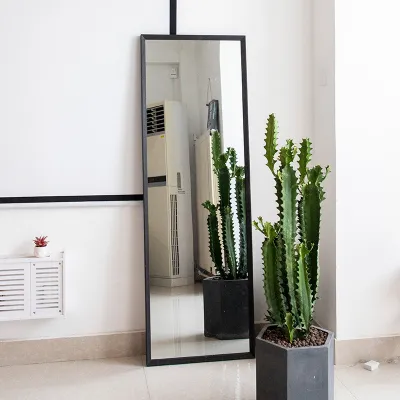
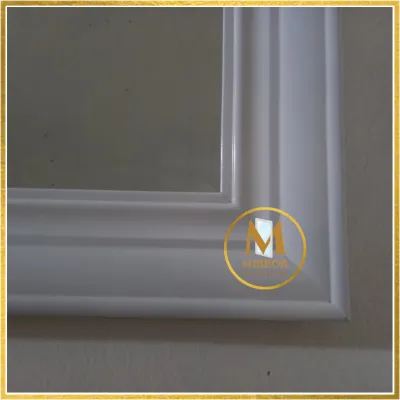
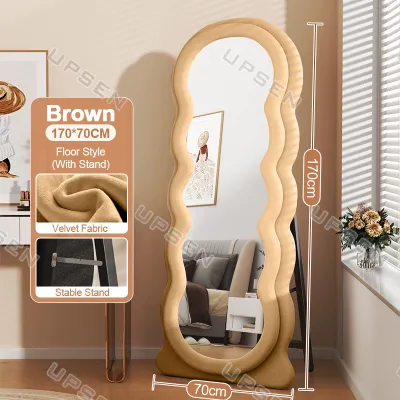
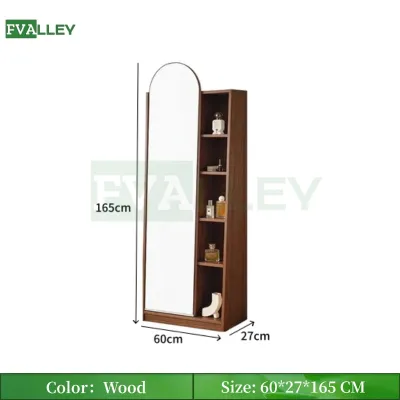
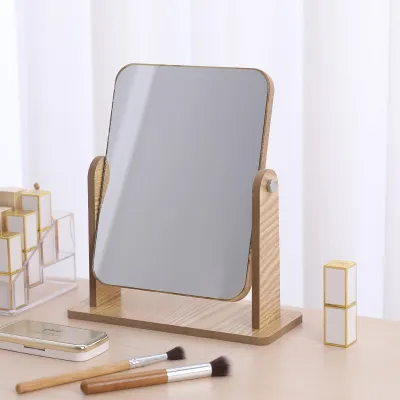
Prices are valid at publication and may change. Please refer to the product page for the latest price.
Light reflection is equally important in defining how large a room feels. Mirrors bounce both natural and artificial light, raising the overall ambient brightness of a space. Brighter rooms naturally feel more open because shadows that define tight corners are softened, making the walls appear to recede.
The relationship between the mirror size, the wooden frame thickness, and the scale of the room must be carefully balanced. A massive, chunky wooden frame can overwhelm a small room if it is too thick or dark, acting as a heavy visual barrier rather than a seamless transition. The goal is to select a frame that complements your furniture while maximizing the surface area of the glass.
Finally, the primary objective of your placement should always be to reflect open space, clean architectural features, or light sources. If a mirror is positioned to reflect a messy desk, an open wardrobe, or a pile of laundry, it duplicates the visual noise. This double-clutter effect makes the room feel twice as chaotic and significantly smaller than it actually is.
Optimal Placement Strategies to Expand Your Space
Reflecting Natural Light
Positioning your wooden standing mirror opposite or adjacent to a window is one of the most effective ways to brighten a small room. The mirror captures incoming daylight and bounces it deep into darker corners, instantly making the entire space feel more airy.

In tropical climates like the Philippines, where bright afternoon sun can be intense, positioning the mirror adjacent to the window rather than directly opposite is often the better choice. This placement prevents harsh, blinding glares from bouncing directly into your eyes while still distributing soft, ambient daylight throughout the room. It also helps protect the wooden frame from prolonged, direct UV exposure which can fade or crack certain wood finishes over time.
Creating a Focal Point
In narrow rooms, entryways, or hallways, placing a standing mirror at the far end creates a continuous visual axis. This draws the eye forward along the longest line of sight, making a short room feel elongated.
When used this way, the wooden frame acts like a picture frame, turning the reflection of your room into a dynamic piece of art. To enhance this effect, ensure the area reflected at the end of the hallway is tidy and features an appealing element, such as a neat bookshelf, a indoor plant, or a clean accent wall.
Angling for Depth
Freestanding mirrors with adjustable easel stands or those designed to lean safely against a wall can be angled slightly upward. This subtle tilt directs the reflection toward the upper walls and ceiling rather than the floor.
Reflecting the higher portions of your room visually lifts low ceilings, creating a sense of loftiness. This technique is particularly useful in compact apartments or condominiums where ceiling heights may be limited, as it diverts attention away from a crowded floor plan.
Pairing with Artificial Lighting
In windowless rooms, basements, or dark corners, you can coordinate your mirror’s placement with floor lamps, table lamps, or wall sconces. Position the mirror so that it sits adjacent to a light source, allowing the glass to amplify and disperse the artificial glow.
This setup eliminates dark spots that make spaces feel confined and creates a warm, layered lighting scheme. When positioning your lighting, ensure the bare bulb is not directly reflected in the mirror at eye level, as this can cause uncomfortable glare when you walk past.
Selecting the Right Wooden Frame and Mirror Proportions
Before finalizing your placement, evaluate how the physical characteristics of your wooden standing mirror affect the room’s visual weight. Light natural wood finishes, such as ash, beech, light oak, or rubberwood, help maintain a breezy, minimalist aesthetic that is highly suited for small spaces. These lighter tones blend easily with neutral walls, reducing visual clutter.
Darker wood stains, such as mahogany, walnut, or espresso, add sophistication and warmth but carry significantly more visual weight. If you prefer a dark wood frame, ensure the profile is thin and streamlined rather than thick and ornate. A slender dark frame provides a clean, modern border without dominating the room’s limited visual field.
In terms of proportions, a true full-body mirror must be tall enough to capture your entire figure without requiring you to stand too far back. For small rooms, look for a tall but relatively narrow mirror. This design maximizes vertical reflection—which draws the eye upward—while preserving precious floor space.
Additionally, consider the design of the base or stand. Some standing mirrors feature wide, sprawling A-frame easels that require substantial floor clearance. In tight quarters, prioritize mirrors with flat, weighted bases, streamlined legs, or those designed to lean securely with a very shallow footprint to minimize physical obstruction.
Safety, Anchoring, and Floor Protection
Even if a mirror is classified as freestanding, it can pose a tipping hazard in high-traffic small rooms, especially in households with active pets or young children. Always assess the need for wall-anchoring kits or anti-tip safety straps. Securing the top of a leaning or standing wooden mirror to a wall stud provides essential stability without compromising the mirror’s position.
Floor levelness is another critical factor to check before setting up your mirror. Use a spirit level to ensure the floor surface is flat. If the floor is slightly uneven, apply non-slip rubber pads or heavy-duty felt protectors under the wooden base or legs to stabilize the frame.
These pads serve a double purpose: they prevent the mirror from sliding out of position on smooth tiles or polished wood floors, and they protect your flooring material from scratches and scuffs. Investing a small amount, perhaps ₱300 to ₱1,000, in high-quality wall anchors and floor protectors is a practical step to safeguard both your household and your decor.
When leaning a mirror, always follow the manufacturer’s instructions regarding the safe leaning angle and weight distribution limits. If your walls are made of lightweight drywall or plaster, verify they can support the leaning weight of a heavy solid-wood frame. If you are unsure about the structural integrity of your wall or the weight of the mirror, stop and consult a qualified professional to assist with installation.
Common Placement Mistakes That Shrink a Room
One of the most common mistakes is placing a mirror where it directly reflects high-traffic, cluttered areas. Reflecting a laundry basket, a trash bin, or a busy kitchen counter duplicates the visual chaos, making the room feel cramped and disorganized. Always check what is visible in the reflection from the primary seating or sleeping positions in the room.
Another error is positioning the mirror where it creates a harsh glare or reflects bright screens. If your mirror directly reflects a television, computer monitor, or a bright window into your bed or sofa, it can cause constant, distracting visual feedback. This glare can strain your eyes and make the room feel less relaxing.
Finally, ensure the standing base of the mirror does not block natural walkways, restrict door swings, or interfere with cabinet doors. In a small room, physical flow is just as important as visual space. If you have to squeeze past the mirror or constantly adjust your path to avoid bumping it, the mirror is physically congesting the room, defeating the purpose of making the space feel larger.
Frequently Asked Questions (FAQ)
Can I place a full-body standing mirror directly on a carpet?
Placing a heavy wooden standing mirror directly on a thick or plush carpet can compromise its stability. The soft fibers of the carpet can cause the base or easel stand to sink unevenly, increasing the risk of the mirror tilting or wobbling.
To ensure a level and safe stance, check the manufacturer’s guidelines regarding soft flooring. If you must place the mirror on a carpet, consider placing a rigid, flat base board underneath the legs to distribute the weight evenly, or secure the top of the mirror to the wall using an anti-tip safety strap.
How far should the mirror be from the wall if I lean it?
To determine the safe distance for a leaning mirror, you must consult the specific product manual, as the required leaning angle and base clearance vary depending on the mirror’s height, weight, and frame design.
As a general safety check, the top edge of the mirror must rest securely against a flat, structurally sound wall surface without any risk of sliding. The base should be positioned far enough from the wall to prevent tipping forward, but not so far that the bottom slides outward. Always use non-slip rubber grips on the bottom of the frame and secure the mirror with a wall-tether kit to prevent accidental slips.

Community discussion
Share your experience or ask a question. Comments are reviewed before publication.