
Placing an elegant mirror for wall is one of the most effective design strategies to instantly open up a cramped living space. When space is limited, a mirror does not merely serve as a decorative accent; it functions as an optical tool that alters how light, depth, and color interact within a room. By strategically positioning a mirror to capture external views, bounce ambient light, and double the visual boundaries of a room, you can transform a compact condominium or a small bedroom into an airy, welcoming environment.
How Mirrors Create the Illusion of Space
The human brain relies heavily on visual cues to determine the boundaries of a physical environment. When you look at a solid, dark wall, your eyes register a hard stop, which can make a small room feel restrictive. Introducing an elegant mirror for wall disrupts this boundary by reflecting the opposite side of the room, tricking the brain into perceiving double the actual depth. This optical expansion relies on two main factors: light reflection and spatial continuity.
Light reflection is crucial because brighter spaces naturally feel larger and more open. Mirrors reflect both natural and artificial light, scattering it across dark corners and reducing shadows that make a room feel closed-in. Spatial continuity occurs when a mirror reflects open floor space or adjacent rooms, giving the illusion that the living area extends far beyond the physical wall. However, these spatial effects are conditional preferences and depend heavily on the room’s layout, wall colors, and existing lighting conditions. A mirror will not automatically make a room feel larger if it is placed in a dark, cluttered corner with nothing of visual interest to reflect.
Products mentioned in this guide
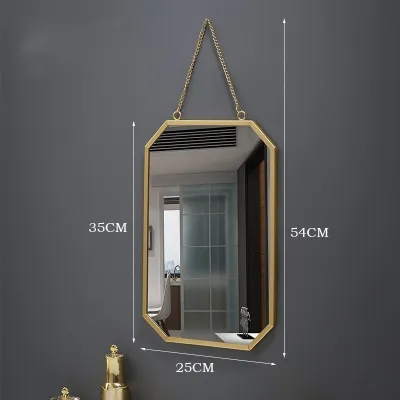
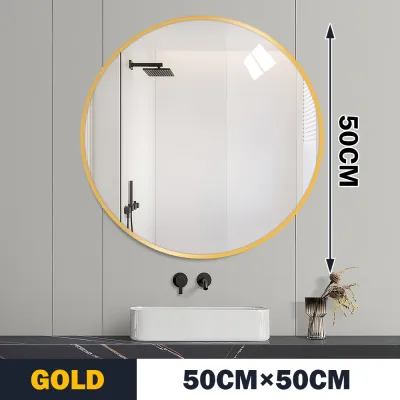
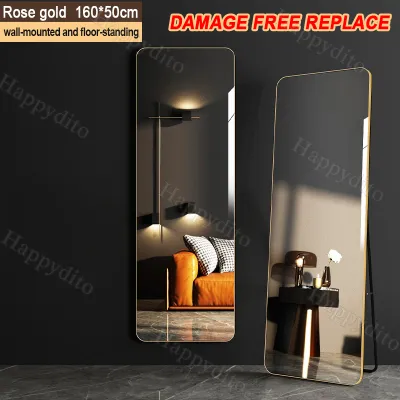
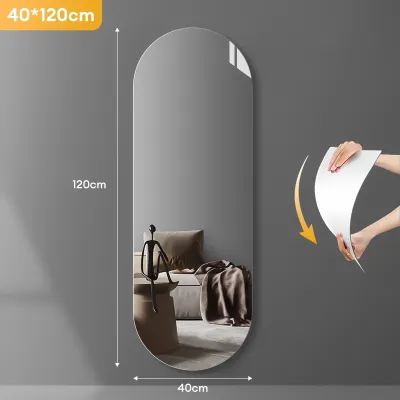
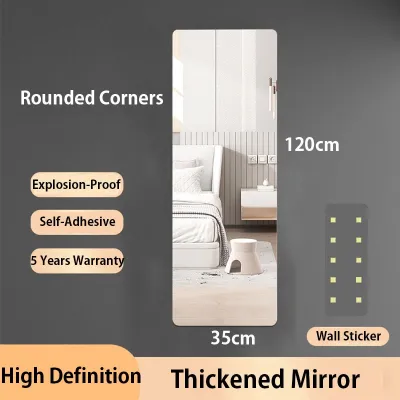
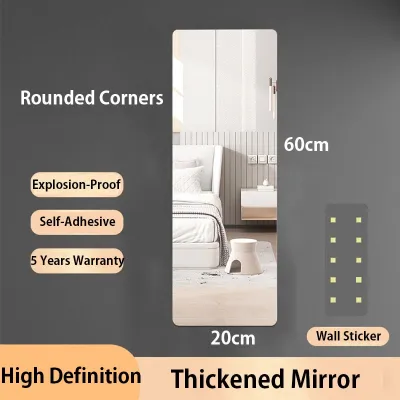
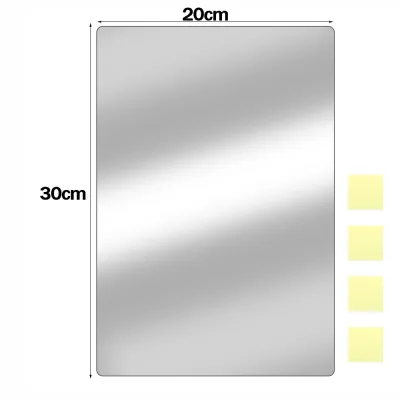
Prices are valid at publication and may change. Please refer to the product page for the latest price.
Top Placement Strategies to Expand a Small Room
To maximize the spatial illusion, a mirror must be positioned with deliberate intent. Simply hanging a mirror on any available wall space may not yield the desired effect and could even make the room feel more chaotic. The following strategies detail how to position your mirror to achieve the best possible visual expansion based on your specific room layout.

Reflecting Natural Light and Windows
One of the most effective ways to brighten a compact room is to place your mirror opposite or adjacent to a window. In the Philippines, where bright, tropical sunlight is abundant throughout the year, this technique can dramatically transform dark interior spaces. When natural light strikes the reflective surface, it bounces deep into the room, illuminating areas that shadows would otherwise dominate.
To execute this strategy successfully, observe how sunlight enters the room at different times of the day. If you place a mirror directly opposite a west-facing window, the intense afternoon sun can create a harsh, blinding glare that makes the room uncomfortable to sit in. To avoid this issue, position the mirror adjacent to the window rather than directly opposite it. This angle still captures the incoming daylight and spreads it across the room but prevents the direct reflection of the harsh sun from striking your eyes.
Creating a Focal Point and Depth
A well-placed mirror can establish a strong focal point that draws the eye and creates a false sense of depth. Positioning a large mirror behind a primary piece of furniture, such as a living room sofa, a dining table, or a console table in the entryway, visually duplicates the furniture arrangement and makes the room appear to have an entirely separate section.
When using this technique, pay close attention to what the mirror will reflect. The goal is to reflect elements that enhance the room’s aesthetic appeal, such as a beautiful piece of framed art, a well-styled bookshelf, or lush indoor plants like a peace lily or monstera that thrive in tropical climates. Avoid placing a mirror where it reflects a blank, unpainted wall, a cluttered kitchen counter, or an open utility closet. Reflecting clutter or empty, uninteresting spaces will only duplicate the visual mess or make the room feel cold and unfinished.
Enhancing Narrow Hallways and Tight Corners
Narrow hallways, cramped entryways, and tight reading nooks are common challenges in compact urban residences. In these tight quarters, a tall, vertical mirror can be used to draw the eye upward, creating an illusion of height and breaking up the claustrophobic feel of long, blank walls.
If you have a short, narrow corridor, placing a large mirror at the very end of the hallway can visually double its length, eliminating the “tunnel” effect. For tight corners, placing a mirror behind a small armchair or a corner table can make the nook feel like an open, transitional space rather than a dead-end. This strategy works exceptionally well in studio apartments where every square meter must be optimized for both functionality and visual comfort.
Choosing the Right Elegant Mirror for Your Layout
Selecting the perfect mirror involves balancing its size, shape, and frame style to complement your existing room lines without overwhelming the limited space. The frame’s material and thickness play a significant role in determining its visual weight. For instance, a thin, minimalist metal frame in black, brass, or chrome offers a modern, airy feel that allows the reflective glass to remain the primary focus. Conversely, a thick, ornate wooden frame provides classic elegance but carries substantial visual weight, which can make a very small room feel crowded if not paired with minimalist furniture.
When shopping for mirrors in the Philippines, keep the tropical climate in mind. High humidity can cause solid wood frames to warp or crack over time, and low-quality metal frames may rust. Look for moisture-resistant backings and frames made of treated wood, aluminum, or high-quality synthetic materials, especially if the mirror will be placed near a kitchen, bathroom, or an open-air balcony.
The shape of the mirror also influences how it interacts with the room’s architecture. Rectangular mirrors align cleanly with structural beams and standard furniture lines, offering a structured, clean look. Arched or round mirrors, on the other hand, are excellent for softening rigid architectural lines and adding a sense of organic flow to a boxy room. Ensure the mirror’s proportions match the wall and adjacent furniture; a mirror that is too small will look lost and fail to create a spatial illusion, while a mirror that is too large can visually crush the furniture beneath it.
Hanging Height and Installation Safety
To maintain visual continuity and ensure safety, a mirror must be mounted securely and at the correct height. The standard rule of thumb for hanging wall decor is to position the center of the mirror at eye level, which is typically 57 to 60 inches (145 to 152 cm) from the floor. However, this height should be adjusted when placing the mirror above furniture. When hanging a mirror over a sofa, console table, or headboard, leave a gap of 4 to 8 inches (10 to 20 cm) between the bottom of the frame and the top of the furniture to prevent the arrangement from looking disconnected or cramped.
Heavy or oversized mirrors present significant safety risks if not installed correctly. Before mounting, strictly check the manufacturer’s mounting hardware specifications and determine your specific wall type. In Filipino homes, walls are commonly constructed from solid concrete, concrete hollow blocks, or drywall.
Concrete and hollow block walls require a masonry drill bit, plastic wall plugs (commonly referred to as “tox”), and heavy-duty screws to support the weight of a heavy mirror. Drywall installations require locating wooden studs or using specialized toggle bolts. Never rely on simple adhesive strips or standard nails for heavy decorative mirrors. If your wall material is unclear, the provided hardware seems insufficient, or the mirror’s weight exceeds standard drywall anchor limits, stop immediately and consult a qualified professional handyman to ensure a secure installation. Additionally, if you are installing a mirror with integrated LED lighting, ensure the power is isolated at the circuit breaker before beginning, and consult a certified electrician to handle the electrical connections safely.
Common Placement Mistakes to Avoid
While mirrors are powerful design tools, improper placement can easily disrupt the flow of a small room. One of the most common mistakes is reflecting visual clutter. If a mirror is positioned directly opposite an open wardrobe, a laundry sorting area, or a busy kitchen counter, it will visually double the clutter, making the room feel twice as messy and cramped.
Another frequent error is hanging the mirror too high. When a mirror is mounted close to the ceiling, it reflects only the upper walls and ceiling fixtures, breaking the visual continuity of the living space and failing to reflect the natural light or open views that make a room feel larger.
Finally, avoid using too many small, fragmented mirrors in a single tiny room. While a gallery wall of small mirrors might seem artistic, it creates a fragmented, “funhouse” reflection that causes visual chaos. Instead of a cohesive, expanded space, the eye is forced to jump between multiple small reflections, which can make the room feel smaller and more confined. Opt instead for a single, large, high-quality mirror to create a clean and uninterrupted visual extension.
Frequently Asked Questions (FAQ)
How do I place a mirror in a room with no windows?
In windowless rooms, such as interior bathrooms, basement offices, or dark hallways, position your mirror to reflect artificial light sources. Placing a mirror opposite a warm LED floor lamp, a stylish wall sconce, or a central chandelier will amplify the ambient light and make the room feel brighter. You can also position the mirror to reflect a brightly lit adjacent doorway or corridor, which simulates an open pathway and tricks the eye into seeing an extension of the room.
Can I lean a large elegant mirror against the wall instead of hanging it?
Yes, leaning an oversized, full-length mirror against the wall is an excellent way to create a relaxed, contemporary aesthetic while making a small room feel taller. However, safety must be your top priority. You must use heavy-duty anti-tip safety straps to secure the top of the mirror frame directly to a wall stud or concrete wall. Always check the manufacturer’s guidelines to ensure the specific mirror model is structurally designed to support its own weight when leaned at an angle. Avoid leaning mirrors in high-traffic areas or homes with active pets and young children.

Community discussion
Share your experience or ask a question. Comments are reviewed before publication.