
A big wall mirror is one of the most effective design tools to instantly make a compact sala feel bright, airy, and spacious. By reflecting both natural and artificial light, a large mirror tricks the eye into perceiving double the actual floor area. To achieve this visual expansion, you must carefully evaluate your living room’s layout, choose a mirror design that complements your existing decor, and position it strategically to capture the best views and light sources.
In many urban condominiums and traditional townhouses, space can feel limited, making the living room feel cramped. A big mirror wall design sala strategy offers a highly effective, non-structural way to visually expand your square footage without major renovations. In tropical climates where natural ventilation and bright daylight are highly valued, a well-placed mirror can also capture the lush greenery of an outdoor garden or the bright sky, bringing the outdoors inside. However, achieving this effect requires more than just hanging a mirror on any open wall. It demands a thoughtful approach to proportions, safety, and styling.
Assess Your Sala's Layout and Light Sources
Before purchasing a large mirror, take a close look at your sala’s architectural features and light entry points. Identify where natural light enters through windows, glass doors, or open archways. The goal is to position the mirror where it can catch this incoming light and bounce it deep into the darker corners of the room. In tropical regions, the intensity of daylight changes throughout the day, so observe how the sun moves across your room to find the most balanced reflection point.
Products mentioned in this guide
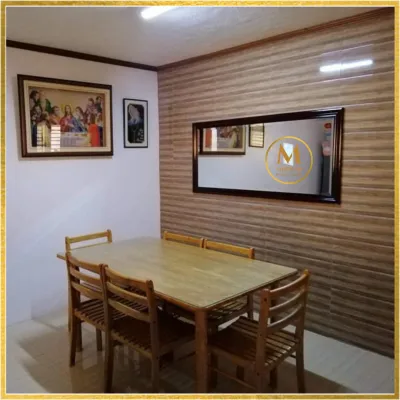
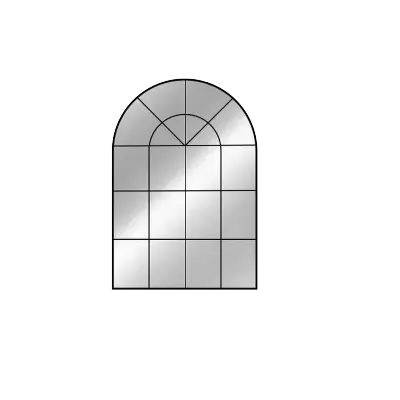
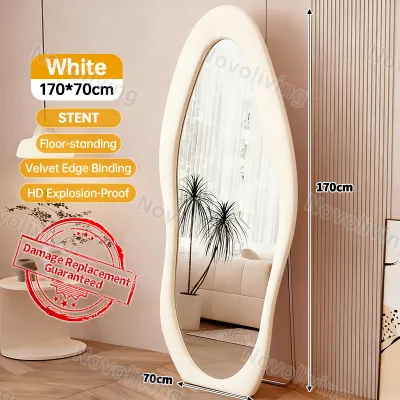
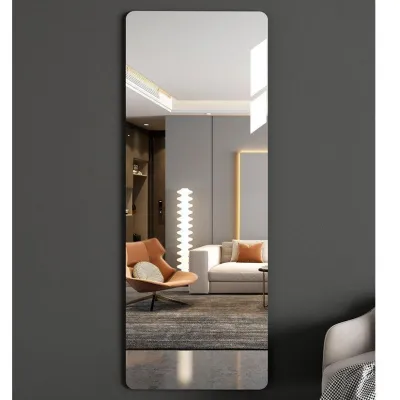
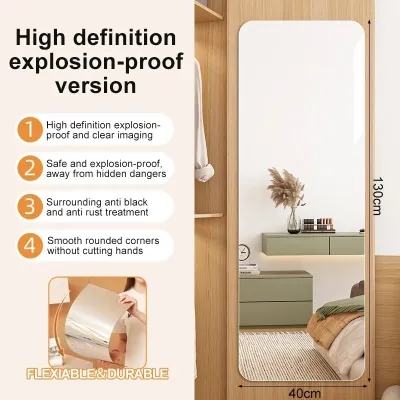
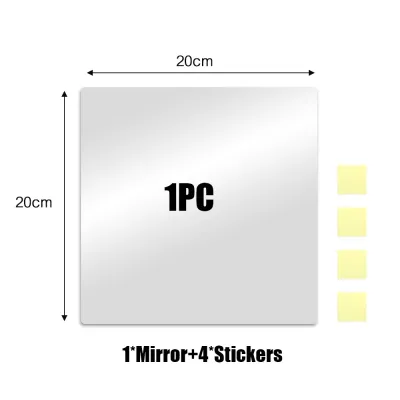
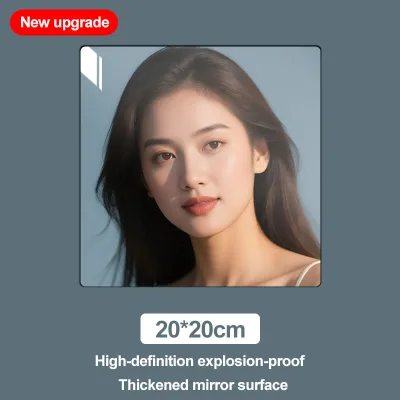
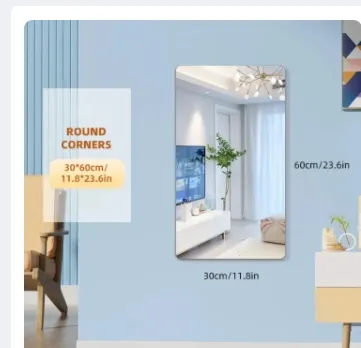
Prices are valid at publication and may change. Please refer to the product page for the latest price.
Equally important is assessing the structural integrity of your walls. Large, heavy mirrors require sturdy support. Inspect your wall surface—whether it is drywall, concrete, hollow block, or wood paneling—to determine if it can safely bear a heavy load. Concrete and masonry walls, which are common in many homes, require specific masonry anchors and drill bits. Additionally, check the wall for any signs of moisture or dampness, especially during the rainy season, as persistent humidity can damage the silver backing of a mirror over time.
Finally, measure your available wall space and the surrounding furniture. A mirror that is too small will look lost, while one that is excessively large can overwhelm the room and make it feel cramped rather than spacious. Aim for a balanced proportion where the mirror occupies a significant portion of the wall but still leaves comfortable breathing room around its edges.
Choose the Right Big Mirror Design for Your Space
The design of your mirror plays a crucial role in how it affects the visual weight of your sala. Frameless mirrors offer a sleek, minimalist look that blends seamlessly into the wall, creating an almost uninterrupted transition that maximizes the illusion of an open doorway or window. This style is particularly effective in modern or contemporary spaces where clean lines are preferred. If you want a seamless look, a custom-cut frameless mirror covering an entire accent wall can make the boundary of your room seemingly disappear.

Framed mirrors, on the other hand, act as statement pieces. When choosing a framed option, consider the frame’s thickness, material, and durability. In humid environments, select materials that resist warping or rust, such as treated wood, aluminum, or high-quality synthetic frames. A thin, metallic frame in gold, black, or brass adds a touch of elegance without adding visual clutter. Heavy, dark wood frames can look beautiful but may feel visually heavy in a small sala, so they should be used selectively.
Shape is another critical factor. Rectangular mirrors hung horizontally can make a narrow wall feel wider, while vertical placement can draw the eye upward, making low ceilings feel higher. Arched or round mirrors introduce soft curves that break up the rigid, straight lines of typical furniture, adding visual interest and a sense of softness to the room. Always check the manufacturer’s specifications for the mirror’s exact weight, dimensions, and recommended mounting hardware before making a final decision.
Strategic Placement Techniques to Expand the Room
To truly expand your sala, placement must be intentional. One of the most effective strategies is to position the mirror directly opposite or adjacent to a primary window. This setup allows the mirror to act as a second window, reflecting the outdoor view and doubling the amount of natural light entering the room during the day. It also helps connect your indoor living space with the outdoors, making the room feel more expansive and integrated with nature.
Another classic placement is behind a major piece of furniture, such as a sofa or a console table. Placing a large horizontal mirror above the sofa creates an immediate sense of depth, making the wall feel as though it recedes. Ensure the mirror is mounted high enough so that seated guests do not bump their heads against it, and keep it centered with the furniture below to maintain visual balance. If you have a narrow entryway leading into the sala, placing a mirror on the adjacent wall can make the transition feel wider and more welcoming.
Be mindful of what the mirror will reflect. Avoid placing a mirror directly opposite a cluttered shelf, a utility area, or a blank wall, as this will only double the visual clutter or emphasize the emptiness. Additionally, avoid positioning a mirror where it will catch direct, harsh glare from exposed light bulbs or intense afternoon sun, which can cause uncomfortable eye strain for anyone sitting in the sala. You should also avoid placing a mirror directly opposite your television screen, as the reflection can create distracting double-images and glare while you are watching your favorite shows.
Safe Installation and Mounting Guidelines
Hanging a heavy mirror requires strict adherence to safety protocols to prevent damage or injury. Never rely on simple nails, thin wire, or adhesive strips for a large, heavy piece. Start by locating the wall studs if you are mounting on a drywall or wood-framed wall. Securing the mounting brackets directly into studs provides the strongest possible hold.
If studs are not available, or if you are mounting on concrete or hollow block walls, use heavy-duty wall anchors that are explicitly rated for the weight of your mirror. Concrete walls require a hammer drill and masonry wall plugs, often referred to as tox. Always refer to the manufacturer’s installation instructions and verify that the included hardware is compatible with your specific wall type. Double-check that all brackets, D-rings, or cleat hangers are level before drilling.
For complex installations—such as mounting on masonry walls, working around hidden electrical wiring, or handling exceptionally heavy or oversized glass panels—it is best to stop and consult a qualified professional. Ensuring the mirror is securely anchored gives you peace of mind, especially in high-traffic areas of the home where accidental bumps might occur. Taking these safety precautions ensures your beautiful design choice remains a safe and permanent fixture in your home.
Styling and Accessorizing Around the Mirror
Once your mirror is safely mounted, the surrounding decor should complement and enhance its spacious effect. Balance is key. If you have a large, bold mirror, keep the surrounding wall decor minimal to avoid a cluttered look. You can create a balanced, symmetrical arrangement by placing matching side tables or wall sconces on either side of the mirror.
Using low-profile furniture, such as a sleek console table beneath the mirror, helps ground the piece without blocking the reflection. You can place a few carefully selected decorative items on the console, such as a small indoor plant, a stack of books, or a ceramic vase. The green leaves of a plant reflected in the mirror add a refreshing, natural element that enhances the feeling of openness.
Keep the reflected area tidy and organized. Since the mirror projects whatever is in front of it, keeping the opposite side of the room clean and uncluttered is essential to maintaining the illusion of a larger, more organized sala. Choose light-colored decor and furniture for the reflected zone to maximize the bright, airy atmosphere. Placing a warm-toned lamp near the mirror can also create a cozy, glowing ambiance in the evening, bouncing soft light across the room.
Frequently Asked Questions (FAQ)
How high should I hang a big mirror in the sala?
As a general rule, the center of a wall-mounted mirror should hang at eye level, which is typically about 140 to 150 centimeters from the floor. If you are hanging the mirror above a piece of furniture like a sofa or console table, leave a gap of about 15 to 20 centimeters between the bottom of the mirror frame and the top of the furniture. This gap prevents the arrangement from looking cramped while keeping the mirror low enough to reflect the room rather than just the ceiling. Always check the manufacturer’s recommendations for specific mounting heights and hardware placement.
Can I lean a large mirror against the wall instead of mounting it?
Yes, leaning a large, full-length mirror against the wall is a popular styling choice that adds a relaxed, contemporary feel to your sala. However, safety must be your top priority. Always use anti-tip safety straps or anchors to secure the top of the mirror to the wall, preventing it from sliding or tipping forward. Ensure the floor surface is non-slip, and avoid placing a leaning mirror in high-traffic walkways or near doors where it could easily be bumped by children or pets.

Community discussion
Share your experience or ask a question. Comments are reviewed before publication.