
A small room can easily feel cramped, especially in dense urban areas where living spaces are compact. Hanging a Nordic wall mirror is one of the most effective design strategies to visually expand your interior. By capturing natural light and reflecting open areas, these minimalist pieces trick the eye into perceiving a deeper, brighter room. The clean lines and organic materials characteristic of Scandinavian design prevent the space from feeling overwhelmed, offering a balanced blend of functionality and understated beauty.
Using mirrors to enhance spatial perception relies on simple principles of light and reflection. When placed thoughtfully, a mirror acts like an extra window, breaking up solid walls and drawing the eye outward. In tropical climates like the Philippines, where bright daylight is abundant, maximizing this natural resource can transform a dim, narrow room into an airy, welcoming sanctuary.
Selecting the Right Nordic Mirror for Small Spaces
Choosing the perfect mirror requires a careful evaluation of scale and proportion. A mirror that is too small will look lost on a large wall, failing to make a significant spatial impact. Conversely, an oversized mirror can dominate the room, making the surrounding furniture feel cramped and disproportionate. To achieve a balanced look, aim for a mirror that covers approximately two-thirds to three-quarters of the width of the furniture piece below it, such as a console table or sofa. If you are hanging the mirror on an empty wall, ensure it leaves comfortable breathing room on all sides so the wall does not feel crowded.
Products mentioned in this guide
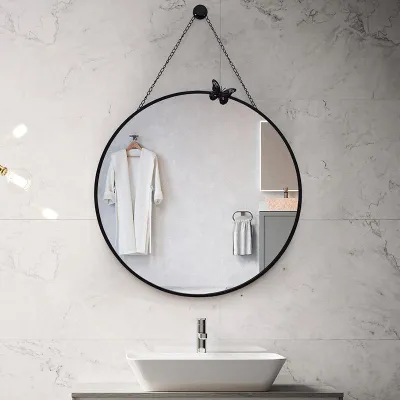
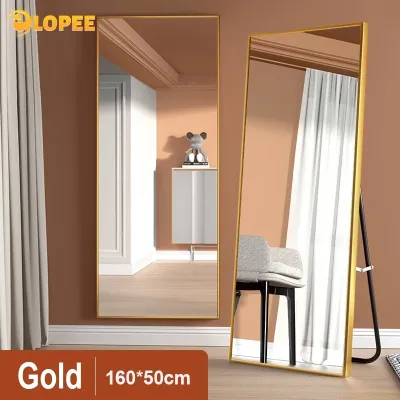
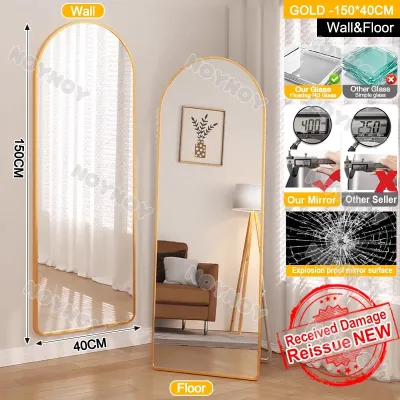
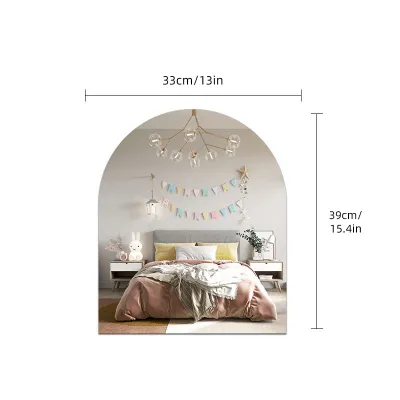
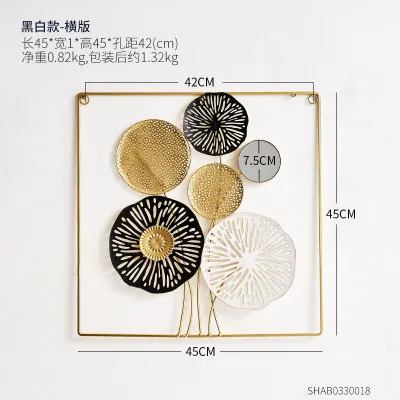
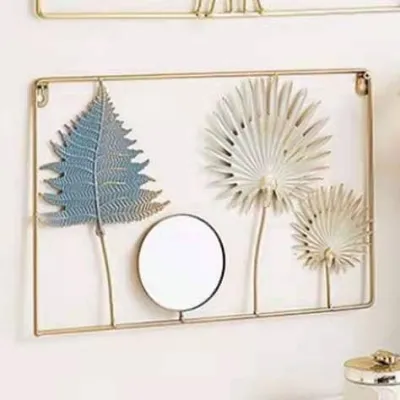
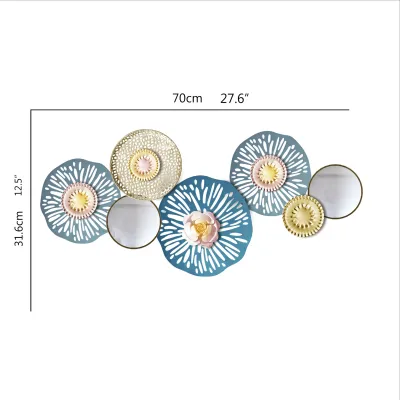
Prices are valid at publication and may change. Please refer to the product page for the latest price.
The materials and finishes of the frame play a vital role in maintaining the light, uncluttered feel of Nordic design. Scandinavian aesthetics favor natural, light-toned woods such as ash, beech, birch, or light oak. These materials bring a sense of warmth and organic texture to the room without adding heavy visual weight. If you prefer a more modern or industrial touch, thin metal frames in matte black, white, or muted brass offer clean, sharp lines. For the ultimate minimalist approach, a frameless mirror with polished edges blends seamlessly into the wall, removing visual boundaries entirely.
The shape of the mirror also influences how it alters the geometry of your room. Round mirrors are highly popular in Nordic interiors because their soft, continuous curves break up the harsh, straight lines of standard walls and rectangular furniture. Arched mirrors are excellent for creating the illusion of an architectural opening, mimicking the shape of a classic window and drawing the eye upward. Rectangular mirrors offer great versatility; hanging them vertically emphasizes the height of your ceiling, while mounting them horizontally stretches the perceived width of a narrow wall or hallway.
Strategic Placement to Maximize Light and Depth
To fully harness the spatial benefits of your Nordic wall mirror, strategic placement is essential. The most effective technique is to position the mirror opposite or adjacent to a window or other natural light source. This allows the glass to catch incoming daylight and bounce it deep into the darker corners of the room. In tropical homes, this placement not only brightens the space but also reduces the reliance on artificial lighting during the day, creating a more natural and comfortable indoor environment.

What your mirror reflects is just as important as where the light comes from. A mirror acts as a visual duplicator, so you must be intentional about what is captured in its reflection. Placing a mirror directly opposite a cluttered shelf, a busy utility area, or a blank, dark wall will only amplify the feeling of confinement. Instead, angle or position the mirror to reflect open spaces, such as an adjacent hallway, a clean accent wall, or a view of outdoor greenery. Reflecting potted palms on a balcony or trees outside a window brings a touch of nature indoors, further expanding the room’s perceived boundaries.
Determining the correct hanging height is another critical factor in optimizing sightlines and depth. As a general rule, the center of the wall mirror should hang at average eye level, which is roughly 150 to 155 centimeters from the floor. This ensures that the mirror is functional for daily use and aligns naturally with the gaze of anyone entering the room. However, if you are placing the mirror in a dining room or living area where people are primarily seated, you may want to lower the mounting height slightly. This adjustment keeps the reflection engaging and comfortable from a seated perspective, maintaining the illusion of depth throughout the entire space.
Styling the Surrounding Area for a Spacious Feel
Once your mirror is in place, styling the surrounding area correctly is crucial to preserving the open, airy feel of Nordic design. The Scandinavian concept of “lagom”—meaning “just the right amount”—should guide your decor choices. Avoid the temptation to crowd the console table, shelf, or floor space directly beneath the mirror. Instead, select two or three functional, high-quality accessories, such as a simple ceramic vase, a single candle, or a small wooden tray. Keeping these items sparse and organized prevents visual clutter from shrinking the perceived space.
Integrating complementary lighting can dramatically amplify the mirror’s reflective effect, especially during evening hours. Pairing your mirror with wall sconces or a slender floor lamp creates a warm, layered lighting scheme that bounces off the glass surface. When installing fixed-wiring wall sconces, safety must be your top priority. Always isolate the power at the main circuit breaker before beginning any electrical work. Verify the fixture’s voltage, base interface, and wattage limits to ensure compatibility with your home’s electrical system, and strictly follow the manufacturer’s installation instructions. If the installation involves complex wiring, damp environments, or working at height, always consult a qualified professional electrician.
Establishing clear negative space around the mirror is the final step in styling for a spacious feel. Negative space—the empty area surrounding an object—allows the eye to rest and lets the mirror’s reflection breathe. If you surround a mirror with too many framed pictures, hanging plants, or wall shelves, the wall will quickly feel overcrowded. By leaving a generous buffer of empty wall space around your Nordic mirror, you emphasize its clean lines and allow its spatial-expansion effect to take center stage.
Safe Installation and Wall Mounting Guidelines
Securing your Nordic wall mirror safely requires a clear understanding of your wall structure and the appropriate mounting hardware. In many residential buildings and condominiums, walls are constructed from solid concrete, hollow concrete blocks, or plaster-coated brick, while interior partitions may use drywall. Standard plastic wall plugs and screws are suitable for lightweight mirrors mounted on solid concrete, but heavier mirrors require heavy-duty masonry anchors. If you are mounting on drywall, you must locate the wooden or metal studs using a stud finder, or use specialized heavy-duty toggle bolts to distribute the weight safely.
Before proceeding with any installation, always verify the weight of your mirror and the load capacity of your chosen mounting system. Check the manufacturer’s instructions for both the mirror and the hardware to ensure they are fully compatible. Never rely on simple adhesive strips, double-sided tape, or thin nails for hanging heavy glass mirrors. In warm, humid tropical climates, moisture in the air can degrade adhesives over time, posing a significant risk of the mirror falling and breaking.
Knowing when to stop and seek help is essential for a safe installation. If you encounter unexpected resistance while drilling, such as hitting a metal plate, electrical conduit, or concrete rebar, stop immediately to prevent damage to your home’s utilities. If the mirror is exceptionally heavy, awkwardly shaped, or requires installation high on a wall, do not attempt to hang it alone. Working at height or handling large glass panels carries inherent safety risks, so consulting a qualified professional installer is always the safest choice to ensure your mirror remains securely anchored for years to come.
Frequently Asked Questions (FAQ)
Can a frameless mirror work in a Nordic-themed room?
Yes, frameless mirrors are highly compatible with Nordic design because they represent the ultimate form of minimalism. By eliminating the frame, these mirrors remove visual boundaries, allowing the reflection to merge seamlessly with the surrounding wall. This lack of interruption makes the wall feel continuous and expansive, which is ideal for small spaces. To maintain a clean, sophisticated look, choose a frameless mirror with a polished or subtly beveled edge. Mount it using hidden brackets or low-profile clips that do not distract from the clean lines of the glass.
How high should I hang a wall mirror above a console table?
As a general guideline, a wall mirror should hang approximately 15 to 20 centimeters above the top surface of a console table. This spacing creates a cohesive visual connection between the furniture and the mirror, preventing them from looking like isolated pieces. If your room has exceptionally high ceilings, you can increase this gap slightly to maintain balanced proportions, but ensure the center of the mirror remains close to eye level. Always verify that the width of the mirror does not exceed the width of the console table, as a top-heavy arrangement can disrupt the visual harmony of the room.
Community discussion
Share your experience or ask a question. Comments are reviewed before publication.