
Placing a mirror with wood frame in a small room is one of the most effective ways to create an illusion of expansive depth and warmth. By strategically positioning this classic decor piece, you can bounce natural light into dark corners, visually double your floor area, and soften rigid architectural lines. The organic texture of a wooden frame adds a grounding element that prevents a small space from feeling cold or clinical, making the room feel both larger and more inviting.
Achieving this spatial transformation requires more than simply driving a nail into the nearest wall. You must carefully evaluate how light enters the room, understand the structural limits of your walls, and apply proven design principles to maximize the mirror’s reflective potential. With the right approach, a single well-placed mirror can completely redefine the boundaries of your living space.
Assess Your Room's Light and Layout Before Hanging
Before mounting your mirror, take a day to observe how natural light moves through the room. Note the hours when sunlight is strongest and identify where the rays land on your walls. Mapping these patterns allows you to position your mirror where it can capture and redistribute this light most effectively, rather than reflecting a dark, unused corner.
Products mentioned in this guide
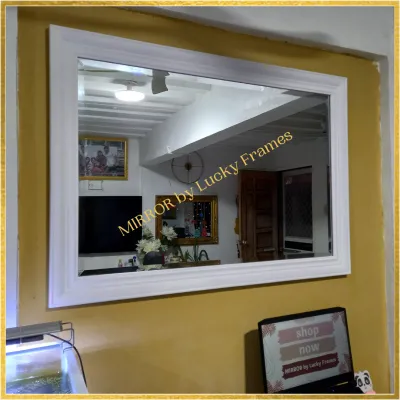
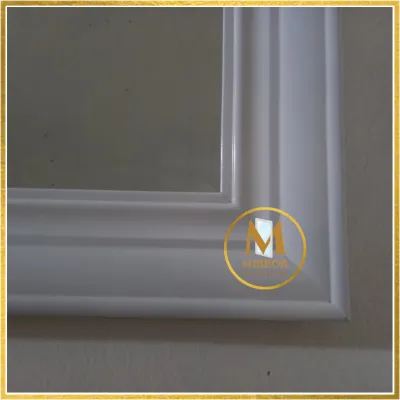
Prices are valid at publication and may change. Please refer to the product page for the latest price.
Architectural features and existing focal points also dictate where a mirror should go. Look for natural anchors in the room, such as a bedframe, a dining table, or a sofa. Aligning the mirror with these elements creates a sense of balance and purpose, ensuring the glass feels like an intentional architectural extension rather than an afterthought.
The structural integrity of your wall is a critical safety consideration, especially when dealing with a solid wood frame. Solid timber frames carry significant weight that standard drywall or thin plaster cannot support without reinforcement. In many homes, particularly in tropical regions like the Philippines, walls are constructed from solid concrete or concrete hollow blocks. You must identify your wall type beforehand so you can purchase the correct mounting hardware, such as heavy-duty masonry anchors or toggle bolts.
Finally, measure the physical clearance around your furniture. A large mirror should never obstruct walkways or interfere with the swing of doors. Ensure there is comfortable clearance between the mirror frame and nearby high-traffic paths to prevent accidental bumps and maintain a smooth, open flow throughout the room.
Best Placement Strategies to Create the Illusion of Space
To make a cramped room feel instantly larger, place your mirror with wood frame directly opposite or adjacent to a primary window. This positioning captures the incoming daylight and bounces it deep into the interior, illuminating shadows that typically make a room feel small. The reflection also acts as an additional window, bringing views of the outdoors inside and visually breaking down the solid barrier of the wall.

Another highly effective strategy is positioning the mirror directly behind a major furniture piece, such as a living room sofa or an entryway console table. When you place a wide, horizontal mirror above a sofa, it creates a secondary layer of depth that makes the wall appear to recede. This setup tricks the eye into perceiving the space behind the furniture as an open, continuous area rather than a hard boundary.
For tight corners or narrow hallways, a tall floor-length mirror is an excellent tool to soften rigid architectural edges. Placing a large, vertical mirror in a corner blurs the intersection where two walls meet, making the boundaries of the room less defined. This technique is particularly useful in compact bedrooms or studio apartments where floor space is at a premium and every corner counts.
If your room lacks architectural interest, you can use the mirror to create a faux focal point. By reflecting an attractive element—such as an indoor potted plant, a beautifully styled bookshelf, or a warm pendant light—the mirror doubles the visual impact of that feature. This draws attention away from the room’s limited dimensions and focuses the eye on depth and design harmony.
Styling Techniques to Maximize the Expanding Effect
The height at which you hang your mirror determines how effectively it expands your space. A common mistake is hanging decor too high, which forces the eye upward toward an empty ceiling and disconnects the mirror from the rest of the room. Instead, aim to position the center of the mirror at eye level, which is generally between 57 and 60 inches from the floor. This ensures the glass reflects the active living area and the depth of the room rather than the ceiling.
Leaning a large wood frame mirror against the wall offers a relaxed, contemporary aesthetic that visually stretches a room vertically. The slight upward tilt of a leaning mirror reflects a broader angle of the room, drawing the eye upward and making low ceilings feel significantly higher. To ensure safety, always secure the top of a leaning mirror to the wall with safety anchor straps, especially in households with pets or children.
The visual success of a mirror relies heavily on what it reflects. Before finalizing the position, stand where you will most frequently view the mirror and look at the reflection. If the glass reflects a cluttered shelf, a pile of laundry, or an unorganized desk, it will double the visual noise and make the room feel smaller and more chaotic. Keep the reflected zone tidy and intentionally styled.
When styling the area directly in front of the mirror, choose low-profile decor that does not block the glass. A small, delicate vase, a single candle, or a low-lying stack of books on a console table adds layers of interest without obstructing the reflection. This layered approach creates a transition zone that makes the depth in the mirror feel incredibly realistic and inviting.
Safe Hanging and Installation Guidelines for Wood Frame Mirrors
Securing a heavy wood frame mirror requires the right hardware and a methodical approach to installation. Never rely on simple nails or adhesive strips, which can fail under the weight of solid timber and lead to costly damage or injury. Instead, select heavy-duty wall anchors, heavy-duty picture hangers, or French cleats that are explicitly rated for the total weight of your mirror.
If you are mounting the mirror on drywall, use a stud finder to locate the wooden studs behind the wall. Screwing directly into a stud provides the strongest possible hold. If a stud is not available where you want to hang the mirror, use high-quality hollow-wall anchors, such as toggle bolts, which expand behind the drywall to distribute the weight safely.
For concrete or masonry walls, which are standard in many Philippine residences, you will need a hammer drill, a masonry drill bit, and plastic or metal wall plugs (often referred to locally as tox plugs). Drill a clean hole to the depth specified by the plug manufacturer, insert the plug firmly, and then drive the screw in. This creates a secure, permanent anchor point that can easily support heavy wooden frames.
Always measure and level your hanging points twice before drilling. Use a spirit level to ensure the mirror hangs perfectly straight, as even a slight tilt can distort the reflection and ruin the spatial illusion. If your mirror is exceptionally heavy, oversized, or has an awkward shape that makes handling difficult, stop and consult a qualified professional installer to ensure a safe and secure mount.
Common Placement Mistakes to Avoid
One of the most frequent errors is placing a mirror where it reflects a blank, unadorned wall or a harsh, bare light bulb. Reflecting a blank wall does nothing to enhance the room; it simply duplicates empty space and can make the area feel cold. Reflecting exposed light bulbs or harsh artificial light sources creates uncomfortable glare and visual discomfort, detracting from the relaxing atmosphere you want to build.
Hanging a mirror too high is another mistake that disrupts the visual flow of a small room. When a mirror is positioned near the ceiling, it fails to reflect the furniture and living elements that define the room’s depth. This disconnects the mirror from the rest of your decor, making it look like an isolated object rather than an integrated design feature that expands the room.
Lastly, avoid the temptation to use a collection of multiple small mirrors to make a room look bigger. While a gallery wall of small mirrors can be decorative, it fragments the reflection and creates a busy, cluttered look. A single, large mirror with a clean wood frame is far more effective at creating a seamless, uninterrupted illusion of space, making it the preferred choice for compact interiors.
Frequently Asked Questions (FAQ)
Does the wood frame color affect how big the room looks?
Yes, the color and finish of the wood frame play a significant role in spatial perception. Light wood tones, such as pine, ash, or light oak, have less visual weight and blend easily with light-colored walls, creating a seamless and airy feel that maximizes the illusion of space. Dark wood frames, like walnut or mahogany, create a strong contrast against light walls; while they add beautiful warmth and character, they act as a distinct frame for the reflected view, drawing more attention to the mirror itself as an art piece.
Can I place a wood frame mirror in a humid area like a bathroom?
You can place a wood frame mirror in a bathroom, but you must take specific precautions to protect the wood from tropical humidity and moisture. Always check the manufacturer’s specifications to ensure the frame is sealed with a moisture-resistant finish or polyurethane coating. To prevent warping, rot, or mold, ensure the bathroom has excellent ventilation, such as an exhaust fan or open windows, and avoid placing the mirror where it will come into direct contact with water splashes.

Community discussion
Share your experience or ask a question. Comments are reviewed before publication.