
Placing an acrylic round mirror strategically in a small room is one of the most effective ways to create an illusion of expansive space. By reflecting natural light and softening rigid wall boundaries, this simple addition can make a cramped room feel instantly brighter and more open.
To maximize this spatial illusion, you must position the mirror where it can capture light sources, extend sightlines behind key furniture, and draw the eye upward. Because of their lightweight and shatter-resistant properties, round acrylic mirrors offer unique styling and placement flexibility that traditional glass mirrors cannot match.
Achieving a convincing sense of depth requires a combination of precise positioning, thoughtful surrounding decor, and proper maintenance. With the right approach, you can transform a compact bedroom, a narrow hallway, or a cozy living area into a bright, airy sanctuary.
Products mentioned in this guide
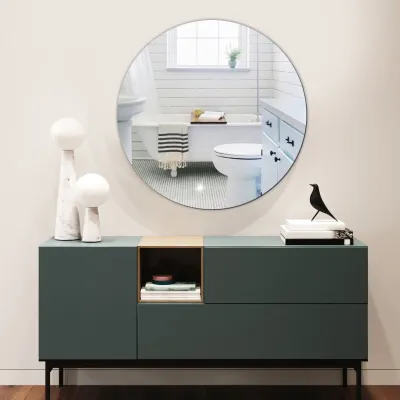
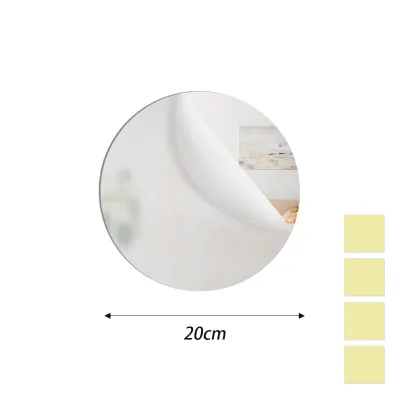
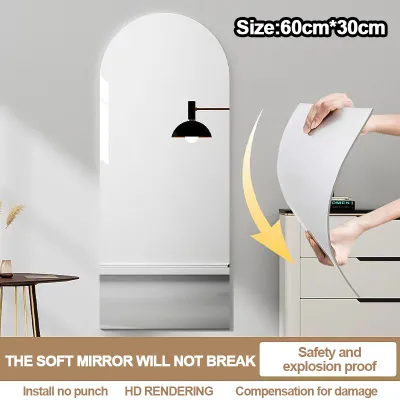
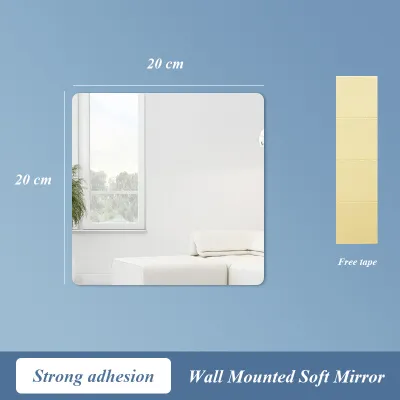
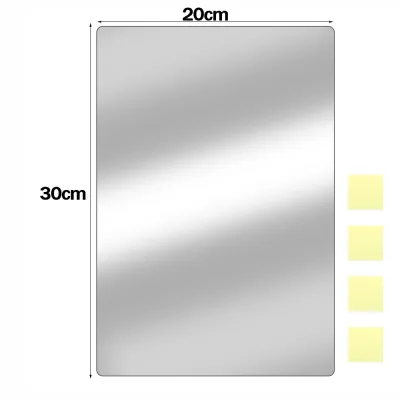
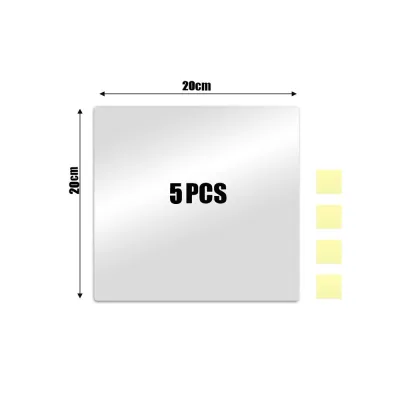
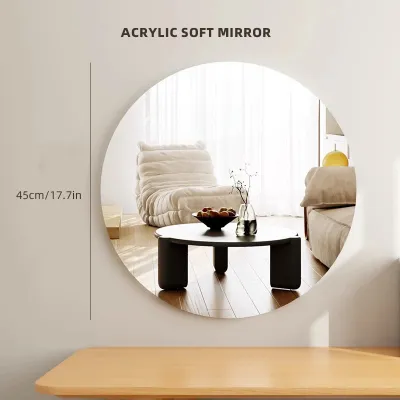
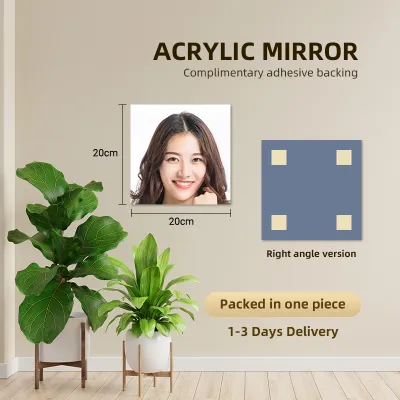
Prices are valid at publication and may change. Please refer to the product page for the latest price.
Understanding the Visual and Material Benefits
The geometry of a round mirror plays a crucial role in altering spatial perception. In a small room, rigid rectangular lines from walls, doors, and bulky furniture can make the environment feel boxy and confined. A round shape breaks up these harsh visual stops, offering a fluid silhouette that allows the eyes to glide smoothly across the walls.
This softening effect prevents the gaze from locking onto the physical corners of the room, creating a more relaxed and continuous visual flow. Because there are no sharp edges to define where a wall ends, the mind perceives the boundary as more open and less restrictive.
Beyond aesthetics, opting for an acrylic round mirror presents distinct material advantages over conventional glass, particularly in compact living spaces. Acrylic is exceptionally lightweight, often weighing less than half of what a glass mirror of the same size would. This reduced weight allows you to mount the mirror on thin partition walls or drywall surfaces that might not safely support a heavy glass alternative.
Furthermore, acrylic is highly shatter-resistant. In active households, narrow corridors, or homes with children and pets, this durability provides peace of mind, eliminating the risk of dangerous shards if the mirror is accidentally bumped or jarred.
However, utilizing acrylic requires an understanding of its unique optical properties. Acrylic is more flexible than glass, which means it can exhibit slight edge distortion if not mounted on a perfectly flat surface. While premium glass offers absolute reflection clarity for close-up tasks like grooming, an acrylic mirror is best utilized for ambient light distribution, decorative depth, and spatial enhancement. Setting realistic expectations for its reflective performance ensures you leverage its safety and lightweight versatility effectively.
Strategic Placement to Maximize Depth and Light
Bouncing Light from Windows and Lamps
To maximize the brightness of a small room, position your acrylic round mirror directly across from or adjacent to a primary light source, such as a window or a bright floor lamp. In tropical regions like the Philippines, where natural sunlight can be intense but unevenly distributed throughout deep indoor spaces, placing a mirror opposite a window helps capture this abundant light and throw it deep into darker corners.

This simple placement reduces heavy shadows that make a room feel closed-in and gloomy. The reflected light acts as an additional source of illumination, instantly elevating the room’s energy and warmth.
When natural light fades, the same principle applies to artificial fixtures. Positioning the mirror so it reflects the light from a warm table lamp or an ambient wall sconce creates a secondary light source without requiring additional electrical installations. This bounce effect effectively doubles the perceived illumination, making the entire room feel airier and more vibrant.
Extending Sightlines Behind Furniture
Another highly effective technique to trick the eye into perceiving more space is placing the acrylic round mirror directly behind prominent furniture pieces. Positioning a large round mirror slightly behind a sofa, above a low console table, or at the end of a narrow hallway visually “pushes” the wall surface backward. The reflection mimics an opening or a window, suggesting that the room continues beyond its physical boundary.
This placement is particularly useful in tight living areas where furniture must be pushed against the walls to maintain clear walking paths. By overlapping the mirror’s lower edge slightly behind the top of a sofa or console, you create a layered, multi-dimensional look. This layering breaks the flat plane of the wall and adds an immediate sense of depth, making the distance between opposing walls feel much wider.
Drawing the Eye Upward for Higher Ceilings
When floor space is limited, shifting the visual focus to the vertical plane can dramatically alter how spacious a room feels. Mounting your acrylic round mirror higher on the wall—slightly above the average eye level—encourages visitors to look upward, drawing attention to the ceiling height and the upper volume of the room.
This vertical shift diverts attention away from a cramped floor layout or tight furniture arrangements. To amplify this vertical illusion, ensure the upper half of the mirror reflects clean, uncluttered space, such as a light-colored ceiling or a high window. High placement works exceptionally well in rooms with high ceilings but limited floor areas, as it balances the room’s proportions and highlights its vertical assets.
Styling the Surroundings to Amplify the Illusion
Successfully expanding a room’s visual boundaries depends not only on where you place the mirror but also on how you style the environment immediately surrounding it. A mirror reflects whatever is in front of it; therefore, the area directly opposite the mirror must remain uncluttered. If a mirror reflects a messy desk, an open laundry basket, or a crowded shelf, it will double the visual clutter, making the room feel twice as chaotic and cramped.
Instead, aim to have the mirror reflect open spaces, minimalist decor, or a healthy indoor plant. This ensures that the reflected image contributes to a sense of calm and openness rather than adding to the visual noise.
Pairing your acrylic round mirror with low-profile, minimalist furniture or floating shelves helps maintain a light, airy aesthetic. Floating shelves installed near the mirror provide storage or display space without the heavy footprint of floor-standing bookcases. This keeps the lower half of the wall clear, preserving precious physical and visual floor space.
Integrating lighting accents around the mirror can further enhance the spatial illusion, especially during evening hours. Installing small, directed wall sconces or delicate picture lights just above or beside the mirror keeps the reflective surface active and glowing after dark.
When planning any electrical additions, always prioritize safety. Verify the voltage, wattage limits, and electrical certifications of any light fixtures you purchase. For fixed wiring or installations in damp areas, ensure you isolate the power supply, follow the manufacturer’s installation instructions carefully, and consult a qualified professional to handle the electrical work safely.
To keep the aesthetic as open as possible, opt for a frameless acrylic mirror or one with an ultra-thin, neutral-toned frame. Bulky, heavy frames can overwhelm a small wall, adding unnecessary visual weight and drawing too much attention to the mirror’s physical boundaries. A clean, frameless edge allows the reflection to blend seamlessly with the wall, enhancing the illusion of a continuous, open portal.
Safe Installation and Maintenance for Acrylic Surfaces
Because acrylic is lighter and more flexible than glass, it requires specific installation techniques and maintenance routines to preserve its safety, structure, and optical clarity. When mounting a lightweight acrylic mirror, heavy-duty double-sided adhesive strips or specialized, non-solvent-based mirror mastic are highly convenient options.
However, before applying any adhesive, you must verify the compatibility of your wall surface—whether it is painted concrete, drywall, or wood paneling. Always check the weight limits and manufacturer instructions for both the adhesive and the mirror to prevent the mirror from falling and warping.
If your installation requires mechanical mounting, such as drilling brackets or screws into the wall, safety must be your top priority. Before drilling, use a stud finder or a utility detector to check for hidden electrical wiring or plumbing pipes behind the wall surface. Ensure you use the appropriate wall anchors suited for your specific wall type.
If you are working at heights, dealing with complex wall structures, or feel unsure about the load-bearing capacity of your walls, stop immediately. Consult a qualified professional to complete the installation safely and prevent any structural damage or personal injury.
Maintaining an acrylic mirror is fundamentally different from cleaning standard glass. Acrylic has a softer surface that is highly susceptible to scratching. You must never use standard household glass cleaners, paper towels, rough rags, or abrasive cloths on acrylic.
Standard glass cleaners often contain ammonia or alcohol, which can cause chemical crazing—a network of fine cracks—on the acrylic surface. Instead, use a clean, ultra-soft microfiber cloth and a cleaning solution specifically formulated for acrylic, or a simple mixture of mild dish soap and warm water. Gently wipe the surface without applying heavy pressure to keep the reflection clear and scratch-free.
Common Placement Mistakes That Shrink the Room
While a well-placed mirror can double the perceived size of a room, poor placement can have the opposite effect, making the space feel smaller and more restrictive. One common mistake is positioning the mirror where it reflects a blank, dark wall or a completely unlit corner. This does nothing to improve light distribution or visual depth; instead, it creates a stagnant, unappealing reflection that emphasizes the room’s physical limitations.
Another critical error is exposing non-UV-treated acrylic to direct, prolonged sunlight. In tropical climates with intense solar radiation, continuous exposure to harsh sunlight can cause standard acrylic to warp or turn yellow over time, ruining both its appearance and its reflective quality. If your room receives intense direct sunlight, ensure your acrylic mirror is specifically rated for UV resistance, or place it in a spot where it receives bright, indirect light rather than direct, scorching rays.
Finally, avoid mounting a flexible acrylic mirror directly onto highly uneven, bumpy, or textured walls without a rigid backing. Because acrylic is flexible, it will gradually conform to the contours of an uneven wall surface. This warping bends the reflective plane, resulting in a distorted, “funhouse” mirror effect.
To prevent this distortion and preserve the spatial illusion, ensure the wall surface is completely flat, or mount the acrylic mirror onto a rigid backing board, such as a piece of flat plywood or medium-density fiberboard (MDF), before securing it to the wall. This extra step ensures a crisp, accurate reflection that successfully enhances the perceived depth of your living space.

Community discussion
Share your experience or ask a question. Comments are reviewed before publication.