
To make a small condo room look bigger, the most effective strategy is to place a decorative mirror—locally referred to as a salamin—where it can directly capture and bounce natural light, visually extend your walls, and reflect open, uncluttered areas. By understanding how light interacts with reflective surfaces, you can transform a cramped studio or one-bedroom unit into a bright, airy sanctuary. Strategic placement not only maximizes the limited square footage of modern high-rise developments but also enhances the overall aesthetic appeal of your living space.
Understanding How Mirrors Create the Illusion of Space
To understand why a mirror is such a powerful tool in interior design, it helps to look at the physics of light. Mirrors operate on the principle of specular reflection, where light rays bounce off a smooth surface at the exact same angle they arrived. Unlike matte walls that absorb or scatter light, a mirror preserves the intensity and direction of the light source. In a small condominium, this means that every lumen of natural light entering through your balcony door can be redirected to illuminate dark, recessed corners that windows cannot reach.
The human brain interprets the reflection in a mirror as physical space extending beyond the wall. If your mirror reflects an open living area, a clean dining table, or a scenic outdoor view, it creates a convincing illusion of double the floor area. This visual expansion helps reduce the boxy, claustrophobic feeling common in modern high-rise developments by tricking the eye into perceiving depth where a solid wall actually stands.
Products mentioned in this guide
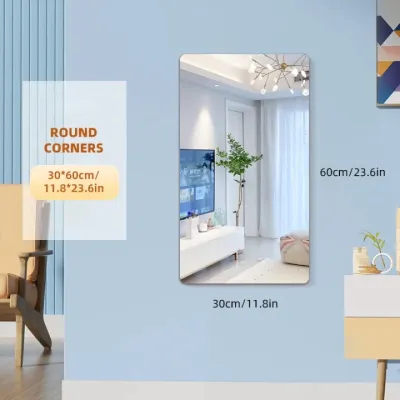
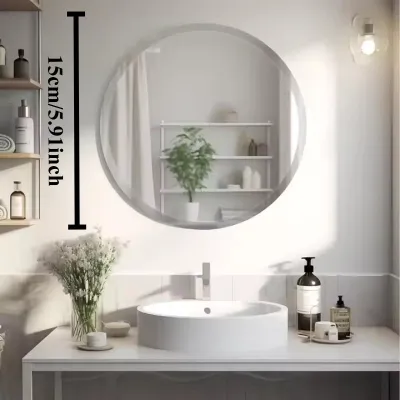
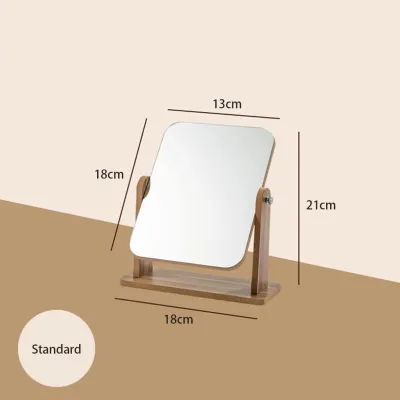
Prices are valid at publication and may change. Please refer to the product page for the latest price.
For windowless areas like interior hallways, entryways, or compact kitchens, a mirror styled with a grid frame can mimic the appearance of a window. This breaks up the monotony of solid concrete walls and reduces the feeling of confinement. By reflecting the light from adjacent rooms, these faux windows make dark passages feel like active, open parts of your home rather than neglected transition zones.
Best Placement Strategies for Small Rooms
Placing a mirror directly opposite a window can maximize light, but in tropical climates, direct afternoon sun can create intense, uncomfortable glare. Placing the mirror on an adjacent wall allows it to catch the light at an angle, diffusing brightness more evenly throughout the room without blinding reflections. This setup ensures your living space remains bright yet comfortable throughout the day.

Positioning a large mirror behind a low-profile sofa, a dining console, or a bed headboard tricks the eye into thinking the room continues behind the furniture. This prevents the heavy pieces from feeling like they are crowding the walls. When furniture appears to float in front of a reflected space, the entire layout feels lighter, more spacious, and less anchored to the physical floor limits.
A tall, arched floor mirror leaning against a corner is an excellent option for renters who want to avoid drilling into walls. It draws the eye upward, emphasizing vertical space and high ceilings. To prevent accidents on polished tiles or smooth laminate flooring, always secure the top of a leaning mirror to the wall using safety anchors or straps designed for heavy furniture.
If a single large mirror is too heavy or expensive, you can arrange a collection of smaller mirrors on a single wall. This creates a dynamic gallery effect that scatters light in multiple directions while serving as a unique focal point. Grouping mirrors of different shapes can add artistic character without cluttering the limited floor area, making it a highly versatile design choice.
Choosing the Right Size, Shape, and Frame
A single, large statement mirror provides a seamless, uninterrupted reflection that is highly effective at expanding space. However, clustered smaller mirrors offer more flexibility and are easier to handle during installation. The choice depends on your wall capacity and whether you want a clean, minimalist look or a more eclectic, decorative feel that showcases your personal style.
Heavy, ornate wooden frames can overwhelm a small room by drawing too much attention to the physical boundaries of the mirror. Frameless mirrors or those with ultra-thin metal frames, such as matte black, brass, or chrome, blend seamlessly into the wall. This minimalist approach makes the transition between the real room and the reflected space almost invisible, maximizing the spatial illusion.
Standard condo units are often boxy with sharp, straight lines. Introducing a round or oval mirror softens these harsh angles, making the space feel more inviting and less rigid. Conversely, tall rectangular mirrors emphasize vertical height, while horizontal mirrors can make a narrow dining area feel wider and more balanced by drawing the eye along a horizontal path.
Safe Mounting and Installation for Condo Walls
Most modern condominiums feature walls made of solid concrete, pre-cast concrete panels, or hollow blocks. Interior partition walls, however, are often constructed from gypsum board or drywall mounted on light metal studs. Identifying your wall type is the first and most crucial step before attempting to mount any heavy decorative pieces, as each material requires specific hardware.
Hanging a heavy mirror on concrete requires a masonry drill bit, plastic wall plugs, and heavy-duty screws. For drywall, you must use specialized toggle bolts or threaded drywall anchors that expand behind the board to distribute the weight safely. Never rely on simple nails or standard double-sided tape for heavy mirrors, as the high humidity typical of tropical climates can weaken adhesives over time, causing the mirror to fall and shatter.
Before drilling any holes, consult your condo’s Property Management Office to check for building guidelines, drilling restrictions, and designated quiet hours. If you are renting, look into non-damaging hanging solutions like heavy-duty adhesive strips, but ensure the mirror’s weight is well within the manufacturer’s specified limits. Always clean and dry the wall surface thoroughly before applying any adhesive to ensure a secure bond.
If your mirror features integrated LED lighting, verify the voltage compatibility, which is typically 220V in the Philippines, and ensure it has the appropriate electrical certification for damp environments if installed in a bathroom. For fixed wiring, heavy suspended loads, or installations at height, always isolate the power supply before starting and hire a qualified professional electrician or handyman to ensure safety and compliance with local building codes.
Common Placement Mistakes to Avoid
A mirror will double whatever is in its line of sight. If you place a mirror opposite a cluttered kitchen counter, a laundry drying rack, or an open storage shelf, you will visually double the clutter, making the room feel smaller and more chaotic. Always check the reflection from multiple angles in the room before finalizing the mounting position to ensure it highlights only clean, attractive areas.
Placing two large mirrors directly opposite each other creates a disorienting, endless loop of reflections. This infinity tunnel can feel visually overwhelming and psychologically unsettling in a compact living area. To avoid this, offset the mirrors slightly or place them on adjacent walls so their reflections do not lock into a feedback loop, maintaining a peaceful and balanced environment.
Hanging a mirror too high is a common design mistake that disrupts the visual flow of a room. If the mirror is placed too high, it will only reflect the ceiling and upper light fixtures, missing the opportunity to reflect the living space and natural light. The center of the mirror should generally sit at average eye level, which is approximately 1.5 meters from the floor, to ensure it remains both functional and visually balanced.
In the tropical climate of the Philippines, high humidity levels can pose a unique challenge to mirror longevity. Over time, moisture can penetrate the backing of a mirror, causing the silver coating to oxidize and peel, a phenomenon known as desilverization or black edge. To prevent this, ensure your bathroom mirrors are specifically rated for damp environments and feature sealed edges, and avoid spraying liquid glass cleaners directly onto the mirror surface.
Frequently Asked Questions (FAQ)
Can I place a mirror facing another mirror?
While it might seem like a good way to maximize light, placing two mirrors directly opposite each other is generally not recommended for small condo rooms. This arrangement creates an infinite reflection loop that can feel disorienting and visually chaotic. Instead, try angling one mirror slightly or placing them on adjacent walls to distribute light without creating a distracting tunnel effect.
How high should I hang a decorative mirror above furniture?
When hanging a mirror above a sofa, console table, or dining sideboard, aim to leave a clearance of about 15 to 20 centimeters between the bottom of the mirror frame and the top of the furniture. This gap keeps the pieces visually connected as a single design unit. Adjust the height slightly if needed to ensure the center of the mirror aligns close to eye level for most viewers.

Community discussion
Share your experience or ask a question. Comments are reviewed before publication.