
A compact bedroom does not have to feel restrictive or confined. By strategically positioning a mirror bedroom setup, you can instantly manipulate visual perception, making a small sleeping area feel significantly more open, airy, and bright. Rather than undertaking an expensive structural renovation, leveraging the reflective power of glass is a highly effective, reversible design strategy that works in almost any floor plan.
To successfully expand your room’s visual footprint, you must look beyond simply hanging a mirror wherever there is empty wall space. True spatial expansion relies on precise placement, the correct scaling of the glass, and an understanding of how light interacts with your room’s unique layout.
How Mirrors Create the Illusion of Space
At its core, the spatial magic of a mirror relies on basic optical physics. When light waves strike the flat, highly polished silver surface of a mirror, they bounce back into the room at the same angle they arrived. This reflection tricks the human brain into perceiving a “virtual space” behind the glass. Instead of your eyes stopping at a solid, dark wall, they follow the reflected lines of the floor, ceiling, and furniture, creating the illusion of an adjacent room.
Products mentioned in this guide
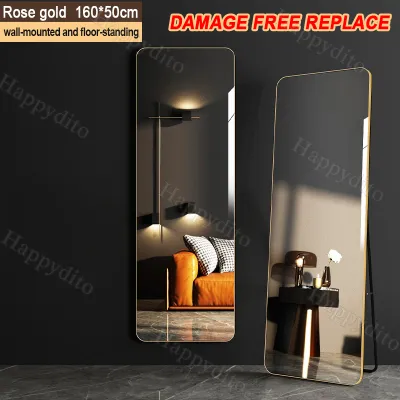
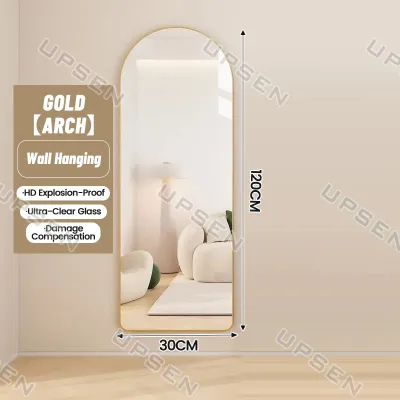
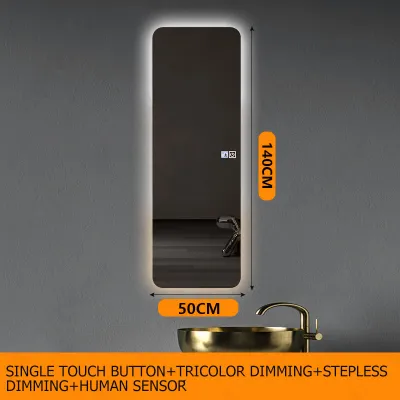
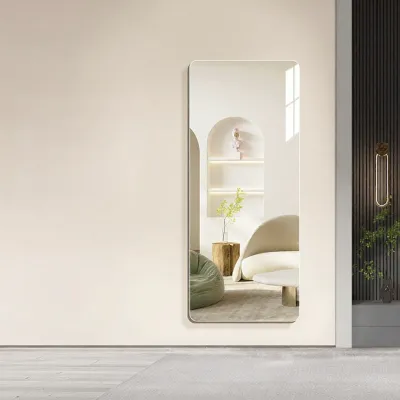
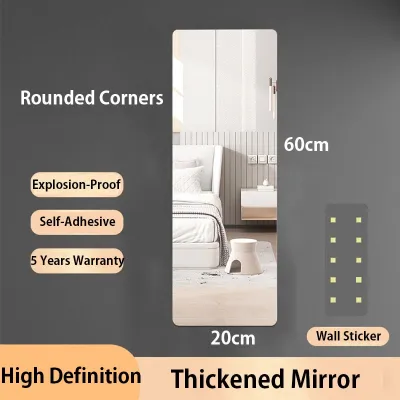
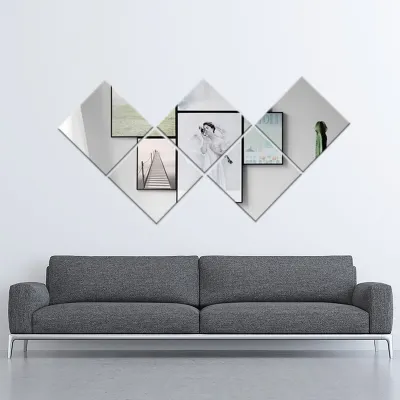
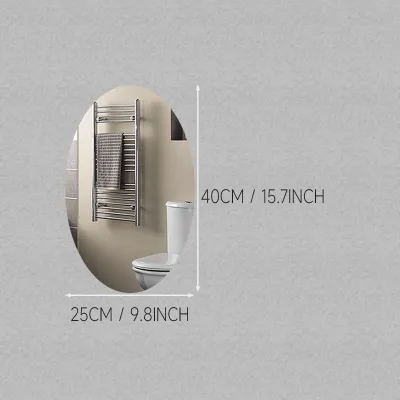
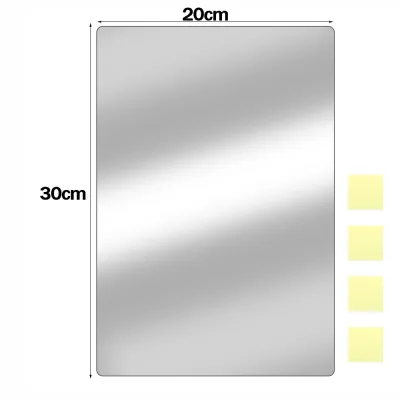
Prices are valid at publication and may change. Please refer to the product page for the latest price.
Furthermore, mirrors act as passive light amplifiers. In a small bedroom, dark corners and shadows naturally make the walls feel like they are closing in. A well-placed mirror captures whatever light is available—whether it is morning sunlight streaming through a window or the warm glow of a bedside lamp—and redistributes it throughout the space. This increased ambient brightness eliminates dark pockets, visually pushing the walls outward and making the entire environment feel more expansive.
Top Placement Strategies to Expand Your Bedroom
Maximizing the impact of your mirror requires deliberate positioning. By targeting key areas of the room, you can dramatically alter how space and light are perceived.

Opposite or Adjacent to Windows
Placing a mirror directly opposite or adjacent to a window is one of the most reliable ways to amplify natural light. This setup essentially creates a second window, bringing the outdoors inside and reflecting views of the sky, trees, or surrounding architecture. The result is an immediate sense of openness that connects your private sanctuary to the wider world.
However, in tropical climates like the Philippines, direct sunlight can be exceptionally intense, particularly during the dry season or midday hours. To prevent harsh, blinding glare from bouncing directly onto your bed, desk, or seating areas, you must carefully calibrate the angle of the reflection. If a direct opposite placement causes discomfort, try positioning the mirror on an adjacent wall instead. This allows the glass to catch and diffuse the ambient sunlight across the room at a softer angle, brightening the space without creating hot spots or thermal discomfort.
As a Focal Point Above the Bed
Using the wall space above your bed is an excellent way to introduce a large reflective surface without sacrificing valuable floor space. In many small bedrooms, a bulky wooden or upholstered headboard can dominate the room, making the bed feel disproportionately large. Replacing a traditional headboard with an elegant mirror—or mounting one directly above a low-profile headboard—draws the eye upward, emphasizing the room’s vertical height.
You can opt for a single, expansive horizontal mirror to create a sleek, modern look, or arrange a structured grid of smaller, framed mirror panels to mimic the appearance of a decorative window pane. Regardless of the style you choose, safety is paramount when suspending heavy glass over a sleeping area. Always verify the manufacturer’s mounting guidelines and use professional-grade hardware. If you are mounting a heavy mirror, ensure it is anchored securely to the wall’s structural framing. For concrete or masonry walls, which are standard in many local residences, use high-quality masonry wall plugs and heavy-duty screws. If you have any doubts about the structural integrity of your wall or your ability to mount the mirror securely, stop the installation immediately and hire a qualified professional.
On Closet and Wardrobe Doors
When floor and wall space are at a premium, your closet doors offer prime real estate for spatial expansion. Replacing solid wardrobe doors with full-length mirrored panels instantly opens up the entire length of the room, making a narrow walkway feel twice as wide. This dual-purpose solution provides a practical dressing station while completely concealing storage units that might otherwise make the bedroom feel crowded.
If replacing entire doors is not feasible due to budget or rental restrictions, high-quality self-adhesive mirror sheets or lightweight acrylic mirrors can be applied directly to flat door surfaces. However, keep in mind that mirrors are completely impartial; they will reflect whatever is directly in front of them. If your mirrored closet doors face an unmade bed, a cluttered vanity, or an open laundry basket, the mirror will double the visual impact of that clutter, making the room feel twice as messy and cramped. To maintain the illusion of a serene, expansive space, keep the reflected zones organized and tidy.
Selecting the Right Mirror Size and Style
The size, shape, and framing of your mirror play a critical role in how it influences room proportions. While it might seem counterintuitive, a single oversized statement mirror is often far more effective at expanding a small bedroom than a collection of smaller mirrors. A large, floor-to-ceiling leaning mirror or an expansive wall-mounted piece creates a continuous, unbroken reflection that coaxes the walls to visually recede. Conversely, a gallery wall of multiple small mirrors can fragment the reflection, breaking up the visual flow and inadvertently contributing to a cluttered, busy aesthetic.
To minimize the visual weight of the mirror itself, prioritize frameless designs, mirrors with delicate beveled edges, or those with ultra-thin metal frames. Thick, ornate, or dark wooden frames tend to outline the mirror’s physical boundaries too starkly, reminding the viewer of where the wall ends and defeating the illusion of endless depth.
Additionally, environmental factors must guide your material selection. In highly humid tropical environments, standard mirrors are highly susceptible to desilvering—a process where moisture penetrates the protective backing, causing the reflective silver layer to oxidize and develop unsightly black spots along the edges. If your bedroom shares a wall with an en-suite bathroom, or if you live in an area with high humidity, verify that the mirror you purchase features a moisture-resistant backing and sealed edges to ensure long-term durability.
Placement Mistakes That Make Rooms Feel Smaller
While a well-placed mirror can work wonders, incorrect positioning can have the opposite effect, making your bedroom feel chaotic, distracting, or physically uncomfortable. The most common mistake is reflecting areas of high visual activity. Avoid placing mirrors directly opposite open shelving, messy wardrobes, or utility zones. Instead, aim the reflection toward neutral, calming elements, such as a plain painted wall, a minimalist art piece, or a window view.
Another crucial consideration is sleep hygiene and comfort. Positioning a mirror where it directly faces the head of your bed can disrupt your sleep. When you wake up in the middle of the night or in the dim morning light, any slight movement you make is reflected back at you, which can trigger a startle response or an uneasy feeling of being watched. Furthermore, mirrors can bounce bright outdoor streetlights, passing car headlights, or early morning sun directly onto your face while you are trying to sleep. To protect your sleep quality, avoid placing mirrors in your direct line of sight while lying down, or position them at an angle that diverts these reflections away from your pillow.
Safe Mounting and Installation Guidelines
Hanging a mirror in a small bedroom requires careful preparation to prevent accidents, especially in active households. Before you begin, you must identify your wall type. Many homes in the Philippines feature solid concrete or concrete hollow block (CHB) walls, while modern condominiums may use drywall or gypsum board partitions. Each material requires specific installation techniques.
For drywall partitions, never rely on standard plastic expansion anchors to hold a heavy mirror. Instead, use a stud finder to locate the wooden or metal studs behind the drywall and secure your mounting brackets directly into them. If no studs are available in your desired position, you must use heavy-duty toggle bolts rated for the specific weight of your mirror.
For concrete walls, use a hammer drill with a masonry drill bit to create precise pilot holes, insert high-quality plastic wall plugs (often locally referred to as tox), and drive in heavy-duty screws. If you are installing an LED-backlit mirror, you must also verify the electrical requirements. Ensure the mirror’s driver is compatible with the local 220V electrical supply and carries proper safety certifications. Always isolate the power at the main circuit breaker before handling any fixed wiring, and hire a qualified, licensed electrician to complete the electrical connections safely.
Establish a strict stop-work condition: if your mirror lacks pre-installed, secure D-rings, exceeds the weight capacity of your wall anchors, or requires complex suspension hardware, do not attempt a DIY installation. Stop immediately and consult a professional handyman or structural installer to ensure the mirror is mounted safely and permanently.
Frequently Asked Questions (FAQ)
Should a mirror face the bed?
Generally, interior designers and sleep specialists advise against placing a mirror directly facing the bed. The primary reason is psychological; seeing your own reflection or sudden movements in the dark can trigger a startle response, disrupting your rest. Additionally, a bed-facing mirror can catch and amplify external light sources, such as streetlights or headlights, making it harder to maintain a dark, restful sleeping environment. If your room’s layout forces you to place a mirror opposite the bed, consider choosing a slightly angled mount to redirect the reflection, or use a decorative screen or curtain to cover the glass during sleeping hours.
How do I prevent mirror desilvering in a humid room?
To protect your mirror from desilvering—the black edge creep caused by moisture degrading the silver backing—you must take active preventive steps. First, avoid spraying liquid glass cleaners directly onto the mirror surface, as the liquid can run down and pool along the bottom edge, seeping behind the glass. Instead, spray the cleaner onto a microfiber cloth and wipe the surface gently. Second, ensure your bedroom is well-ventilated, especially if it is adjacent to an en-suite bathroom; use exhaust fans or dehumidifiers to manage indoor humidity levels. Finally, you can apply a specialized mirror edge sealant or a thin bead of clear, neutral-cure silicone along the exposed back edges of the mirror to create a protective barrier against moisture.

Community discussion
Share your experience or ask a question. Comments are reviewed before publication.