
A cramped living room can quickly feel restrictive, but you do not need to knock down walls to create a sense of breathing room. Strategically placing mirrors is one of the most effective, non-structural design techniques to instantly double your visual space and maximize ambient light. By positioning reflective surfaces to capture natural light, highlight open views, and add depth behind key furniture pieces, you can transform a compact layout into a bright, airy sanctuary.
In the Philippines, where urban condominiums and townhouses often feature compact, open-plan living areas, maximizing every square meter is essential. Tropical sunlight is a powerful design asset, and mirrors allow you to harness this natural brightness, pushing it into dark corners and making the entire home feel more connected to the outdoors. Achieving this illusion requires more than simply hanging a glass panel on the nearest empty wall; it demands a thoughtful understanding of angles, light sources, and spatial balance.
Assess Your Living Room Layout and Light Sources Before Hanging
Before driving any nails or screws into your walls, take a full day to observe how light moves through your living room. Note where the strongest natural light enters, whether it is a sliding glass balcony door or a high clerestory window. Pay close attention to the path of this light from morning to late afternoon, as well as the placement of your existing artificial light fixtures, such as warm ceiling downlights or standing floor lamps.
Products mentioned in this guide
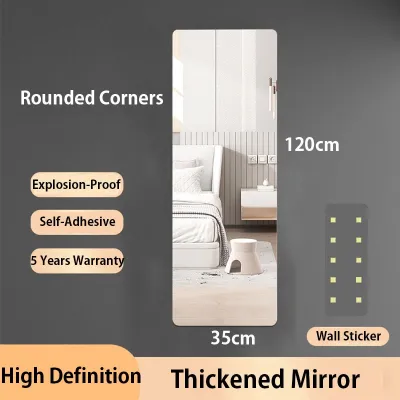
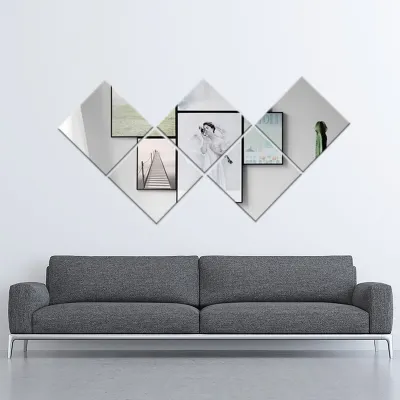
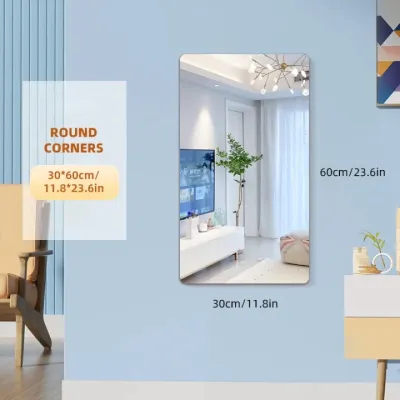
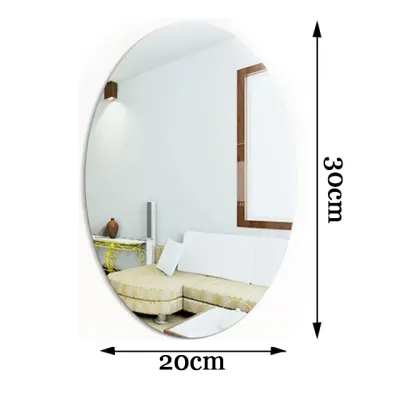
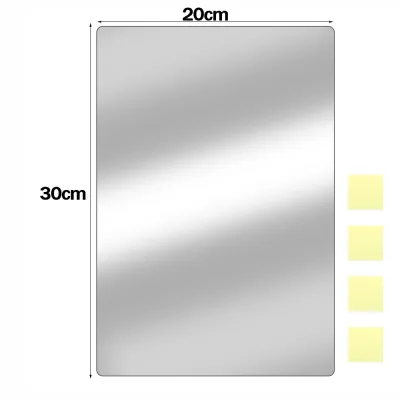
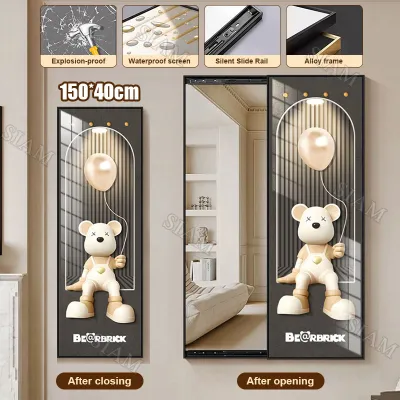
Prices are valid at publication and may change. Please refer to the product page for the latest price.
Next, map out the room’s primary focal points and traffic pathways. Stand in the doorways and sit on your main sofa to identify what your eyes naturally gravitate toward. A mirror acts as a visual amplifier, meaning it will duplicate whatever sits directly opposite its surface. If your mirror faces a blank wall, a dark hallway, or a cluttered utility area, it will only emphasize those unappealing features.
Finally, evaluate the current visual weight and clutter levels of the space. Rooms with heavy, dark wood furniture or busy open shelving can easily feel overwhelmed if those elements are reflected continuously. Your goal is to find an empty wall space that, when paired with a mirror, balances the room’s layout rather than crowding it.
Proven Mirror Placement Techniques to Expand Your Space
To successfully trick the eye into perceiving more depth, you must position your mirrors where they can capture and redirect light. Placing a large mirror directly opposite or adjacent to a window is the most reliable way to achieve this. The mirror catches the incoming tropical sunlight and bounces it deep into the living room, mimicking the effect of a second window and framing outdoor greenery or open skies.

Another highly effective strategy is positioning a large mirror behind major furniture pieces, such as a sofa or a console table. When you place a wide horizontal mirror above a sofa, it breaks up the solid mass of the wall, making the boundary of the room feel as though it recedes backward. For an even more dramatic effect, a tall floor-length mirror tucked slightly behind a console table creates a layered, architectural look that suggests the room continues beyond the furniture.
Do not overlook dark corners or narrow transition zones within your living room layout. Many homes feature awkward alcoves or dim areas near the dining transition that feel isolated from the main living space. Hanging a tall, narrow mirror in these shadows catches ambient light from brighter zones, instantly softening harsh corners and making the entire floor plan feel cohesive and continuous.
Choose the Right Mirror Size and Frame for Your Room
Selecting the correct mirror dimensions is crucial; a mirror that is too small will look like an afterthought, while an oversized piece can make the room feel top-heavy. As a general guideline, aim for a mirror that covers approximately two-thirds to three-quarters of the width of the furniture piece below it. This proportion ensures the mirror feels anchored to the layout rather than floating aimlessly on the wall.
When deciding between a single large statement mirror and a gallery wall of smaller mirrors, consider the specific spatial effect you want to achieve. A single, expansive sheet of glass provides an uninterrupted reflection, which is the most effective way to maximize the illusion of depth and light. In contrast, a gallery wall of smaller, decorative mirrors offers a highly stylized, artistic look, but the fragmented reflections can sometimes feel busy and visually distracting in a small room.
The frame style you choose also plays a significant role in how the mirror interacts with your space. Frameless mirrors or those with ultra-thin, minimalist metal frames blend seamlessly into the wall, allowing the reflection itself to take center stage and maximize the feeling of openness. On the other hand, thicker frames made of natural wood, rattan, or metallic finishes add decorative contrast and warmth, but they should be used selectively so they do not crowd the surrounding wall space.
Follow Safe Installation and Hanging Guidelines
Hanging a large, heavy mirror is a serious task that requires careful preparation to ensure the safety of your household. Because mirrors are heavy suspended loads, you must verify the construction of your walls before beginning. Many homes in the Philippines feature solid concrete or concrete hollow block walls, while others use drywall or fiber cement board partitions.
For drywall or lightweight partitions, you must locate the wooden or metal studs using a stud finder and secure your mounting hardware directly into them. If you must hang a mirror between studs, never rely on standard plastic expansion plugs; instead, use heavy-duty toggle bolts or hollow wall anchors rated specifically for the weight of your mirror. For concrete walls, you will need a hammer drill, masonry drill bits, and high-quality concrete anchors, which typically cost between ₱300 and ₱500 for a reliable set at local hardware stores.
Always check the manufacturer’s weight specifications for both the mirror and the hanging hardware to ensure a perfect match. Before drilling, isolate the electrical power to the room to avoid accidentally piercing hidden wiring behind the wall. If you are dealing with an exceptionally heavy plaster wall, an oversized floor-to-ceiling mirror, or if you are simply unsure of your wall’s structural integrity, stop immediately and consult a qualified professional installer to complete the job safely.
Avoid Common Mirror Placement Mistakes
While mirrors are excellent tools for expanding a room, improper placement can easily backfire and make your living room feel chaotic. The most common mistake is reflecting areas of high clutter, such as open kitchen shelves, shoe racks, or busy workstations. Doubling the image of clutter instantly makes a small room feel twice as messy and visually exhausting.
Another frequent error is hanging mirrors too high on the wall. When a mirror is positioned near the ceiling, it disconnects from the furniture below it and ends up reflecting empty upper wall space or ceiling fans rather than the living area. To maintain a cohesive design, the center of the mirror should generally sit at eye level—roughly 57 to 60 inches from the floor—or slightly lower if it is positioned directly above a low-backed sofa.
Finally, resist the temptation to cover multiple walls with mirrors. Placing mirrors directly opposite each other creates a disorienting “infinity tunnel” effect that can cause visual confusion and intense glare from light fixtures. Limit your mirror placement to one or two strategic walls to keep the reflections purposeful, clean, and comfortable for daily living.
Frequently Asked Questions (FAQ)
Can I place a mirror facing the main entrance of my living room?
A mirror facing the main entrance can make a narrow entryway feel instantly wider and more welcoming as you step inside. However, it can also reflect incoming outdoor clutter or startle guests with an immediate reflection of themselves as they open the door. To capture the incoming light without this direct confrontation, consider placing the mirror on a wall adjacent to the door, or angle it slightly so it reflects a beautiful living room scene instead of the threshold.
How do I clean and maintain large living room mirrors without streaks?
Keeping large mirrors clean is essential for maintaining the illusion of open space, as dust and smudges quickly break the optical depth. In humid tropical climates, moisture can seep behind the mirror edges, leading to desilvering or dark spots over time. To prevent this, always check the manufacturer’s care instructions, use a clean microfiber cloth, and spray your glass cleaner directly onto the cloth rather than the mirror itself to keep liquid from pooling along the bottom frame.

Community discussion
Share your experience or ask a question. Comments are reviewed before publication.