
Placing mirrors strategically is one of the most effective, non-structural ways to make a small room feel double its actual size. By acting as visual windows, mirrors bounce light into dim corners, trick the eye into perceiving extended depth, and break up the restrictive feel of solid walls. In compact living spaces, such as urban condominiums or cozy townhouses, a well-positioned mirror does not just decorate a wall; it actively alters how you experience the physical boundaries of your home. Achieving this spacious effect requires more than simply hanging a reflective glass panel on any open wall. It demands a thoughtful approach to angles, proportions, light sources, and safety.
Assess Your Space and Select the Right Mirror
Before purchasing a mirror, you must thoroughly evaluate your room’s existing layout, natural light patterns, and furniture arrangement. Walk through the space to identify dark corners, narrow corridors, or cramped pathways that feel particularly restrictive. In many tropical homes, deep rooms can feel gloomy during overcast afternoons or rainy seasons, making these dim zones prime candidates for reflective surfaces. Take precise measurements of your available wall space, keeping in mind that a mirror should harmonize with, rather than overwhelm, the surrounding furniture. A mirror that is too small will look lost and fail to make a spatial impact, while an excessively large one can make a low-ceilinged room feel top-heavy and unbalanced.
The shape and frame of the mirror also play a critical role in how space is perceived. Round and oval mirrors soften the sharp, rigid lines of small square rooms, drawing the eye in a smooth, continuous motion. Rectangular mirrors, when hung vertically, emphasize height and make low ceilings feel loftier, whereas horizontal placement stretches narrow walls. For frames, thin, minimalist borders or completely frameless designs are highly effective for small spaces because they do not create a harsh visual boundary. Heavy, dark, or deeply carved wooden frames can crowd a small wall, absorbing light and defeating the purpose of visual expansion. If you prefer a framed look, opt for light metallic finishes, pale woods, or slender profiles that blend seamlessly with your wall color.
Products mentioned in this guide
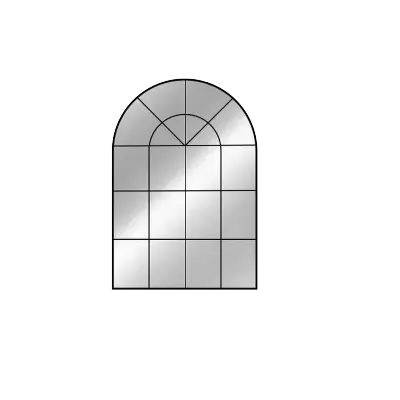
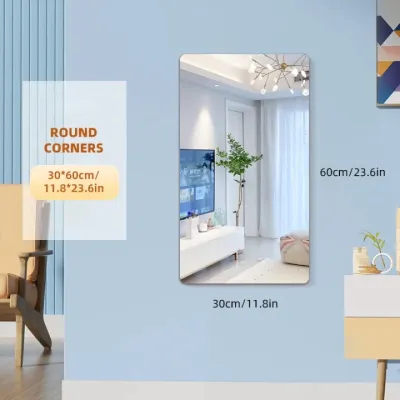
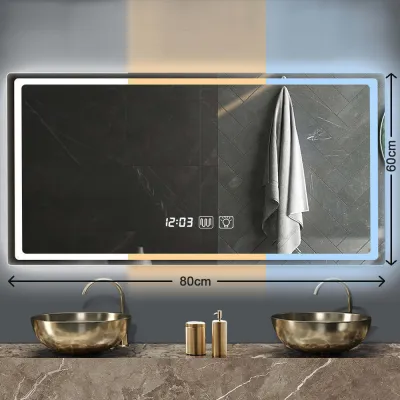
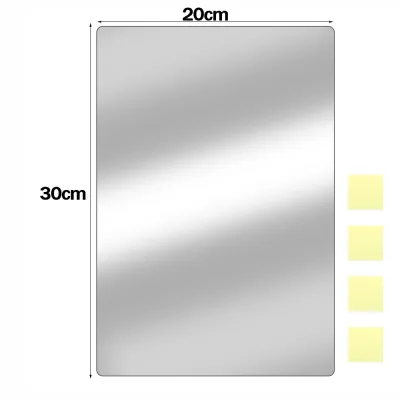
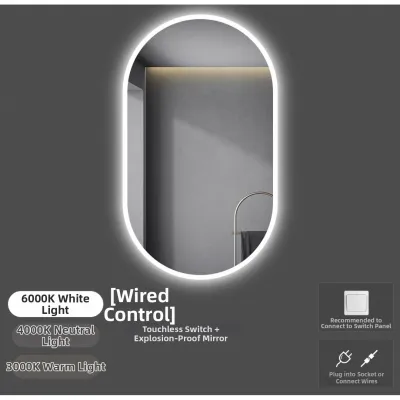
Prices are valid at publication and may change. Please refer to the product page for the latest price.
Reflect Natural Light and Outdoor Views
To maximize the bright, airy feel of your room, position your mirrors to capture and redistribute natural light. Placing a mirror directly opposite or adjacent to a window allows it to act as a secondary light source, bouncing sunlight deep into the interior. This technique is especially valuable in homes with limited window openings, as it mimics the presence of an additional window. For the most balanced distribution of light, try to align the horizontal center of the mirror with the center of the window. This alignment ensures that the incoming light path is captured cleanly and projected across the room at an angle that illuminates the entire living area rather than just the ceiling or floor.

Beyond merely reflecting light, a mirror should be angled to capture pleasant outdoor views, such as tropical greenery, garden plants, or the open sky. Bringing these natural elements indoors visually extends your living space past the physical walls, creating a seamless transition between the interior and exterior. However, you must be highly selective about what the mirror reflects. Angle the mirror slightly away from blank walls, dark hallways, or cluttered outdoor utility areas. If a direct opposite placement captures an unappealing view, shift the mirror to an adjacent wall at a slight angle to catch the light while reflecting a more pleasing, open perspective of your room.
Create Focal Points and Visual Depth
Mirrors can serve as intentional design anchors that guide the eye and create a false sense of extended space. One classic technique is placing a large mirror directly behind key furniture pieces, such as a living room sofa, a dining table, or an entryway console. When positioned behind a sofa, the mirror creates a layered depth effect, making it appear as though the room continues behind the seating area rather than ending abruptly at a solid wall. For dining spaces, a large wall mirror reflects the table setting and movement, instantly doubling the perceived size of the room and creating a more open, social atmosphere.
Leaning an oversized floor mirror against a wall is another powerful way to expand a small floor plan. Because a leaning mirror tilts slightly upward, it draws the eye toward the ceiling, emphasizing vertical space and making the entire room feel taller. This approach is highly effective in bedrooms or living room corners where wall-mounting a heavy object might not be feasible or desired. If you prefer a lighter visual touch, consider grouping smaller mirrors in a deliberate gallery wall arrangement. By mixing different shapes with thin, matching frames, you can add texture and interest to a blank wall without creating the heavy visual weight of a single massive frame. Ensure the arrangement remains cohesive by keeping the spacing between the mirrors consistent.
Avoid Common Placement Mistakes
While mirrors are excellent tools for spatial expansion, improper placement can easily lead to visual confusion and discomfort. A common error is creating a “funhouse effect” by placing too many mirrors in a single small area, or using highly fragmented, heavily beveled, or mismatched mirror tiles. When multiple reflective surfaces face each other or sit in close proximity, they bounce reflections back and forth endlessly, creating a chaotic environment that makes a room feel smaller and more unsettling. Keep your mirror placements purposeful and limited to one or two key pieces per room to maintain a sense of calm and order.
Another critical mistake is placing mirrors where they reflect direct glare from artificial light sources. Positioning a mirror directly opposite a bright, unshielded bulb or a powerful ceiling downlight can cause intense, uncomfortable glare that strains the eyes. Instead, position mirrors to catch diffused, ambient light. Additionally, always check the reflection from multiple sitting and standing positions within the room. Ensure the mirror does not highlight messy cable bundles, the back of electronic appliances, or cluttered storage shelves. A mirror reflects everything in its path, so a reflection of clutter will simply double the visual noise in your small space.
Follow Safe Installation and Mounting Guidelines
Hanging a mirror securely is paramount, especially in regions prone to seismic activity or high humidity, which can affect wall integrity and adhesive strength over time. Before mounting any mirror, verify your wall type. In many homes, walls are constructed from solid concrete, hollow concrete blocks, or plaster over masonry, which require specialized plastic wall plugs (often referred to locally as tox), masonry drill bits, and heavy-duty screws. If you are mounting on drywall, you must use a stud finder to locate wooden or metal studs to anchor heavy mirrors safely. Never rely on simple nails or standard adhesive tape for heavy glass, as the tropical heat and humidity can degrade adhesives, leading to sudden falls.
Always check for hidden electrical conduits or plumbing pipes behind the wall before you begin drilling. If you are installing a mirror in a damp environment like a bathroom, ensure the mirror backing is specifically rated for high-humidity areas to prevent the silver backing from degrading and forming black spots. If you choose a backlit or LED mirror to add ambient lighting, always verify its voltage compatibility, wattage limits, and electrical certification. For any fixed wiring, installation in damp areas, or working at height with suspended loads, ensure you isolate the power source, follow the manufacturer’s installation instructions precisely, and hire a qualified professional to handle the electrical connections safely. For exceptionally heavy mirrors or installations where the wall condition is uncertain, stop and consult a professional installer to protect your household from accidents.
Frequently Asked Questions (FAQ)
Can I place a mirror directly facing the main entrance door?
Placing a mirror directly opposite the main entrance door is a common design dilemma. While it can immediately bounce natural light into a dark entryway, it also carries practical drawbacks. A mirror placed directly in front of the door can create a jarring visual surprise for guests as they enter and see their own reflection immediately. Additionally, it may reflect the outdoor street, hallway clutter, or security screens, bringing unwanted visual noise into your home. If you want to brighten your entryway, it is generally better to place the mirror on a side wall adjacent to the door, which still expands the space without the direct confrontation.
How high should I hang a decorative mirror on a blank wall?
As a general rule of thumb, the center of a decorative wall mirror should hang at average eye level, which is approximately 140 to 150 centimeters (about 57 to 60 inches) from the floor. If you are hanging the mirror above a piece of furniture, such as a console table, sofa, or sideboard, position the bottom of the mirror frame about 15 to 20 centimeters (6 to 8 inches) above the top of the furniture. This spacing ensures that the mirror feels visually anchored to the furniture piece rather than floating aimlessly on the wall, creating a cohesive and balanced look in your small room.
Community discussion
Share your experience or ask a question. Comments are reviewed before publication.