
Placing waterproof solar fairy lights in a condominium requires balancing two opposing needs: the solar panel must bask in direct, outdoor sunlight to charge, while the delicate light string needs to drape deep inside your living room or bedroom. By strategically positioning the charging panel near a high-exposure window or balcony and routing the flexible, waterproof wire indoors, you can enjoy a warm, energy-free glow every evening. This setup allows you to maximize the benefits of sustainable solar power even within the compact, high-rise layout of a modern urban condo.
To make this system work, you do not need a massive outdoor garden. With a clear understanding of your condo’s layout, sun exposure, and some creative cable management, you can easily transition solar energy from an outdoor window sill into a cozy, indoor ambient lighting display.
Assessing Sunlight Access and Indoor Layout in Your Condo
Solar panels rely on direct photovoltaic conversion to charge their internal batteries. Sunlight passing through glass or reflected off neighboring concrete towers loses a significant portion of its energy. In the Philippines, where high-rise developments are densely packed, identifying which direction your windows face is the first step. East-facing windows catch the morning sun, while west-facing units receive intense afternoon rays.
Products mentioned in this guide
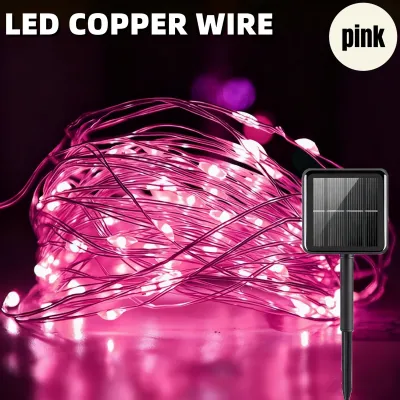
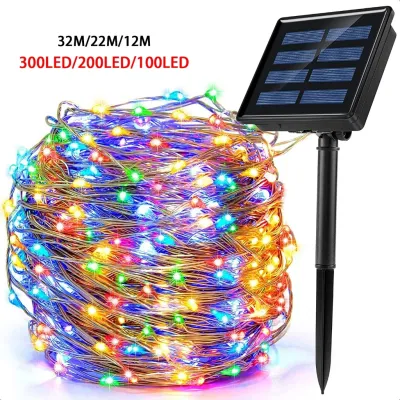
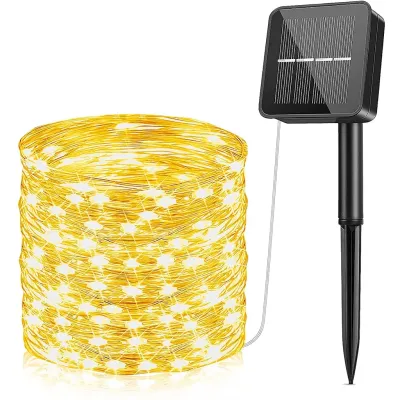
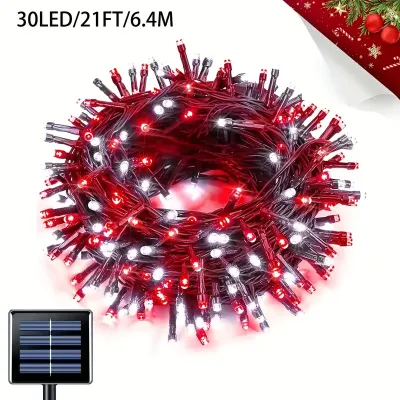
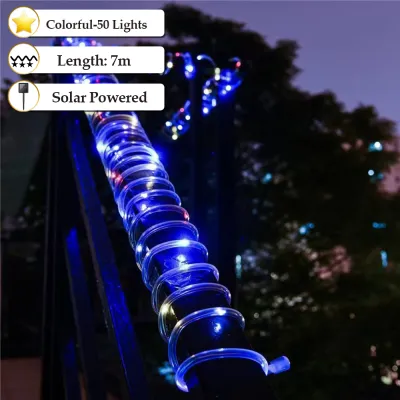
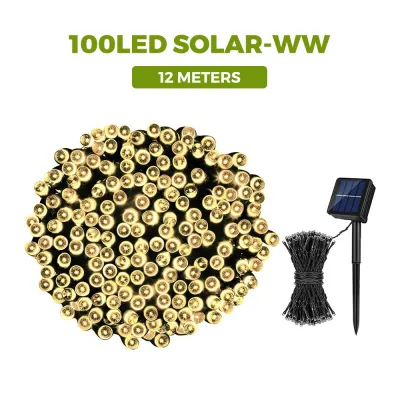
Prices are valid at publication and may change. Please refer to the product page for the latest price.
Before hanging your lights, identify the primary ambient zones in your bedroom or living room where you want the cozy glow to settle. This could be a bedroom headboard, a living room bookshelf, or framed around a mirror. Measure the physical distance from this target zone to the nearest window or balcony door.
Most solar fairy lights consist of two distinct sections: the lead wire (the unlit cord extending from the solar panel to the first LED) and the lit string itself. Before purchasing, verify these dimensions on the product packaging. If the lead wire is too short, you will be forced to place the lights too close to the window, or worse, pull the cable taut, which risks damaging the delicate internal copper wiring.
Positioning the Solar Panel for Maximum Sun Exposure
Window Sill and Balcony Placement
If your condo features a balcony, this is the premier spot for your solar panel. Use the built-in mounting stake to secure the panel inside a heavy balcony planter filled with soil, or use zip ties to fasten the bracket to the vertical balusters of your railing. If you only have windows, heavy-duty suction cup mounts designed for outdoor use can secure the panel directly to the exterior glass surface.

Safety is paramount when working at heights in a high-rise building. Never lean over balcony railings or stretch out of high windows to mount or adjust your solar panel. Ensure every component is doubly secured; a falling solar panel from a high floor poses a severe safety hazard to pedestrians below and can result in legal liability. Orient the panel to face the open sky, adjusting it to avoid the deep shadows cast by concrete overhangs or adjacent residential towers.
Managing Glass and Window Screens
Placing a solar panel behind closed window glass drastically reduces its charging efficiency. Modern condo units often feature double-paned glass, UV-resistant coatings, or dark window tints designed to keep the tropical heat out. While these tints keep your unit cool, they also block the specific light wavelengths your solar panel needs to generate electricity.
Thick insect screens also pose a challenge, scattering incoming light rays and reducing the energy that reaches the photovoltaic cells. Whenever possible, position the panel on the outdoor side of the screen. To bring the wire indoors, look for flexible flat cables that can pass through the rubber weather stripping of your sliding window, or utilize a dedicated window vent seal. This keeps mosquitoes and humid tropical air outside while protecting the wire from being pinched or severed when the window is closed.
Designing the Ambient Lighting Layout for Bedrooms and Living Rooms
Bedroom Ambiance Ideas
Once the wire is safely inside, you can begin crafting your personal sanctuary. Wrapping the delicate copper wire around a wooden or metal bed frame creates a soft, floating effect beneath your mattress. Alternatively, drape the string loosely over a curtain rod or weave it through a sheer canopy net above the headboard.
Because you are using waterproof solar fairy lights, you have far more styling freedom than you would with standard indoor lights. You can safely drape these moisture-resistant strings directly over indoor houseplants, wrap them around the base of a bedside humidifier, or place them near your nightstand water carafe. The protective waterproof coating ensures that minor water splashes or high localized humidity will not cause a short circuit or damage the LEDs.
Living Room Accent Lighting
In the living room, fairy lights serve as excellent accent lighting to make a compact condo feel larger and more inviting. Try weaving the light string through floating shelves, behind books, or along the top of an entertainment unit to wash the wall in a warm, indirect glow.
Another creative option is to coil the waterproof string inside a clear glass vase or a geometric terrarium, turning a simple tabletop into a glowing focal point. You can even submerge the fully waterproof portions of the string—provided you verify the manufacturer’s specific IP rating for immersion—inside a small indoor tabletop water fountain. To expand the visual boundaries of a cozy living area, outline the back of a large wall mirror with the lights, creating a soft halo effect that adds depth to the room.
Securing the Lights Without Damaging Walls
Condo living often comes with strict lease agreements regarding wall damage. To keep your security deposit safe, avoid using nails, screws, heavy-duty double-sided foam tapes, or hot glue guns, which can tear drywall paper or peel away delicate latex paint.
Instead, opt for damage-free hanging solutions. Clear, low-profile adhesive hooks designed for lightweight wires are ideal for routing the string along walls or ceilings. Reusable mounting putty works exceptionally well for securing individual bulbs or lightweight sections of wire to wooden shelves or glass surfaces. For curtains, small plastic curtain clips can pinch the wire directly onto the fabric without leaving any permanent marks.
Routing the Cable from the Window to Your Indoor Space
Connecting the outdoor solar panel to your indoor layout requires a neat, safe, and durable routing path. The primary risk when routing thin wire through windows or balcony doors is physical damage. Sliding aluminum window frames can easily pinch, crimp, or completely slice through the thin copper strands if closed too forcefully. Run the wire through the softest part of the window frame, such as the rubber weather stripping or the felt pile seals along the sliding track.
To keep the indoor portion of the wire tidy, use small, clear self-adhesive cable clips. Route the wire flush along the edges of your window frame, down to the baseboards, or up along the crown molding. This keeps the cable taut and hidden, maintaining a clean aesthetic while preventing loose, dangling wires.
Loose wires draped across a condo floor are not just unsightly; they are serious tripping hazards. Ensure the cable is never laid across high-traffic walkways or doorways. If you must route the wire across a threshold, use a low-profile rubber floor cord protector to secure it flat against the ground.
Finally, pay close attention to the connection point where the wire meets the solar panel housing. This joint is highly vulnerable to water ingress. Check that the manufacturer’s rubber gasket or waterproof seal is firmly in place and has not shifted. Avoid bending the wire at a sharp 90-degree angle right at the exit point of the panel, as this strain can tear the protective jacket over time, exposing the raw copper to tropical humidity and causing premature corrosion.
Testing and Maintaining Your Solar Fairy Lights
Before finalizing your elaborate indoor display, perform an initial charging test to verify the system is operating correctly. Place the solar panel in direct, unobstructed sunlight for at least one full day to allow the internal rechargeable battery to reach its capacity. Once the sun sets, or if you want to test it during the day, cover the entire front face of the solar panel with a thick, dark cloth. Because solar fairy lights rely on an integrated light sensor in the panel to detect darkness, blocking all light should immediately trigger the LEDs to turn on.
Living in an urban condo environment means dust, vehicle emissions, and construction smog can quickly build up on the glass surface of your solar panel. This fine layer of grime acts like a filter, reducing the amount of solar energy that reaches the photovoltaic cells. Clean the panel every few weeks using a soft, microfiber cloth dampened with clean water. Avoid using abrasive scrubbing pads, steel wool, or harsh chemical cleaners, which can scratch the protective plastic or glass cover and permanently degrade its light transmission.
The tropical climate of the Philippines brings intense heat, high humidity, and heavy seasonal rains. Periodically inspect the solar panel’s battery compartment and wire seals. Look closely for any signs of moisture accumulation, condensation behind the lens, or white rust on the battery contacts. If you notice minor condensation, open the compartment (if designed to be opened) in a dry, air-conditioned room to let it air out, and wipe the contacts clean.
The sun’s path across the sky changes throughout the year. To keep your solar panel charging at peak efficiency, adjust its tilt angle every few months. Tilting the panel slightly to match the seasonal angle of the sun ensures the photovoltaic cells receive the most direct rays possible, maximizing your daily runtime.
Troubleshooting Common Charging and Lighting Issues
If your fairy lights turn on during the middle of the day, the solar panel is likely positioned in a dark, heavily shaded corner where the built-in light sensor registers “nighttime.” Alternatively, a layer of fallen leaves, dust, or balcony debris might be covering the sensor. Clean the panel surface and ensure it is placed in an area that receives bright ambient light during daytime hours so the sensor knows to keep the lights turned off and in charging mode.
If the lights are noticeably dim or only stay illuminated for an hour or two at night, the primary culprit is usually insufficient daytime charging. Verify that the panel is getting at least four to six hours of direct, unshaded sunlight. If the panel is clean and positioned perfectly but the runtime remains short, the internal rechargeable battery may be reaching the end of its lifespan.
Most solar fairy lights use standard rechargeable AA or AAA NiMH batteries, or small lithium-ion cells. Check the manufacturer’s label or instruction manual to see if the battery is user-replaceable. If the unit is a sealed waterproof design, do not attempt to pry it open, as this will destroy the waterproof seals and void any warranty. If it is designed to be opened, carefully unscrew the battery cover, replace the old cell with a high-quality rechargeable battery of the exact same voltage and chemistry, and ensure the rubber sealing gasket is perfectly seated before tightening the screws back down.
Frequently Asked Questions (FAQ)
Can I charge the solar panel indoors under a grow light or bright room light?
Standard indoor residential lighting, such as LED or fluorescent ceiling bulbs, does not emit the light intensity or the specific spectral wavelengths required to charge a solar panel. While highly specialized, high-wattage full-spectrum horticultural grow lights can trigger a very slow, minimal charge, it is highly inefficient and impractical. If your condo lacks direct sunlight access entirely, it is best to place the panel on a window sill that receives bright daylight, or opt for a USB-rechargeable or plug-in fairy light model instead.
Is the waterproof feature necessary if I only use the fairy lights indoors?
While a high waterproof rating (such as IP65) is not strictly mandatory for dry indoor environments like a bedroom wall, it offers significant practical benefits for condo living. The protective waterproof coating shields the delicate copper wiring from the high humidity levels common in tropical regions, especially when transitioning between humid air and cold air-conditioning drafts. It also allows you to safely incorporate the lights into creative decor setups near indoor plants, humidifiers, or dining areas where accidental liquid spills or water mist could otherwise cause an electrical short.
Will the solar panel work if my condo window faces a shaded courtyard?
Solar panels require direct, unobstructed sunlight to generate enough electrical current to fully charge their internal batteries. If your window faces a narrow, shaded courtyard or is permanently blocked by an adjacent high-rise building, the panel will only receive indirect, reflected light. This will result in extremely short runtimes—often lasting only a few minutes—or lights that fail to illuminate entirely. For heavily shaded condo units, plug-in, USB-powered, or standard battery-operated fairy lights are a much more reliable choice for consistent ambient lighting.
Community discussion
Share your experience or ask a question. Comments are reviewed before publication.