
A small room often feels restrictive because the physical boundaries of the walls are immediately apparent to the eye. Placing a wall mirror strategically alters this perception by manipulating how light and depth are registered by the human brain. Rather than physically expanding the square footage, a well-positioned mirror serves as a powerful tool to trick the eye, making compact spaces feel open, airy, and significantly more comfortable.
The primary mechanism behind this visual transformation relies on light reflection. When natural light from windows or artificial light from lamps strikes the reflective surface of a mirror, it bounces back into the room. This process illuminates dark corners, softens harsh shadows, and elevates the overall brightness of the space. Additionally, by reflecting the room’s existing decor, furniture, and architectural lines, a mirror creates a convincing optical illusion of extended depth, effectively pushing the walls outward in the viewer’s mind.
Best Locations to Hang a Wall Mirror for Maximum Depth
Choosing where to hang a wall mirror requires more than simply finding an empty spot on the wall. To maximize the illusion of depth, you must consider how the mirror interacts with the room’s light sources, furniture layout, and natural traffic paths. In compact urban homes, such as condominiums and townhouses in Metro Manila, strategic placement can make a dramatic difference in how spacious a living area feels.
Products mentioned in this guide
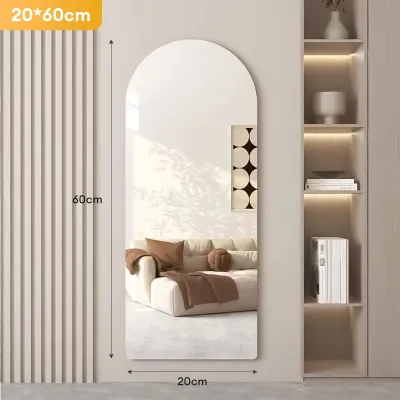
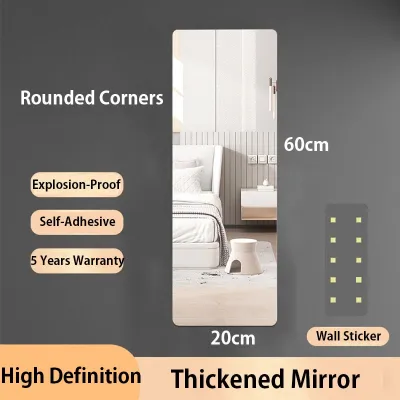
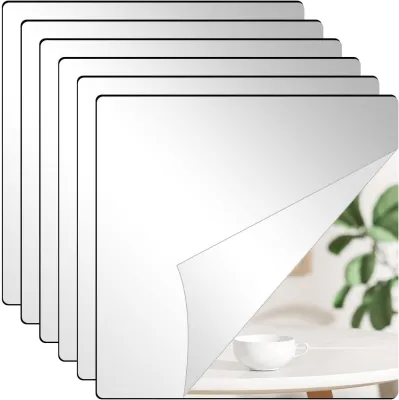
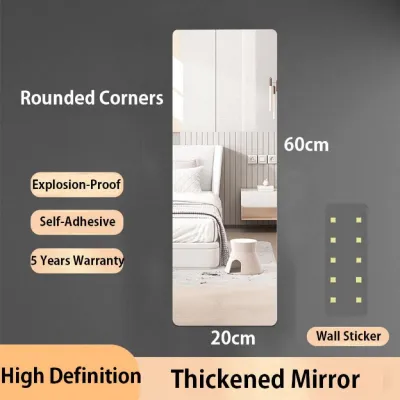
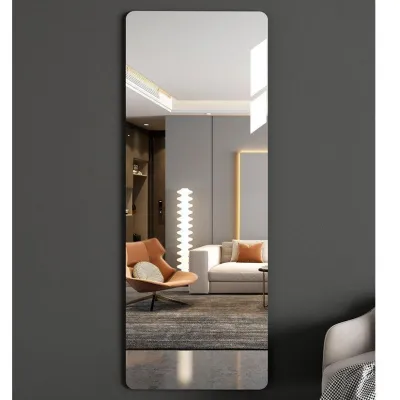
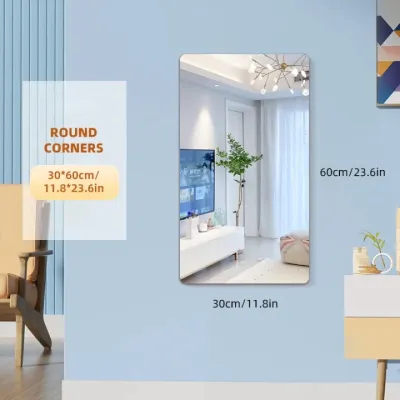
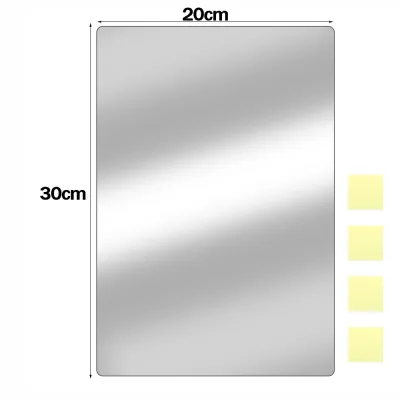
Prices are valid at publication and may change. Please refer to the product page for the latest price.
Directly Across from a Window or Light Source
One of the most effective techniques for amplifying light and space is to position a wall mirror directly opposite a window. In the tropical climate of the Philippines, homes are often blessed with abundant, bright natural sunlight. By placing a mirror opposite a window, you capture this intense daylight and bounce it deep into the interior of the room. This effectively doubles the visual light source, transforming a potentially dim room into a bright, welcoming space.
Beyond light amplification, this placement brings a slice of the outdoors inside. The mirror reflects the external environment—whether that is a garden, tropical foliage, or the open sky—which helps break down the visual barrier of the solid wall. If the window directly faces an unappealing view, such as a concrete firewall or a busy alleyway, you can adjust the angle of the mirror slightly. Tilting the mirror upward or shifting its horizontal position can redirect the reflection toward the sky or the tops of nearby trees, avoiding the duplication of unwanted visual clutter while still capturing the natural light.
For rooms that lack sufficient natural light, you can apply this same principle using artificial light sources. Positioning a mirror opposite a wall sconce, a floor lamp, or a pendant light achieves a similar brightening effect. If you are considering a modern backlit or LED wall mirror to add both light and depth, always verify the product’s specifications before purchasing. Ensure the voltage is compatible with the standard Philippine 220V electrical grid, check the wattage limits, and verify that the mirror carries proper electrical safety certifications. If installing an LED mirror in a damp area like a bathroom, also check the IP (Ingress Protection) rating—typically IP44 or higher is recommended—to ensure safety against moisture. For any fixed-wiring installations, always isolate the power at the circuit breaker and consult a qualified electrician.
Behind a Statement Furniture Piece
Large furniture items, such as sofas, dining tables, or entryway console tables, can easily dominate a small room, making the surrounding area feel cramped and heavy. A highly effective design strategy is to place a large wall mirror directly behind these key anchor pieces. This arrangement visually pushes the wall backward, creating the illusion that the furniture is floating in a much larger, open space rather than being pressed flat against a solid boundary.
To maximize this effect, consider using an oversized mirror or a vertically oriented rectangular mirror. A tall mirror placed behind a console table or a low-profile sofa draws the viewer’s eye upward, emphasizing the vertical space and making the ceiling appear higher than it actually is. This is particularly beneficial in compact apartments where standard ceiling heights can sometimes feel restrictive.
When placing a mirror behind furniture, ensure the scale of the mirror matches or coordinates with the piece below it. A mirror that is too small can look disconnected and fail to create the desired depth, while a mirror that is properly scaled creates a cohesive, integrated look that enhances the entire room’s proportions.
At the End of a Narrow Hallway or Dark Corner
Narrow hallways, entry corridors, and tight transitional spaces are notorious for feeling dark, cramped, and uninviting. These areas often suffer from a “dead end” effect, where the eye is stopped abruptly by a blank wall. Placing a wall mirror at the end of a narrow hallway is an excellent way to eliminate this sensation. The mirror reflects the length of the corridor, visually doubling its distance and creating a sense of continuous flow that makes the transition between rooms feel seamless.
Dark, underutilized corners in living rooms or bedrooms can also benefit from strategic mirror placement. A corner can often feel like it is closing in on the room, reducing the perceived square footage. By hanging a mirror in a dark corner, you can catch and bounce ambient light from adjacent light fixtures, turning a gloomy spot into a bright, intentional design feature.
To enhance this setup, you can pair the mirror with a small accent table or a low-light indoor plant. The reflection will double the visual presence of the greenery and the light, making the corner feel like an open, airy alcove rather than a cramped boundary.
How to Choose the Right Mirror Size and Frame
Selecting the perfect wall mirror involves balancing its physical dimensions, frame style, and shape with the existing proportions of your room. The goal is to choose a mirror that supports the space-expanding illusion without overwhelming the surrounding decor.

Single-Pane vs. Gallery Walls: When trying to make a small room look bigger, a single, large-scale wall mirror is almost always superior to a gallery wall of smaller mirrors. While a collection of small mirrors can be highly decorative, the multiple frames and fragmented reflections break up the visual field. This fragmentation can make a small room feel busy, cluttered, and visually chaotic. In contrast, a large, single-pane mirror provides an uninterrupted reflection of the opposite side of the room, creating a clean, seamless visual extension that maximizes the illusion of depth.
Frame Considerations: The frame of the mirror acts as its visual boundary. To keep the focus on the reflection and minimize the mirror’s physical weight, opt for frameless designs, beveled edges, or very thin, minimalist frames. Thick, heavy, or highly ornate wooden and plaster frames draw the eye directly to the edges of the mirror, constantly reminding the viewer of the wall’s physical limits. A thin metal frame in a neutral tone, such as matte black, brushed brass, or silver, allows the mirror to blend effortlessly with the wall, enhancing the seamless transition between the real space and the reflected space.
Shape Selection: The shape of the mirror can be used strategically to address specific architectural challenges in a small room.
- Arched Mirrors: These are excellent for softening the sharp, boxy angles of standard rectangular rooms. The curved top adds architectural interest and draws the eye upward, mimicking the feel of an arched doorway or window.
- Tall Rectangular Mirrors: Positioned vertically, these mirrors emphasize height, making them ideal for rooms with low ceilings. Positioned horizontally, they emphasize width, which can help widen a narrow living or dining area.
- Round Mirrors: Round mirrors break up the monotony of straight lines and sharp furniture edges. They work exceptionally well in tight entryways or above vanity units, providing a soft, organic focal point that opens up the immediate wall space.
Finding the Perfect Hanging Height and Tilt Angle
Even the most beautiful wall mirror will fail to expand a room if it is hung at the wrong height or angle. Correct positioning ensures that the mirror reflects the most flattering and spacious parts of your home, rather than empty ceilings or cluttered floors.
The Eye-Level Rule: The foundational rule of thumb in interior design is to hang wall art and mirrors so that the center of the piece sits at average eye level. This is typically between 140 and 150 centimeters (57 to 60 inches) from the floor. Hanging the mirror at this height ensures that when people enter the room, they see a natural, straight-on reflection of the living space, which immediately establishes the illusion of an adjacent room.
Adjusting for Spatial Variables: While the eye-level rule is a great starting point, you must adjust it based on the furniture and architectural features of your specific room. If you are hanging a mirror above a sofa, console table, or headboard, ensure there is a clear clearance of approximately 15 to 20 centimeters (6 to 8 inches) between the bottom of the mirror frame and the top of the furniture. This gap prevents the arrangement from looking crowded and allows both the furniture and the mirror to stand out. If your room has exceptionally low ceilings, hanging the mirror slightly lower than the standard eye level can help ground the space and make the walls above it feel more expansive.
Tilt Angles: The angle at which a mirror is hung can also be used to manipulate spatial perception.
- Flush Mount: Hanging a mirror completely flush against the wall is the standard method. It reflects the opposite walls and ceiling, which is highly effective for boosting the perception of height and light in standard square or rectangular rooms.
- Downward Tilt: In very tight or narrow spaces, such as a compact dining nook or a narrow entryway, mounting the mirror with a slight downward tilt can be incredibly effective. This tilt redirects the reflection downward, capturing more of the floor pattern and the lower furniture arrangements. Reflecting more of the floor plane tricks the brain into perceiving a wider floor area, making the entire room feel more grounded and spacious.
Common Mirror Placement Mistakes to Avoid
To ensure your wall mirror successfully enhances your small room, it is important to avoid common placement errors that can inadvertently make the space feel smaller, darker, or more chaotic.
Reflecting Clutter: A mirror duplicates whatever is in its line of sight. If you hang a mirror directly opposite a cluttered open bookshelf, a busy kitchen counter, or a storage area, you will double the visual noise in the room. This added visual clutter can make a small room feel incredibly cramped and disorganized. Always check what will be reflected before finalizing your mirror’s position; aim to reflect clean walls, beautiful artwork, natural light, or outdoor views.
Harsh Glare and Light Bounce: While bouncing light is a primary goal, catching direct, intense sunlight can create uncomfortable glare. In the Philippines, the afternoon sun can be particularly harsh. Avoid placing mirrors where they will catch direct sunlight at a low angle, as this can create blinding reflections that make the room uncomfortable to inhabit. Additionally, ensure that mirrors do not bounce harsh, unshielded light from artificial bulbs directly into the eyes of seated guests, which can cause eye strain and discomfort.
Fragmented Visuals: Resist the temptation to hang multiple small mirrors close together in a tiny room. A collection of small, disconnected reflections breaks up the visual plane into a patchwork of images. This fragmentation prevents the eye from registering a single, deep reflection, defeating the purpose of using a mirror to expand the space and instead making the walls feel busy and closed-in.
Safe Installation Steps for Heavy Wall Mirrors
A large wall mirror is a significant physical investment and a heavy object that requires secure, proper installation. Ensuring the mirror is safely mounted is crucial to prevent accidents, especially in active households.
Identify Your Wall Type: Before you begin drilling, it is essential to identify the construction material of your wall. In the Philippines, residential walls are very commonly built using concrete hollow blocks (CHB), solid concrete, or plaster over masonry, rather than the drywall common in Western countries. Hanging a heavy mirror on concrete requires specific tools and hardware. You will need a hammer drill, high-quality masonry drill bits, and heavy-duty plastic or metal wall plugs (locally known as “tox” anchors) or concrete expansion bolts. Attempting to use standard drywall screws or simple nails in a concrete wall will not provide adequate support and will likely result in the mirror falling and breaking.
Use Weight-Rated Hardware: Always weigh your mirror before purchasing installation hardware, or refer to the manufacturer’s specifications. Select mounting hardware, such as heavy-duty D-rings, steel picture wire, or French cleats, that is rated to support at least double the weight of your mirror. This safety margin is essential, especially in tropical environments where high humidity can affect building materials over time. Avoid using adhesive-based hanging strips or light-duty plastic hooks for heavy mirrors, as the warm, humid climate can cause adhesives to degrade and fail, leading to sudden falls.
Establish Safety Boundaries: If you are working with an exceptionally heavy mirror, installing a mirror at a significant height, or if you are unsure of your wall’s internal structure (such as the presence of electrical wiring or plumbing pipes), do not attempt to guess or proceed alone. Stop the installation process immediately and consult a qualified professional, carpenter, or local contractor. Professional installers have the specialized tools and experience to secure heavy loads safely, ensuring your beautiful wall mirror remains a safe, stunning feature in your home for years to come.

Community discussion
Share your experience or ask a question. Comments are reviewed before publication.