
Positioning a dining mirror wall correctly can instantly transform a cramped, dark dining room into a bright, airy space that feels twice its actual size. In many compact homes and condominiums across the Philippines, dining areas often double as multi-functional family hubs, making visual space a premium commodity. The secret to achieving this spatial expansion lies in understanding how light and reflection interact with your room’s layout.
To maximize this effect, the primary placement strategy is to mount a large dining mirror wall at eye level—typically centering the glass 57 to 65 inches from the floor—on a wall that sits adjacent to or directly opposite a primary light source. This setup allows the mirror to act as an additional window, bouncing light into shadowed corners and visually extending the room’s physical limits. Whether you are working with a narrow dining corridor or a cozy alcove, thoughtful mirror placement offers a highly effective, non-structural way to open up your home.
How Mirrors Create the Illusion of Space
The human brain relies heavily on visual cues to determine the boundaries of any given room. When you place a high-quality mirror on a dining room wall, you introduce a surface that reflects light and imagery back into the space, effectively doubling the visual field. This optical illusion makes the wall on which the mirror is mounted seem to disappear, replacing a solid, flat surface with a perceived extension of the room.
Products mentioned in this guide
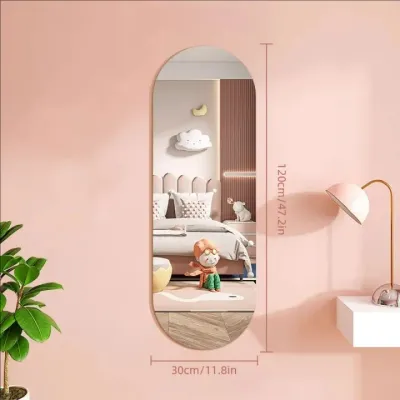
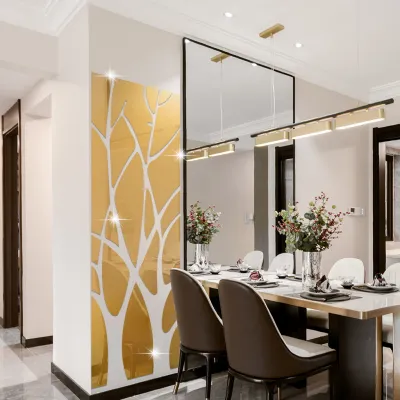
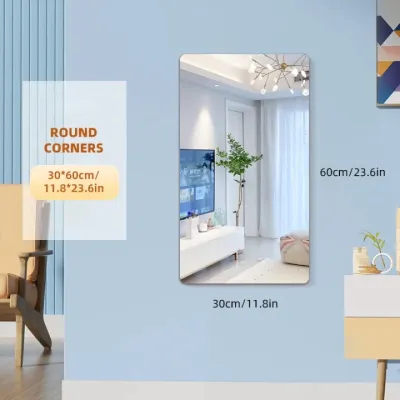
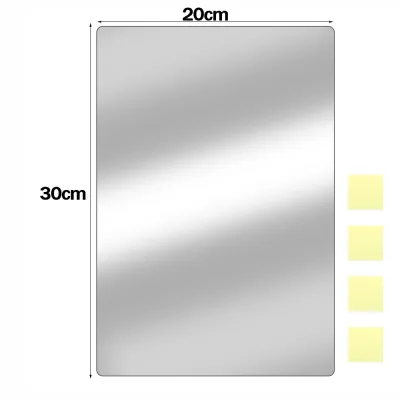
Prices are valid at publication and may change. Please refer to the product page for the latest price.
Light play is the fundamental mechanism behind this transformation. In tropical climates where natural sunlight can be intense but unevenly distributed inside deeply recessed rooms, a mirror serves as a passive light amplifier. When light rays strike the reflective backing of the mirror, they bounce off at an equal angle, scattering illumination into previously dim areas. This elimination of dark shadows immediately softens the room’s perimeter, preventing the walls from feeling as though they are closing in.
Furthermore, a mirror behaves visually as a “second window.” Even in windowless dining alcoves, a mirror that reflects an open doorway or a brightly lit adjacent living area creates the sensation of an ongoing pathway. This perceived depth reduces the feeling of confinement, making the dining experience feel more relaxed and spacious for family members and guests alike.
Strategic Placement Techniques to Maximize Space
Reflecting Natural Light Sources
To unlock the full spatial potential of a dining mirror wall, your first consideration should be the location of your windows or balcony doors. Placing a mirror directly opposite or on a wall adjacent to these primary light sources is one of the most effective ways to brighten a dining area. As morning or afternoon sunlight streams into the room, the mirror captures these rays and projects them across the dining table, instantly neutralizing shadows.

In homes where direct window alignment is not possible due to structural layouts, you can position the mirror to reflect light from adjoining spaces. For instance, if your dining area connects to a sunlit kitchen or a bright hallway, angling or placing the mirror to catch the ambient light from those zones achieves a similar clarifying effect. This technique ensures that even during the overcast days of the rainy season, your dining room remains visually open and cheerful.
Doubling the Focal Point
A mirror should never reflect “nothing.” If a mirror merely faces a plain, unadorned wall or a dark corridor, it can make the room feel cold and empty rather than spacious. Instead, aim the reflection toward a key design feature in the dining room, such as a striking drop pendant light, an elegant chandelier, or a vibrant piece of wall art.
When a mirror reflects a beautiful light fixture, it doubles the source of artificial illumination during evening meals. This creates a warm, symmetrical glow that enhances the room’s ambiance. However, when placing a mirror near active light fixtures, it is essential to verify the installation environment. Ensure that the heat generated by high-wattage bulbs does not directly warm the mirror frame or backing, which could degrade the adhesive or silvering over time. If you choose a modern backlit mirror with integrated LED strips, always verify its electrical certification, voltage compatibility with local grids (typically 220V), and ensure the wiring is safely concealed.
Expanding Narrow or Awkward Layouts
Many modern townhomes and apartments feature long, narrow dining areas that can feel restrictive. To visually correct these proportions, place a large horizontal mirror on one of the shorter end walls. This positioning creates a visual “push” that makes the wall appear further away, effectively squaring off an otherwise tunnel-like room.
For tight dining nooks or corner setups, a single framed mirror might feel too abrupt. In these scenarios, consider installing a floor-to-ceiling mirrored wall panel or placing a tall, oversized leaning mirror directly in the corner. By covering the intersection where two walls meet, you erase the hard visual boundary of the corner, making the dining nook feel like it flows seamlessly into an adjacent, unseen space.
Optimizing Height, Proportions, and Angles
Achieving the perfect spatial illusion requires precise physical positioning, as an improperly scaled or angled mirror can disrupt the room’s visual balance.
Hanging Height
The general rule of thumb for hanging wall decor is to center the piece at eye level, which translates to roughly 57 to 65 inches from the floor to the center of the mirror. However, in a dining room where guests spend most of their time seated, you must adjust this height. If you are mounting the mirror above a dining buffet, sideboard, or console table, leave a clearance of 4 to 8 inches between the bottom of the mirror frame and the top of the furniture. This prevents the mirror from looking disconnected while ensuring that the reflection captures the warm table setting and the faces of your guests, rather than just the ceiling or the tops of people’s heads.
Proportions
Scale is critical when pairing a mirror with furniture. When hanging a dining mirror wall above a sideboard or buffet, the mirror’s width should ideally measure between two-thirds and three-quarters of the width of the furniture piece below it. A mirror that is too small will look swallowed by the wall, failing to create a significant spatial impact, while a mirror that is wider than the furniture beneath it can make the setup feel top-heavy and unstable.
Leaning vs. Hanging
Deciding whether to lean or hang your mirror depends on the desired aesthetic and structural limitations. An oversized floor mirror leaned against a wall offers a relaxed, contemporary look that draws the eye upward, making low ceilings feel higher. Securely hanging a framed wall mirror, on the other hand, provides a formal, structured look that aligns well with traditional or classic dining setups. If you choose to lean a heavy mirror, ensure the base is placed on a non-slip surface, especially if your dining area features polished ceramic or marble tiles, and always use safety wall anchors to prevent tipping.
Tilt and Angle
The angle of the mirror dictates what it reflects. A flat, flush-mounted mirror reflects the room straight back, which is ideal for standard rectangular spaces. However, a very slight downward tilt—often achieved by adjusting the hanging wire or using specialized brackets—can direct the reflection downward toward the beautifully set dining table and floor. This technique grounds the dining area and maximizes the reflection of warm candlelight or table lamps, enhancing the intimate feel of the room.
Common Placement Mistakes That Shrink the Room
While a mirror is a powerful tool for visual expansion, poor placement decisions can have the opposite effect, making your dining room feel smaller, darker, or more chaotic.
Reflecting Clutter
A mirror duplicates whatever is in its field of view. If you position your dining mirror wall to face an open kitchen sink piled with dishes, a cluttered utility door, or crowded storage shelves, you are effectively doubling the visual noise in the room. This added clutter makes the space feel disorganized and cramped. Always check the mirror’s line of sight from every seated position at the dining table to ensure it reflects clean, orderly, and visually pleasing areas.
Reflecting Blank Walls or Dark Corners
Placing a mirror where it only reflects a plain, unadorned wall or a dark, shadowed corner is a wasted opportunity. Instead of adding depth, the mirror will simply project flatness and shadow back into the room, absorbing light rather than distributing it. If your mirror must face a plain wall, consider hanging a piece of art or placing a lush indoor plant on that wall to give the mirror something interesting and vibrant to reflect.
Overcrowding the Wall
While gallery walls featuring multiple small mirrors can look artistic, they are highly ineffective at making a room feel larger. A grid of small mirrors breaks up the reflection into multiple fragments, which can disorient the eye and create visual clutter. For spatial expansion, a single, large statement mirror or a cohesive pair of oversized mirrors is far superior, as it provides an uninterrupted, continuous reflection that truly mimics a window.
Ignoring Clearance
In compact dining rooms, space around the table is often tight. Always ensure that the mirror’s physical placement does not interfere with the movement of dining chairs. A thick, heavy frame protruding from the wall can easily be bumped by guests sliding their chairs back or standing up, creating both a safety hazard and a risk of damaging the mirror frame.
Secure Installation and Visual Verification
Before drilling holes into your wall, you must prioritize structural safety and take the time to verify the visual impact of your chosen placement.
Safety and Wall Types
The construction of your walls dictates the type of mounting hardware required. In many homes, interior walls are constructed from concrete hollow blocks or solid concrete, which require specialized masonry drill bits, plastic or metal wall plugs, and heavy-duty screws. If your home features drywall or gypsum board partitions, you must locate the wooden or metal wall studs using a stud finder to anchor the mirror securely. Never rely on simple nails or adhesive strips for heavy glass mirrors; instead, use appropriate heavy-duty toggle bolts or hollow-wall anchors.
Professional Help
For oversized floor mirrors, heavy framed mirrors, or custom frameless mirror panels, it is highly recommended to hire a qualified professional installer. Working at heights or handling large sheets of glass carries significant risk of injury or property damage. If your mirror features integrated electrical components, such as LED backlighting, ensure the power is isolated at the circuit breaker before installation, and consult a certified electrician to handle the fixed wiring and verify electrical safety standards.
Verification Method
To avoid making unnecessary holes in your wall, always perform a visual check. Have a family member or helper hold the mirror in the proposed position while you sit at the dining table. Observe the reflection at different times of the day—during the bright morning hours, late afternoon, and in the evening with your dining lights turned on. This allows you to verify exactly what the mirror reflects, how it handles glare, and whether it successfully creates the desired illusion of open space before you commit to permanent installation.
Frequently Asked Questions (FAQ)
Should a dining mirror be wider than the dining table?
As a general design guideline, a dining mirror wall should not be wider than the dining table or the buffet table it sits directly above. Keeping the mirror slightly narrower—ideally two-thirds to three-quarters of the furniture’s width—creates a balanced, visually grounded look. If a mirror is wider than the furniture beneath it, the arrangement can feel top-heavy and visually unstable. However, if you are mounting a mirror on a completely empty accent wall with no furniture underneath, the mirror can be as wide as the wall space allows, acting as a dramatic standalone architectural feature.
Is it bad to place a mirror facing the dining table?
From a spatial design perspective, placing a mirror directly facing the dining table is highly beneficial. It reflects the table setting, doubles the light from overhead fixtures, and creates an illusion of a much larger gathering space. While some traditional spatial philosophies suggest that reflecting diners can sometimes cause self-consciousness, others view it as a symbol of doubling the household’s abundance and food. Ultimately, your personal comfort and the specific layout of your home should guide your decision; if a direct reflection feels too distracting, angling the mirror slightly or placing it on an adjacent wall offers an excellent compromise.

Community discussion
Share your experience or ask a question. Comments are reviewed before publication.