
Placing a floor mirror strategically is one of the most effective ways to open up a compact living space, turning a cramped room into an airy, bright environment. By positioning the mirror to capture natural light, angling it to draw the eye upward, and aligning it with key furniture pieces, you can create a convincing illusion of depth. In tropical urban homes, such as compact condominiums or studio apartments in the Philippines, maximizing every square meter is essential. A well-placed mirror not only doubles the perceived space but also amplifies the limited natural light during bright afternoons, making your home feel cooler and more open. Understanding how to manipulate these visual sightlines allows you to transform your layout without undergoing expensive renovations.
Assess Your Room's Layout and Light Sources
Before moving a heavy mirror around, you must analyze how light and traffic move through your room. Start by tracking the path of natural sunlight throughout the day. In tropical climates, intense afternoon sun can create harsh, blinding glare if it bounces directly off a mirror onto your seating area or bed. Observe where the sunbeams fall and aim to position your mirror where it can catch ambient daylight rather than direct, scorching rays. This ensures the room stays bright without becoming uncomfortably hot or visually overwhelming.
Next, stand in different corners of the room and identify what your mirror will actually reflect. A mirror acts as a visual frame; if it points directly at a cluttered clothes rack, a pile of shoes, or a tangle of appliance cords, it will visually double the clutter and make the room feel twice as chaotic. Look for clean, visually appealing focal points to reflect, such as an indoor plant, a neat bookshelf, or an open doorway. By curating what the mirror ‘sees,’ you control the visual narrative of the entire room.
Products mentioned in this guide
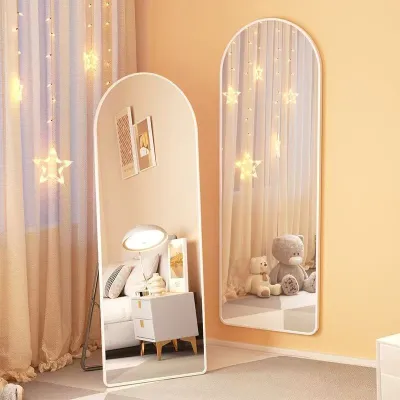

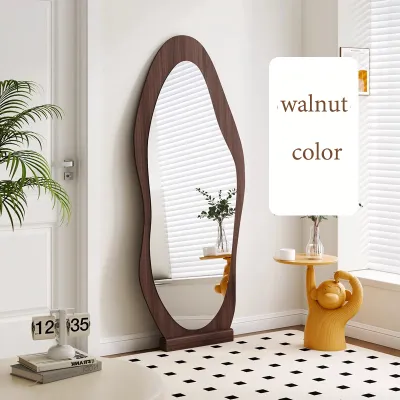

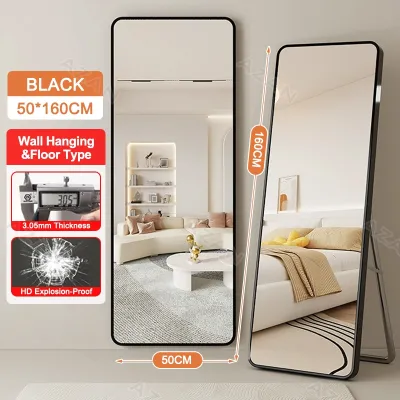
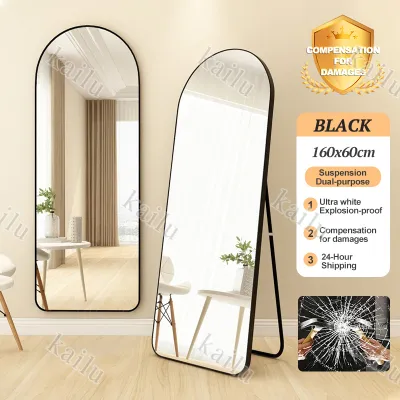
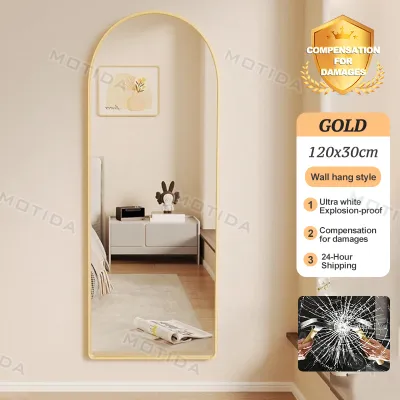
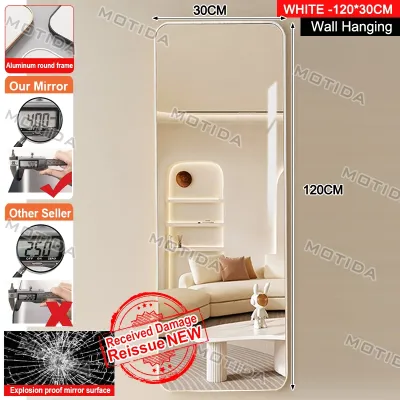
Prices are valid at publication and may change. Please refer to the product page for the latest price.
Finally, evaluate the physical floor space and daily traffic flow. A large floor mirror requires dedicated space, and placing it in a high-traffic pathway can lead to accidental bumps and safety hazards. Ensure there is enough clearance around the base so that family members, guests, or pets can move freely without squeezing past the frame. Measure the footprint of the mirror’s base and compare it against your actual walking paths before finalizing the spot.
Choose the Right Wall and Placement Strategy
The specific wall you choose determines how effectively the mirror expands your room’s visual boundaries. One of the most reliable strategies is placing the mirror on a wall adjacent to or directly opposite a window. This setup allows the glass to act like a second window, bouncing outdoor light deep into the room and reflecting views of the sky or outdoor greenery. This simple trick instantly breaks down the feeling of solid, enclosing walls and connects your indoor space with the outdoors.

Another excellent approach is positioning the floor mirror behind or beside major furniture pieces, such as a sofa, a dining table, or a bed. When you place a tall mirror behind a couch or a bedside table, it creates the illusion that the room continues beyond the furniture rather than ending abruptly at the wall. This layering technique adds architectural interest and makes the layout feel much more expansive than its actual dimensions. It also helps integrate the mirror into the room’s design rather than letting it stand as an isolated object.
Conversely, you should avoid placing a floor mirror directly facing a blank, dark wall or a tight, windowless hallway corner. Reflecting a dark, empty surface does nothing to enhance the room’s depth and can actually make the space feel flatter and more enclosed. If you must use a darker wall, ensure the mirror is angled to capture a brighter part of the room or a decorative element that adds visual texture.
Angle and Lean Techniques for Maximum Depth
The angle at which you position your floor mirror plays a crucial role in manipulating the perception of height and width. Leaning a tall mirror against the wall at a slight upward angle is a classic design technique that works wonders in rooms with low ceilings. This tilt directs the reflection upward toward the ceiling, drawing the viewer’s eye along a vertical path and making the walls feel taller than they actually are. It creates a sense of grander scale that flat-mounted mirrors often fail to achieve.
To find the perfect angle, make incremental adjustments to the tilt and step back several paces to inspect the reflection from different viewing heights. You want to ensure the mirror captures the upper half of the room’s features rather than just reflecting the floorboards or your feet. If the angle is too steep, you will end up looking at an awkward view of the ceiling lights; if it is too flat, the spatial illusion is lost. Finding the sweet spot requires a bit of patience and visual testing.
While adjusting the angle, always ensure the base of the mirror sits completely flush and stable against the floor or baseboard. An uneven base can make the mirror look sloppy, accidental, or unstable. If your room has thick baseboards or uneven flooring, you may need to use specialized floor grips or levelers to keep the bottom edge secure and aligned, ensuring a clean, intentional aesthetic.
Pair with Lighting and Decor to Amplify the Effect
To maximize the spatial illusion after dark, you can coordinate your floor mirror with strategic artificial lighting. Positioning a floor lamp or installing wall sconces near the mirror allows the glass to catch and scatter warm light throughout the room during the evening. When choosing lighting fixtures, always verify the manufacturer’s specifications, voltage compatibility, and electrical certifications to ensure safe operation in your home’s environment. This prevents electrical hazards while creating a cozy, well-lit ambiance.
Keeping the immediate area in front of the mirror clear is equally important for maintaining an expansive feel. Avoid placing large storage bins, heavy footstools, or cluttered decor items directly at the base of the glass. A clear, unobstructed path in front of the mirror allows the reflection to start right at the floor level, which tricks the brain into perceiving a continuous, uninterrupted floor plan.
Additionally, pay close attention to the style and material of the mirror’s frame. In humid, tropical environments, frames made of untreated wood can warp over time, while low-quality metals may rust. Opt for durable, humidity-resistant materials or finished frames that complement your existing decor. Choose a slim, minimalist frame to keep the visual weight light, as bulky, overly ornate frames can overwhelm a small room and make it feel crowded.
Safety and Installation Checks for Leaning Mirrors
While leaning mirrors offer a relaxed, modern look, safety must always be your top priority, especially in active households. Before setting up your mirror, carefully read the manufacturer’s instructions regarding weight limits, base stability, and recommended anchoring methods. Never rely solely on gravity to keep a heavy floor mirror in place, as accidental bumps, earthquakes, or daily vibrations can cause it to slide or tip over.
To secure a leaning mirror, always use dedicated anti-tip kits, furniture straps, or heavy-duty wall anchors attached to the top or back of the frame. These safety devices keep the mirror anchored to the wall stud while allowing it to maintain its stylish leaning angle. Ensure the hardware you use is rated for the specific weight of your mirror to prevent structural failure over time.
If you are dealing with unfamiliar wall materials, such as the hollow concrete blocks or solid masonry common in many local homes, stop and consult a qualified professional. Drilling into concrete requires specialized masonry drill bits, wall plugs, and fasteners to ensure a secure hold. If you do not have the proper tools or experience working at heights or handling heavy glass, hiring a professional installer is the safest way to protect your home and family.
Frequently Asked Questions (FAQ)
Can a floor mirror make a room look too cluttered?
Yes, a floor mirror can make a room look more cluttered if it is positioned to reflect busy, unorganized areas. Because mirrors duplicate whatever is in their line of sight, reflecting a messy desk, open wardrobe, or utility corner will instantly double the visual noise. To prevent this, always test the reflection from your main seating or entry points and adjust the mirror’s position so it captures clean, open spaces or simple decorative elements.
What size floor mirror is best for a very small room?
For a very small room, a larger mirror is actually more effective than a small one at creating the illusion of space. Aim for a mirror that is at least 1.5 to 1.8 meters tall, or one that covers a significant portion of your wall’s height. A mirror that is too small will look like an isolated picture frame and fail to open up the room, whereas a tall, wide mirror tricks the eye into seeing an entirely new architectural opening.
Should I hang the mirror or lean it on the floor?
Choosing between hanging and leaning depends on your safety needs, wall strength, and aesthetic preference. Leaning a mirror creates a casual, contemporary vibe and allows you to easily adjust the vertical angle to make the ceiling feel higher. However, if you have small children, active pets, or limited floor space, hanging the mirror securely on the wall is the safer and more practical choice, as it completely eliminates the risk of tipping and frees up valuable floor area.

Community discussion
Share your experience or ask a question. Comments are reviewed before publication.