
Placing a full body mirror in a small bedroom is one of the most effective design strategies to create the illusion of a larger, more open space. By strategically positioning this single piece of decor, you can visually double your floor area, amplify natural light, and make low ceilings feel loftier. The secret lies in understanding how light travels and how your eyes perceive depth. To achieve this spatial transformation, you must position the mirror where it can capture light sources, reflect open areas instead of clutter, and complement your room’s existing layout.
Assessing Your Bedroom Layout Before Placement
Before mounting or leaning a heavy full body mirror, take a step back to analyze your bedroom’s layout. A mirror functions as a visual multiplier, meaning it will replicate whatever is directly in front of it. If you place it opposite a cluttered clothes rack, an unmade bed, or an open closet, you will instantly double the visual noise, making your room feel smaller and more chaotic. Start by mapping out the primary natural light sources, such as windows or balcony doors, and identify the high-traffic walkways to ensure the mirror’s placement won’t obstruct your movement.
Note the areas in your room that feature clean lines or attractive decor, such as a neat accent wall, a minimalist desk, or a well-styled corner. These are the views you want your mirror to capture. Additionally, if you plan to mount the mirror on a wall or lean a heavy frame, you must locate the wall studs or assess the floor’s stability. Plasterboard or hollow drywall common in modern condominiums may require specialized heavy-duty toggle bolts, while solid concrete walls require masonry drilling and expansion shields. Always verify the weight capacity of your walls and the structural integrity of the mirror frame before proceeding.
Products mentioned in this guide
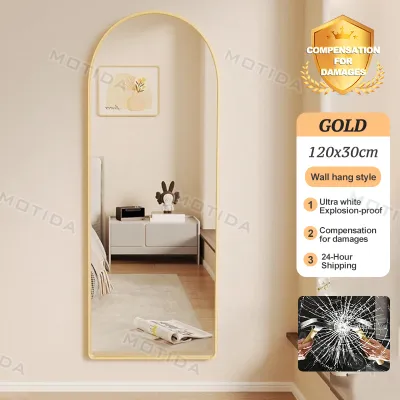
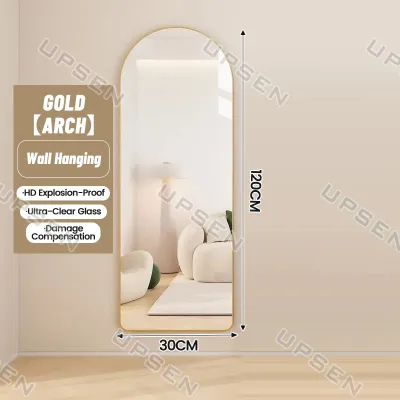

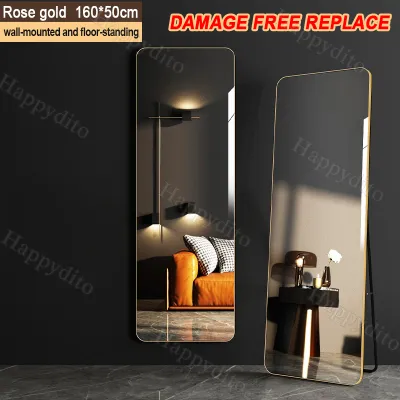
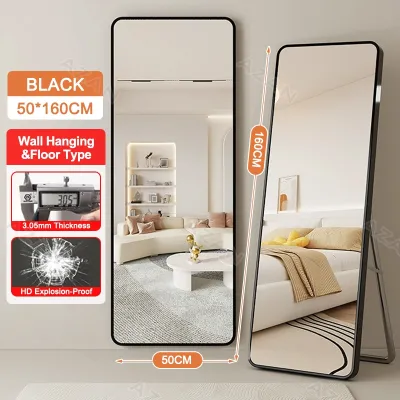
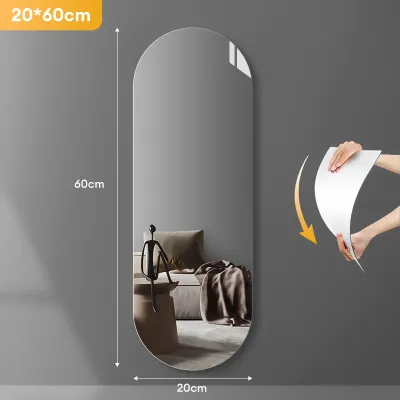
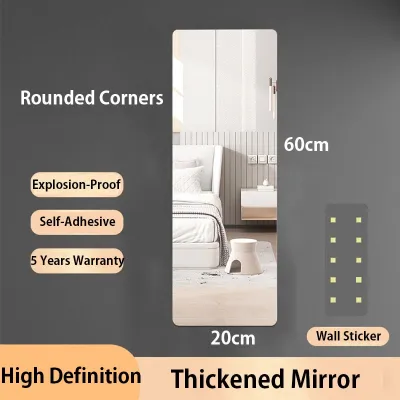
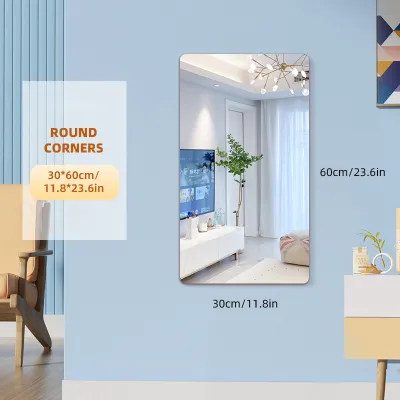
Prices are valid at publication and may change. Please refer to the product page for the latest price.
Best Positions to Visually Expand Your Bedroom
Choosing the right spot for your full body mirror determines whether it will add depth, height, or brightness to your bedroom. A poorly placed mirror might simply reflect a blank wall or create a distracting glare, while a strategic position can completely alter your spatial perception. Let’s explore the most effective placements depending on your bedroom’s unique floor plan.

Facing or Adjacent to a Window
Positioning your full body mirror opposite or perpendicular to a window is one of the most reliable ways to open up a compact room. By doing so, the glass captures the outdoor view and bounces natural light deep into the room, essentially acting as a “second window.” This trick tricks the brain into perceiving an extra opening in the wall, pushing the visual boundaries of your bedroom outward.
However, in tropical climates like the Philippines, you must manage this placement carefully to avoid discomfort. Direct, harsh afternoon sunlight hitting a large mirror can create intense glare and concentrate heat, turning your cozy bedroom into an uncomfortably warm space. To counter this, position the mirror at a slight angle where it catches ambient daylight rather than direct, blinding sunbeams. Alternatively, hang light, sheer curtains over your windows to diffuse the incoming light, maintaining the bright, airy feel without the heat buildup.
Behind the Headboard or Beside the Bed
If your bedroom layout leaves you with limited floor space, integrating a full body mirror around your sleeping area is an excellent solution. Mounting a large mirror horizontally behind your headboard, or securing two tall, vertical mirrors on either side of the bed, creates a striking architectural focal point. This setup draws the eye upward, making the ceiling feel significantly higher while adding a sense of luxury.
Alternatively, you can place the mirror on the wall running parallel to the bed. This allows the glass to reflect the longest uninterrupted stretch of your room, instantly elongating the space. When opting for bedroom placement, consider your psychological comfort. Waking up in the middle of the night and seeing a sudden, dark reflection of yourself can trigger a startle response. To prevent this visual anxiety, position the mirror so that it does not directly align with your face when you are lying down, or angle it slightly away from the bed.
Beside Bulky Furniture or in Narrow Alcoves
Compact bedrooms often feel cramped due to the visual weight of essential furniture, such as large wooden wardrobes, dressers, or study desks. You can mitigate this heavy look by placing a full body mirror directly beside or even on the side panel of a bulky wardrobe. The mirror breaks up the solid mass of the furniture, reflecting the open room instead and making the large piece seem to blend into the walls.
This technique is also highly effective for narrow alcoves, deep corners, or structural columns that create awkward “dead zones” in your room. Tucking a mirror into a shadow-prone alcove bounces light into the dark recess, effectively erasing the shadow and making the room’s footprint feel more uniform and continuous.
Styling and Angling Techniques for Maximum Depth
Beyond simple placement, the way you style and angle your full body mirror plays a crucial role in maximizing its space-expanding potential. By using specific design choices, you can turn a basic mirror into a powerful spatial tool.
Leaning vs. Flush Mounting
The physical orientation of your mirror dictates how light and lines of sight are directed. Leaning a tall full body mirror against a wall introduces a slight upward tilt. This angle reflects more of the ceiling and the upper portions of your walls, creating a vertical stretch that makes low ceilings feel much higher. It also lends a relaxed, contemporary aesthetic to the room. On the other hand, flush mounting the mirror flat against the wall provides a clean, seamless look. This is the ideal choice for exceptionally tight spaces or narrow walkways where every centimeter of floor space counts, as it keeps the floor completely clear.
Frame Selection
The frame of your mirror can either enhance or diminish the illusion of space. For small bedrooms, thin, minimal metal frames or entirely frameless designs are highly recommended. These options minimize visual clutter and allow the reflection to blend seamlessly with the surrounding wall. If you want to maximize brightness, consider a mirrored or metallic frame (such as brass or chrome) that catches and bounces light from its edges. Avoid thick, dark, or heavily ornate wooden frames, as they act like a heavy picture frame, boxing in the reflection and drawing attention to the physical limits of the room.
Layering for 3D Depth
To create a truly convincing illusion of depth, use the styling trick of layering. Instead of leaving the space in front of the mirror completely bare, place a tall indoor plant (like a snake plant or a peace lily), a slim floor lamp, or a small accent chair slightly overlapping the edge of the glass. This overlap creates a three-dimensional composition. When your eyes see the physical object in the foreground and its reflection in the background, your brain automatically perceives a layered, deep space, tricking you into thinking the room extends far beyond the wall.
Placement Mistakes and Safety Boundaries to Avoid
While a full body mirror is a fantastic design asset, improper placement can lead to visual clutter, sleep disruption, or serious safety hazards. Avoiding these common pitfalls ensures your mirror remains functional and safe.
Reflecting Clutter
A mirror is an unbiased canvas; it reflects exactly what is in its path. One of the most common design mistakes is placing a mirror where it directly faces an open closet, a messy laundry basket, or a desk piled with papers. Doubling this visual chaos will instantly make your small bedroom feel twice as cramped and twice as stressful. Always ensure your mirror reflects a clean, organized, or visually pleasing area of your room.
Sleep Disruption and Glare
Avoid placing your mirror where it directly faces your bed if you are sensitive to light. At night, a mirror in this position can catch the glare of passing headlights, streetlights, or bright neon signs from nearby commercial areas, projecting moving shadows across your ceiling and disrupting your sleep cycle. Keep the mirror angled away from direct outdoor light sources that remain active at night.
Crucial Safety for Leaning and Suspended Mirrors
If you choose to lean a heavy full body mirror against the wall, you must prioritize structural safety. Never rely solely on the mirror’s weight, a basic rubber floor pad, or adjacent furniture to keep it upright. The Philippines is located in an active seismic zone, meaning minor tremors and earthquakes can easily destabilize unsecured furniture. Furthermore, households with pets or young children face a constant risk of accidental tips. To secure a leaning mirror, always use heavy-duty anti-tip furniture straps, mirror mastic, or sturdy L-brackets anchored directly into your wall studs.
For wall-mounted mirrors, especially heavy suspended loads overhead like a headboard, always follow the manufacturer’s installation instructions, use appropriate wall anchors, and consult a qualified professional to ensure secure mounting. If you are mounting a backlit or LED-integrated mirror, ensure the power-isolation rules are followed during installation and consult a certified electrician for any fixed wiring.
How to Test Your Setup Before Permanent Installation
Before you commit to drilling holes, hammering nails, or moving a heavy glass mirror, it is wise to test your chosen location with a risk-free mockup. This simple step can save you from costly wall repairs and unnecessary physical strain.
Find a large piece of cardboard, kraft paper, or even a bedsheet, and cut or fold it to the exact dimensions of your full body mirror. Tape this mockup to your desired wall location using painter’s tape, which won’t damage your paint. Leave it up for at least 24 hours.
Observe the mockup at different times of the day: during the bright morning, the harsh afternoon, and at night under your bedroom’s artificial lighting. Pay attention to how light hits the area. Does it create an annoying glare? Does it cast deep shadows? Does the position feel natural when you walk into the room? This trial run allows you to adjust the height, angle, and location of your mirror, ensuring that once the real mirror is installed, it delivers the perfect space-expanding effect.
Frequently Asked Questions (FAQ)
Is it bad to place a mirror directly facing the bed?
From both a practical and psychological standpoint, placing a mirror directly facing the bed can disrupt your sleep. Waking up in a dark room and seeing a sudden reflection of your own movement can trigger a startle response, raising your heart rate and making it difficult to fall back asleep. Additionally, various cultural practices, such as Feng Shui, suggest that mirrors facing the bed bounce energy around the room, leading to restlessness. If your room’s layout forces this placement, try angling the mirror slightly away from the bed or covering it with a decorative throw or screen at night.
Can I use multiple smaller mirrors instead of one full body mirror?
Yes, you can use multiple smaller mirrors, but the visual effect will be slightly different. A single, large full body mirror provides a seamless, uninterrupted reflection that best mimics a window and creates a powerful illusion of extended space. A gallery wall of smaller mirrors can still bounce light and add decorative interest, but the broken reflections can feel slightly more cluttered. If you choose this route, group the mirrors closely together and use consistent, minimal frames to maintain a clean, cohesive look that doesn’t overwhelm your small bedroom.
Community discussion
Share your experience or ask a question. Comments are reviewed before publication.