
To make a small room look instantly larger using a full body mirror with stand, you must position it to capture and reflect natural light, angle it to showcase the room’s longest sightline, or place it behind furniture to create layered depth. In compact urban homes—such as studio apartments or high-density condominiums in the Philippines—thoughtful mirror placement is one of the most effective ways to break visual boundaries. By reflecting open areas instead of blank walls, you trick the brain into perceiving a continuation of the space.
Maximizing this spatial illusion requires more than simply leaning a mirror against the nearest wall. You must consider the interaction of light, the physical angles of the frame, and the surrounding floor area. With a few strategic adjustments, a freestanding mirror ceases to be a mere utility and becomes a dynamic architectural tool that opens up your living space.
How Mirrors Create the Illusion of Space
Mirrors manipulate human perception by doubling the visual field and amplifying the ambient light within a room. When you look into a mirror, your eyes register the reflected depth as actual physical space, tricking the brain into thinking the room extends far beyond the wall. This visual expansion immediately relieves the cramped feeling common in small bedrooms or narrow living areas.
Products mentioned in this guide
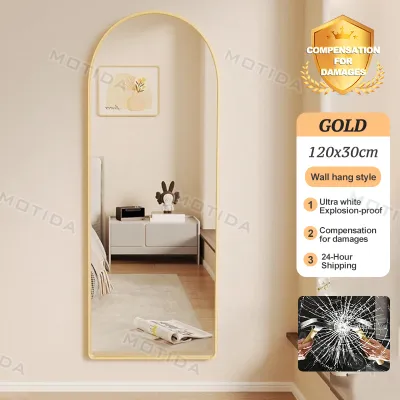

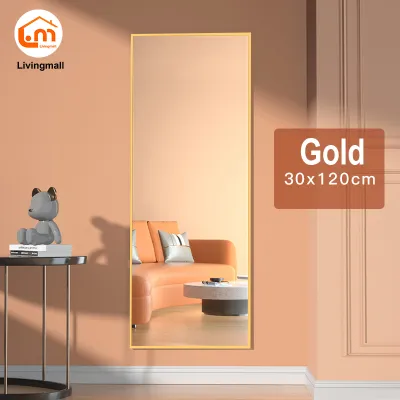
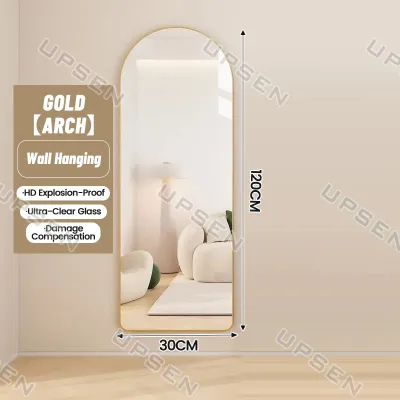
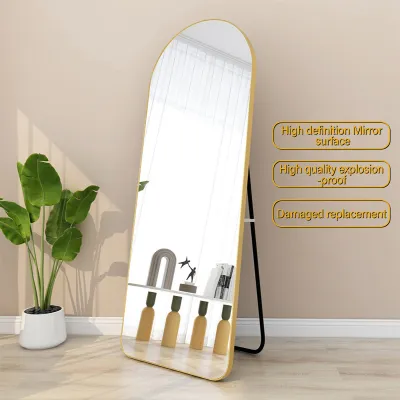
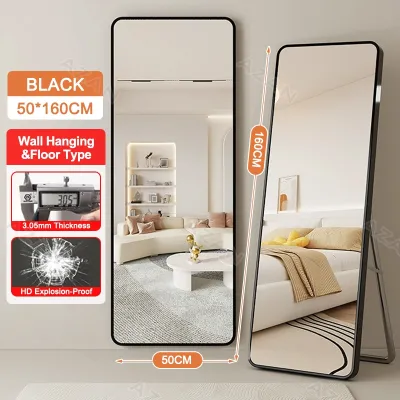
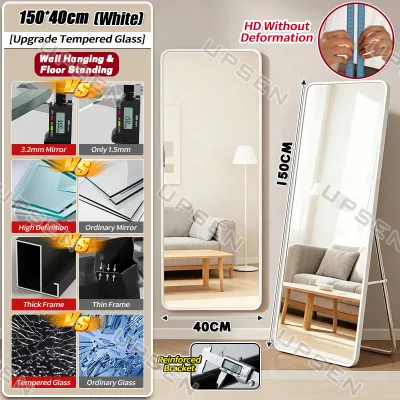
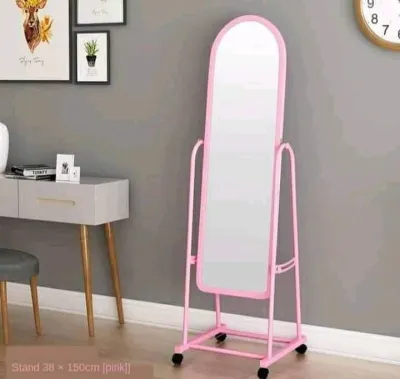
Prices are valid at publication and may change. Please refer to the product page for the latest price.
In addition to extending sightlines, mirrors act as passive light distributors. They capture natural daylight from windows and artificial light from lamps, bouncing these rays into dark corners and recessed areas. By eliminating deep shadows, which naturally make a room feel smaller and more enclosed, a well-placed mirror creates a brighter, more open, and airy atmosphere.
Where to Place Your Freestanding Mirror for Maximum Impact
Finding the right location for your freestanding mirror is the most critical step in your spatial design. The goal is to place the mirror where it can interact with light sources and architectural features to maximize the perception of depth.

Opposite or Adjacent to a Window
Placing your full body mirror with stand opposite or adjacent to a window is the most effective way to flood a small room with natural light. When positioned adjacent to a window, the mirror catches incoming daylight at an angle, reflecting it deep into the interior without bouncing harsh, direct sunlight back outside. This setup is particularly useful in tropical climates, where managing intense midday heat and glare is essential.
If you choose to place the mirror directly opposite a window, you will effectively create a “second window” that reflects the outdoor view. However, you must carefully adjust the angle of the stand. Tilt the mirror slightly away from primary seating areas or computer screens to prevent blinding glares during peak daylight hours. Observe how the light moves across the room at different times of the day before finalized placement.
Behind a Key Furniture Piece
In tight rooms, placing a freestanding mirror out in the open can consume valuable floor space. A clever alternative is to position the mirror partially behind a low-profile piece of furniture, such as a sofa, a console table, or a bedside drawer. This layering technique breaks up the solid surface of the wall and creates a sense of mystery.
Because the edges of the mirror are partially obscured by the furniture, the human brain assumes the space continues behind the object rather than ending abruptly at the wall. To achieve this effect, ensure the furniture piece is relatively low and has clean lines, allowing a significant portion of the mirror’s reflective surface to remain visible above and around it.
In a Dark Corner or Narrow Hallway
Dark corners and narrow hallways are notorious for making small homes feel restrictive. Tucking a full body mirror with stand into a dim corner helps capture light from the brighter, central parts of the room, instantly softening shadows and making the corner appear to recede.
In narrow hallways or entrance corridors, placing a freestanding mirror at the far end can visually double the length of the passage. However, physical clearance is a primary concern in these tight zones. Ensure that the mirror’s kickstand or base does not protrude into the walking path, creating a tripping hazard. If space is exceptionally tight, look for a mirror with a highly compact, low-profile stand.
Angling and Tilting Techniques to Enhance Room Depth
Once you have selected the ideal location, the physical angle of the mirror will dictate how the reflected space is perceived. Adjusting the tilt allows you to prioritize either room height or room width.
Leaning Against the Wall vs. Standing Upright
Many full body mirrors equipped with stands offer the flexibility of being leaned directly against a wall with the kickstand folded. Leaning the mirror creates a slight upward tilt, which directs the reflection toward the ceiling and upper walls. In rooms with low ceilings, this vertical angle draws the eye upward, making the entire space feel loftier and more spacious. However, a leaning mirror requires a secure floor grip and careful stability checks to prevent sliding.
Conversely, keeping the mirror perfectly upright using its integrated kickstand reflects the room on a straight, eye-level plane. This vertical alignment is highly effective at widening narrow rooms, as it reflects the mid-level furniture and open floor space directly back to the viewer. It provides a true-to-life perspective that is excellent for dressing areas while maximizing horizontal depth.
Angling to Reflect the Longest Dimension
To make a small room feel as large as possible, pivot the mirror slightly on its stand so that it reflects the longest diagonal distance of the room. For example, angle the mirror to capture the view from one corner across to an open doorway or a far window. This maximizes the “virtual square footage” visible in the reflection.
Avoid angling the mirror toward cluttered areas, such as an open wardrobe, a busy work desk, or a laundry basket. Reflecting clutter duplicates the visual noise, making a small room feel twice as chaotic and cramped. Always aim the mirror toward clean, simple sightlines or attractive design elements to maintain a serene, spacious feel.
Choosing the Right Size and Frame for Small Spaces
While a larger reflective surface generally creates a more dramatic illusion of space, you must balance the mirror’s physical dimensions with the scale of your room. A massive, heavy mirror placed against a tiny wall can overwhelm the architecture, making the room’s actual boundaries feel more restrictive.
To keep the visual weight light, opt for mirrors with thin, minimal frames made of metal or light-colored wood, or choose a frameless design. Thick, ornate, or highly decorative frames tend to draw attention to the mirror as a physical barrier, which disrupts the illusion of continuous space. Minimalist frames allow the reflection to blend seamlessly with the surrounding wall.
Additionally, pay close attention to the footprint of the stand. In a small room, floor space is precious. Ensure the kickstand or base is compact and does not extend unreasonably far from the back of the mirror. A streamlined, adjustable stand allows you to position the mirror close to the wall while maintaining a stable, secure upright angle.
Securing Your Freestanding Mirror for Safety
Because full body mirrors are heavy and top-heavy, safety must be your top priority when positioning them. This is especially true in active households with children or pets, or in regions prone to minor seismic tremors, such as the Philippines. An unsecured freestanding mirror poses a significant tipping risk.
Before finalizing your placement, always check the manufacturer’s instructions for included safety hardware, such as wall-tethering kits, anchor straps, or anti-tip brackets. If your mirror did not come with these accessories, purchase a high-quality furniture safety strap designed to anchor heavy objects to wall studs.
To prevent the mirror or its stand from sliding on smooth, hard flooring—such as ceramic tiles, polished concrete, or vinyl planks common in tropical homes—apply non-slip rubber pads, silicone grips, or heavy-duty museum wax to the base. If the floor surface is uneven or if the mirror wobbles when touched, stop immediately. Do not rely on temporary shims or makeshift props; instead, consult a professional installer to securely anchor the mirror to the wall.
If you choose a full body mirror with integrated LED lighting to brighten a dark corner, always verify the electrical specifications before purchase. Check the voltage compatibility (typically 220V in the Philippines), wattage limits, and ensure the unit has proper electrical safety certifications. For any model requiring fixed wiring or installation in damp environments, always isolate the power source and hire a qualified professional to handle the installation.
Common Placement Mistakes to Avoid
To ensure your mirror successfully expands your room rather than cramping it, avoid these common design pitfalls:
- Reflecting a blank wall: Placing a mirror directly across from a plain, windowless wall simply duplicates the empty surface, emphasizing the room's tight boundaries rather than creating depth.
- Blocking natural traffic paths: Avoid placing the mirror’s stand where it interferes with daily movement. If you have to step around the mirror to walk through the room, it will make the space feel physically smaller and highly inconvenient.
- Creating an infinite tunnel: Do not position your freestanding mirror directly opposite another large mirror. This setup creates a disorienting, endless reflection loop that can feel chaotic, distracting, and visually overwhelming in a small living area.
Frequently Asked Questions (FAQ)
Should a full body mirror face the bed?
While placing a mirror directly facing the bed can make a small bedroom look much larger, it is not always ideal for comfort. Many people find seeing their own reflection first thing in the morning or during the night to be distracting or disruptive to sleep. If you find a direct reflection uncomfortable, place the mirror adjacent to the bed or position it on the inner side of a closet door so it can be tucked away when not in use.
How do I prevent a leaning mirror from sliding on hard floors?
To prevent a leaning mirror from sliding on hard, smooth surfaces like tile or polished wood, apply high-quality, non-slip rubber pads or silicone adhesive grips to the bottom edge of the mirror frame and the tips of the stand. Before applying these grips, thoroughly clean both the floor and the bottom of the mirror frame to remove any dust, moisture, or oils, ensuring maximum adhesion and stability.

Community discussion
Share your experience or ask a question. Comments are reviewed before publication.