
To make a small room look significantly larger, the optimal way to position a full body mirror for wall mounting is to place it where it can capture natural light and reflect the longest visual path in the room. By aligning the mirror adjacent to a window and keeping its base close to the floor, you create an illusion of continuous flooring and an extra window. This simple adjustment tricks the eye into perceiving depth, instantly breaking up the cramped feeling of tight quarters.
In compact living spaces, such as urban studio apartments or cozy bedrooms, square footage is at a premium. A large mirror is one of the most effective non-structural tools available to visually expand your environment. However, simply hanging a mirror on any vacant wall will not automatically produce this spacious effect. The placement must be strategic, taking into account how light enters the room, where people walk, and what the mirror actually reflects.
Achieving this spatial transformation requires a thoughtful approach to positioning, height, and safety. By understanding the relationship between light, angles, and sightlines, you can turn a basic decorative element into a powerful architectural feature. This guide will walk you through the precise steps to evaluate your space, select the perfect wall, adjust the mounting height, and secure your mirror safely.
Products mentioned in this guide
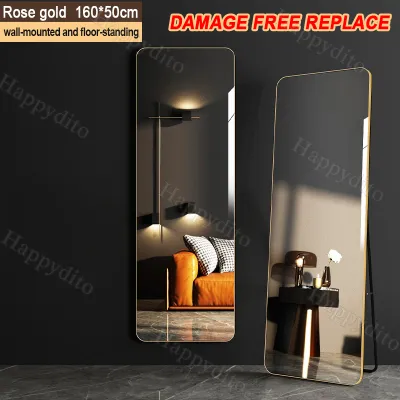
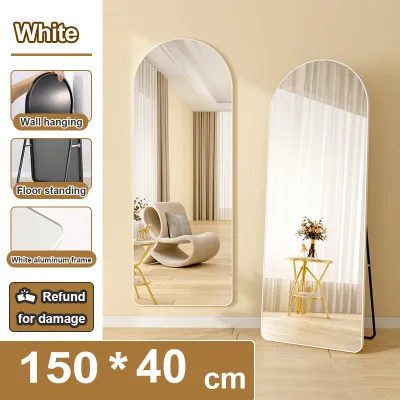
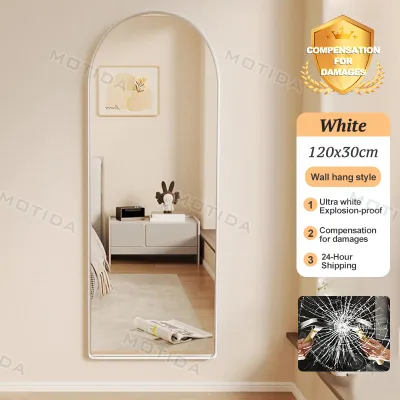
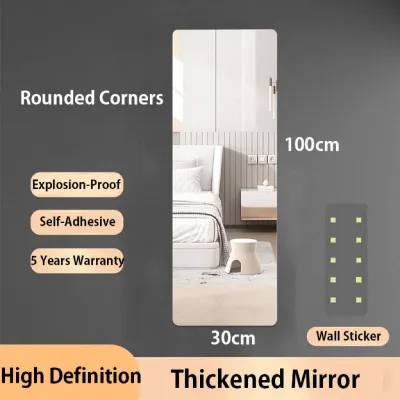
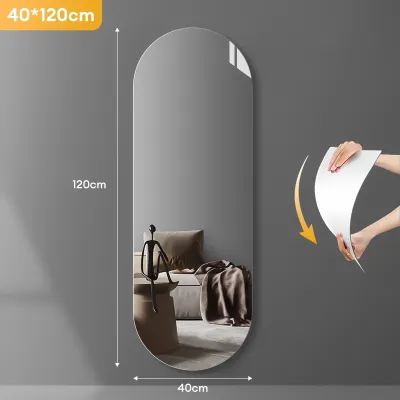
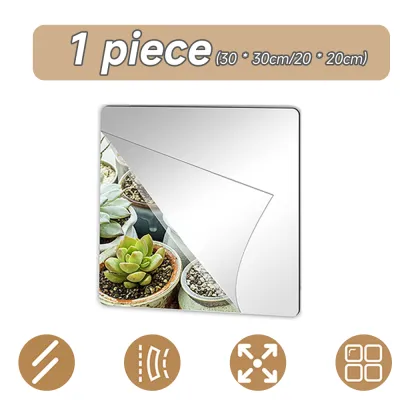
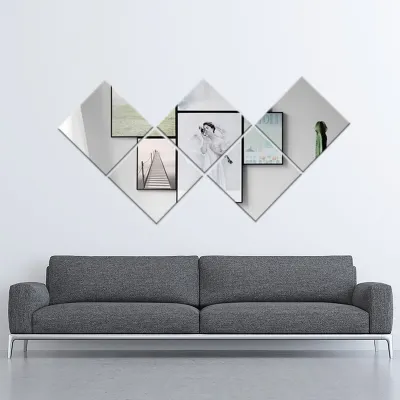
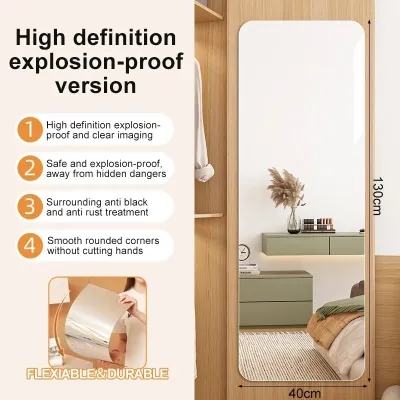
Prices are valid at publication and may change. Please refer to the product page for the latest price.
Evaluate Your Room's Light and Sightlines
Before hammering any nails or drilling holes, you must analyze how light and movement flow through your room. Walk around the space and identify your primary sources of illumination, including windows, glass doors, and overhead light fixtures. Observe how natural light shifts throughout the day, noting which areas receive bright morning sun and which corners remain cast in shadow. Mapping these patterns helps you determine where a reflection can best amplify the room’s natural brightness.
Next, look for the longest unobstructed sightlines in the room. This is the visual path your eyes naturally travel when you enter or sit in the space. For instance, looking from the doorway diagonally across to the opposite corner usually offers the longest line of sight. Placing a full body mirror for wall mounting at the end of this diagonal path creates a powerful illusion of depth, making the room feel twice as long as it actually is.
Finally, pay close attention to what will be reflected in the mirror. A mirror does not just reflect light; it also duplicates whatever is in front of it. If you position a mirror opposite a cluttered clothes rack, a busy bookshelf, or a wall with highly patterned wallpaper, you will double the visual noise. This unintended duplication makes a small room feel even more chaotic and cramped. Aim to reflect clean, open areas, simple wall decor, or outdoor views to maintain a sense of serenity.
Select the Optimal Wall for Placement
Choosing the right wall for your full body mirror for wall mounting is critical to maximizing the illusion of space. One of the most effective strategies is to place the mirror on a wall opposite or adjacent to a window. This positioning allows the glass to catch incoming natural light and bounce it deep into the darker corners of the room. If your window looks out onto a garden, trees, or the open sky, the mirror will bring a slice of the outdoors inside, effectively acting as an extra window that softens the room’s boundaries.

However, direct opposition to a window can sometimes present challenges, especially in tropical climates where the afternoon sun is intense. If you place a mirror directly opposite a west-facing window, the reflection can create a blinding glare during peak sunlight hours, making the room uncomfortable to inhabit. In such cases, positioning the mirror perpendicular to the window is an excellent alternative. This angle still catches and distributes the ambient light without bouncing harsh, direct rays into your eyes.
Additionally, you must be mindful of what the mirror reveals from key seating or resting positions. Avoid mounting a mirror on a wall that directly faces a bathroom door, an open closet, or utility areas. Seeing these functional, often untidy spaces reflected constantly can disrupt the peaceful ambiance of a bedroom or living area. Instead, prioritize walls that reflect neutral zones, such as a clean accent wall, a minimalist dining setup, or a cozy reading nook.
Adjust Height and Tilt for Maximum Illusion
The height at which you mount your full body mirror for wall mounting determines how convincingly it expands the room. A common mistake is hanging the mirror too high, which ends up reflecting only the upper walls and ceiling, cutting off the floor plane. To create a seamless transition, the bottom edge of the mirror should be positioned relatively low, ideally between 10 to 20 centimeters from the floor. This low placement allows the floorboards or tiles to reflect continuously into the glass, making the floor area appear to extend far beyond the actual wall.
To ensure the mirror remains highly functional for daily use, its center point should align roughly with the average eye level of the household, which is typically around 1.5 meters from the ground. This height allows anyone standing in front of it to view themselves from head to toe without having to bend down or stretch. Balancing this functional height with a low base ensures that the mirror serves both as a practical dressing aid and a spatial enhancer.
If your mirror’s mounting hardware and frame design permit, introducing a very slight forward tilt can further enhance the feeling of height. Tilting the top of the mirror slightly away from the wall causes it to reflect more of the upper volume of the room and the ceiling. This technique is particularly useful in rooms with low ceilings, as it draws the eye upward and creates an airy, loft-like atmosphere. However, any tilt must be executed with specialized, adjustable mounting brackets designed for this purpose to prevent the mirror from slipping or falling.
Follow Safe Mounting Practices for Heavy Mirrors
A full-length glass mirror is a heavy object that requires secure anchoring to prevent accidents and wall damage. Before beginning the installation, always read the manufacturer’s instructions carefully to verify the mirror’s weight, recommended hardware, and compatible wall surfaces. Never rely on simple adhesive strips or standard plastic drywall anchors, as these are rarely rated to support the sustained weight of a large glass panel over time.
In many homes, wall construction dictates the type of mounting hardware you must use. If you are mounting on drywall, you must locate the wooden studs behind the wall using a reliable stud finder and secure your mounting brackets directly into them. If a stud is not available where you want to hang the mirror, you must use heavy-duty toggle bolts or threaded anchors rated for the mirror’s specific weight. In homes with concrete or masonry walls, which are common in many regions, you will need a hammer drill, masonry drill bits, and high-quality wall plugs paired with heavy-duty screws to ensure a permanent, stable hold.
Safety should always be your top priority during installation. Before drilling into any wall, check for hidden electrical wiring or plumbing pipes, especially if you are working near light switches, power outlets, or adjacent bathrooms. Always wear protective eyewear and work with a partner to lift and position the mirror, as handling large glass sheets alone can easily lead to drops or injury. If you feel unsure about your wall’s structural capacity, cannot locate studs, or lack the proper tools, it is highly recommended to hire a qualified professional to complete the installation safely.
Avoid Common Mirror Placement Mistakes
While mirrors are excellent for creating space, certain placement mistakes can have the opposite effect, making a room feel disorienting or cluttered. One major error is placing two large mirrors directly opposite each other on parallel walls. While this might seem like a way to double the spaciousness, it actually creates an infinite, repeating tunnel effect. This endless reflection can be highly distracting, visually overwhelming, and physically disorienting for anyone spending time in the room.
Another mistake is positioning the mirror where it directly reflects bare, unshaded light bulbs or harsh overhead fixtures. This creates intense glare points that can cause eye strain and headaches, particularly in cozy spaces like bedrooms or living rooms. Instead, ensure the mirror reflects soft, diffused light from lamps with shades, or natural light filtered through sheer curtains. This keeps the reflected light gentle and pleasant, contributing to a relaxed and open atmosphere.
Finally, pay close attention to the scale and frame of the mirror itself. A full body mirror for wall mounting with an excessively thick, dark, or heavily carved frame can visually crowd a small room, defeating the purpose of making it look larger. The heavy frame acts as a bold visual boundary that emphasizes the limits of the wall. For compact spaces, choose mirrors with ultra-thin frames, light wood finishes, or frameless beveled edges that blend seamlessly into the wall, allowing the reflection itself to take center stage.
Frequently Asked Questions (FAQ)
What is the ideal width for a full body mirror in a small room?
The ideal width for a full body mirror in a small room typically ranges from 50 to 70 centimeters. This width is sufficient to comfortably reflect a person’s full shoulder width from a reasonable standing distance without consuming too much horizontal wall space. Opting for a narrower, taller mirror—such as one measuring 50 centimeters wide by 150 centimeters tall—helps emphasize the vertical lines of the room. This vertical emphasis draws the eye upward toward the ceiling, which makes a compact room feel loftier and more open while leaving plenty of wall space for other functional furniture.
Should I use a framed or frameless mirror to maximize space?
To maximize the illusion of space, a frameless mirror or one with an ultra-thin, minimalist frame is generally the best choice. Frameless mirrors have clean, uninterrupted edges that allow the reflection to merge seamlessly with the surrounding wall, tricking the brain into seeing the reflection as a real opening or an extension of the room. If you prefer a framed look to match your decor, select a thin metal or light-colored wood frame that matches the wall color. This minimizes the visual boundary, ensuring the frame does not act as a heavy border that highlights the physical limits of your small room.

Community discussion
Share your experience or ask a question. Comments are reviewed before publication.