
To make a small room look bigger, the optimal strategy is to position your full-body wall mirror where it can capture and bounce light—ideally opposite or adjacent to a window—while reflecting an open pathway or an uncluttered view rather than a blank wall or tight corner. This simple placement trick fools the brain into perceiving depth and extra square footage. Installing a mirror whole body wall accent is one of the most effective ways to transform a cramped space, provided you understand the physics of reflection and the practical layout constraints of your room.
How Mirrors Create the Illusion of Space in Small Rooms
Light waves strike the smooth reflective surface of the glass and bounce back at the same angle, effectively doubling the visual distance. In small spaces, such as typical urban condominiums or studio apartments in high-density cities like Manila, walls can quickly feel constricting. By placing a large reflective surface on a prominent wall, you break the solid boundary of the room. The mirror acts as a virtual window, tricking the brain into believing there is an entire room or an outdoor view existing beyond the wall.
This depth perception is key to reducing the feeling of confinement. Furthermore, mirrors do not just reflect images; they reflect light. Whether it is natural sunlight pouring through a window or artificial light from a ceiling fixture, a well-placed mirror scatters this light into dark corners. This eliminates shadows that make a room feel smaller and more enclosed, creating a brighter and more inviting atmosphere.
Products mentioned in this guide
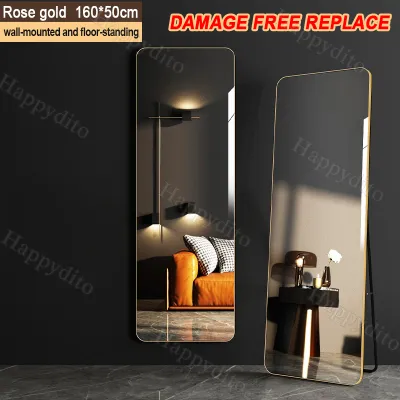
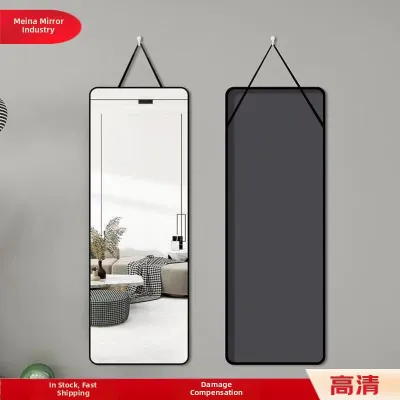
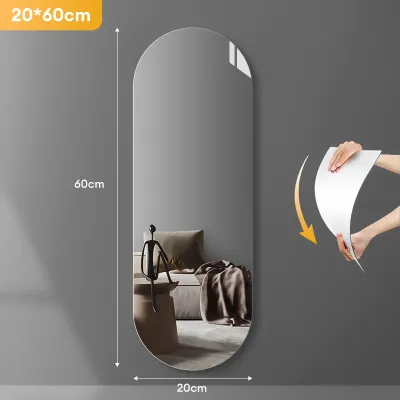
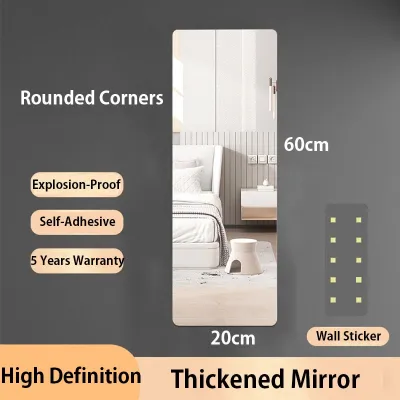
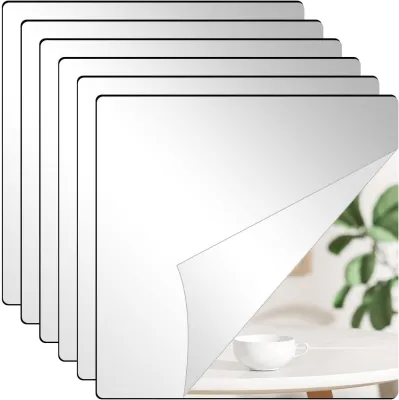
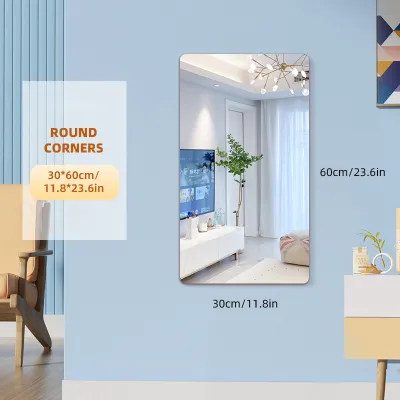
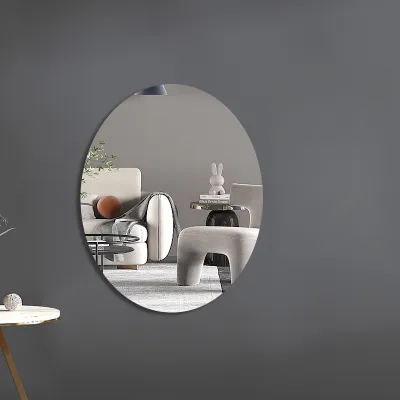
Prices are valid at publication and may change. Please refer to the product page for the latest price.
The Best Locations for a Mirror Whole Body Wall Accent
Opposite a Window or Primary Light Source
Bouncing natural light is the gold standard for expanding a small room. In tropical environments like the Philippines, where sunlight can be intense, placing your mirror directly opposite a window allows it to catch this abundant natural light and distribute it deep into the room. This instantly creates a bright, airy atmosphere that makes the walls feel further apart.

However, you must manage the intensity of this reflection to avoid discomfort. Avoid positioning the mirror where it will project a harsh, blinding glare onto areas where you sit, work, or sleep, such as directly onto a bed or a study desk. Instead, aim to reflect soft, indirect light or beautiful outdoor elements. If your window overlooks lush tropical greenery or the open sky, reflecting these elements indoors visually extends your living space into nature.
Adjacent to a Focal Point or in a Corner
If your room has limited wall space or only a single window, placing the mirror perpendicular to the window is an excellent alternative. This position allows the mirror to catch side light, scattering it across the room without creating direct glare. It is a highly effective layout strategy for awkward or narrow rooms.
Additionally, you can position the mirror near a statement piece of furniture, a vibrant indoor plant, or a favorite piece of artwork. This doubles the visual impact of your decor without adding physical bulk to the floor plan. It creates a sense of curated depth, making the room feel thoughtfully designed rather than cluttered.
In Narrow Entryways or Behind Doors
Tight hallways and entryways are notoriously difficult to decorate without making them feel even narrower. A full-body mirror mounted on a side wall can visually widen a tight corridor, making the transition into your home feel more welcoming and spacious. If you place a mirror at the far end of a short hallway, it creates an infinity effect that makes the passage seem to continue indefinitely.
However, when installing a mirror in these high-traffic transitional zones, you must exercise caution. If you choose to mount the mirror on the wall behind an opening door, ensure there is adequate clearance. Measure the door’s hinge swing and handle impact carefully. Install a sturdy door stop to prevent the door handle from slamming into the glass, which could cause devastating damage and safety hazards.
Adjusting Height, Angle, and Proportions
Achieving the perfect spatial illusion requires precise installation parameters. The hanging height of your full-body mirror is critical. As a general rule, the center of the mirror should sit at average eye level—approximately 1.5 meters from the floor. More importantly, position the mirror so that you can see your entire reflection, from head to toe, without needing to step back several paces. In a small room, floor space is limited, and you may not have the luxury of stepping back to check your outfit.
The frame of the mirror also plays a significant role in how it affects the room’s proportions. Thin, metallic frames or completely frameless designs are ideal for small spaces. They minimize visual boundaries, allowing the mirror to blend seamlessly into the wall and maximize the window illusion. Conversely, thick, ornate, or dark wooden frames add substantial visual weight. While they can be beautiful decorative statements, they tend to frame the reflection too aggressively, drawing attention to the physical limits of the mirror and making the wall feel more crowded.
You must also decide between a flat mount and a slight forward tilt. Flat mounting is the standard for a functional dressing mirror, providing a true-to-life, undistorted reflection. However, if your primary goal is to make a room with a low ceiling feel loftier, a slight forward tilt can work wonders. By using specialized mirror clips or mounting chains to tilt the top of the mirror slightly away from the wall, the glass reflects more of the ceiling and upper walls rather than the floor. This vertical reflection draws the eye upward, creating the illusion of height.
If your chosen mirror features integrated LED lighting, verify the voltage compatibility, wattage limits, dimming methods, and electrical certifications before connecting it to your home’s power supply. These decorative lighting additions can enhance the spatial effect, but they must be compatible with your existing electrical setup.
Common Placement Mistakes That Shrink a Room
While mirrors are powerful tools for spatial expansion, incorrect placement can have the opposite effect, worsening small-space claustrophobia. The most common mistake is reflecting clutter. If your full-body mirror is positioned directly opposite an open closet, a messy bed, a laundry hamper, or a chaotic shelving unit, it will double the visual noise in the room. Instead of feeling larger, the room will feel twice as cluttered and disorganized.
Another frequent error is placing a large mirror opposite a blank, dark wall or a closed door. This setup creates a visual dead end. The mirror simply reflects a flat, uninteresting surface, failing to add any depth or light to the space. It highlights the confinement of the room rather than breaking it.
Finally, avoid the temptation to use too many mirrors or fragmented mirror grids in a single small room. While a gallery wall of small mirrors or a grid of mirror tiles might seem like a creative design choice, it breaks up the reflection into multiple disjointed pieces. This fragmentation causes visual confusion, making it difficult for the eye to find a resting point and resulting in a chaotic, restless environment rather than a cohesive sense of open space.
Safe Mounting and Installation for Large Wall Mirrors
Because full-body wall mirrors are heavy and fragile, secure installation is paramount to prevent property damage and serious injury. Before you begin any installation, always read the manufacturer’s instructions for your specific mirror model.
Never rely on simple nails or standard plastic drywall plugs to hold a heavy mirror. You must locate the structural wall studs using a reliable stud finder. If your desired placement does not align with wall studs, you must use heavy-duty toggle bolts or drywall anchors that are explicitly rated for the exact weight of your mirror. To ensure stability and prevent the mirror from shifting or warping over time, use at least two secure mounting points, such as a D-ring system or a French cleat mounting system.
Crucial Safety Boundary: If your wall is made of solid concrete, masonry, brick, is tiled, or structurally compromised, or if the mirror is exceptionally heavy and oversized, do not attempt a DIY installation. Stop immediately and consult a qualified professional installer. Additionally, always isolate the power to any nearby electrical outlets or switches before drilling into the wall to avoid accidental contact with hidden wiring.
Frequently Asked Questions (FAQ)
Is it better to hang a full-body mirror or lean it against the wall in a small room?
Hanging a full-body mirror is generally the better option for small rooms because it saves valuable floor space and keeps pathways completely clear. Leaning a mirror can create a relaxed, contemporary aesthetic, but it requires dedicated floor clearance and can make a tight room feel more crowded. If you do choose to lean a heavy mirror, you must secure it to the wall using heavy-duty anti-tip straps or brackets to prevent it from sliding or tipping over, especially in homes with children, pets, or high foot traffic.
Can I place a full-body mirror in a small room with no windows?
Yes, you can successfully use a full-body mirror in a windowless room, such as a basement bedroom or an interior bathroom. To make the space feel larger, position the mirror adjacent to or opposite your primary artificial light source, such as a bright ceiling fixture, a stylish track light, or a tall floor lamp. The mirror will catch the artificial light and bounce it throughout the room, effectively simulating the brightening effect of natural light and eliminating dark, claustrophobic shadows.

Community discussion
Share your experience or ask a question. Comments are reviewed before publication.