
Positioning a full-body wall mirror to make a room look bigger relies on strategic placement relative to light sources, sightlines, and structural boundaries. By bouncing natural light and extending visual lines, a well-placed mirror tricks the eye into perceiving depth where a solid wall exists. To achieve this spatial illusion, you must align the glass to capture open views and bright areas rather than doubling the sight of cluttered corners or dark recesses.
In tropical environments where bright sunlight is abundant, leveraging this natural illumination can transform a dim, humid room into an airy, inviting sanctuary. The key is to treat the mirror not merely as a functional dressing tool, but as an extra window that reflects light and movement. By understanding how light travels through your specific layout, you can select a placement that maximizes visual expansion while maintaining a safe, secure installation.
Evaluate Your Room's Light and Layout First
Before mounting or leaning a heavy glass panel, analyze how light and movement interact within your space. Map natural light sources throughout the day, noting where direct sunlight streams in and where shadows linger. In many homes, windows face adjacent buildings or tropical foliage, creating pockets of soft, diffused light ideal for reflection. Observe your existing artificial lighting fixtures, such as ceiling-mounted downlights or floor lamps, to ensure the mirror will not catch harsh, exposed bulbs that cause uncomfortable glare.
Products mentioned in this guide
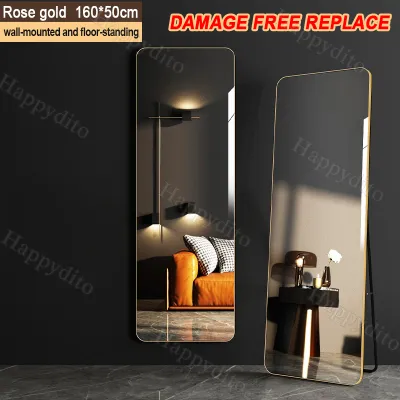
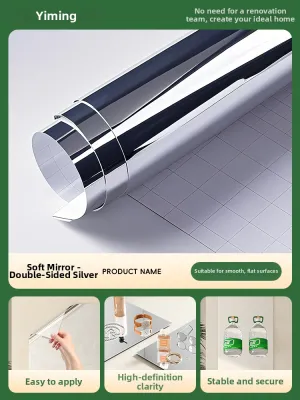
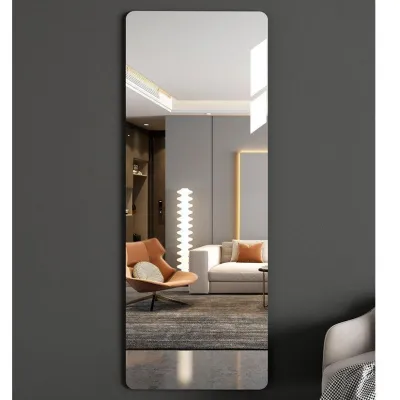
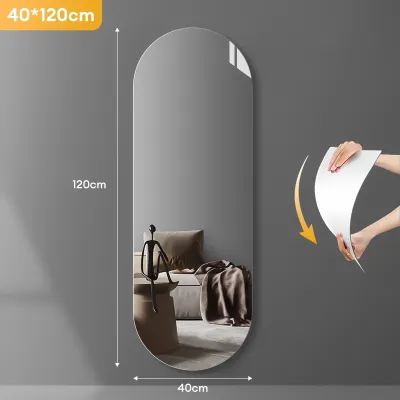
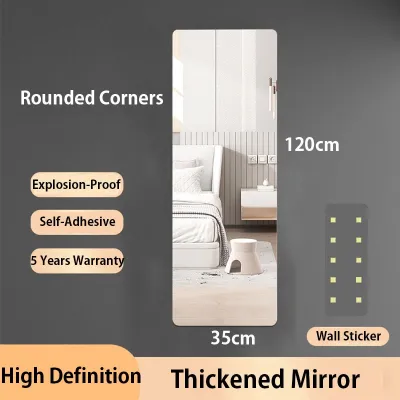
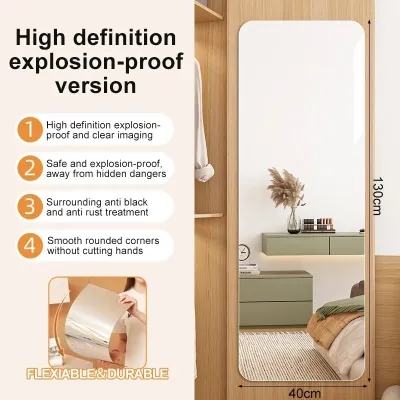
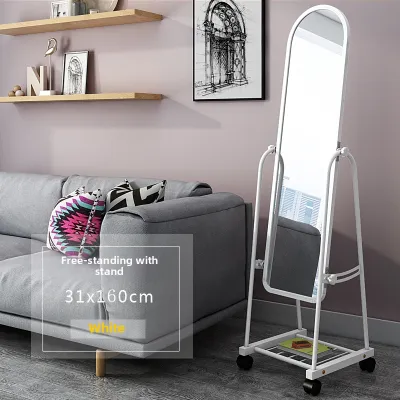
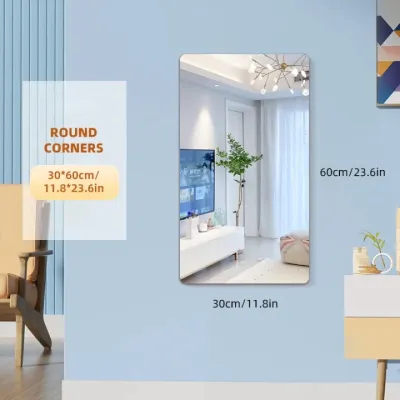
Prices are valid at publication and may change. Please refer to the product page for the latest price.
Next, identify the primary focal points and areas that collect daily clutter. A mirror acts as a visual duplicator; whatever lies directly opposite its surface will be visually doubled. Positioning the mirror facing an open wardrobe, a busy utility shelf, or a desk piled with paperwork will inadvertently make the room feel twice as chaotic. Instead, align the mirror’s field of view with clean, open zones, minimalist furniture arrangements, or views of outdoor greenery.
Finally, measure your available wall dimensions against the physical proportions of your full-body mirror. A standard full-body mirror requires sufficient clearance for its physical frame and the viewing distance needed to see your entire figure. Ensure there is enough open floor space in front of the intended wall so that a person can stand back several paces without bumping into furniture. This physical clearance is essential for both the practical use of the mirror and the success of the spatial illusion.
Top Wall Placements to Expand Visual Space
The specific wall you choose dictates how effectively the mirror alters the room’s perceived dimensions. One of the most reliable techniques is positioning the mirror directly opposite a window. This placement captures incoming natural light and bounces it deep into dark corners, instantly brightening the entire area. By reflecting the outdoor sky or garden, the mirror acts as a secondary window, breaking up the solid boundary of the wall to create a sense of openness.

If direct opposition to a window causes intense glare during peak daylight hours, place the mirror on an adjacent wall instead. This side-angle placement captures ambient outdoor light without reflecting harsh, direct rays. It allows the mirror to catch lateral views of the room, reflecting the length of the space rather than its depth, which can make a narrow room feel significantly wider.
Another sophisticated approach is mounting the mirror behind a primary furniture focal point, such as a sofa or a bed. When placed behind these low-profile pieces, the mirror visually extends the boundary of the seating or sleeping area, making the wall behind them seem to recede. For this effect, ensure the bottom of the mirror frame sits slightly above the top of the furniture cushion or headboard, or use a tall, vertical panel that rises high toward the ceiling to draw the eye upward.
Narrow hallways, tight entryways, and transitional corridors also benefit from strategic mirror placement. Mounting a full-body mirror at the end of a long, narrow hallway creates a false continuation of the corridor, making a cramped transition zone feel twice as long. Alternatively, placing it along the side wall of a tight entryway opens up the immediate entry path, preventing a closed-in feeling when you first step through the front door.
Leaning and Angling Tricks for Added Depth
If you prefer to avoid permanent wall mounting or want to introduce a relaxed, contemporary aesthetic, leaning a full-body mirror against the wall is an excellent alternative. Leaning a tall mirror creates a dynamic reflection angle that naturally draws the eye upward. Because the glass tilts slightly backward, it reflects a portion of the upper walls and ceiling rather than just the immediate eye-level view, making low ceilings feel loftier and more spacious.
To manipulate the floor area specifically, some decorators utilize a slight downward tilt by mounting the mirror on specialized brackets that angle the top of the frame slightly forward. This downward angle reflects more of the continuous floor space, which visually widens the room’s footprint by making the floor plane appear uninterrupted. However, this technique must be executed with precision, as an excessive downward tilt can distort reflections and make the room feel top-heavy.
Safety is the paramount concern when opting for any leaning or angled mirror setup, especially in high-traffic areas or homes with children and pets. Always ensure the mirror rests on a sturdy, non-slip floor base, and apply high-friction rubber or silicone anti-slip pads to both the bottom edge of the frame and the points where the top of the frame contacts the wall. Additionally, you must install a heavy-duty wall strap or safety anchor behind the leaning mirror; this hidden tether allows the mirror to lean naturally while preventing it from sliding outward or tipping forward if bumped.
Placement Mistakes That Shrink Your Room
While a well-placed mirror can make a room feel expansive, poor placement can easily achieve the opposite effect, making your living space feel cramped and disorienting. A primary mistake is reflecting cluttered corners, open closets, or walls covered in busy, high-contrast patterns. Doubling the visual noise of a messy laundry basket, a shelf of mismatched storage boxes, or an intricate wallpaper design crowds the room’s sightlines, causing immediate visual fatigue and making the space feel smaller.
Another critical error is placing two large mirrors directly opposite each other on parallel walls. While this might seem like a way to double the spacious effect, it actually creates an infinite, disorienting tunnel reflection. This infinity mirror effect can be highly distracting, causing visual confusion and making it difficult for the eye to find a natural resting point. It disrupts the peaceful flow of a room and can make a small space feel disorienting rather than comfortable.
You should also avoid mounting a full-body mirror too high or too low on the wall. If the mirror is hung too high, it cuts off the lower half of the reflection and exposes an awkward gap of empty wall below, which disrupts the natural floor line and breaks the illusion of continuous space. Conversely, mounting it too low can cut off the heads of taller occupants, forcing people to slouch to see themselves and making the ceiling feel lower. The bottom of a wall-mounted full-body mirror should generally sit close to the floor line, or just high enough to clear baseboards, to maintain a seamless transition between the floor and the reflection.
Secure Mounting and Safety Checks
Installing a heavy full-body mirror requires careful preparation to ensure it remains securely attached to the wall over time, preventing catastrophic falls and structural damage. The first step is identifying your wall material, as different substrates require entirely different mounting strategies. In many residential structures, walls are constructed from concrete, hollow blocks, or solid masonry, which require masonry drill bits and plastic or metal expansion anchors. If your wall is made of drywall or gypsum board over timber or metal framing, you must use specialized toggle bolts or heavy-duty drywall anchors designed for high-weight capacities.
Whenever possible, locate and utilize structural wall studs behind drywall to support the significant weight of a full-body glass panel and its frame. Use a reliable stud finder to mark the edges of the studs, and drive your primary mounting screws directly into the center of these wooden or metal supports. Relying solely on drywall anchors for an exceptionally heavy mirror can lead to the plaster crumbling under constant tension, risking a sudden collapse.
Before drilling any holes, verify the mirror manufacturer’s specific hardware requirements, mounting brackets, and weight limits. Many large mirrors come equipped with pre-installed D-rings, French cleats, or keyhole slots that dictate exactly how the weight must be distributed. Never substitute the recommended hardware with weaker alternatives, and ensure that any wall hooks or wire used are rated for at least double the actual weight of the mirror to provide a safe margin of error.
Finally, prioritize personal safety by turning off the electrical power to the room at the main circuit breaker before drilling into any wall where hidden utilities might reside. If you suspect that electrical wiring, conduit, or plumbing pipes run behind your chosen drill sites—especially near light switches, outlets, or adjacent bathrooms—stop immediately. In these scenarios, or if you feel uncomfortable handling heavy masonry drilling and leveling, consult a qualified professional installer to complete the mounting safely.
Frequently Asked Questions (FAQ)
Can a full-body mirror make a very small room feel cramped?
Yes, a full-body mirror can make a small room feel cramped if it is positioned poorly or placed too close to the main living or walking paths. If the mirror directly reflects a cluttered area or a solid, dark wall, it doubles that visual weight, making the room feel crowded and busy. To prevent this, ensure the mirror has at least 1.5 to 2 meters of clear space in front of it, allowing for a comfortable, undistorted full-body reflection. This clearance gives the eye enough room to process the reflected depth, successfully creating the illusion of a larger space rather than a cramped obstacle.
Does the mirror frame style affect the illusion of space?
The style of the frame plays a significant role in how effectively a mirror expands a room. Frameless mirrors or those with ultra-thin, minimalist metal frames offer a seamless look that blends directly into the wall, allowing the reflection to appear as a natural extension of the room. On the other hand, thick, dark, or highly ornate frames add substantial visual weight and establish hard, defined boundaries around the glass. While ornate frames can serve as beautiful decorative statements, they highlight the physical limits of the mirror, which can counteract the goal of making the room feel larger.
Community discussion
Share your experience or ask a question. Comments are reviewed before publication.