
Positioning a full-body wood frame mirror is one of the most effective ways to visually expand a compact room. By strategically placing and angling the glass, you can trick the eye into perceiving double the actual floor space while bouncing natural light into dim corners. The key lies in balancing the physical presence of the wooden frame with the reflective properties of the glass to create depth rather than visual clutter.
Assess Your Room's Layout and Light Sources
In tropical climates like the Philippines, natural light can be intense but highly variable throughout the day. Observe how sunlight enters your windows during the morning and afternoon, noting which walls receive direct beams and which remain in shadow. Placing your mirror where it can capture indirect daylight will brighten the room without creating blinding glare or uncomfortable heat buildup.
Next, identify the high-traffic pathways in your room to ensure the mirror’s placement does not obstruct daily movement. A full-body mirror requires physical clearance; you must be able to walk past it comfortably without the risk of bumping into the frame. Ensure that closet doors, entryways, and drawers can open fully without striking the mirror.
Products mentioned in this guide
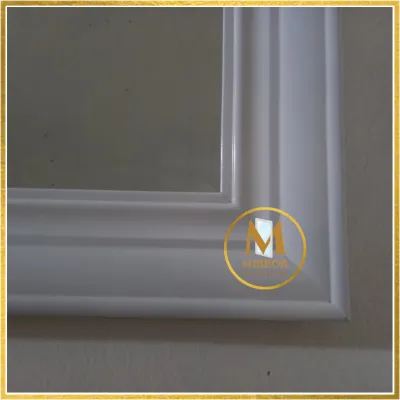
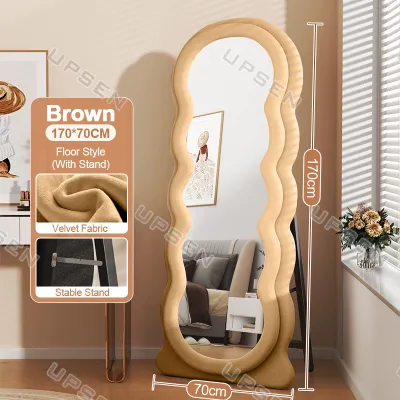
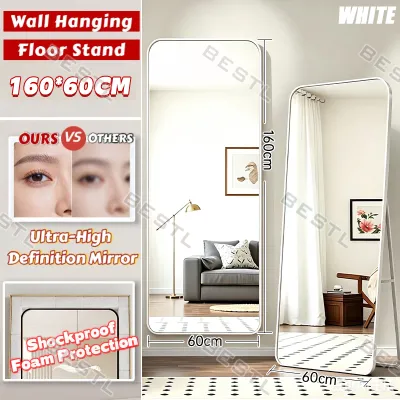
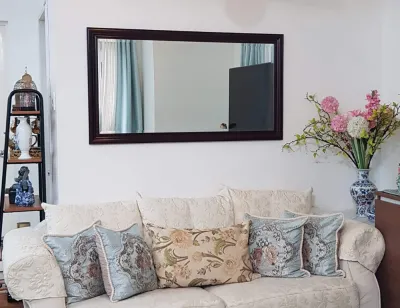
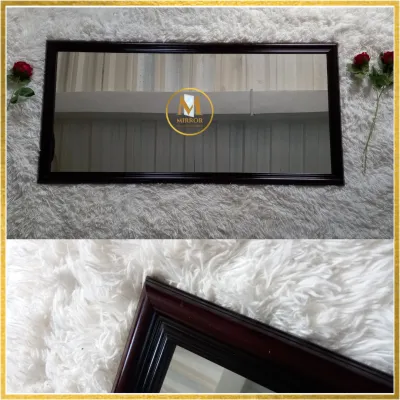
Prices are valid at publication and may change. Please refer to the product page for the latest price.
Finally, locate the room’s natural focal points to avoid reflecting visual clutter. If your mirror directly faces an unmade bed, a busy clothes rack, or an open wardrobe, it will double the appearance of mess. Aim to position the mirror so it reflects clean, organized areas, which helps maintain a serene and spacious atmosphere.
Choose the Right Wall for Maximum Depth
To maximize the illusion of space, position your mirror directly opposite or adjacent to a window. This placement allows the glass to act as an additional window, reflecting the outdoor view—whether it is a tropical garden, sky, or urban landscape. This visual extension breaks the boundary of the solid wall, instantly doubling the perceived depth of the room.

In narrow, corridor-like rooms, placing a full-body mirror perpendicular to the longest wall helps visually widen the space. This setup breaks up the tunnel effect by drawing the eye outward rather than down the narrow length of the room. It creates a lateral sense of openness that balances awkward room proportions and makes tight quarters feel less restrictive.
Be mindful of what the mirror actually reflects to avoid counteracting your efforts. Avoid placing it directly opposite blank, dark walls, busy doorways, or utility areas. Reflecting a dark corner only amplifies the lack of light, while reflecting a busy doorway can make the room feel restless. Instead, aim to reflect open spaces, clean walls, or attractive decor elements.
Determine the Best Height and Angling Techniques
Leaning a full-body mirror against the wall creates a relaxed, contemporary aesthetic. Because the mirror tilts slightly upward, it reflects more of the ceiling rather than the floor. This upward angle draws the eye upward, making low ceilings feel higher. However, leaning setups require strict anti-tip safety measures to prevent accidental tipping, especially in active households.
For exceptionally tight spaces where floor area is at a premium, flat wall-mounting is the ideal choice. Mounting the mirror flush against the wall provides a clean, built-in look and eliminates any footprint on the floor. This method keeps the reflection at eye level, which is excellent for checking outfits while maintaining a streamlined, unobstructed room flow.
If you choose to mount the mirror but want to replicate the vertical expansion of a leaning mirror, you can tilt the top slightly forward. Angling the top of the frame outward by just a few degrees shifts the reflection upward to capture more ceiling space and light. This subtle adjustment can make a compact room feel significantly taller and more airy.
Style and Frame Considerations for Small Spaces
The physical weight of a wood frame can heavily influence spatial perception. In a small room, thick, ornate, or dark wooden frames can feel visually heavy and dominant, potentially shrinking the space. Opt for thin, low-profile frames or lighter wood tones—such as natural ash, light oak, or pine—which blend seamlessly with light-colored walls and maintain a breezy, open feel.
To keep sightlines clear, avoid crowding the area around your mirror with bulky furniture. Pair the mirror with low-profile, minimalist pieces like a simple bench or a slender plant stand. Keeping the floor space immediately in front of and beside the mirror clear allows the reflection to merge naturally with the rest of the room.
If you place lighting near your mirror, ensure it enhances rather than detracts from the space. Position wall sconces or floor lamps to the side of the mirror rather than directly opposite it to avoid harsh glare. When installing any adjacent electrical fixtures, verify the voltage, wattage limits, and installation environment to ensure safety and prevent visual crowding.
Step-by-Step Installation and Safety Checks
Installing a heavy full-body wood frame mirror requires careful structural preparation. Because these mirrors represent a significant suspended load, you must locate wall studs using a stud finder. Never rely on standard drywall anchors for heavy mirrors; instead, use heavy-duty toggle bolts or specialized picture-hanging cleats rated for the mirror’s specific weight. If you are drilling near hidden electrical lines, ensure you isolate the power at the breaker before starting.
Even if you prefer the look of a leaning mirror, it must never be left completely unsecured. Use heavy-duty anti-tip straps or furniture anchors to secure the top of the wood frame directly to a wall stud. This step is crucial in preventing the mirror from sliding forward or tipping over due to vibrations, drafts, or accidental bumps.
Protect your flooring from scratches and prevent the mirror from slipping by applying non-slip rubber pads or heavy-duty felt protectors to the bottom of the wooden frame. In humid tropical climates, moisture can collect under the frame, so using non-slip silicone or rubber pads also helps elevate the wood slightly off the floor, reducing the risk of moisture damage or mold growth.
Your safety is paramount during this process. If your walls are made of solid concrete, masonry, or plaster, or if you are unsure of the structural integrity of your wall, stop the installation immediately. Do not attempt to mount a heavy mirror if the hardware capacity is unclear. Consult a qualified professional carpenter or handyman to ensure a secure, long-lasting installation.
Frequently Asked Questions (FAQ)
Can I place a full-body mirror in a room with no windows?
Yes, you can still create depth in a windowless room by positioning the mirror to reflect a primary artificial light source, such as a bright ceiling pendant or a well-placed floor lamp. Alternatively, angle the mirror toward a well-lit adjacent doorway to pull light from other rooms. Avoid pointing the mirror at dark, unlit corners, which will only emphasize the lack of natural light.
Will a dark wood frame make my small room feel smaller?
Not necessarily. While a dark wood frame has more visual weight, it can create a sophisticated, high-contrast focal point when placed against light-colored walls. To keep the room feeling open, balance the dark frame by matching its tone with other wood elements in the room, such as the flooring or a nearby shelf. This creates a cohesive design thread that guides the eye smoothly across the space.
Community discussion
Share your experience or ask a question. Comments are reviewed before publication.