
Positioning a full-length mirror strategically is one of the most effective, non-structural ways to make a compact room feel double its actual size. By acting as an extra window, a mirror captures ambient light, stretches sightlines, and breaks up the visual monotony of solid walls. In compact urban living spaces, such as studio condominiums or cozy bedrooms, maximizing every square meter is essential. Achieving this spacious illusion requires more than just leaning a mirror against the nearest open wall; it demands a thoughtful understanding of light angles, room traffic, and reflection paths.
Assess Your Room's Light and Layout Before Placement
Before mounting or positioning any heavy decor, take time to observe how your room functions throughout the day. Start by mapping the window positions and tracking the path of natural sunlight from morning to late afternoon. In tropical climates like the Philippines, the angle of the sun shifts dramatically throughout the seasons, and direct afternoon rays can create intense heat and blinding glare if reflected incorrectly.
Next, identify the primary sightlines in the room. Stand at the doorway and sit on your bed or main chair to note where your eyes naturally land. These natural resting points are prime candidates for visual expansion because a mirror placed here instantly extends the room’s perceived boundaries.
Products mentioned in this guide
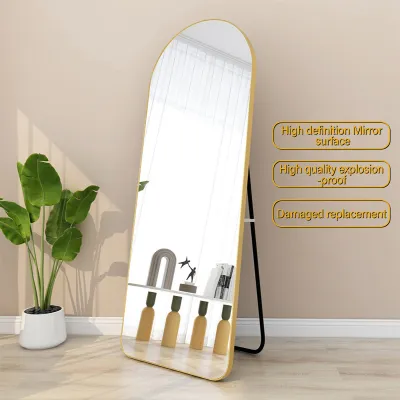
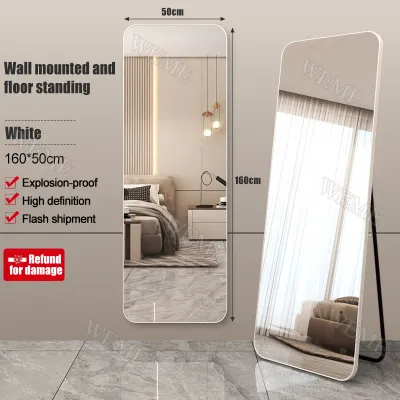
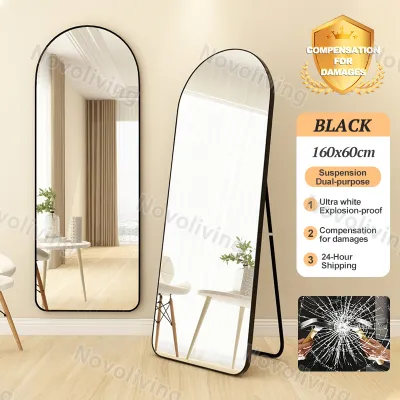
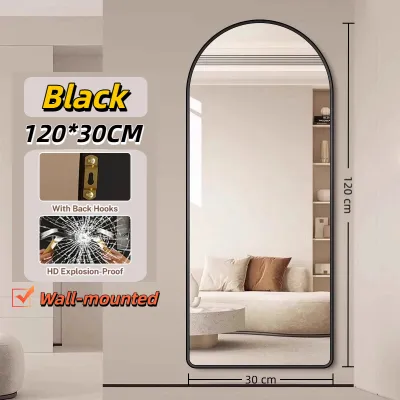
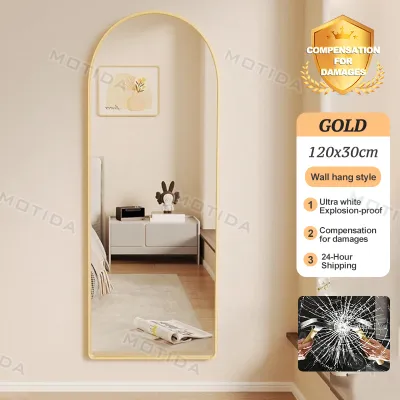
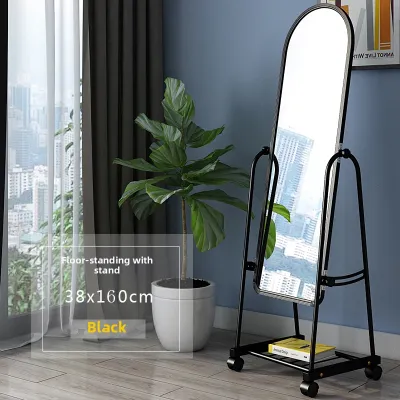
Prices are valid at publication and may change. Please refer to the product page for the latest price.
Finally, audit the room for potential visual clutter. Look for open wardrobes, laundry hampers, or busy shelving units. If a mirror is placed directly opposite these areas, it will duplicate the clutter, making your compact space feel twice as messy and significantly smaller than it actually is.
Best Placement Strategies to Expand Visual Space
The magic of a full-length mirror lies in basic optical principles. By reflecting light and projecting an image of the room back onto itself, a mirror tricks the brain into perceiving a secondary plane of depth. To harness this effect, you must strategically align the mirror with your room’s existing architectural lines and light sources to create a seamless flow.

Reflect Windows and Natural Light
To maximize ambient brightness, position your full-length mirror on a wall that is perpendicular to your main window. This orientation allows the mirror to catch incoming daylight and bounce it deep into the darker corners of the room, instantly softening shadows and making the entire space feel more open.
Alternatively, placing the mirror directly opposite a window can work beautifully if the window frames a pleasant view, such as green foliage or an open sky. However, avoid this opposite placement if it merely reflects a blank concrete wall or a dark, unused corner, as this will only emphasize the room’s physical limitations.
Additionally, pay close attention to the angle of reflection. If the mirror bounces harsh midday sun directly onto your study desk, bed, or television screen, it can cause uncomfortable glare. A slight adjustment—such as tilting a leaning mirror a few degrees or shifting it slightly along the wall—can redirect the light safely while maintaining the bright, airy atmosphere.
Create Depth at the End of a Sightline
One of the most effective ways to trick the eye into perceiving a longer room is to place a full-length mirror at the very end of a primary sightline. Positioning the mirror on the wall directly facing the entryway creates an immediate, welcoming sense of depth the moment you step through the door.
If the entryway layout does not allow this, look for the longest unbroken wall in the room to host the mirror, which helps stretch the room’s perceived width. When choosing this spot, ensure the reflected image shows a clear, unobstructed path rather than the bulky side of a wardrobe or the back of a large armchair.
To elevate the design, use the mirror to visually double an intentional decorative element. Reflecting a neatly styled console table, a vibrant indoor plant, or a piece of minimalist wall art creates a balanced, symmetrical look that makes the room feel sophisticated and spacious.
Bounce Artificial Light and Highlight Focal Points
During the evening, your full-length mirror can continue to expand the room by interacting with indoor lighting fixtures. If you are using a leaning mirror, angle it slightly upward so it catches the soft glow of a floor lamp or a warm pendant light. This technique distributes light across the ceiling and upper walls without reflecting the harsh, bare bulb directly into your eyes.
You can also position the mirror to reflect a curated focal point, such as a styled display shelf or a gallery wall. This double-exposure effect adds layers of visual interest, making the room feel rich and deep rather than flat and confined.
Before finalizing the position, always check the reflection at night from your bed or favorite chair. Ensure the setup creates a warm, layered ambiance rather than casting distracting, concentrated hot spots of light across the room.
Placement Mistakes That Make Your Room Feel Smaller
While a well-placed mirror works wonders, common positioning mistakes can have the opposite effect, making a small room feel incredibly cramped. The most frequent error is reflecting areas of high visual noise. Placing a mirror directly opposite an open closet, a rack of clothes, or a wall covered in busy, high-contrast wallpaper will duplicate the chaos, creating a distracting environment.
Another common mistake is hanging the mirror at an incorrect height. If a full-length mirror is mounted too high, it reflects only the ceiling and cuts off the floor line; if it is too low, it truncates the upper half of the room. This break in spatial continuity shatters the illusion of depth.
Finally, avoid placing a large mirror where it blocks natural traffic flow or in tight corners where you might constantly bump into it. In a compact layout, a mirror placed too close to a blind corner can also trigger a startle reflex when you unexpectedly catch your own reflection, disrupting the sense of peace in your home.
Choose the Right Frame and Proportions for Small Spaces
Selecting the right style and scale of a full-length mirror is crucial for maintaining balance in a small room. Frameless mirrors or those with ultra-thin metal frames are excellent choices for tight spaces. Because they lack a heavy border, they blend seamlessly into the wall, minimizing visual weight and allowing the reflective glass to extend as close to the edges as possible.
On the other hand, ornate, thick wooden frames can serve as beautiful statement pieces, but they demand significant visual breathing room. If you opt for a bold frame, ensure the surrounding wall space is kept completely clear of other decor to prevent the area from looking cluttered.
Always verify the mirror’s physical dimensions against your available wall space before purchasing. Ensure there are clear margins of at least a few inches between the mirror frame and adjacent furniture, light switches, or door frames so the installation looks intentional rather than squeezed in.
Secure Your Mirror: Safe Mounting and Leaning Guidelines
Safety is paramount when installing a heavy full-length mirror, especially in high-traffic areas or compact rooms where space is tight. Before mounting, verify your wall type. Many homes feature concrete or hollow block walls, which require specific masonry drill bits and heavy-duty wall anchors. If you are dealing with drywall, ensure you use anchors rated for the mirror’s exact weight, or mount the brackets directly into the wall studs. For any complex installations, work at height, or heavy suspended loads, always follow the manufacturer’s instructions or consult a qualified professional to ensure a secure fit.
Use a spirit level to guarantee perfect alignment and distribute the weight evenly across all mounting points. If you prefer the look of a leaning mirror, never simply rest it against the wall. Secure the top of the frame to the wall using anti-tip straps or specialized leaning brackets. This simple step prevents the mirror from sliding on smooth tile or polished wood floors, protecting your household from accidental tipping.
Frequently Asked Questions (FAQ)
Is it okay to place a full-length mirror facing the bed?
While placing a full-length mirror directly opposite the bed is common, it is often not recommended for optimal comfort. During the day, morning sunlight can bounce off the glass and create intense glare that disrupts your sleep. At night, headlights from outside or ambient indoor light can reflect off the surface, creating distracting movement. Furthermore, catching a sudden glimpse of your own reflection when waking up in a dark room can trigger an involuntary startle reflex. If your room’s layout forces you to place the mirror facing the bed, try angling it slightly away from your direct line of sight, or use a lightweight, decorative fabric drape to cover the glass before you go to sleep.
How do I clean a large mirror without streaks in a tight space?
Cleaning a large mirror in a compact room requires a controlled approach to avoid overspraying nearby furniture, bedding, or walls. Instead of spraying liquid cleaner directly onto the glass, apply a mild, non-drip glass cleaner or a simple mixture of water and white vinegar onto a clean microfiber cloth. Wipe the mirror surface using a continuous Z-pattern or S-pattern, starting from the top and working your way down to ensure even coverage without missing spots. Once finished, step back and inspect the glass from several different angles under natural light. This allows you to spot any remaining smudges or streaks and buff them out quickly with a dry section of your microfiber cloth.
Community discussion
Share your experience or ask a question. Comments are reviewed before publication.