
A full-length mirror with storage is a highly practical addition to a compact bedroom, serving as both a dressing aid and a hidden organizer. However, because these units are significantly deeper and heavier than standard flat mirrors, their placement requires careful planning. Positioning the mirror correctly can visually double your floor area and maximize ambient light, while a poor placement can make a small room feel cramped. To achieve the illusion of an expansive, airy sanctuary, you must balance the reflective properties of the glass with the physical footprint of the storage cabinet.
Assess Your Bedroom Layout and Light Sources
Before moving a heavy storage mirror, you need to analyze how light and movement flow through your bedroom. Start by identifying your primary light sources, such as a window or balcony door, alongside secondary sources like ceiling fixtures or bedside lamps. In tropical climates like the Philippines, natural light varies intensely throughout the day, meaning a mirror placed directly in the path of afternoon sun can create uncomfortable heat and blinding glare. Observing how daylight moves across your walls helps you pinpoint areas that would benefit most from a reflective surface.
Next, map out the physical traffic paths in the room. A small bedroom often has tight pathways between the bed, wardrobe, and doorway. You must ensure that placing a deep storage mirror does not restrict your daily movement or block the natural swing of doors. Measure the door swing clearances of your bedroom door, closet doors, and even the mirror’s own cabinet doors or drawers.
Products mentioned in this guide
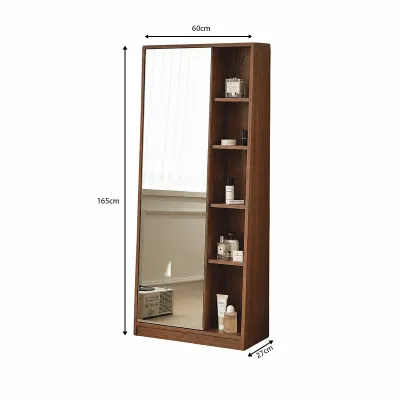
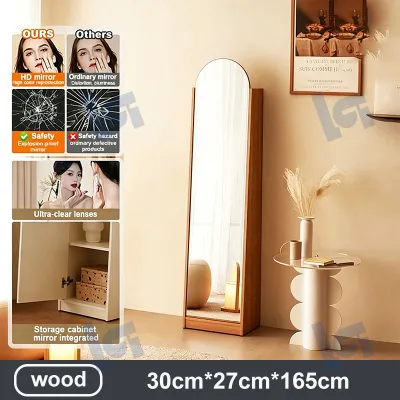
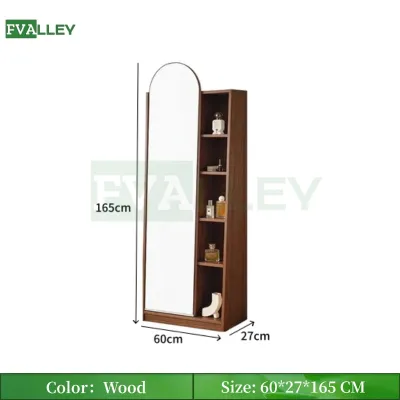
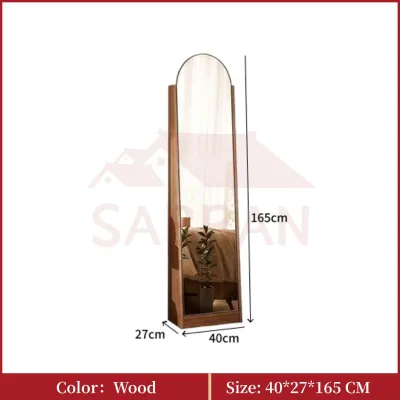
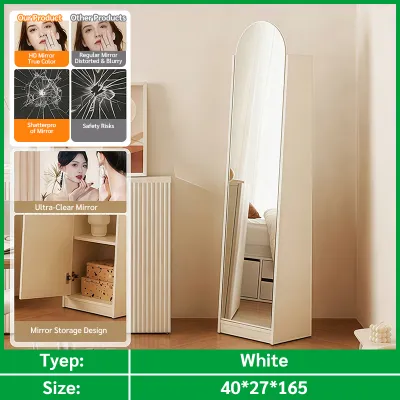
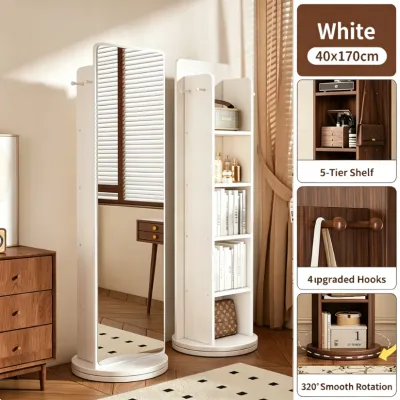

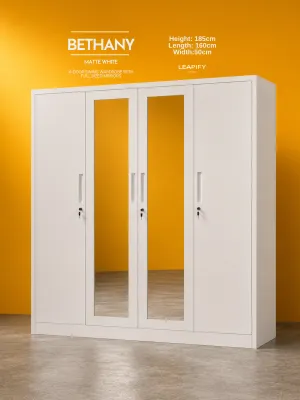
Prices are valid at publication and may change. Please refer to the product page for the latest price.
Finally, take precise measurements of the floor footprint and the vertical clearance. A freestanding swivel mirror or a slide-out cabinet requires extra physical space to operate. If you must squeeze past the unit to reach your bed, or if a drawer cannot open fully because it hits the bed frame, the storage aspect becomes a source of frustration rather than convenience. Ensure there is at least a 60-centimeter clearance zone in front of any opening compartments.
Optimal Placement Strategies for a Full Mirror with Storage
Balancing the dual role of optical reflection and physical storage depth is the key to successful placement in a compact space. While the mirror glass works to push the walls outward visually, the bulky cabinet behind it can easily crowd a narrow room if left in the wrong spot. The goal is to position the unit where its reflective face is highly visible, while its physical depth blends seamlessly into the room’s existing architecture.

Opposite a Window to Bounce Natural Light
Placing your storage mirror opposite a window is an excellent way to make a small bedroom feel bright and open. By aligning the mirror to capture the widest angle of the window, you effectively bring the outdoors inside, reflecting the sky or nearby greenery. This visual extension tricks the brain into perceiving a larger space while distributing natural daylight deeper into darker corners of the room.
However, you must ensure the physical depth of the storage cabinet does not cast heavy shadows or block the window sill itself. If the cabinet is too thick, it can obstruct the very light you want to capture, creating a gloomy pocket right next to the glass. Position the unit slightly angled or offset from the window frame to allow light to pass freely.
Additionally, check for direct glare on your bed or seating areas during peak sunlight hours. In high-heat regions, intense midday reflections can raise the perceived temperature of your sleeping area or make it difficult to rest. Testing the reflection at different times of the day ensures you capture soft, ambient light rather than a harsh, direct beam.
Adjacent to the Bed or in a Corner to Create Depth
If placing the mirror opposite a window is not feasible, positioning it on a wall adjacent to the bed or tucked into a corner is an excellent alternative. When you mount or stand the mirror on a perpendicular wall, it reflects the longest dimension of the room, instantly breaking up the boxy feel of a standard four-walled layout. This setup allows your eyes to travel further, making the room feel wider than its actual dimensions.
For freestanding or leaning storage mirrors, angling the unit slightly in a corner can soften sharp, rigid wall intersections. This angled placement creates a dynamic sightline that draws the eye upward and outward, distracting from the limited floor area. It also utilizes a corner space that might otherwise remain empty and unproductive.
When using this strategy, you must maintain enough physical clearance to access the storage shelves or drawers comfortably. Ensure that opening the mirror’s side panels or sliding compartments does not require you to squeeze against the bed frame or nightstand. A minimum clearance allows you to retrieve your accessories or clothing without risking bumps or bruises in the morning rush.
Behind a Door or in a Narrow Alcove for Hidden Storage
Utilizing dead space is a classic small-space design tactic, and a full-length mirror with storage fits perfectly into underutilized areas like alcoves or the space behind a bedroom door. This placement keeps the bulky storage cabinet out of your main sightline while keeping the reflective surface accessible for daily outfit checks. It is an ideal solution for maintaining a minimalist, clutter-free aesthetic.
If you plan to mount a lightweight storage mirror directly onto a door, you must verify the door’s swing radius and hinge weight limits. Heavy wooden or MDF storage mirrors can strain standard door hinges over time, leading to sagging or alignment issues. Ensure the door can open and close smoothly without the back of the mirror striking the wall or adjacent furniture.
For recessed alcoves, measure the depth carefully to ensure the mirror’s storage protrusion does not spill out into primary walkways. When the storage doors are closed, the flat mirror surface should ideally sit flush with or slightly recessed into the alcove, visually erasing the awkward wall indentation. This creates a clean, continuous plane that makes the entire wall feel unified and spacious.
What to Avoid When Positioning Your Mirror
While a mirror can work wonders for a small room, poor placement can easily backfire, doubling the visual clutter and making the space feel chaotic. One of the most common mistakes is positioning the mirror so that it reflects cluttered areas, such as an open wardrobe, a laundry basket, or messy storage shelves. Because mirrors replicate whatever is in front of them, reflecting disorganization will instantly make your bedroom feel twice as crowded and disorganized.
You should also prevent direct reflections of bright artificial lights, such as exposed overhead bulbs or intense bedside reading lamps. At night, these reflections can cause distracting glare, making it difficult to wind down and disrupt your sleep patterns. Position the mirror at an angle where it catches ambient glow rather than the direct beam of a light bulb.
Avoid placing the mirror directly at the foot of your bed if possible. Many people find seeing their own reflection first thing in the morning or in the middle of the night startling, which can disrupt sleep comfort. Furthermore, placing a deep storage unit at the foot of the bed often blocks the primary walkway between the bed and the wall, creating a physical bottleneck that compromises the room’s usability.
Styling and Accessorizing Around the Mirror
To enhance the space-expanding effect of your mirror, the surrounding decor should complement rather than compete with the unit. Keep the top and immediate sides of the storage mirror completely clear. Hanging bags, hats, or scarves over the corners of the frame breaks up the clean, uninterrupted reflective lines, immediately shrinking the visual field and making the mirror look like a cluttered coat rack.
If your storage mirror features open shelves on the sides or bottom, be mindful of what you place on them. Opt for light-colored, neutral, or translucent decor items, such as clear glass jars, light ceramic dishes, or small plants. Heavy, dark-colored books or bulky boxes on open shelves add visual weight, which can make the entire unit look massive and imposing in a small room.
Additionally, coordinate the mirror’s frame and hardware with the rest of your bedroom’s design elements. If your cabinet handles, light fixtures, or curtain rods are matte black or brushed brass, choosing a mirror frame with similar accents creates a cohesive, streamlined look. This design continuity prevents the eye from snagging on mismatched details, allowing the room to feel more open and harmonious.
Safety and Installation Checks for Heavy Storage Mirrors
Because full-length mirrors with integrated storage hold jewelry, cosmetics, or clothing, they are significantly heavier than standard decorative mirrors. Ensuring structural safety is paramount to prevent accidents, especially in regions prone to seismic activity or high humidity that can weaken wall materials. Always check the manufacturer’s specified weight limits for both the overall frame and the individual internal shelves before loading your items.
For wall-mounted units, never rely on simple nails or standard plastic plugs in drywall or hollow concrete blocks. You must identify the wall studs using a stud finder or use heavy-duty toggle bolts and anchors rated for the fully loaded weight of the mirror. If you are mounting the mirror onto concrete or masonry walls, which are common in many homes, use appropriate masonry anchors and a hammer drill to ensure a secure hold. Budgeting around ₱500 for high-quality, heavy-duty anchors is a small price to pay for long-term peace of mind.
Freestanding or leaning models must always be secured to the wall with anti-tip straps or brackets, even if they feel stable on their own. The shifting weight of opening drawers or swinging doors can easily alter the center of gravity, causing the unit to tip forward. This is especially critical if you have pets or young children visiting your space.
If you encounter uncertain wall conditions, suspect hidden electrical wiring or plumbing behind the plaster, or feel uncomfortable handling a heavy installation at height, stop immediately. It is always safer to consult a qualified local professional or carpenter to handle the mounting, ensuring your investment remains securely attached to the wall.
Frequently Asked Questions (FAQ)
Can I place a full-length storage mirror on a carpeted floor?
Yes, but you must take extra precautions to ensure stability. Carpeted floors and thick rugs can cause freestanding mirrors to wobble or lean forward, especially when the storage compartments are fully loaded or opened. Check for any wobble by gently nudging the frame, and use rigid leveling pads or shims under the base to create a flat, stable foundation. Regardless of the floor surface, always install an anti-tip wall anchor to prevent the mirror from tipping over during daily use.
How do I clean the mirror glass without damaging the storage finish?
To protect both the glass and the cabinet material, never spray glass cleaner directly onto the mirror surface. Liquid can easily run down the glass and seep into the wooden joints, MDF edges, or metal seams of the storage frame, leading to swelling, warping, or rust over time. Instead, spray a small amount of glass cleaner onto a clean microfiber cloth and gently wipe the glass. Always check the manufacturer’s care instructions for your specific wood, veneer, or painted finish to ensure you do not use harsh chemicals that could strip the protective coating.

Community discussion
Share your experience or ask a question. Comments are reviewed before publication.