
To make a small room look bigger, position your full-length standing mirror where it can capture natural light from a window and reflect the room’s longest visual axis. Angling the mirror slightly upward and placing it adjacent to light sources creates an illusion of depth that breaks the physical boundaries of a cramped room. Selecting and positioning a mirror stand whole body unit strategically does more than provide a convenient spot for daily outfit checks; it serves as an active architectural tool that alters how your brain perceives physical space.
In compact living environments, such as urban condominiums or cozy studio apartments, floor space is at a premium. A freestanding mirror offers a flexible, non-permanent solution to spatial constraints. Unlike wall-mounted mirrors that require drilling and permanent placement, a standing mirror with its own support structure can be adjusted, angled, and relocated as your layout or lighting needs change throughout the year.
How Light and Reflection Expand Small Spaces
The human brain relies heavily on visual cues to determine the boundaries of a room. When you look at a mirror, your eyes perceive the reflected scene as a continuation of the physical room, effectively doubling the perceived depth along that sightline. By reflecting the longest uninterrupted line of sight in your room—such as from one corner diagonally to another—you trick the eye into seeing an expansive layout rather than a confined box.
Products mentioned in this guide
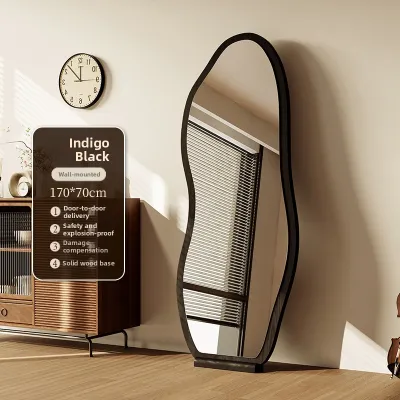
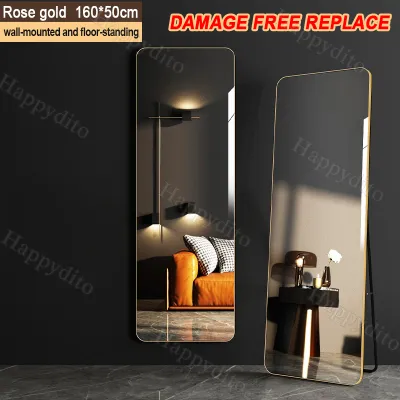
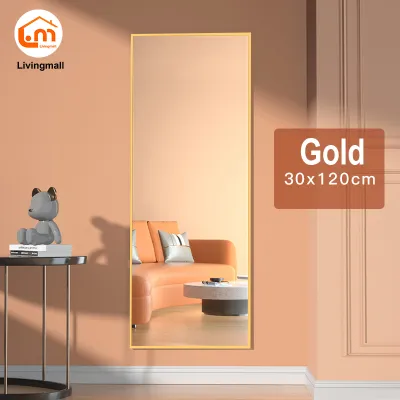
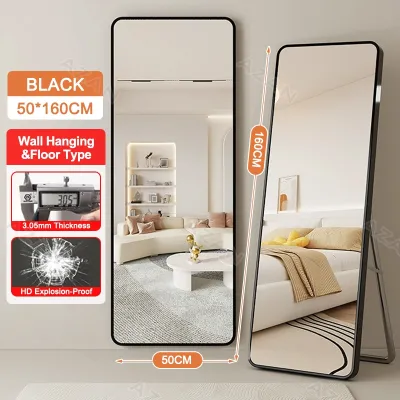
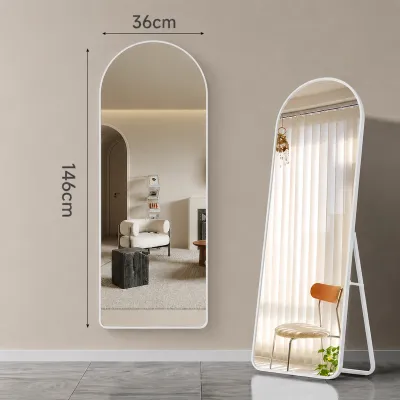
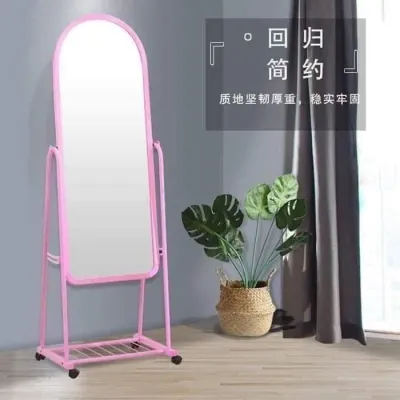
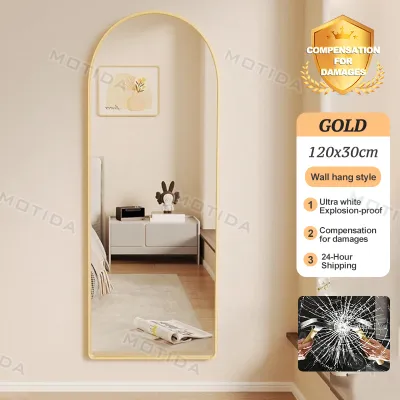
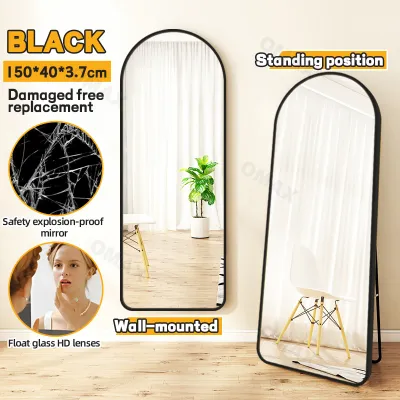
Prices are valid at publication and may change. Please refer to the product page for the latest price.
Light plays an equally critical role in this optical transformation. Dark, shadowed areas naturally make a room feel smaller and more restrictive. Mirrors act as passive light amplifiers. When natural light from the outdoors or artificial light from lamps hits the reflective surface, it bounces across the room, illuminating dark corners and softening harsh shadows. In tropical climates like the Philippines, where bright daylight is abundant but deep interior layouts can sometimes feel shaded, capitalizing on this natural illumination can instantly make your home feel more breathable and airy.
However, it is important to establish realistic expectations. A mirror cannot physically add square meters to your floor plan. Instead, it alters spatial perception by opening up the visual field and maximizing the efficiency of your existing light sources. Understanding this distinction allows you to focus on strategic placement rather than simply buying the largest mirror available.
The Best Spots to Place a Freestanding Floor Mirror
Finding the perfect location for a freestanding mirror requires balancing daily functionality with spatial aesthetics. The goal is to place the mirror where it can capture the most light and reflect the most open areas of the room.

Opposite or Adjacent to Windows
Placing your mirror directly opposite or perpendicular to a window is the most effective way to maximize daylight reflection. When the mirror is positioned adjacent to a window, it catches the incoming light at an angle, bouncing it deep into the darker recesses of the room. This setup creates a secondary “window” effect, tricking the mind into believing there is another source of natural light on an otherwise solid wall.
To elevate this effect, adjust the angle of the mirror to capture outdoor views, such as the sky, treetops, or garden greenery. Bringing these natural elements indoors breaks the visual barrier of your walls and establishes a connection with the outside world. This visual extension is particularly refreshing in dense urban neighborhoods, where a glimpse of nature can make a compact bedroom or living room feel significantly more open.
Behind Furniture or Focal Points
A common mistake is assuming a standing mirror must stand completely isolated. In fact, placing a freestanding mirror behind low-profile furniture—such as a sofa, a console table, or a bedside table—creates a layered, three-dimensional look. The furniture partially overlaps the frame, which makes the mirror look like an architectural opening or an alcove rather than a simple decorative accessory.
When using this technique, ensure the reflective surface remains largely unobstructed. The bottom portion of the mirror can sit behind the furniture, but the middle and upper sections must remain clear to allow light and sightlines to bounce freely. Avoid blocking the mirror with tall, bulky items like heavy armchairs or large storage bins, as this will disrupt the spatial illusion and make the area feel cluttered.
In Tight Corners or Narrow Pathways
Awkward corners and tight pathways are notorious for trapping shadows and making a home feel restrictive. Tucking a standing mirror into a dark, underutilized corner immediately bounces light back into that dead space, softening the hard, boxy angles of the room. This simple adjustment can transform a forgotten corner into an active design feature.
In narrow hallways or entryways, placing a mirror at the far end visually doubles the length of the path. As you walk toward it, the reflection creates an illusion of continuous passage rather than a sudden dead end. If the hallway is exceptionally narrow, ensure the mirror’s base does not protrude into the walking path, as physical bottlenecks will quickly negate any visual benefits of spatial expansion.
Angling and Alignment Techniques for a Mirror Stand Whole Body
Optimizing a mirror stand whole body setup requires understanding how vertical and horizontal angles affect your room’s sightlines. Simply placing a mirror flat against a wall provides a standard reflection, but subtle adjustments to its tilt and alignment can dramatically enhance the feeling of height and depth.
The “leaning” technique is highly effective for making low ceilings feel taller. By slightly tilting a tall floor mirror backward so the top rests closer to the wall while the base extends outward, you shift the angle of reflection. Instead of reflecting the floor or mid-level furniture, the mirror captures more of the ceiling and upper walls. This upward tilt draws the viewer’s eyes toward the higher points of the room, creating an illusion of loftiness and vertical space.
Alignment is equally crucial. You should align the center of the mirror with the room’s primary sightlines—the views you see immediately upon entering the space or when sitting in your favorite chair. Directing the mirror to reflect a well-lit window, a beautiful piece of artwork, or a clean accent wall ensures that what is reflected is visually pleasing. Avoid aligning the mirror so that it reflects blank, unadorned walls, as this creates a cold, sterile atmosphere that does not contribute to the illusion of depth.
When selecting a mirror, pay close attention to height and proportion. The mirror must be tall enough to serve as a functional mirror stand for whole body reflections without overwhelming the room’s width. A tall, slender mirror provides the necessary vertical reflection while leaving adjacent wall space open, preventing the room from feeling crowded.
Before finalizing your mirror’s position, always perform a verification check. Step back to the room’s main entry point and observe the reflection. Ask yourself: Does the reflection show an open path or a cramped corner? Is the light being bounced into a dark area? Adjust the angle of the frame incrementally until you achieve the maximum sense of visual openness.
Securing Your Mirror: Safety and Stability Tips
While a freestanding mirror is a fantastic design asset, its height and weight present clear physical risks if not properly secured. Heavy, top-leaning mirrors pose a significant tipping hazard, particularly in households with active children, curious pets, or in regions prone to seismic activity like the Philippines. Ensuring structural stability must always take priority over aesthetic placement.
Before setting up your mirror, thoroughly read the manufacturer’s assembly and installation instructions. Check the integrity of the base, the distribution of weight, and the recommended clearance space. If you are using an illuminated or LED-integrated standing mirror, verify the electrical specifications first. Ensure the unit is rated for 220V, carries appropriate electrical safety certifications (such as the PS or ICC mark), and is kept away from damp areas unless explicitly rated for high-humidity environments. Always isolate the power supply before handling any fixed electrical connections.
To prevent the base of a leaning mirror from sliding forward on smooth surfaces—such as polished ceramic tiles, marble, or hardwood floors—install high-quality, non-slip rubber or silicone furniture pads beneath the frame’s contact points. These pads provide the necessary friction to keep the base firmly in place. A sturdy freestanding mirror typically ranges from ₱3,500 to over ₱12,000 depending on the frame material, and protecting this investment starts with a stable foundation.
For absolute safety, especially in high-traffic areas, secure the top or back of the frame to the wall using anti-tip straps, heavy-duty wall anchors, or specialized museum wax. If the product does not include mounting hardware, if your wall material is difficult to identify (such as hollow concrete blocks common in local construction), or if the installation instructions conflict with your home’s structure, stop immediately. Do not attempt to guess the correct anchor type; instead, consult a qualified professional or a local handyman to ensure the mirror is anchored securely.
Placement Mistakes That Shrink Your Room
Even the most beautiful mirror can make a room feel smaller if placed incorrectly. Avoiding common placement pitfalls ensures your mirror works to expand your space rather than clutter it.
One of the most frequent mistakes is reflecting clutter. If your mirror faces an open wardrobe, a laundry basket, or a busy storage shelf, it will visually double the clutter, making the room feel twice as chaotic and cramped. Always position the mirror so its reflection captures clean, organized, and minimalist areas of your home.
Another error is reflecting a “dead end,” such as a closed door or a blank, dark wall. This placement halts the eye’s movement and emphasizes the physical boundaries of the room, completely defeating the illusion of depth. Instead, aim the reflection toward open doorways, corridors, or bright windows to keep the visual journey moving forward.
Be mindful of harsh, direct sunlight. In tropical regions, direct midday sun hitting a mirror can create a blinding glare that makes the room uncomfortable to inhabit. Over time, intense ultraviolet rays reflected onto nearby fabrics, carpets, or wooden flooring can also cause premature fading and material degradation. Position your mirror where it catches ambient, indirect light rather than direct, scorching sunbeams.
Finally, avoid placing large freestanding mirrors directly in primary walking paths. If you have to squeeze past a mirror or worry about knocking it over every time you cross the room, it creates a physical bottleneck. A home that feels physically restrictive will never feel visually spacious, no matter how much light the mirror reflects. Keep walkways clear and tuck the mirror’s base safely out of the flow of foot traffic.
Frequently Asked Questions (FAQ)
Can a floor mirror make a room look darker?
No, mirrors do not absorb light; they reflect it. However, if a mirror is placed directly facing a dark, unlit corner or a deep, shadow-filled alcove, it will reflect that darkness back into the room. To maintain a bright, expansive atmosphere, always ensure the mirror is angled toward a light source, a brightly painted wall, or a window that receives natural light.
Should a full-length mirror be wider or taller for a small room?
For small rooms, a taller and narrower full-length mirror is generally the superior choice. Taller mirrors draw the eye upward toward the ceiling, emphasizing vertical space and making the room feel loftier. Excessively wide mirrors can dominate a narrow wall, crowd your furniture layout, and make the room feel horizontally restricted. A slender profile provides a complete view of your outfit while preserving valuable wall and floor space.

Community discussion
Share your experience or ask a question. Comments are reviewed before publication.