
A gold mirror is one of the most effective design tools for visually expanding a compact living space. By bouncing ambient light, extending sightlines, and introducing a warm, reflective focal point, strategic placement can make a small room feel twice its actual size.
The key lies in positioning the mirror to capture light sources, choosing the right scale, and ensuring the frame style matches the room’s proportions. Whether you are decorating a cozy studio condo in Manila or a compact suburban bedroom, understanding how to position this versatile accent can transform your interior from cramped to spacious.
How Mirrors Create the Illusion of Space
Mirrors do not simply reflect images; they actively manipulate how our brains perceive physical boundaries. In a small room, solid walls act as visual dead ends that immediately signal confinement.
Products mentioned in this guide
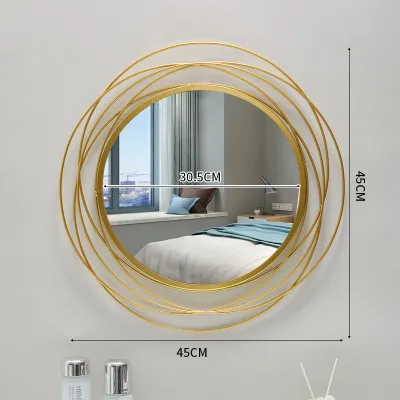
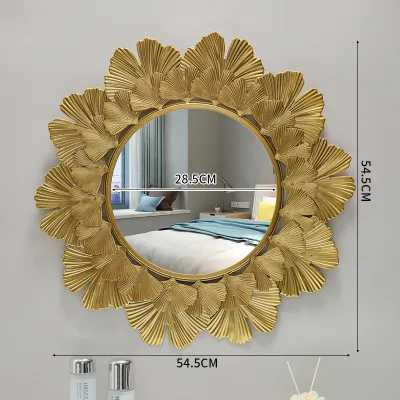
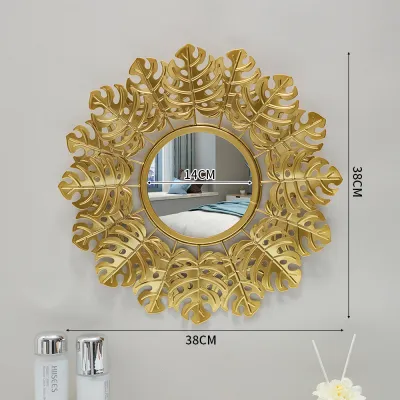
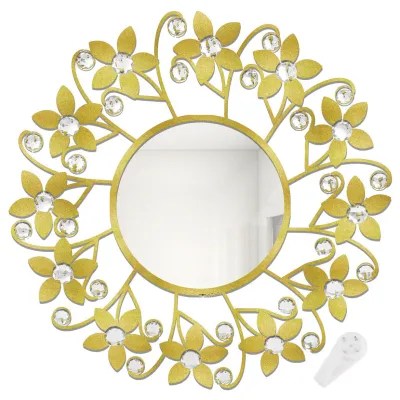
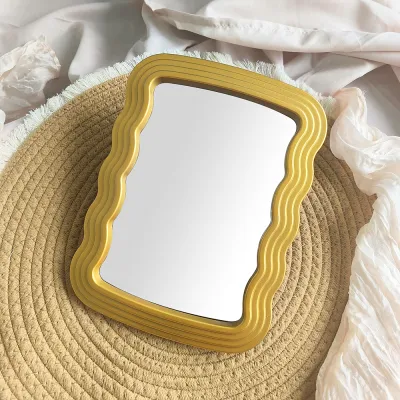
Prices are valid at publication and may change. Please refer to the product page for the latest price.
When you place a gold mirror on a wall, the reflective glass surface acts as an optical window, tricking the eye into perceiving depth where a solid barrier exists. This illusion of extended sightlines immediately makes a cramped layout feel more breathable and open.
Light distribution is equally critical in spatial perception. In many urban homes, deep rooms often suffer from dark, neglected corners that make the entire space feel smaller.
A mirror captures incoming light—whether from a window or a nearby light fixture—and bounces it across the room. This increased brightness eliminates shadows that visually shrink a space, making every corner feel active and integrated.
The gold frame itself plays a unique role in this spatial transformation. Unlike cold silver or stark black frames, a gold frame introduces a warm, reflective border that draws the eye without creating a harsh visual stop.
The metallic finish catches ambient light, adding a layer of sophisticated warmth that complements tropical interiors. However, the scale of the frame must be carefully balanced; an overly thick, heavy frame can overwhelm a small wall, while a sleek or thin gold profile allows the glass to do its job of expanding the room.
Step-by-Step Placement Strategies for Small Rooms
Opposite or Adjacent to Windows
To maximize the light-amplifying power of your mirror, positioning it relative to your primary natural light source is highly effective. Placing a gold mirror directly opposite or perpendicular to a window allows it to catch the abundant daytime sunlight and throw it deep into the room’s interior.

This setup is particularly beneficial in tropical climates where bright, natural light is abundant throughout the day, helping to reduce the need for artificial lighting during afternoon hours.
However, direct positioning requires a careful eye to avoid uncomfortable glare. If a mirror is placed where it receives intense, direct afternoon sun, it can reflect a blinding beam of light into seating areas.
To prevent this, slightly angle the mirror or position it on an adjacent wall. This angle still captures the outdoor view and the ambient daylight, effectively bringing a slice of the outdoors inside, which visually breaks down the room’s physical boundaries.
Behind Furniture or in Tight Corners
Cramped furniture arrangements can make a small room feel crowded and restricted. You can dissolve these boundaries by placing a large gold mirror directly behind key furniture pieces, such as a sofa, a console table, or a bed headboard.
When a mirror sits behind a major piece of furniture, it creates the illusion that the room continues behind the object, rather than stopping abruptly at the wall.
Dark, unused corners are another common spatial challenge in compact layouts. These areas often collect shadows, making the room feel smaller than its actual dimensions.
Installing a tall, narrow gold mirror in a dim corner transforms a dead space into an intentional, light-filled alcove. The gold frame catches the light from surrounding areas, drawing attention to the corner and visually pushing the walls outward.
In Narrow Hallways or Entryways
Transitional spaces like hallways and entryways are often the narrowest parts of a home, sometimes feeling claustrophobic. The orientation of your gold mirror can dramatically alter these proportions.
If you have a long, narrow corridor, hanging a rectangular gold mirror horizontally along the side wall helps visually widen the passage, making the walls feel further apart.
Conversely, in a small entryway with a low ceiling, hanging a mirror vertically is the better approach. The vertical orientation draws the eye upward, emphasizing the height of the space rather than its narrow width.
For an ultimate depth-enhancing trick, place a large mirror at the very end of a hallway. This placement visually doubles the length of the corridor, creating an intriguing sense of endless space as soon as you step through the door.
Leaning vs. Wall-Mounting
Deciding whether to lean a large gold mirror against the wall or mount it depends on your specific spatial limits and aesthetic goals. Leaning an oversized floor mirror adds a relaxed, contemporary vibe.
Because the mirror tilts slightly upward, it reflects more of the ceiling and upper walls, which can make a room feel taller and more dynamic. However, leaning mirrors do occupy a small amount of valuable floor space, which might not be ideal for extremely tight rooms.
Wall-mounting, on the other hand, keeps the floor completely clear, maximizing walkable space. This is often the preferred choice for tight pathways or compact bedrooms. Regardless of the method you choose, safety must be your primary concern.
Safety and Installation Guidelines:
- Verify Wall Structure: Before mounting any heavy mirror, verify the wall structure. Use a stud finder to locate wall studs, or utilize heavy-duty wall anchors specifically rated for the mirror’s exact weight.
- Secure Leaning Mirrors: For leaning mirrors, never rely solely on gravity, especially in households with pets or children, or in regions prone to seismic activity. You must secure the frame to the wall using furniture straps, safety cables, or heavy-duty D-rings attached to studs.
- Damp Environments: If you are mounting a mirror in a damp environment like a bathroom, ensure the backing is moisture-resistant to prevent silvering damage, and consult a qualified professional for secure installation on tiled surfaces.
Selecting the Right Size, Shape, and Frame Thickness
Choosing the right gold mirror involves balancing its physical dimensions with its visual weight. The frame’s thickness is a critical factor. While ornate, thick baroque gold frames are beautiful, they carry heavy visual weight that can crowd a small room.
For compact spaces, opt for thin, minimalist gold metal frames or beveled glass mirrors with subtle gold accents. These styles provide the warmth of gold without dominating the wall space.
When considering size, a common mistake is choosing a mirror that is too small out of fear of overwhelming the room. In reality, a single oversized statement mirror is far more effective at expanding a space than a collection of small mirrors.
A gallery wall of small mirrors breaks up the reflection, creating visual fragmentation that can make a room feel cluttered and busy. A single large mirror provides a continuous, uninterrupted reflection that maximizes the illusion of depth.
The shape of the mirror also influences how space is perceived. Round or oval gold mirrors are excellent for softening the rigid, boxy lines of typical small rooms. They break up the hard angles of walls and furniture, creating a more flowing, organic feel.
Rectangular mirrors, when hung vertically, are ideal for emphasizing vertical space and drawing attention to high ceilings, while horizontal rectangular mirrors stretch the perceived width of a wall.
Styling and Lighting Tips to Maximize the Illusion
To get the most out of your gold mirror, you must curate what it reflects. A mirror simply duplicates whatever is in front of it. If it faces a blank, sterile wall or a cluttered shelf, it will double that emptiness or clutter.
Position your mirror so that its reflection captures something visually appealing, such as a vibrant indoor plant, a piece of artwork, or a beautifully styled bookshelf. This adds depth and visual interest, making the room feel richer and more open.
Color coordination is another powerful tool. Pair your gold-framed mirror with light, neutral, or cool-toned wall colors such as soft whites, light grays, or pale blues.
Because gold is a warm tone, placing it against a very warm or dark wall can make a small room feel cozy but enclosed. Light, cool backdrops allow the gold frame to pop as a clean accent while keeping the overall atmosphere bright and airy.
Artificial lighting can also be strategically amplified. Positioning wall sconces, floor lamps, or table lamps near your gold mirror allows the light to bounce off the glass and the metallic frame during the evening.
Electrical and Lighting Safety:
- Power Isolation: If you plan to install wall sconces or backlighting around your mirror, always turn off the power at the circuit breaker before beginning any electrical work.
- Certification and Wattage: Ensure all light fixtures are certified by local safety standards and do not exceed the maximum wattage limit of your fixtures.
- Professional Installation: For integrated LED mirrors or complex wiring in damp areas like bathrooms, hire a licensed electrician to handle the installation safely.
Common Placement Mistakes That Shrink Your Room
While mirrors are excellent space-expanders, poor placement can have the opposite effect. One of the most frequent mistakes is reflecting clutter. If a mirror is positioned opposite an open wardrobe, a desk covered in paperwork, or a tangle of electronic cables, it doubles the visual noise.
This makes the room feel chaotic and significantly smaller than it actually is. Keep the reflected zone tidy to maintain the illusion of open space.
Another common error is hanging the mirror too high. When a mirror is mounted too close to the ceiling, it primarily reflects the upper walls and ceiling fixtures, cutting off the reflection of the living space below.
This breaks the optical illusion of an extended room. To maintain the illusion of depth, the mirror should be hung at a height where it reflects the actual living area, including furniture and floor transitions.
Finally, avoid competing metallic finishes in close proximity. While mixing metals can be stylish, cluttering a small space with too many contrasting finishes—such as shiny gold, polished chrome, and rustic bronze all on one wall—creates a disjointed and busy aesthetic.
Keep your metal accents cohesive, allowing your gold mirror to stand out as a primary, elegant focal point. In terms of cost, quality mirrors in the local market can range from budget-friendly options starting around ₱1,500 to premium statement pieces exceeding ₱10,000, depending on the glass quality and frame craftsmanship.
Frequently Asked Questions (FAQ)
Can a gold mirror make a small room look too dark or heavy?
While gold is a rich, warm tone, the reflective glass of the mirror inherently brings light into a room, offsetting any visual weight. To prevent a gold frame from feeling too heavy, select a sleek, thin profile or a brushed gold finish rather than a thick, highly ornate frame. Ensuring the room has adequate baseline lighting—both natural and artificial—will keep the gold accent looking bright, sophisticated, and uplifting.
How high should I hang a gold mirror in a small room?
As a general rule, a wall-mounted mirror should be hung so that its center is at average eye level, which is approximately 57 to 60 inches (145 to 152 cm) from the floor. If you are positioning the mirror above a piece of furniture like a console table or a sofa, leave a gap of about 6 to 8 inches (15 to 20 cm) between the bottom of the frame and the top of the furniture to ensure a balanced, cohesive look.

Community discussion
Share your experience or ask a question. Comments are reviewed before publication.