
Hanging a mirror to expand a small room relies on a simple optical principle: redirecting light and extending the sightline of the space. By positioning a mirror where it can capture natural light and reflect open areas rather than cluttered corners, you instantly double the perceived depth of a compact room. The key is to treat the mirror not just as a wall ornament, but as an extra window that introduces light, movement, and dimension.
To achieve this effect, you must carefully coordinate the mirror’s placement with your room’s existing layout, light sources, and structural features. A misplaced mirror can inadvertently highlight cramped corners, create distracting glare, or make a room feel chaotic. Understanding how to assess your space, choose the right mirror specifications, and mount it securely will transform a tight room into an airy, welcoming environment.
Assess Your Room's Light and Focal Points
Before hammering any nails or drilling into your walls, take a detailed look at how light and movement flow through the room. Observe the space at different times of the day to see where natural sunlight enters and how your artificial light fixtures distribute brightness. A mirror placed in a permanently dark corner will only reflect darkness, failing to contribute to the illusion of a larger room.
Products mentioned in this guide
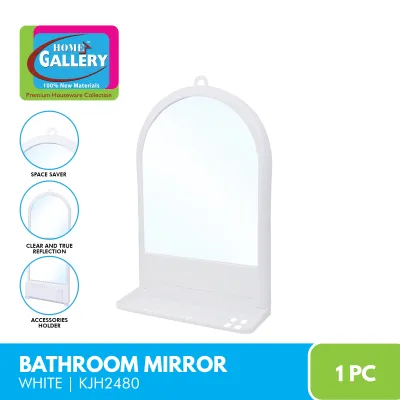
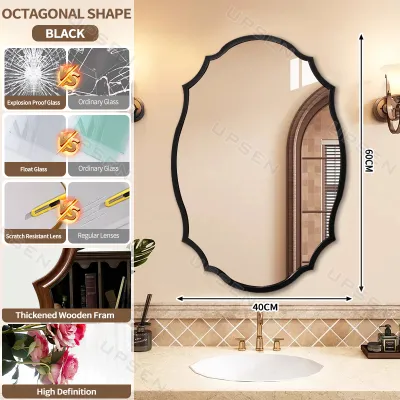
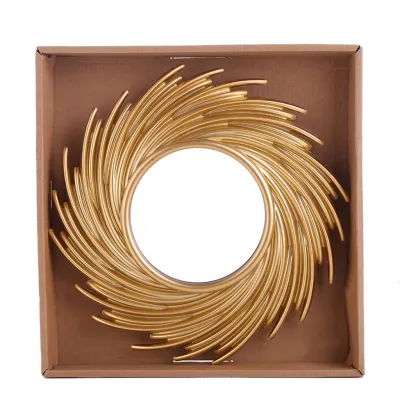
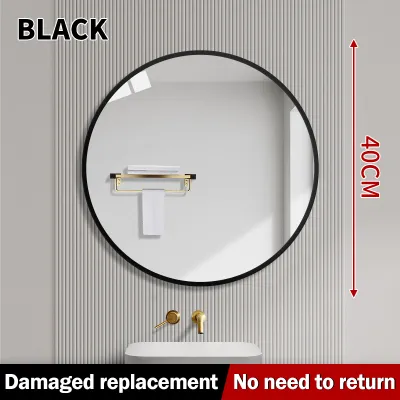
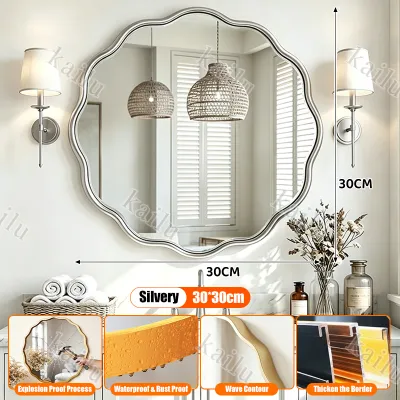
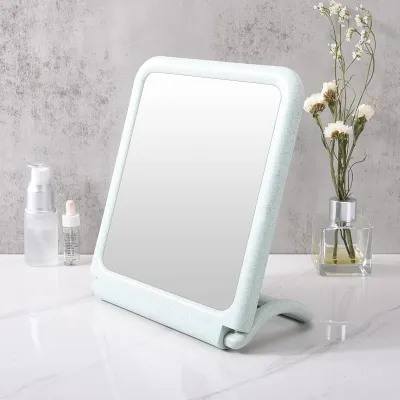

Prices are valid at publication and may change. Please refer to the product page for the latest price.
Next, identify the specific areas you want to avoid reflecting. If your mirror directly faces an open closet, a utility shelf, or a busy workspace, it will duplicate the visual clutter, making the room feel twice as crowded. Instead, aim to position the mirror so its reflection captures clean, open spaces, minimalist decor, or an attractive architectural feature.
You should also determine the primary focal point of the room that you want to amplify. In a small living room, this might be a beautifully styled bookshelf, a minimalist console table, or an accent wall. By reflecting a curated focal point, you create a sense of symmetry and intentional design that draws the eye deeper into the room, distracting from the actual physical boundaries of the walls.
Best Placement Strategies for Visual Expansion
The strategic placement of a hanging mirror relies on manipulating angles to alter spatial perception. When a mirror is positioned correctly, it tricks the brain into perceiving a physical opening where a solid wall actually stands, effectively extending the room’s boundaries.

Opposite a Window or Light Source
Placing a hanging mirror directly opposite or adjacent to a window is one of the most effective ways to brighten a compact room. This positioning allows the mirror to catch incoming natural light and bounce it deep into the darker areas of the space. The mirror essentially acts as a second window, making the entire room feel significantly more open and connected to the outdoors.
When planning this setup, pay close attention to the height and width of your window. The mirror should be positioned at a height where it captures the main path of the incoming light without creating a direct, blinding glare for anyone sitting in the room. If the sun shines directly into the window at certain hours, test the reflection with a hand-held mirror first to ensure the bounce light is soft and pleasant rather than disruptive.
Additionally, consider what the mirror will reflect from the outside. In tropical environments, reflecting lush outdoor greenery, a garden path, or the open sky can bring a refreshing, natural element indoors. This connection to nature breaks down the feeling of confinement, making even the smallest studio apartment or bedroom feel expansive and breezy.
Behind Furniture or in Narrow Pathways
In tight spaces like narrow hallways, entryways, or behind large furniture pieces, a hanging mirror can break up the visual density of solid surfaces. Placing a large mirror behind a sofa or a low-profile console table creates the illusion that the room continues beyond the furniture. This technique prevents heavy furniture from making a small room feel cramped or closed in.
When hanging a mirror behind furniture, always leave adequate clearance to maintain a balanced look and prevent accidental bumps. A gap of several inches between the top of the furniture and the bottom of the mirror frame ensures the arrangement looks intentional and uncluttered. The frame of the mirror should also align harmoniously with the proportions of the furniture below it, ideally spanning about two-thirds to three-quarters of the furniture’s width.
For narrow corridors or hallways, a series of mirrors or one long horizontal mirror can dramatically extend the visual line of the passage. This setup draws the eye forward, making a cramped hallway feel like a grand transition space. Ensure the mirror is flush against the wall in these high-traffic areas to prevent anyone from brushing against it as they walk past.
Angling and Height Techniques for Depth
The height at which you hang your mirror determines how effectively it integrates with the rest of the room. As a general rule of thumb, hanging the center of the mirror at standard eye level—approximately 140 to 150 centimeters from the floor—works best for average standing adults. This height ensures that the mirror reflects a natural view of the room rather than just the upper walls or the ceiling.
However, if you want to emphasize floor space and create a dramatic sense of depth, you can employ a slight downward tilt. This technique is particularly effective for tall, vertical mirrors mounted slightly higher on the wall. By tilting the top of the mirror forward by a few degrees, the glass reflects more of the floor and the lower half of the room, which visually stretches the ground plane and makes the room feel wider.
Be careful to avoid angling the mirror upward, as this will primarily reflect the ceiling. Unless you have exceptionally beautiful, high-vaulted ceilings, reflecting a plain ceiling can make a small room feel top-heavy and vertically compressed. It also tends to highlight ceiling fixtures, fans, or structural beams in a way that can feel visually distracting.
Before finalizing your mounting points, always check the reflection from multiple vantage points in the room. Sit in your usual chairs, stand at the doorway, and walk through the space to verify that the mirror offers an appealing, glare-free view from every angle. Having a second person hold the mirror in place while you test these different viewpoints will save you from having to patch and re-drill your walls later.
Choosing the Right Hanging Mirror for Small Spaces
Selecting the perfect mirror involves balancing its physical dimensions with the scale of your room. While a large mirror is excellent for expanding space, one that is too massive can overwhelm a small wall, making the entire room feel disproportionate. Measure your wall space carefully and choose a mirror size that leaves comfortable margins of empty wall on all sides.
The design of the frame also plays a significant role in the mirror’s visual weight. Heavy, dark, or highly ornate wooden frames can dominate a small room, drawing too much attention to the mirror’s physical boundaries and defeating the illusion of openness. For a lighter, more seamless look, opt for thin metal frames, light wood finishes, or metallic tones that complement your existing decor.
If you want to maximize the spatial illusion, consider a frameless mirror or one with beveled edges. Frameless designs blend directly into the wall, allowing the reflection to transition smoothly without a hard visual border. This clean aesthetic is particularly useful in modern, minimalist, or highly compact spaces where every centimeter of visual simplicity counts.
In tropical climates with high humidity, it is crucial to check product labels and specifications for material durability. High moisture levels can cause cheap wood frames to warp or split, and can even damage the silver backing of the mirror over time, leading to unsightly black spots. Look for moisture-resistant backings and durable frame materials that can withstand humid conditions, and always verify the manufacturer’s hanging hardware requirements to ensure a secure fit.
Safe Installation and Hanging Checklist
Securing a heavy hanging mirror requires careful preparation to prevent accidents and damage to your walls. First, identify your wall material, as this dictates the type of hardware and tools you will need. In many homes, walls are constructed from solid concrete or hollow blocks, which require masonry drill bits and heavy-duty plastic or metal expansion anchors. For drywall or plasterboard walls, you must locate the structural wooden or metal studs using a stud finder to ensure a secure anchor point.
Never rely on simple nails or adhesive strips to hold a heavy mirror, especially in humid environments where adhesives can degrade and fail. Check the weight of your mirror using a scale, and verify that your selected anchors, hooks, and hanging wire are rated for at least double that weight. Using two hanging points instead of one distributes the load more evenly and helps keep the mirror level over time.
When installing the hardware, use a spirit level to ensure your mounting points are perfectly horizontal. A crooked mirror not only looks unprofessional but can also place uneven stress on the hanging wire and anchors, increasing the risk of a fall. Take your time to measure twice and drill once, keeping your workspace clean and clear of obstructions.
If your mirror is exceptionally heavy, if your walls show signs of structural weakness, or if you are uncomfortable working with masonry drills and heavy anchors, stop and consult a qualified professional. Hiring a professional installer ensures that your mirror is mounted safely and securely, giving you peace of mind and protecting your home from costly wall damage or shattered glass.
Frequently Asked Questions (FAQ)
Can I hang a heavy mirror on a standard hollow wall?
Yes, but you must use specialized hardware designed for hollow walls, such as toggle bolts or heavy-duty hollow wall anchors. Standard plastic plugs or nails will not hold in hollow plasterboard or thin plywood partitions and can easily pull out under the weight of a heavy mirror. Always check the mirror’s exact weight against the rated capacity of the hardware, and whenever possible, secure at least one mounting screw directly into a structural wall stud for maximum stability. If you are unsure about the load-bearing capacity of your partition wall, it is best to consult a professional carpenter or installer.
How do I clean a hanging mirror without damaging the wall?
To protect both your mirror and the surrounding wall finish, never spray glass cleaner directly onto the mirror surface. Liquid can run down the glass, seep behind the frame, and damage the silver backing or ruin the wall paint below. Instead, spray a small amount of glass cleaner or a mild vinegar-and-water solution directly onto a clean microfiber cloth. Wipe the glass in a gentle circular motion, then buff it dry with a dry section of the cloth to prevent streaks and drips. Always check the care instructions for your specific frame material, as harsh chemicals can discolor wood, metal, or painted finishes.

Community discussion
Share your experience or ask a question. Comments are reviewed before publication.