
To make a small room feel significantly larger, position a large wall mirror where it can capture and bounce natural light, such as opposite or adjacent to a window, while reflecting an open, uncluttered view. Placing a big mirror at eye level or slightly tilting a tall floor mirror can instantly double the perceived depth of your living space. By choosing the right wall, adjusting the height, and securing the piece safely, you can transform a cramped room into a bright, airy sanctuary.
Assess Your Room and Mirror Before Placement
Before hanging a big mirror of a large size on your wall, you must carefully evaluate the physical dimensions of both the room and the mirror itself. A mirror that is too small will fail to create the illusion of space, while one that is excessively large can overwhelm a compact room, making it feel cramped rather than open. Measure the height and width of your target wall, leaving a comfortable border of empty wall space around the frame so the installation looks intentional and balanced.
Next, observe how light moves through your room during the day. In tropical climates like the Philippines, natural sunlight can be intense during the morning and afternoon, shifting dramatically depending on the direction your windows face. Identify where the sun’s rays enter and where artificial light fixtures, such as warm ceiling lights or floor lamps, cast their glow. Mapping these light sources allows you to position the glass where it can catch and distribute light most effectively without causing blinding glare.
Products mentioned in this guide
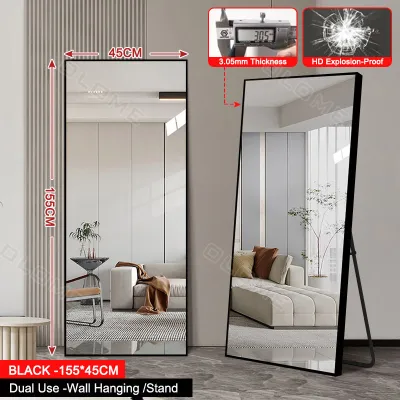
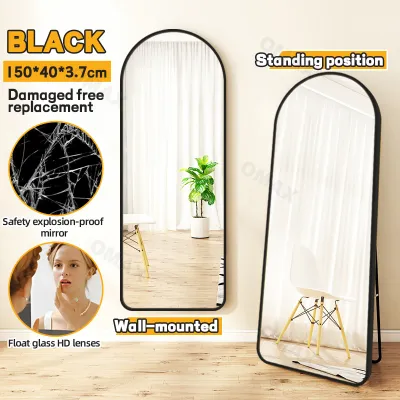
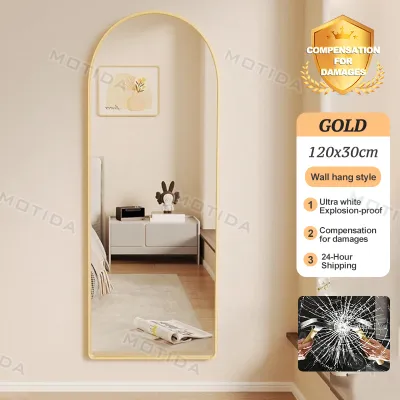
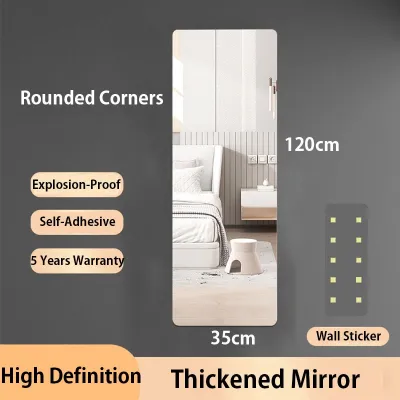
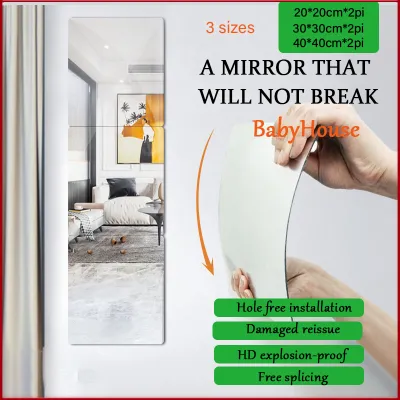
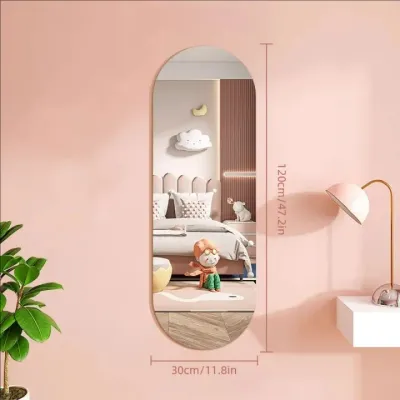
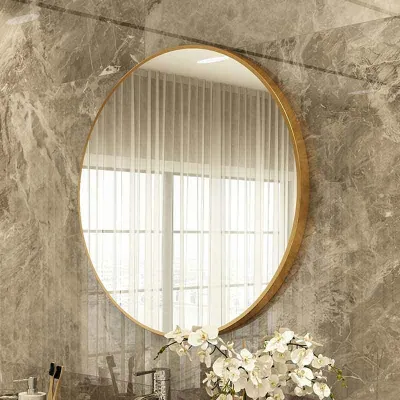
Prices are valid at publication and may change. Please refer to the product page for the latest price.
Finally, examine the structural integrity of your wall. Many homes in the Philippines feature concrete, hollow block, or solid masonry walls, while others use lightweight drywall or plywood partitions. A large, heavy mirror requires robust support, and mounting it on concrete requires different tools and anchors than mounting it on drywall. Inspect the surface for signs of moisture or bubbling paint, as high indoor humidity can weaken certain wall materials over time and affect the stability of your mounting hardware.
Best Wall Placements to Maximize Space and Light
The specific wall you choose for your mirror dictates how effectively it expands your room’s visual boundaries. Positioning a large mirror opposite or adjacent to a window is a practical way to amplify natural light. When sunlight hits the reflective surface, it bounces deep into the darker corners of the room, making the entire area feel brighter and more open. Be mindful of the sun’s path throughout the day; if a window receives direct, harsh afternoon sunlight, placing the mirror directly opposite might create uncomfortable glare, so an adjacent wall may be more suitable.

Another practical strategy is placing the mirror behind a primary focal point in the room. For instance, mounting a wide mirror behind a living room sofa or above an entryway console table creates an immediate illusion of doubled depth. As guests enter, their eyes are drawn past the furniture and into the reflection, making the seating or entry area feel twice as deep as its actual physical dimensions. This setup works exceptionally well in narrow townhouses or compact condominium units where floor space is at a premium.
To maximize the spatial illusion, ensure the mirror reflects a visually appealing, uncluttered part of your home. If you position the glass to reflect a blank, dark wall or a cluttered storage corner, you will only succeed in doubling the visual weight of those unappealing areas. Instead, aim the reflection toward an attractive architectural feature, an indoor plant display, or an open doorway that leads to another room. This technique tricks the brain into perceiving a continuous flow of space rather than a hard physical boundary.
Angles and Height Adjustments for the Best Visual Effect
Achieving an optimal visual expansion requires precise height adjustments tailored to how you use the room. As a general rule of thumb, the center of the mirror should sit at eye level, which is approximately 1.5 meters (about 59 to 60 inches) from the floor for standing viewers. However, if the room is primarily used for sitting, such as a formal dining room or a cozy study, you should lower the mounting height slightly. This ensures that when you and your guests are seated, the reflection captures the depth of the room rather than just the upper walls and ceiling.
For exceptionally tall floor-length mirrors, incorporating a slight forward tilt can dramatically alter the perception of the room’s height and depth. When a tall mirror is tilted forward by just a few degrees, it reflects more of the floor and the ceiling simultaneously. This expanded vertical perspective can make low ceilings feel significantly higher and give a small room a grander, more open atmosphere. However, this technique must be executed with extreme care, ensuring the frame is securely anchored at the top to prevent it from tipping over.
When mounting a large mirror above a piece of furniture, such as a sideboard, bed headboard, or sofa, the gap between the bottom of the frame and the top of the furniture is crucial. Hanging the mirror too high creates an awkward, disconnected gap that disrupts the visual flow of the room, making the ceiling feel lower. Ideally, keep the bottom of the mirror frame about 15 to 20 centimeters (6 to 8 inches) above the furniture piece. This close proximity integrates the mirror into a cohesive design unit, anchoring the furniture while drawing the eye upward.
Common Placement Mistakes That Shrink the Room
While a well-placed mirror can work wonders, poor placement can have the opposite effect, making a small room feel cluttered, chaotic, and even smaller. One of the most common mistakes is positioning a mirror where it directly reflects high-traffic, utilitarian, or naturally messy areas. Reflecting a busy kitchen counter, an open bathroom door, or a corner dedicated to laundry and storage will double the visual clutter in your living space. This constant reflection of busy areas creates visual noise that makes the room feel disorganized and cramped.
Another critical error is placing two large mirrors directly opposite each other on parallel walls. While this might seem like a clever way to bounce light indefinitely, it actually creates a disorienting “infinite tunnel” or “funhouse” effect. This endless repetition of reflections can make residents and guests feel dizzy, anxious, or physically uncomfortable, destroying the cozy, relaxing atmosphere of a home. If you want to use multiple mirrors in a small room, offset them so their reflections do not meet directly, or place them on adjacent walls instead.
Mounting a mirror at an incorrect height can also disrupt the visual balance of your room. When a mirror is hung too high, it reflects only the ceiling and the tops of door frames, which cuts off the room’s natural perspective and makes the ceiling feel lower than it actually is. Conversely, hanging a mirror too low can cut off the heads of standing viewers, creating an awkward and uncomfortable viewing experience. Take the time to hold the mirror against the wall and test the reflection from various angles before making any permanent holes.
Safe Installation and Mounting for Heavy Mirrors
Hanging a large, heavy mirror is a task that demands strict attention to safety and structural limits. Before beginning the installation, verify the total weight of the mirror by checking the manufacturer’s label or product packaging. Never guess the weight of a large glass piece, as glass is deceptively heavy and can easily pull out of weak wall materials if improper hardware is used. Review the manufacturer’s instructions to identify the specific type of mounting brackets, D-rings, or cleat hangers required for secure installation.
For homes with drywall or plywood walls, locating the wooden or metal studs behind the wall surface is essential for a secure mount. Always anchor your mounting screws directly into these studs whenever possible. If the mirror’s placement does not align with the studs, you must use heavy-duty toggle bolts or specialized hollow-wall anchors that are explicitly rated for the mirror’s weight. If your home has solid concrete or masonry walls, you will need a hammer drill, masonry drill bits, and heavy-duty plastic or metal wall plugs to ensure the screws remain firmly anchored in the concrete.
If you encounter any uncertainty during the installation process, it is best to pause and seek professional assistance. If you are unsure of your wall’s material, if the mirror is exceptionally heavy, or if you lack the proper tools to drill into concrete, do not attempt to force the installation. A falling mirror can cause severe injury, shatter into dangerous shards, and cause extensive damage to your walls and furniture. Consulting a qualified handyman or professional installer ensures the piece is mounted safely and securely for years to come.
Frequently Asked Questions (FAQ)
Can I lean a large mirror against the wall instead of mounting it?
Leaning a large, full-length mirror against the wall is a popular and stylish alternative to mounting, but it requires specific safety precautions. To prevent the heavy glass from sliding forward or tipping over, you must install anti-tip safety straps or anchor the top of the frame securely to the wall. This is especially critical in households with children, pets, or high foot traffic. Additionally, leaning a mirror tilts the reflection upward, which can alter how light and space are perceived in the room. Ensure the base of the mirror rests on a non-slip surface and is positioned away from busy pathways where it could be easily bumped.
How do I clean a large wall mirror without leaving streaks?
Maintaining the clarity of a large mirror is essential for preserving its space-expanding effects, as dust and smudges will quickly break the illusion of depth. To clean the glass without leaving unsightly streaks, use a soft, lint-free microfiber cloth and a gentle, non-ammonia glass cleaner. Avoid spraying the cleaning solution directly onto the mirror’s surface, as the liquid can run down and seep behind the frame, damaging the delicate silver backing over time. Instead, spray the cleaner directly onto the microfiber cloth and wipe the glass in a consistent Z-shaped pattern from top to bottom.

Community discussion
Share your experience or ask a question. Comments are reviewed before publication.